
Why Your Mouth Changes as You Get Older
Ageing brings many natural changes to the body, and your mouth is no exception. Teeth and gums experience years of daily wear from chewing, brushing, and exposure to food and drinks. While growing older does not automatically mean losing teeth, it does increase the likelihood of certain oral health concerns. Visiting a dentist Mt Druitt for regular check-ups helps detect these changes early and supports long term oral health before problems become more serious.
As you age, the protective enamel covering your teeth gradually wears down. This makes teeth more vulnerable to sensitivity, decay, and cracks. Saliva production may also decrease, especially if you take certain medications. Since saliva helps wash away bacteria and neutralise acids, a dry mouth can increase the risk of cavities and gum disease.
Tooth Wear Becomes More Noticeable
Everyday activities such as chewing and grinding slowly wear away the tooth surface over many years. Although this process is natural, excessive wear can expose the inner layers of the tooth, making them more sensitive to hot, cold, or sweet foods.
Older adults may also notice that their teeth appear shorter or flatter than they once did. Small cracks may develop, increasing the chance of fractures if left untreated. Professional dental assessments can identify early signs of wear and recommend suitable treatments before damage becomes extensive.
Common Signs of Tooth Wear
Teeth that appear shorter than before
Increased sensitivity when eating or drinking
Small chips or rough edges
Difficulty biting into harder foods
Changes in the way the teeth fit together
Gum Health Requires Extra Attention
Healthy gums play an essential role in supporting your teeth throughout life. As people age, gum tissue may naturally recede, exposing more of the tooth root. Unlike enamel, the root surface has less protection against decay and sensitivity.
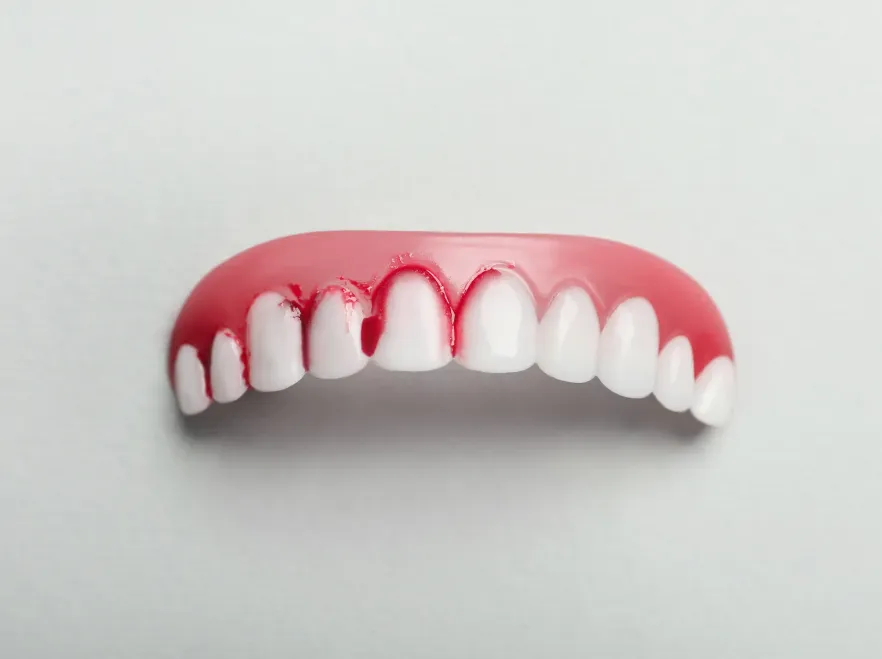
Plaque that is not removed effectively can harden into tartar, leading to inflammation and infection. Gum disease often develops slowly and may not cause pain during its early stages. Regular dental examinations help identify bleeding gums, swelling, or pockets around the teeth before permanent damage occurs.
People with existing medical conditions such as diabetes may have a greater risk of developing gum disease, making consistent oral care even more important.
Dry Mouth Can Affect Daily Comfort
A reduction in saliva is one of the most common oral changes associated with ageing. Certain medications used for blood pressure, allergies, depression, or chronic health conditions can contribute to dry mouth.
Without adequate saliva, bacteria multiply more easily, increasing the risk of tooth decay and bad breath. Many people also find it harder to chew, swallow, or speak comfortably.
Drinking plenty of water throughout the day, limiting sugary snacks, and discussing saliva substitutes with your dental professional may help improve comfort and protect your teeth.
Older Teeth Can Become More Sensitive
As gum recession exposes the roots of the teeth, sensitivity often becomes more noticeable. Foods and drinks that were once enjoyable may suddenly trigger discomfort.
Sensitivity can also result from enamel wear, tiny cracks, or untreated decay. Rather than avoiding certain foods completely, it is important to identify the underlying cause through a professional examination. Using toothpaste formulated for sensitive teeth may provide relief while longer-term treatment options are considered.
Previous Dental Work May Need Attention
Many adults have fillings, crowns, or bridges that were placed years or even decades earlier. Although these restorations are designed to be durable, they are not permanent.
Over time, fillings may wear down, crowns can loosen, and older restorations may develop tiny gaps where bacteria can enter. Routine dental visits allow these restorations to be checked and repaired before they lead to larger problems.
Maintaining older dental work helps preserve natural teeth and reduces the need for more extensive procedures later.
Lifestyle Habits Continue to Influence Oral Health
Good daily habits remain essential regardless of age. Brushing twice each day with fluoride toothpaste, cleaning between the teeth, and maintaining a balanced diet all contribute to healthier teeth and gums.
Smoking significantly increases the risk of gum disease, delayed healing, and oral cancer. Reducing tobacco use or quitting altogether provides lasting benefits for oral and general health.
Limiting sugary foods and acidic drinks also helps protect ageing teeth from further enamel erosion and decay.
Medical Conditions Can Affect Oral Health
Many health conditions become more common with age and can directly influence the mouth. Diabetes may slow healing and increase the risk of gum disease, while arthritis can make brushing and flossing more difficult. Osteoporosis may also affect the jawbone that supports the teeth.
Sharing your medical history and current medications with your dental team allows them to tailor preventive care to your individual needs. Coordinated healthcare supports better outcomes for both oral and overall wellbeing.
Regular Dental Care Supports Long Term Oral Health
Routine dental visits become increasingly valuable as people age. Professional examinations identify problems that may not yet be causing symptoms, including early decay, gum disease, worn restorations, and signs of oral cancer.
Preventive care often includes professional cleaning, personalised oral hygiene advice, and monitoring changes over time. Consistent appointments also encourage better Mt Druitt oral health by addressing small concerns before they develop into complex conditions. Choosing an experienced dentist Mt Druitt can help maintain healthy teeth and gums through every stage of life.
FAQs
Can older adults keep their natural teeth for life?
Yes. With good daily oral hygiene, regular dental checkups, and prompt treatment when needed, many people keep most or all of their natural teeth throughout their lives.
Why do my teeth become more sensitive as I get older?
Sensitivity often develops because enamel wears down and gums recede, exposing the softer root surfaces that react more strongly to temperature changes.
Is bleeding gums a normal part of ageing?
No. Bleeding gums are usually a sign of gum inflammation or gum disease rather than a normal part of getting older. Early treatment helps prevent further damage.
How often should older adults visit the dentist?
Most people benefit from a dental examination every six months, although your dentist may recommend more frequent visits depending on your oral health and medical history.























Sign in to leave a comment.