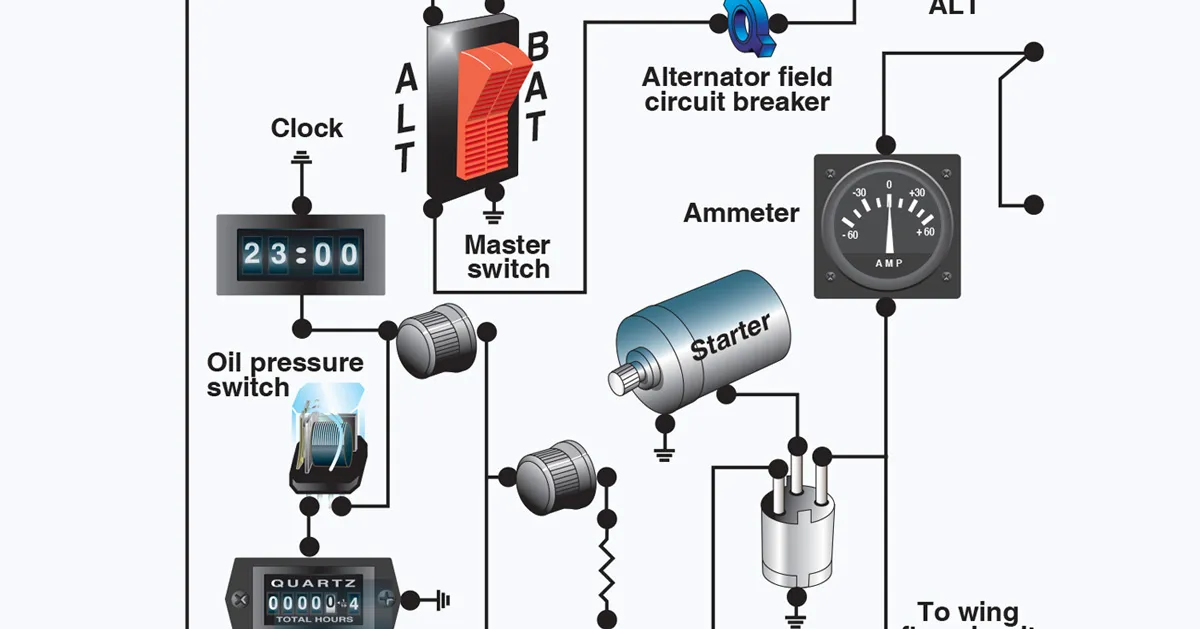

Aircraft wiring systems are a critical part of modern aviation, enabling communication, navigation, control, and power distribution across the entire aircraft. These systems must be carefully designed to ensure reliability, safety, and efficiency under extreme operating conditions. From initial planning to final installation, aircraft wiring design follows strict standards and engineering principles.
Understanding Aircraft Wiring Systems
Aircraft wiring systems consist of interconnected electrical wires, cables, connectors, terminals, and protective components that transmit electrical power and signals between various systems. These systems support avionics, lighting, engines, sensors, and control systems.
Unlike conventional wiring, aircraft wiring must be lightweight, durable, and capable of functioning in environments with vibration, temperature extremes, and electromagnetic interference.
Key Design Principles
Designing aircraft wiring systems involves several important principles to ensure optimal performance:
Safety and Reliability
Safety is the top priority in aircraft wiring design. Systems must be built with redundancy, meaning backup circuits are available in case of failure. Critical systems are often separated physically and electrically to prevent a single fault from affecting multiple systems.
Weight Optimization
Since weight directly impacts fuel efficiency and performance, wiring systems are designed to be as lightweight as possible without compromising strength or durability.
Environmental Resistance
Aircraft wiring must withstand harsh conditions, including high temperatures, moisture, chemicals, and pressure variations. Materials and insulation are selected accordingly.
Ease of Maintenance
Wiring systems are designed to allow easy inspection, troubleshooting, and replacement. Clear labeling and organized routing help maintenance teams work efficiently.
Components of Aircraft Wiring Systems
Several key components are involved in the design:
- Wires and Cables: Carry electrical current and signals
- Connectors and Terminals: Provide secure connection points
- Circuit Protection Devices: Include fuses and circuit breakers to prevent overloads
- Cable Assemblies and Harnesses: Organized bundles of wires for efficient routing
- Shielding and Insulation: Protect against interference and environmental damage
Each component is selected based on the system’s electrical load, operating environment, and safety requirements.
Wiring Layout and Routing
Proper routing is a crucial aspect of wiring system design. Engineers carefully plan how wires are installed throughout the aircraft to avoid interference and damage.
Separation of Systems
Different types of wiring—such as power, signal, and communication lines—are separated to prevent electromagnetic interference and reduce the risk of system failure.
Protection from Damage
Wires are routed away from moving parts, high-temperature areas, and sharp edges. Protective conduits, clamps, and grommets are used to secure and shield the wiring.
Minimizing Length
Efficient routing reduces wire length, which helps minimize weight and electrical resistance.
Use of Wire Harnesses
Wire harnesses are bundles of wires grouped together and secured with protective coverings. They simplify installation, reduce clutter, and improve reliability.
Benefits of wire harnesses include:
- Organized and streamlined wiring layout
- Reduced installation time
- Improved protection against wear and vibration
Electrical Load and Circuit Design
Designing wiring systems requires careful calculation of electrical loads. Engineers determine the amount of current each wire must carry and select appropriate wire sizes and materials.
Circuit design includes:
- Load balancing across systems
- Proper grounding techniques
- Integration of circuit protection devices
This ensures that the system operates efficiently without overheating or overloading.
Shielding and Electromagnetic Compatibility (EMC)
Aircraft systems must operate without interference from electromagnetic signals. Shielded cables and proper grounding techniques are used to maintain electromagnetic compatibility.
This is especially important for sensitive avionics and communication systems, where signal interference could affect performance.
Testing and Certification
Before installation, aircraft wiring systems undergo rigorous testing to ensure they meet aviation standards. Tests include:
- Electrical performance testing
- Environmental testing (temperature, vibration, moisture)
- Insulation resistance checks
- Continuity testing
Regulatory authorities require strict compliance with safety standards before systems are approved for use.
Challenges in Wiring System Design
Designing aircraft wiring systems presents several challenges:
- Complexity: Modern aircraft have extensive and intricate wiring networks
- Space Constraints: Limited space requires efficient routing and compact designs
- Heat Management: Wiring must be protected from high-temperature areas
- Maintenance Accessibility: Systems must be easy to inspect and repair
Engineers must balance these factors while maintaining safety and efficiency.
Future Trends in Aircraft Wiring
Advancements in aviation technology are shaping the future of wiring systems:
- More-Electric Aircraft: Increased reliance on electrical systems reduces the need for hydraulic and pneumatic systems
- Lightweight Materials: New materials help reduce weight and improve efficiency
- Smart Wiring Systems: Integrated sensors can monitor wiring health in real time
- Improved Shielding Technologies: Enhanced protection against electromagnetic interference
Conclusion
Aircraft wiring systems are carefully engineered networks that ensure the safe and efficient operation of all onboard systems. Through thoughtful design, proper material selection, and rigorous testing, these systems provide reliable power and communication throughout the aircraft.
From routing and load management to shielding and redundancy, every aspect of wiring design plays a crucial role in aviation safety. As technology continues to evolve, aircraft wiring systems will become even more advanced, supporting the next generation of efficient and reliable aircraft.




















Sign in to leave a comment.