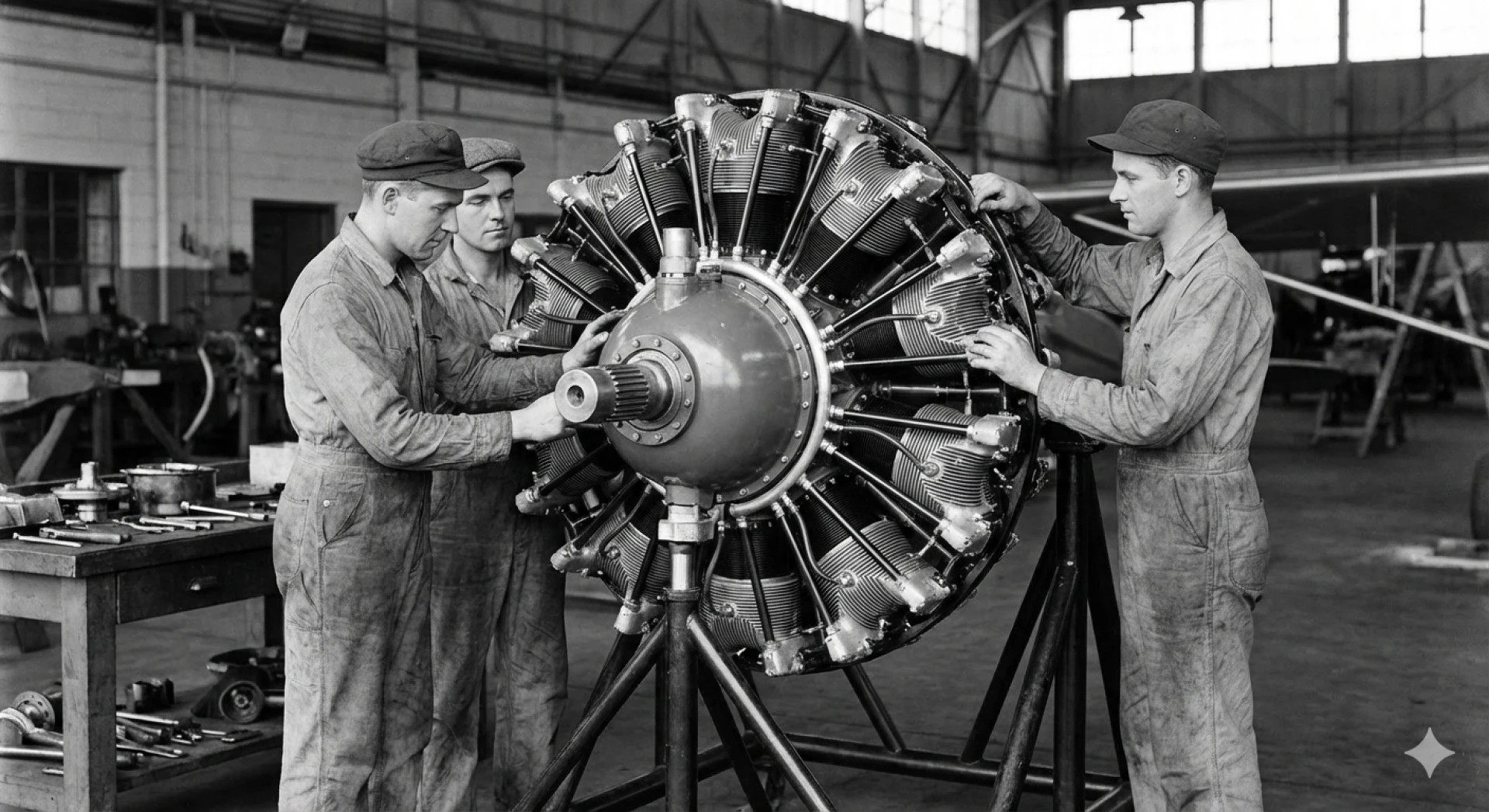

Aircraft electrical systems are a critical part of modern aviation, powering essential components that ensure safe, efficient, and reliable flight operations. From cockpit instruments and navigation systems to lighting and communication equipment, electrical systems support nearly every function of an aircraft. As technology continues to advance, the reliance on electrical power in aviation has grown significantly, making these systems more important than ever.
The Role of Electrical Systems in Aircraft
Aircraft electrical systems are responsible for generating, distributing, and managing electrical power throughout the aircraft. They provide energy to essential systems such as avionics, flight controls, fuel systems, and cabin equipment. Without a stable and reliable electrical supply, pilots would lose access to critical information and control systems, making safe operation extremely difficult. These systems ensure that all electrical components receive the power they need to function properly during every stage of flight.
Power Generation in Aircraft
Electrical power in aircraft is typically generated by engine-driven generators. As the engine operates, these generators convert mechanical energy into electrical energy, which is then distributed across the aircraft. In addition to primary generators, aircraft are equipped with auxiliary power units (APUs) and batteries that provide backup power when the engines are not running or in case of emergencies. This multi-source approach ensures continuous power availability under all conditions.
Distribution and Control of Power
Once generated, electrical power must be distributed efficiently to various systems. This is managed through a network of wiring, buses, and control units that regulate voltage and current. Circuit breakers and protective devices are used to prevent overloads and short circuits, ensuring system safety. Proper distribution is essential for maintaining the performance and reliability of all connected components.
Supporting Critical Aircraft Functions
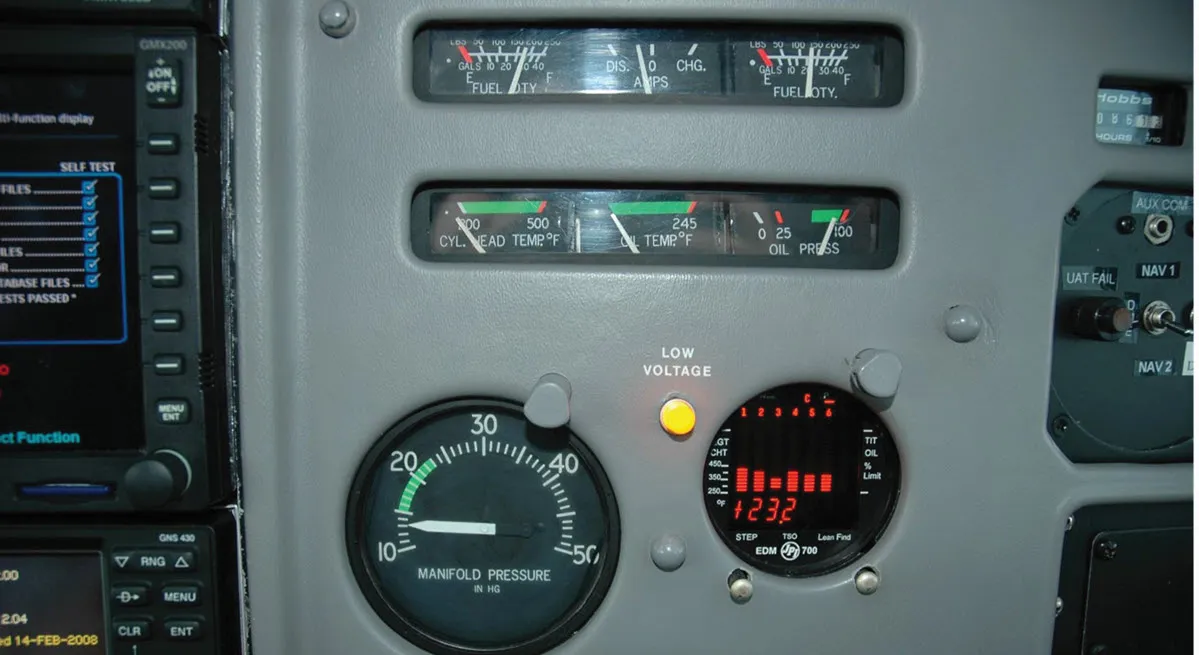
Electrical systems support a wide range of critical aircraft functions. They power navigation instruments that help pilots determine position and route, communication systems that enable contact with air traffic control, and flight control systems that assist in maneuvering the aircraft. In addition, electrical systems are used for cabin lighting, environmental controls, and passenger services, enhancing both safety and comfort.
Advancements in Electrical Technology
Modern aircraft are increasingly adopting advanced electrical technologies to improve efficiency and reduce reliance on traditional mechanical systems. The concept of “more electric aircraft” involves replacing hydraulic and pneumatic systems with electrically powered alternatives. This shift reduces weight, improves fuel efficiency, and simplifies maintenance. Innovations in battery technology and power management systems are also contributing to more reliable and efficient electrical systems.
Maintenance and Reliability
Maintaining aircraft electrical systems is essential for ensuring safety and performance. Regular inspections are conducted to check wiring, connectors, and electrical components for wear, corrosion, or damage. Technicians also test system performance to ensure consistent power delivery. Preventive maintenance helps identify potential issues before they lead to system failures, reducing the risk of in-flight problems.
Conclusion
Aircraft electrical systems are the backbone of modern aviation, powering essential systems that enable safe and efficient flight. From generating and distributing power to supporting critical operations and passenger comfort, these systems play a vital role in every aircraft. As aviation technology continues to evolve, electrical systems will become even more advanced, further enhancing the safety, efficiency, and reliability of air travel.























Sign in to leave a comment.