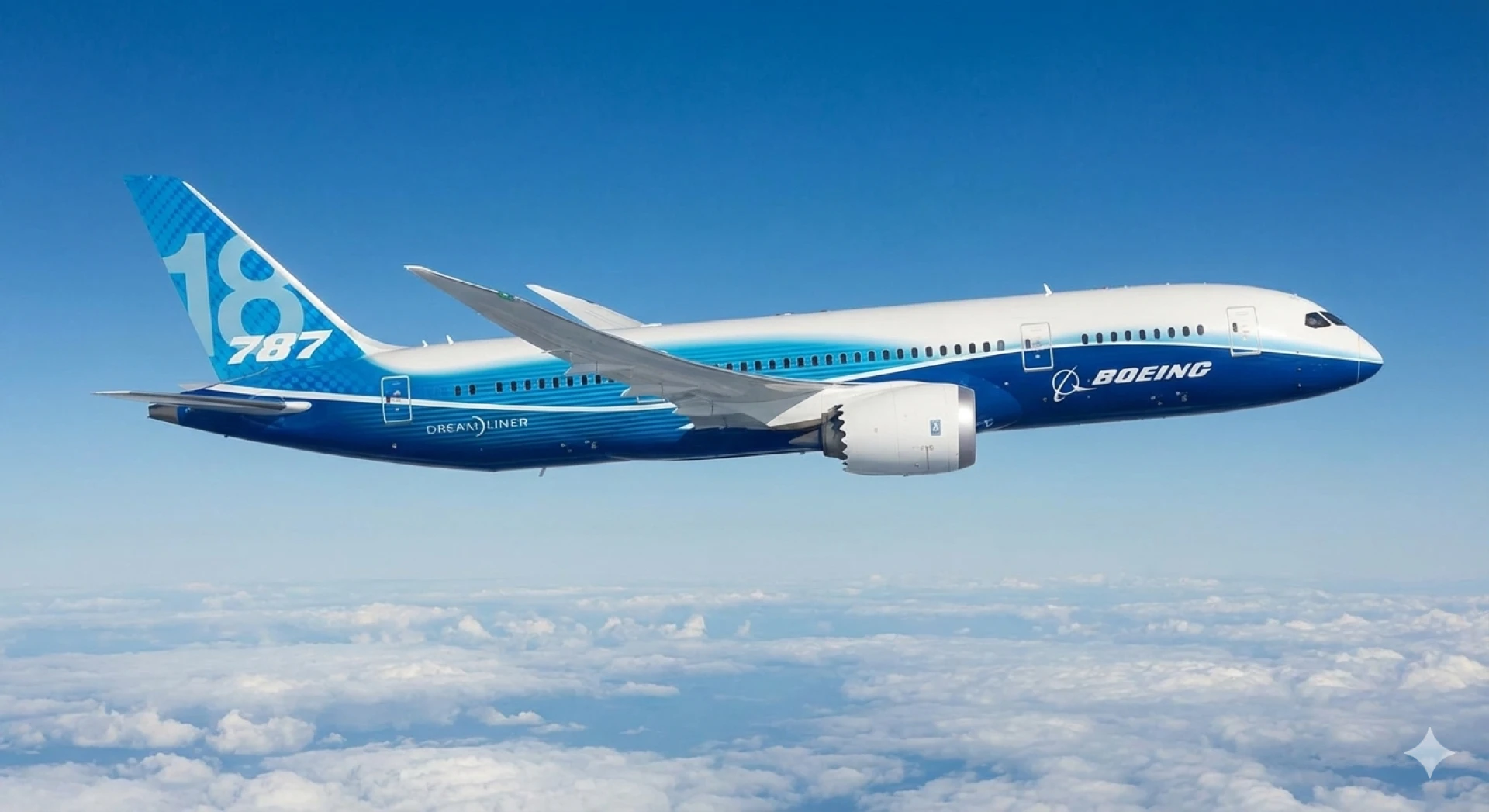

Jet engines power modern aircraft by producing thrust that pushes the plane forward through the air. While they may seem complex, the basic working principle of a jet engine is relatively simple: take in air, compress it, mix it with fuel, ignite it, and expel it at high speed to create thrust. This process follows the principle of action and reaction, where the force of exhaust gases moving backward pushes the aircraft forward.
The Basic Principle of Jet Engines
At the core of every jet engine is the idea of converting fuel into motion. Air enters the engine from the front and is compressed to increase its pressure. This compressed air is then mixed with fuel and ignited in the combustion chamber, producing high-energy gases. These gases expand rapidly and exit the engine at high speed, generating thrust that propels the aircraft forward. The more efficiently this process happens, the better the engine performs.
Air Intake and Compression
The first stage of a jet engine is the air intake, where large volumes of air are drawn into the engine. This air then passes through the compressor, which consists of multiple rotating blades that squeeze the air into a smaller space. Compressing the air increases its pressure and temperature, making it ideal for efficient combustion. This step is crucial because better compression leads to more powerful energy release during combustion.
Combustion Process
Once the air is compressed, it enters the combustion chamber, where fuel is injected and ignited. The mixture of air and fuel burns at high temperatures, producing rapidly expanding gases. This combustion must be carefully controlled to ensure a steady and efficient release of energy. Proper combustion not only generates the power needed for thrust but also helps maintain engine stability and performance.
Turbine and Energy Extraction
After combustion, the high-energy gases flow through the turbine section. The turbine consists of blades that spin as the gases pass through them, extracting energy from the flow. This energy is used to power the compressor at the front of the engine, creating a continuous cycle. Even though some energy is used internally, enough remains in the exhaust gases to produce thrust.
Exhaust and Thrust Generation
In the final stage, the remaining high-speed gases exit the engine through the exhaust nozzle. As these gases are expelled backward at high velocity, they create a forward force known as thrust. This thrust is what moves the aircraft through the air. The faster the exhaust gases leave the engine, the greater the thrust produced.
Efficiency and Modern Improvements
Modern jet engines are designed to be highly efficient, using advanced materials, improved aerodynamics, and better fuel systems. Many engines now use a bypass system, where a portion of the air bypasses the core engine to improve fuel efficiency and reduce noise. These innovations allow aircraft to travel longer distances while consuming less fuel.
Conclusion
Jet engines may appear complicated, but their basic operation follows a straightforward process of intake, compression, combustion, and exhaust. Each stage plays a vital role in generating the thrust needed for flight. By understanding these fundamentals, beginners can gain a clear picture of how aircraft engines work and appreciate the engineering behind modern aviation.


























Sign in to leave a comment.