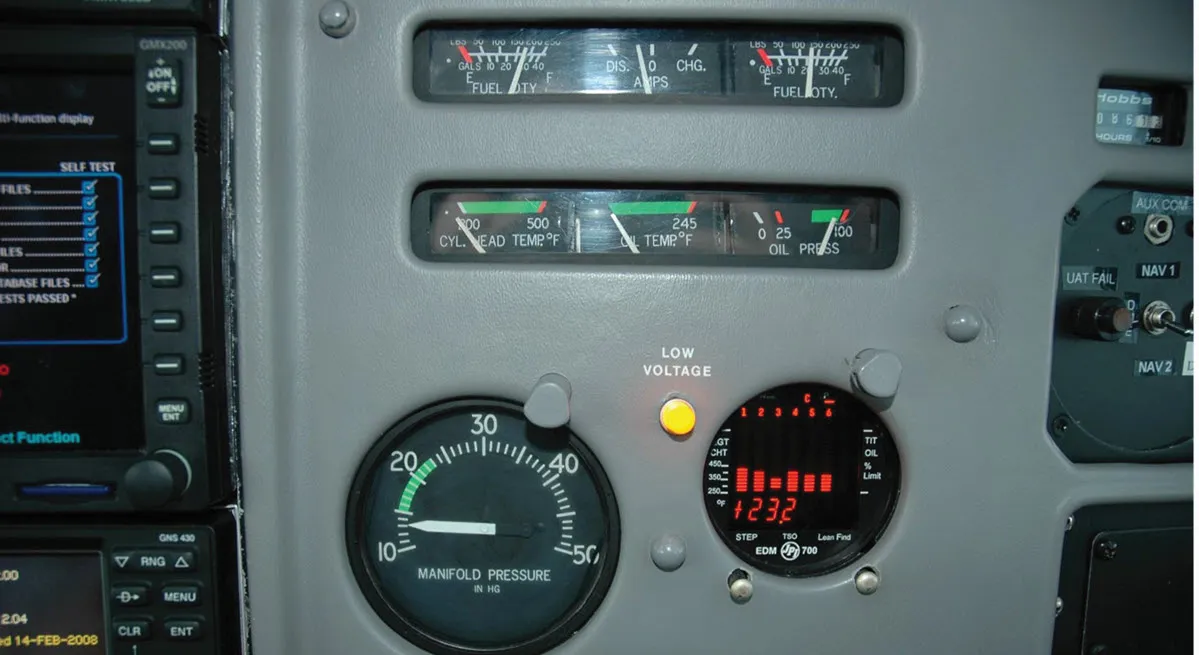

Electrical overload in an aircraft isn’t just a technical fault—it’s a serious safety risk. When circuits carry more current than they are designed for, it can lead to overheating, equipment failure, or even onboard fires. Modern aircraft rely heavily on electrical systems for avionics, lighting, communication, and control functions, so preventing overload is essential for both performance and safety.
This guide explains practical, easy-to-follow techniques to help prevent electrical overload in aircraft systems.
1. Understand the Load Limits of Each Circuit
Every electrical circuit in an aircraft is designed with a specific load capacity. Exceeding that limit is the root cause of overload.
What to focus on:
- Maximum current ratings
- Power distribution limits
- Equipment load requirements
Technique:
Always verify the total load before adding new components. If you’re installing new avionics or accessories, calculate whether the existing system can handle the additional demand. If not, upgrade the circuit instead of risking overload.
2. Use Circuit Protection Devices Properly
Circuit breakers and fuses are the first line of defense against overload.
What they do:
- Automatically cut off power when current exceeds safe levels
- Protect wiring and connected equipment
Technique:
Ensure that all circuits have properly rated circuit breakers or fuses installed. Never replace a breaker with one of a higher rating just to stop it from tripping—that removes the protection and increases risk.
3. Perform Regular Electrical Inspections
Routine inspections help identify early signs of overload before they become serious.
What to check:
- Wiring condition
- Connector integrity
- Signs of heat or wear
Technique:
Look for discoloration, melted insulation, or a burning smell—these are warning signs of excessive current. Regular checks allow you to fix issues before they escalate.
4. Maintain Proper Wiring Standards
Wiring plays a critical role in handling electrical loads safely.
Common issues:
- Undersized wires
- Damaged insulation
- Poor routing
Technique:
Always use wires that match the required current capacity. Undersized wiring heats up quickly under load, increasing the risk of overload. Follow proper routing practices to avoid stress, bending, or interference.
5. Avoid Overloading Power Distribution Systems
Aircraft electrical systems are carefully balanced. Adding too many devices to a single circuit can disrupt that balance.
What happens:
- Excessive current draw
- Voltage drops
- System instability
Technique:
Distribute electrical loads evenly across available circuits. If one system is heavily loaded, consider redistributing equipment or adding a dedicated circuit.
6. Monitor Electrical System Performance
Real-time monitoring can help detect overload conditions early.
What to watch:
- Voltage fluctuations
- Current spikes
- Unusual system behavior
Technique:
Use onboard monitoring systems to track electrical performance. Sudden spikes or drops often indicate that a circuit is under stress and may be approaching overload.
7. Ensure Proper Grounding
Grounding is essential for safe electrical operation.
Why it matters:
- Stabilizes voltage levels
- Prevents stray currents
- Reduces risk of overload
Technique:
Check grounding connections regularly to ensure they are secure and corrosion-free. Poor grounding can cause uneven current distribution, leading to overload in certain parts of the system.
8. Protect Against Environmental Factors
Environmental conditions can increase the risk of overload.
Risk factors:
- Moisture
- Corrosion
- Extreme temperatures
Technique:
Use sealed connectors and protective materials to shield electrical components. Moisture and corrosion increase resistance, which can lead to overheating and overload.
9. Avoid Improper Modifications
Unauthorized or poorly planned modifications are a common cause of overload issues.
Examples:
- Adding non-certified equipment
- Bypassing circuit protection
- Using incompatible components
Technique:
Always follow approved aviation standards and guidelines when modifying electrical systems. Any addition should be properly evaluated for its impact on the overall load.
10. Train Personnel on Electrical Safety
Human error is often a contributing factor in electrical overload incidents.
Key areas:
- Proper installation techniques
- Load calculation
- Safe handling practices
Technique:
Ensure that maintenance personnel are trained to understand electrical limits and recognize early warning signs of overload. Skilled handling reduces the chance of mistakes that could lead to system failure.
Quick Prevention Checklist
Use this simple checklist to stay ahead of electrical overload:
- Check circuit load before adding new equipment
- Use correctly rated breakers and fuses
- Inspect wiring and connectors regularly
- Replace damaged components immediately
- Monitor system performance during operation
- Maintain proper grounding
- Avoid shortcuts or unapproved modifications
Final Thoughts
Preventing electrical overload in aircraft comes down to awareness, proper design, and consistent maintenance. Most overload issues don’t happen suddenly—they build up over time due to excessive load, poor wiring, or lack of inspection.
By following these practical techniques, you can reduce risks, improve system reliability, and ensure safer aircraft operations. Keeping electrical systems within their limits isn’t just good practice—it’s essential for maintaining the safety and performance of the entire aircraft.






















Sign in to leave a comment.