
Modern aircraft are complex machines that rely on multiple systems working together to ensure safe, efficient, and reliable flight. Each system performs a specific function, and within each system are key components that provide the power and control needed for operation. These systems are interconnected, meaning the performance of one often depends on the others.
Understanding the major aircraft systems and the components that power them gives a complete picture of how aircraft operate from takeoff to landing.
Flight Control System
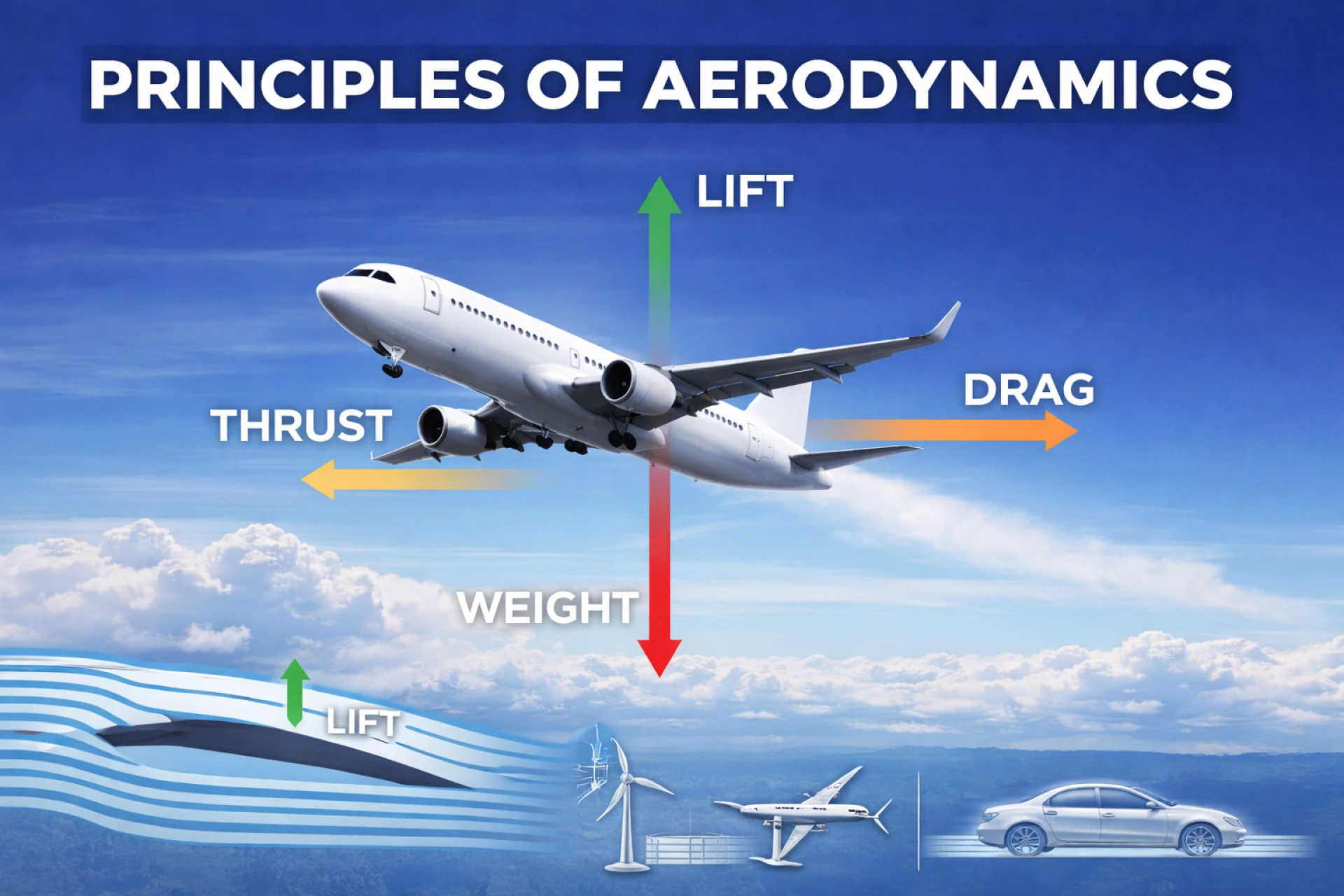
The flight control system is responsible for directing the aircraft’s movement. It allows pilots to control roll, pitch, and yaw during flight.
Key components include ailerons, elevators, and the rudder. Ailerons control roll, elevators manage pitch, and the rudder controls yaw. Supporting components such as actuators, linkages, and control cables ensure these surfaces respond accurately to pilot input.
In modern aircraft, hydraulic and electronic systems often assist or replace mechanical controls to provide smoother and more precise operation.
Hydraulic System
The hydraulic system powers several heavy duty aircraft operations that require strong mechanical force.
Important components include hydraulic pumps, reservoirs, valves, actuators, and fluid lines. These parts work together to move landing gear, operate brakes, and assist with flight control surfaces.
Hydraulic systems are essential because they provide reliable and powerful movement, especially in larger aircraft where manual control would not be possible.
Fuel System
The fuel system stores and delivers fuel to the engines efficiently and safely.
Key components include fuel tanks, pumps, filters, valves, and fuel lines. These components ensure that fuel flows at the correct rate and pressure under all flight conditions.
Fuel management systems also help maintain proper balance by distributing fuel evenly across the aircraft.
Electrical System
The electrical system supplies power to various onboard systems and equipment.
Key components include generators, batteries, wiring, circuit breakers, and control units. These parts provide electricity for avionics, lighting, communication systems, and monitoring instruments.
Modern aircraft rely heavily on electrical systems to support both operation and safety.
Avionics System
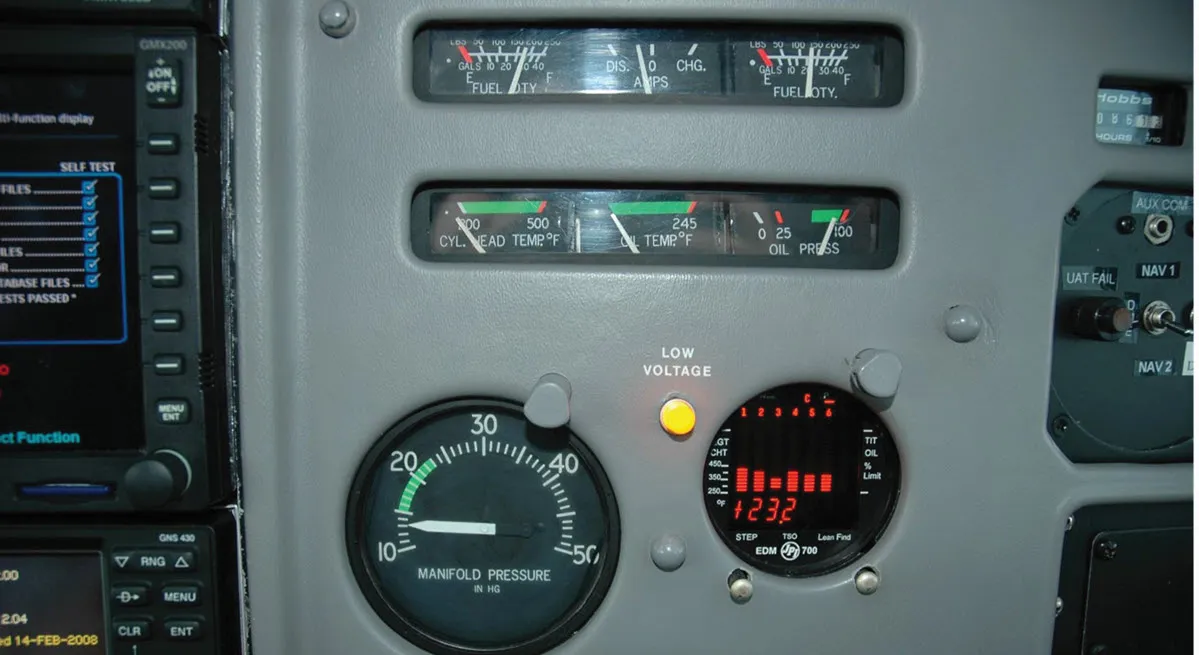
The avionics system includes all electronic equipment used for navigation, communication, and monitoring.
Important components include flight management systems, navigation displays, communication radios, and radar systems. These tools provide pilots with real time data about the aircraft’s position, weather conditions, and surrounding traffic.
Avionics systems improve situational awareness and support safe flight operations.
Landing Gear System
The landing gear system supports the aircraft during ground operations, takeoff, and landing.
Key components include wheels, tires, shock absorbers, struts, and retraction mechanisms. These parts ensure stability on the ground and absorb the impact forces during landing.
Retractable landing gear helps reduce drag during flight, improving overall efficiency.
Environmental Control System
The environmental control system maintains a safe and comfortable environment inside the aircraft cabin.
Key components include air conditioning units, compressors, heat exchangers, and pressurization systems. These components regulate temperature, airflow, and cabin pressure.
This system ensures that passengers and crew remain comfortable even at high altitudes.
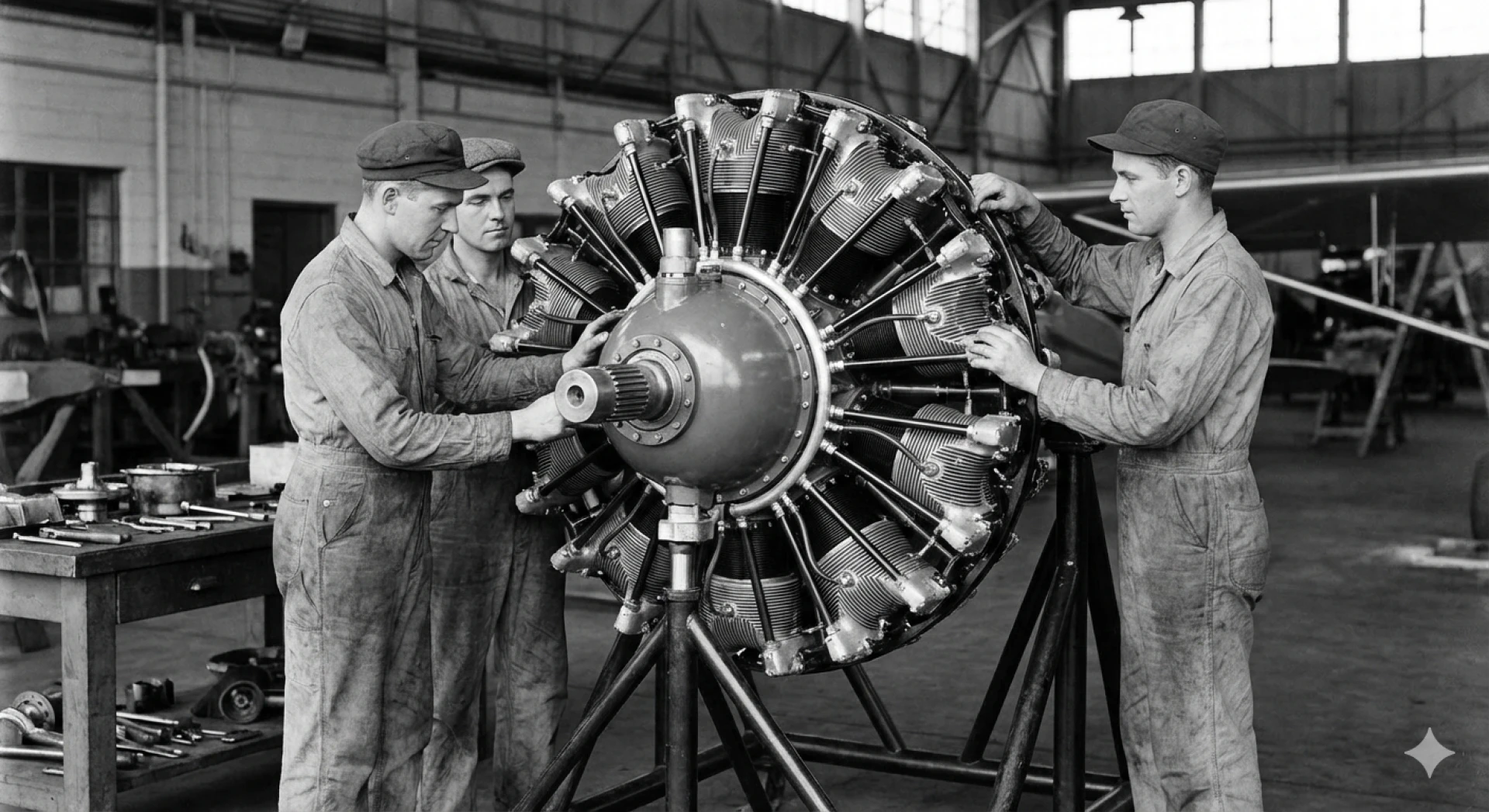
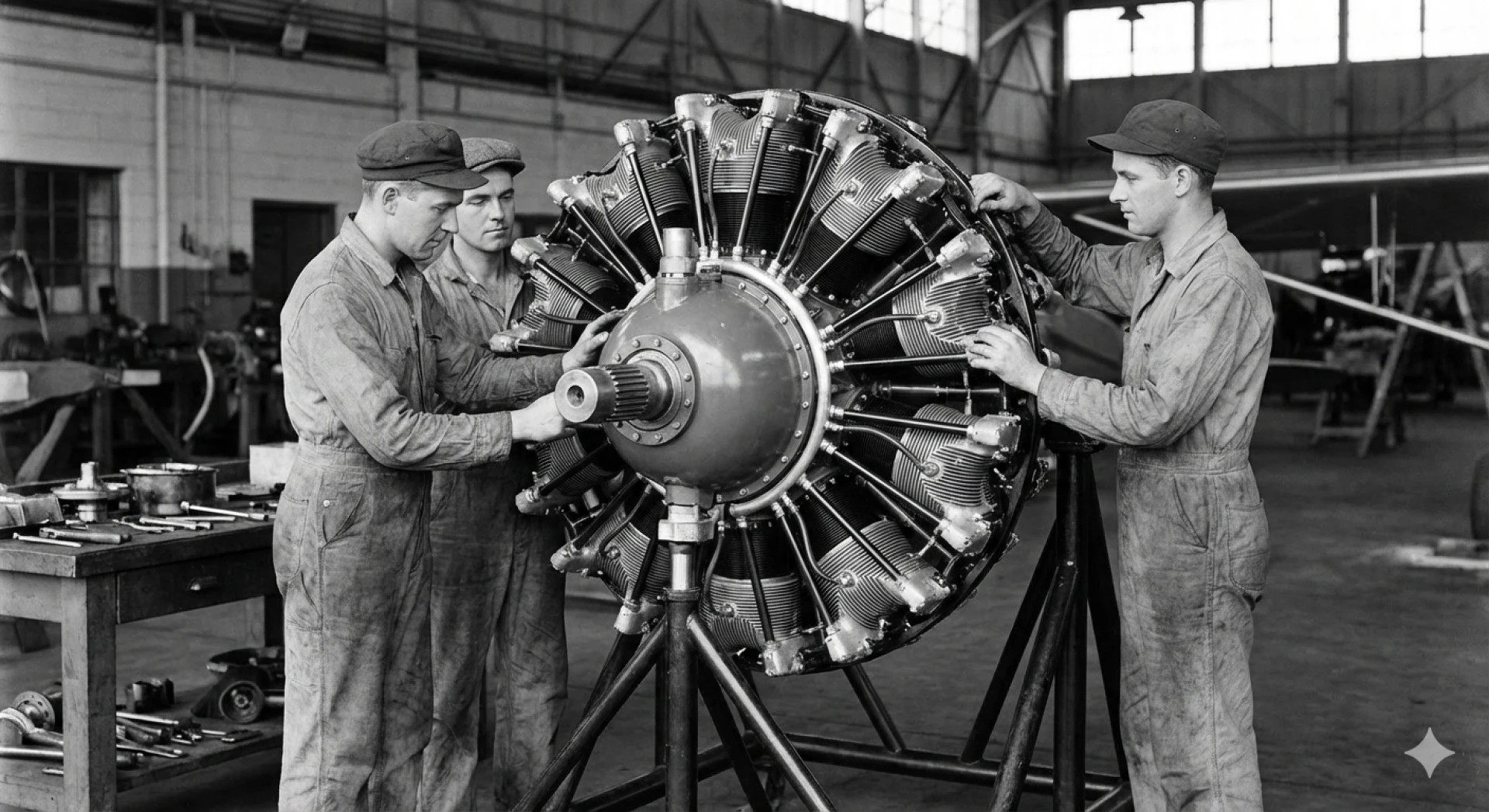
Engine and Propulsion System
The engine and propulsion system generate the thrust needed to move the aircraft forward.
Key components include the fan, compressor, combustion chamber, turbine, and exhaust nozzle. These parts work together to convert fuel into energy and produce thrust.
Supporting systems such as fuel delivery and cooling systems ensure efficient engine operation.
How These Systems Work Together
All aircraft systems are interconnected and must work together seamlessly. For example, the engine powers generators that supply electricity, while hydraulic systems rely on engine driven pumps.
The fuel system supports engine operation, and avionics systems guide navigation and communication. This coordination ensures that the aircraft operates efficiently and safely.
A failure in one system can affect others, which is why redundancy and maintenance are critical.
Conclusion
Major aircraft systems and their components form the foundation of modern aviation. From flight controls and hydraulics to fuel, electrical, avionics, and propulsion systems, each plays a vital role in aircraft performance.
By working together, these systems ensure safe, reliable, and efficient flight operations. Understanding these systems highlights the complexity and precision of aerospace engineering and the importance of each component in keeping aircraft operating smoothly.






























Sign in to leave a comment.