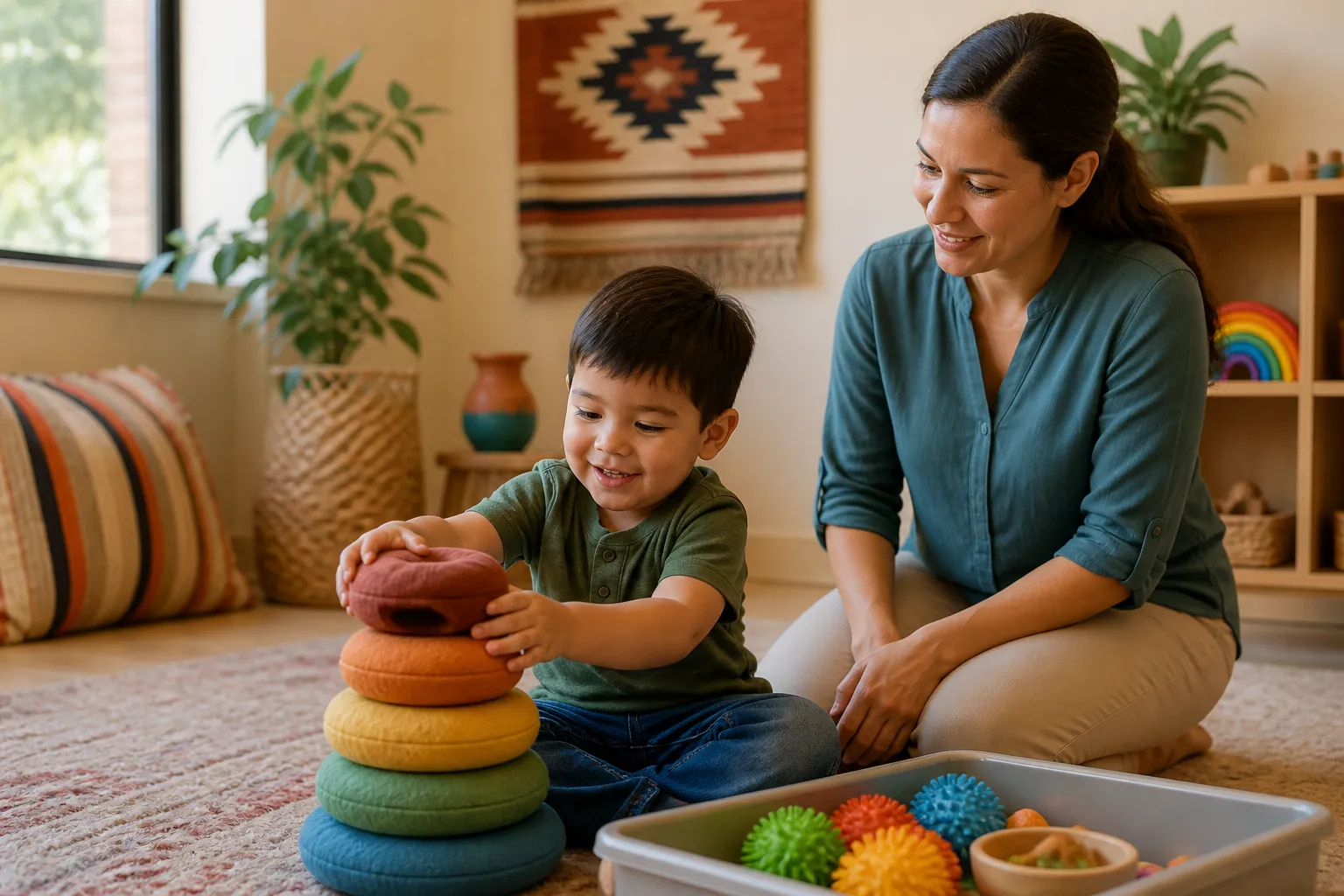

Many children on the autism spectrum experience the world through a sensory filter that most people never notice. Sounds that seem ordinary to others can feel overwhelming. Textures, lighting, and crowded spaces can trigger real distress. For families in Albuquerque, finding support that directly addresses these challenges is often one of the first and most important steps after an autism diagnosis.
Applied Behavior Analysis (ABA) therapy offers a structured, individualized way to help children manage sensory sensitivities while building the skills they need to participate more fully in daily life. Local ABA programs have developed approaches specifically suited to the sensory profiles that come up most often in their client populations, and those approaches tend to look quite different from what a general therapy setting might offer.
What Sensory Support Looks Like in ABA
ABA therapists who work with sensory sensitivities begin with a thorough assessment. Before any intervention begins, clinicians observe how a child responds to different types of input, including sound, touch, movement, and visual stimulation. That information shapes an individualized treatment plan rather than a one-size-fits-all curriculum.
From there, therapists use systematic desensitization and gradual exposure to help children tolerate sensory experiences that previously caused avoidance or distress. A child who refuses to walk barefoot on grass might start with brief exposure during a preferred activity, with reinforcement built in at every step. A child overwhelmed by noise might work in a controlled environment while slowly being introduced to more complex auditory settings. The pace is always set by the child's responses, not by a predetermined timeline.
Sensory integration goals in ABA are often paired with communication and self-regulation targets. If a child can not yet tell someone they are overwhelmed, the therapist works on building that language or a functional alternative, such as a picture card or gesture. This combination helps children develop agency over their own sensory experience rather than simply learning to tolerate discomfort without a way to express it.
How Albuquerque Families Get Started
Families who seek ABA therapy for sensory-related challenges often arrive after trying other interventions that addressed sensory issues in isolation. Occupational therapy, for instance, is an excellent resource, and many families pursue both OT and ABA simultaneously. The two disciplines complement each other well when providers coordinate on shared goals.
In Albuquerque specifically, families have access to providers who understand the range of sensory presentations that come with autism diagnoses, from hypersensitivity to hyposensitivity, and who build programs around the child's natural environment and daily routines. Community-based sessions, where therapists work with children in settings like parks, grocery stores, or classrooms, are increasingly common because they allow skill generalization in real-world contexts.
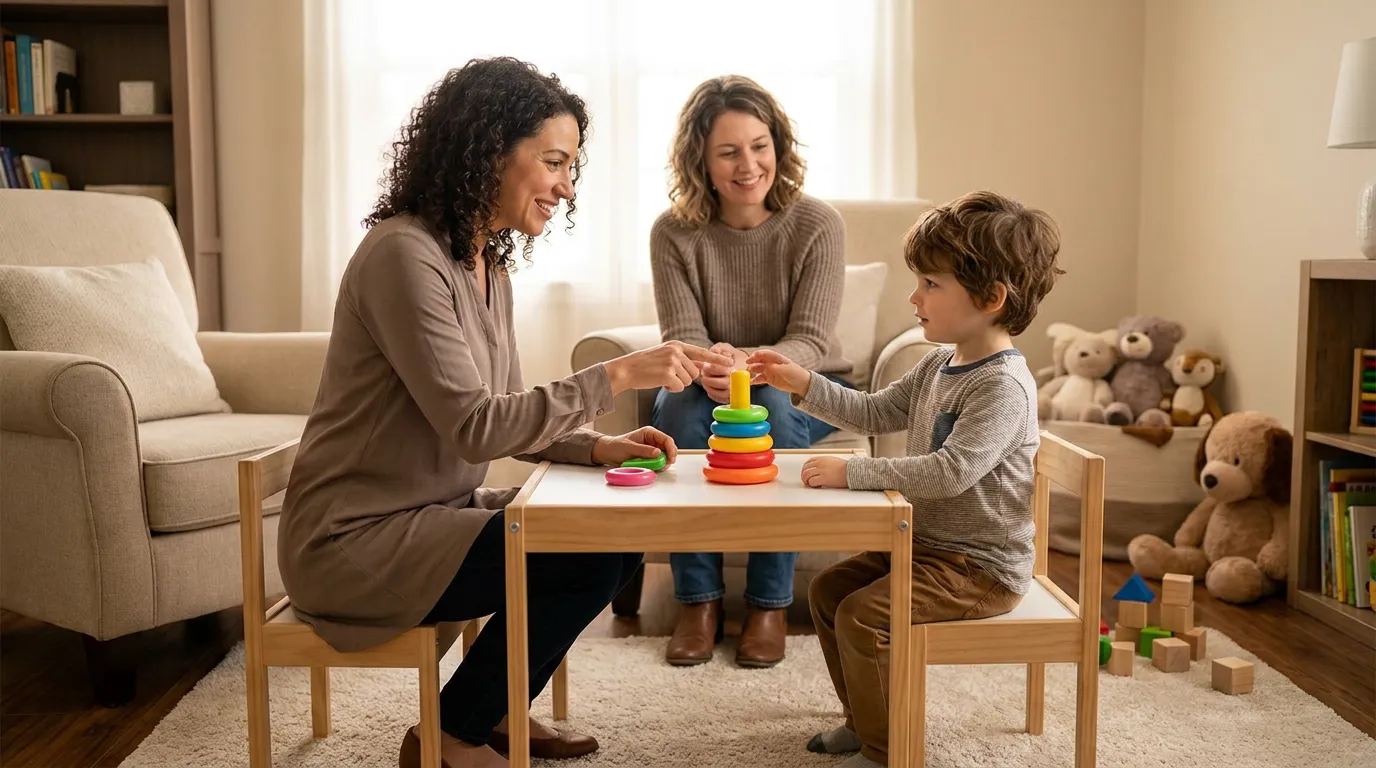
For parents, one of the most valuable parts of the process is caregiver training. ABA programs that prioritize parent involvement teach families how to carry over sensory strategies at home, which extends the impact of clinical sessions throughout the week. Families learn what to watch for, how to respond in the moment, and how to set up home environments that reduce unnecessary sensory friction.
Working with a provider who understands sensory needs requires more than a general ABA background. Families in the area benefit from connecting with Perfect Pair autism care to explore programs specifically designed around the intersection of ABA and sensory support.
Children with significant sensory needs can and do make meaningful progress. The path is rarely linear, but with consistent, well-designed ABA support, most families begin to see changes that carry into every part of their child's daily life.

























Sign in to leave a comment.