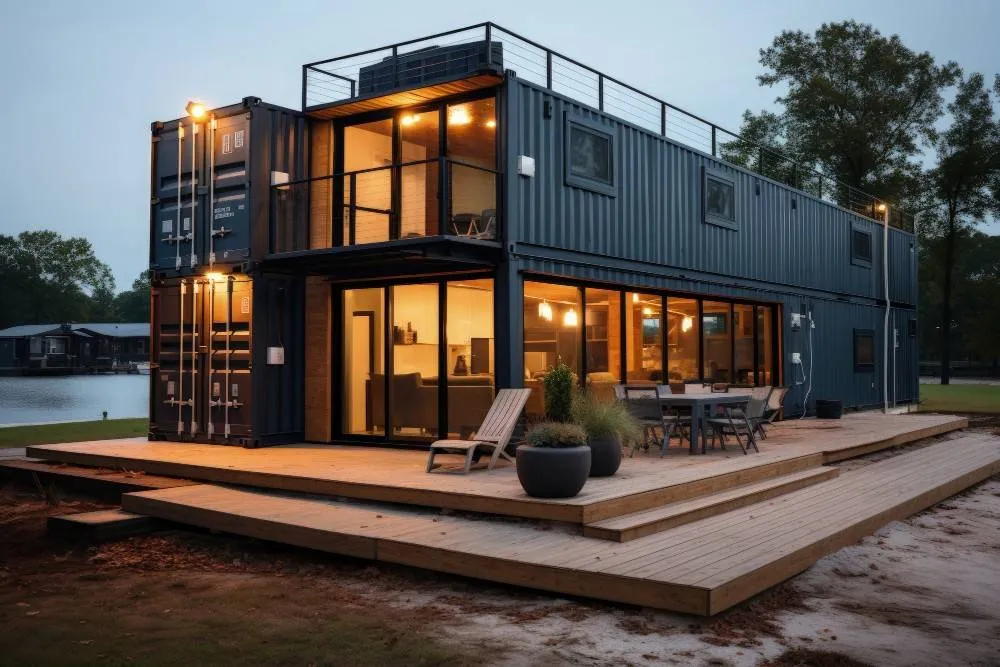


Modern building design is no longer only about appearance. Today, architects, developers, contractors, and property owners look for materials that can support beauty, strength, safety, comfort, energy performance, and long-term value.
This is why aluminium has become one of the most popular materials in modern construction. It is lightweight, durable, flexible, corrosion-resistant, and suitable for a wide range of residential, commercial, and architectural applications.
From windows and doors to façades, curtain walls, partitions, shop fronts, and customised profiles, aluminium systems help create buildings that are both stylish and practical.
Why Aluminium is Popular in Modern Construction
Aluminium is widely used in construction because it offers a strong balance between design freedom and performance. It can be shaped into different profiles, finished in various colours and textures, and used in many types of building systems.
Unlike some traditional materials, aluminium does not easily warp, crack, or swell. It can withstand daily use and changing weather conditions, making it suitable for homes, offices, hotels, retail spaces, apartment complexes, and industrial buildings.
For modern projects, this reliability is important. A building material should not only look good on the first day. It should continue to perform well for many years.
Supporting Clean and Contemporary Architecture
Modern architecture often focuses on open spaces, natural light, slim profiles, large glass areas, and clean lines. Aluminium supports these design goals very effectively.
With architectural aluminium, designers and builders can create elegant building elements that combine strength with visual appeal. These systems can be used for doors, windows, façades, curtain walls, and other architectural features that define the look and performance of a building.
Aluminium also allows more flexibility in design. Whether the project is a private home, corporate office, hotel, showroom, or commercial complex, aluminium systems can be adapted to suit different styles and requirements.
Improving Natural Light and Indoor Comfort
Natural light is one of the most important features in modern building design. It improves the appearance of interiors, supports comfort, and can make spaces feel larger and more welcoming.
Aluminium systems are ideal for creating larger openings and slimmer frame designs. This helps bring more daylight into living rooms, offices, lobbies, retail spaces, and other indoor areas.
Good natural lighting can also reduce the need for artificial lighting during the day, depending on the building design. This can support better energy use and create a more pleasant environment for people inside the building.
Aluminium Windows for Better Ventilation and Style
Windows are one of the most important parts of any building. They influence light, airflow, security, energy performance, and overall appearance.
High-quality aluminium windows are suitable for both residential and commercial spaces because they offer strength, slim design, durability, and low maintenance. They can be designed to suit different needs, including sliding, casement, fixed, and customised window systems.
For homes, aluminium windows can improve ventilation and make rooms feel brighter. For commercial spaces, they can create a clean, professional appearance while supporting long-term performance.
The right window system can also help improve comfort by allowing better airflow and supporting practical day-to-day use.
Curtain Walls for Modern Building Façades
Curtain walls are commonly used in modern commercial and high-rise buildings because they create a sleek, glass-focused exterior while helping protect the building from external weather conditions.
A well-designed curtain wall can improve the appearance of a building and support natural light inside the space. It can also contribute to better thermal performance, depending on the glazing and system design.
High-performance aluminium curtain walls are often used in offices, hotels, shopping complexes, showrooms, and modern residential developments. They help create a premium exterior while maintaining structural stability and functionality.
For developers and architects, curtain walls offer an attractive way to combine design impact with practical building performance.
Durability and Low Maintenance
One of the biggest advantages of aluminium systems is durability. Aluminium can resist corrosion and maintain its appearance for a long time when manufactured, finished, and installed properly.
This is especially useful in tropical climates and coastal environments, where buildings may face heat, humidity, rain, and moisture. Materials used in these conditions need to be reliable and easy to maintain.
Aluminium systems usually require less maintenance compared with some traditional materials. Regular cleaning and proper care can help keep windows, doors, and façade systems looking good and functioning well for many years.
Flexibility for Residential and Commercial Projects
Aluminium can be used in many types of projects. In residential buildings, it is commonly used for windows, doors, partitions, balcony systems, and ventilation solutions. In commercial buildings, it can be used for curtain walls, shop fronts, office partitions, façades, and entrance systems.
This flexibility makes aluminium suitable for both small and large projects. A homeowner may choose aluminium for a durable and stylish window system, while a developer may use aluminium for an entire building façade.
Because aluminium can be customised into different profiles and finishes, it gives project teams more freedom to match design requirements.
Energy Efficiency and Better Building Performance
Modern buildings are expected to perform efficiently. This means materials should support comfort, reduce unnecessary energy use, and contribute to better indoor conditions.
Aluminium systems can support energy performance when combined with suitable glazing, proper sealing, and professional installation. Windows and curtain walls, in particular, can help manage natural light, ventilation, and heat transfer.
Good system design is important. Poorly planned openings or low-quality installation can affect comfort and performance. However, when aluminium systems are selected and installed correctly, they can contribute to better overall building efficiency.
Why Product Quality and Installation Matter
Not all aluminium systems deliver the same results. The final performance depends on product quality, profile design, finishing, fabrication, glazing, hardware, and installation standards.
Low-quality systems may lead to problems such as water leakage, poor alignment, weak structure, difficult operation, and reduced durability. This is why choosing reliable aluminium solutions is important for any construction project.
Architects, contractors, and property owners should consider the building type, location, usage level, design needs, and maintenance expectations before selecting aluminium systems.
Final Thoughts
Aluminium systems play an important role in modern building design. They help create spaces that are bright, stylish, durable, functional, and easy to maintain.
From architectural aluminium and aluminium windows to curtain walls and customised profiles, aluminium supports both the appearance and performance of residential and commercial buildings.
For anyone planning a new construction project, renovation, or building upgrade, aluminium is a smart material choice that offers long-term value, design flexibility, and reliable performance.


















Sign in to leave a comment.