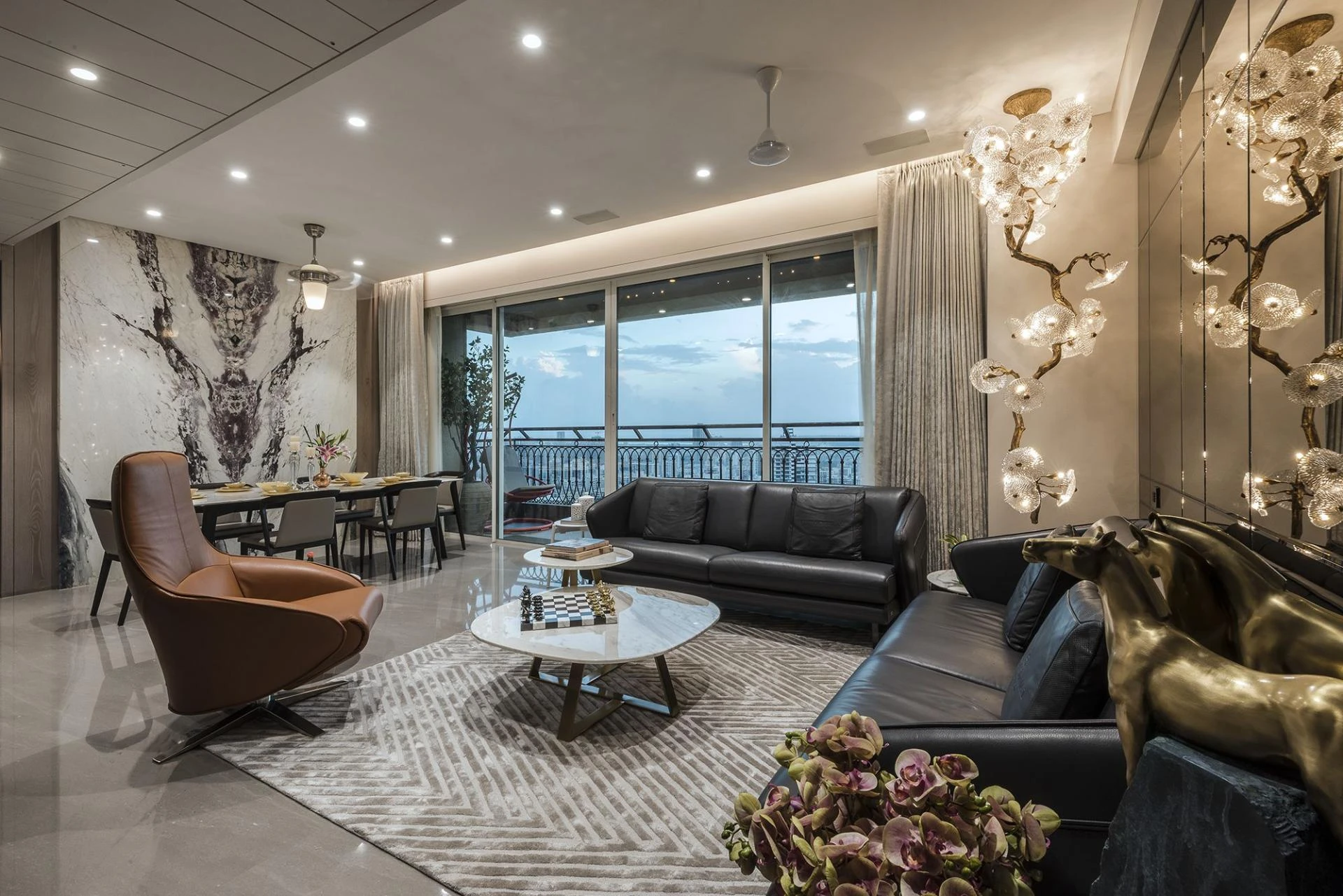
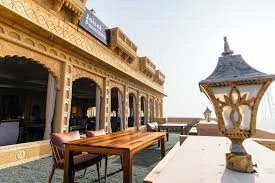
When travelers step into a luxury hotel room, the first impression is often one of awe and tranquility. Every element — from the texture of the linens to the gleam of the lighting fixtures — contributes to an atmosphere of comfort, elegance, and sophistication. But behind this seamless experience lies an intricate process of design, planning, and execution. The interiors of luxury hotel rooms are a blend of art, architecture, psychology, and hospitality, where every detail serves a purpose: to make guests feel special.
In this article, we’ll explore how interiors are designed in luxury hotel rooms, what makes them stand out, and how properties like the Jaisal Pavilion Rooms in Jaisalmer exemplify the art of creating spaces that embody both local charm and world-class comfort.
1. The Concept: Setting the Tone for Luxury
Designing the interiors of luxury hotel rooms begins with a concept. The concept forms the foundation — a story that guides every design decision. For example, in heritage cities like Jaisalmer, the design often draws inspiration from the region’s cultural legacy, traditional craftsmanship, and natural surroundings.
Architects and interior designers first define what “luxury” means for the property. Is it a contemporary, minimalist aesthetic with clean lines and muted tones, or a royal, opulent theme with rich fabrics, carvings, and gold accents? The concept determines color palettes, furniture styles, lighting tones, and even the selection of artwork.
Luxury doesn’t just mean extravagance; it means creating a sense of belonging while offering unmatched comfort. That’s why every successful design begins with a deep understanding of the target guest — their lifestyle, expectations, and aspirations.
2. Blending Aesthetics with Functionality
A truly luxurious hotel room is as functional as it is beautiful. Designers carefully plan the layout to maximize comfort and convenience. The placement of the bed, the position of the windows, the flow between the sleeping and sitting areas — every decision enhances usability without compromising aesthetics.
In modern luxury rooms, ergonomics and technology play key roles. Guests expect effortless control over lighting, temperature, and entertainment systems, all integrated into sleek, user-friendly designs. Hidden panels, touch sensors, and automated curtains are increasingly common features.
Meanwhile, designers ensure that materials and finishes not only look elegant but are durable and easy to maintain. This blend of visual appeal and practicality defines true luxury — it’s beautiful, but it also works perfectly.
3. The Power of Local Inspiration
One hallmark of great luxury hotel interiors is a sense of place. The best hotels weave local culture, materials, and artistry into their designs, creating an authentic connection between the guest and the destination.
Take, for example, the Deluxe Rooms in Jaisalmer. Their interiors reflect the golden hues of the Thar Desert, using sandstone textures, traditional motifs, and handcrafted decor to evoke the spirit of Rajasthan. This approach transforms the stay from mere accommodation into an immersive cultural experience.
Using locally sourced materials and regional craftsmanship not only supports the community but also enhances the property’s uniqueness. Guests appreciate the authenticity — the feeling that they are part of a living story rather than a generic hotel environment.
4. Lighting: The Mood Setter
Lighting is one of the most critical elements in luxury hotel design. It defines mood, highlights architecture, and guides the guest’s emotions. The layering of light — ambient, task, and accent — allows designers to create dynamic spaces that change with time and mood.
Soft, warm lighting creates a sense of relaxation, while accent lighting highlights artwork or architectural details. In some rooms, designers use concealed LED strips or custom chandeliers to add a touch of glamour.
In desert destinations like Jaisalmer, natural light plays an equally vital role. Large windows or jharokhas invite sunlight to dance on warm-toned walls, giving the room a radiant glow. This thoughtful interplay of light and shadow enhances the luxurious feel while maintaining an organic connection to the outdoors.
5. The Psychology of Color and Texture
Colors and textures have a profound impact on how guests perceive comfort and luxury. In luxury interiors, color palettes are chosen to evoke serenity and indulgence. Soft neutrals, rich jewel tones, or metallic accents may dominate depending on the theme.
Textures — from smooth marble to plush velvet — add depth and tactile pleasure. High-thread-count linens, handwoven rugs, and silk draperies create sensory layers that invite relaxation. These details, though subtle, define the emotional quality of a room.
The Suite Rooms in Jaisalmer perfectly capture this philosophy. Their interiors blend regal colors with soft fabrics, polished wood, and intricate carvings, offering guests a tactile and visual symphony that feels both comforting and royal.
6. Art, Accents, and Personality
Art transforms a hotel room from a living space into a story. Whether it’s a hand-painted mural, a traditional tapestry, or a minimalist sculpture, artwork gives character and individuality to interiors.
Luxury hotel designers often collaborate with local artists to curate unique collections that resonate with the destination’s heritage. In Jaisalmer, murals depicting desert life or Rajputana architecture often adorn the walls, offering guests a glimpse into Rajasthan’s cultural grandeur.
Accent pieces such as ornate mirrors, antique lamps, or modern art prints further define the room’s personality. The goal is to create a cohesive yet distinctive visual language that tells a story and leaves a lasting impression.
7. Space, Scale, and Flow
Luxury is often associated with spaciousness. Even in smaller rooms, clever design can create an illusion of expansiveness. Designers use mirrors, high ceilings, and open layouts to enhance the sense of space.
The flow of movement is also carefully considered. Guests should be able to move intuitively — from the entryway to the wardrobe, from the bed to the bathroom — without feeling cramped or disoriented. A seamless flow makes the experience effortless and refined.
The Luxury Accommodation in Jaisalmer exemplifies this principle. Its rooms are designed with thoughtful spatial arrangements that balance openness and intimacy, ensuring both privacy and ease of movement.
8. The Role of Comfort and Customization
Luxury hotel interiors prioritize comfort above all. Every touchpoint — the mattress, the pillow, the seating, even the bath fixtures — is chosen to deliver the highest quality of rest and rejuvenation.
Customization enhances this comfort. Personalized touches such as adjustable lighting, curated mini-bars, and tailored bedding options make guests feel valued. Many high-end hotels now use scent design — diffusing subtle fragrances that complement the room’s aesthetic — to add another layer of sensory pleasure.
Ultimately, the goal is to make guests forget the mechanics of comfort and simply feel pampered.
9. Sustainability in Luxury Design
Modern luxury design is not just about indulgence; it’s also about responsibility. Today’s travelers appreciate eco-conscious hotels that combine elegance with sustainability. Designers are increasingly using renewable materials, energy-efficient lighting, and smart climate control systems.
In desert regions like Jaisalmer, sustainable design often includes natural cooling techniques, solar energy utilization, and locally sourced materials that reduce carbon footprints. These green practices align with global luxury trends while preserving the region’s natural beauty.
10. The Final Touch: Creating an Experience
The ultimate goal of luxury hotel interior design is not merely to impress but to create an unforgettable experience. Every design choice — from the curve of a headboard to the scent in the lobby — contributes to a carefully orchestrated atmosphere of well-being.
A well-designed room feels like a world of its own — intimate, inspiring, and restorative. It makes guests want to linger, to return, and to remember. This emotional connection is what sets true luxury apart from ordinary hospitality.
In Conclusion
Designing the interiors of luxury hotel rooms is both an art and a science. It’s about creating spaces that transcend function, evoke emotion, and tell a story.
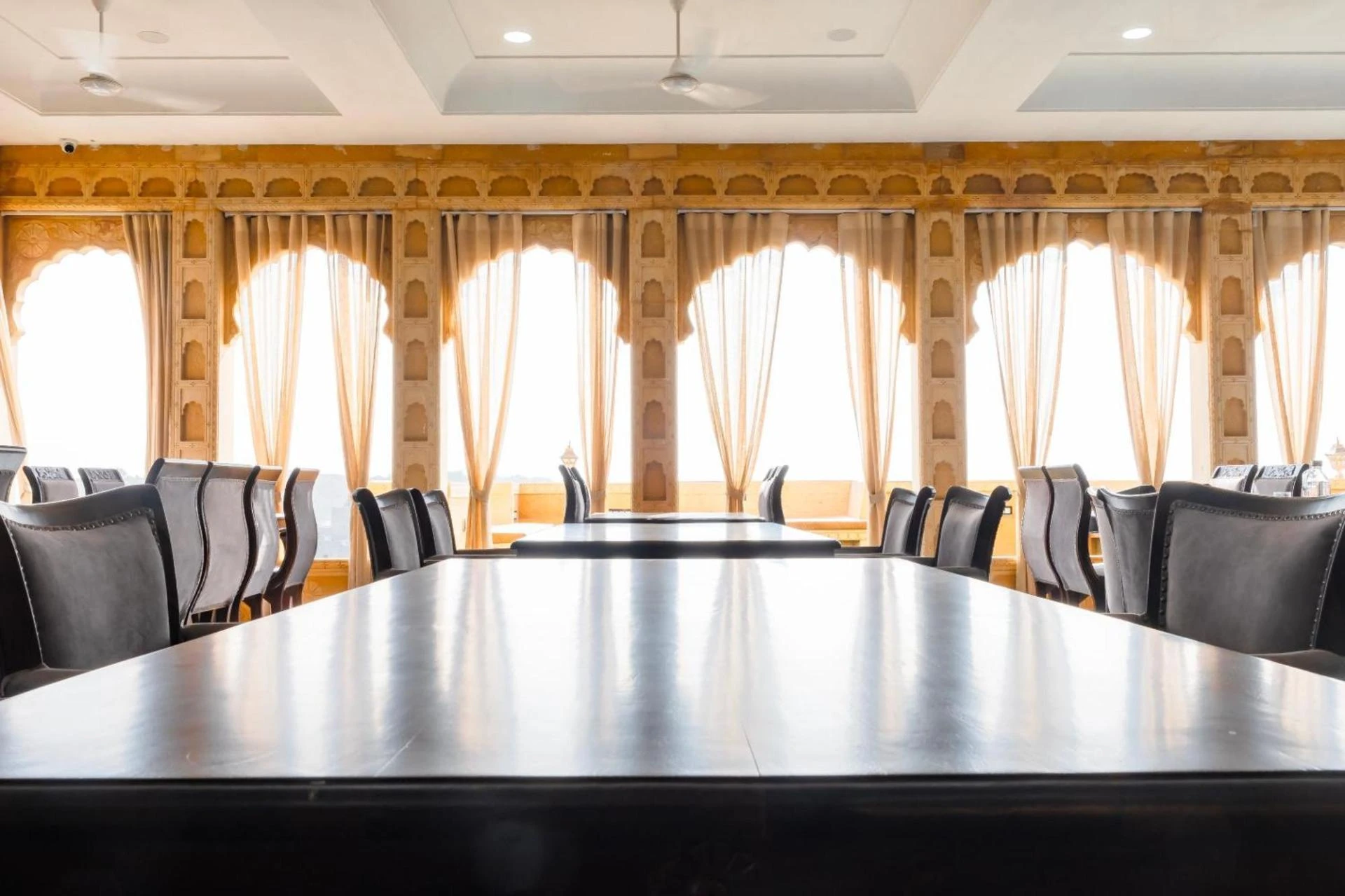
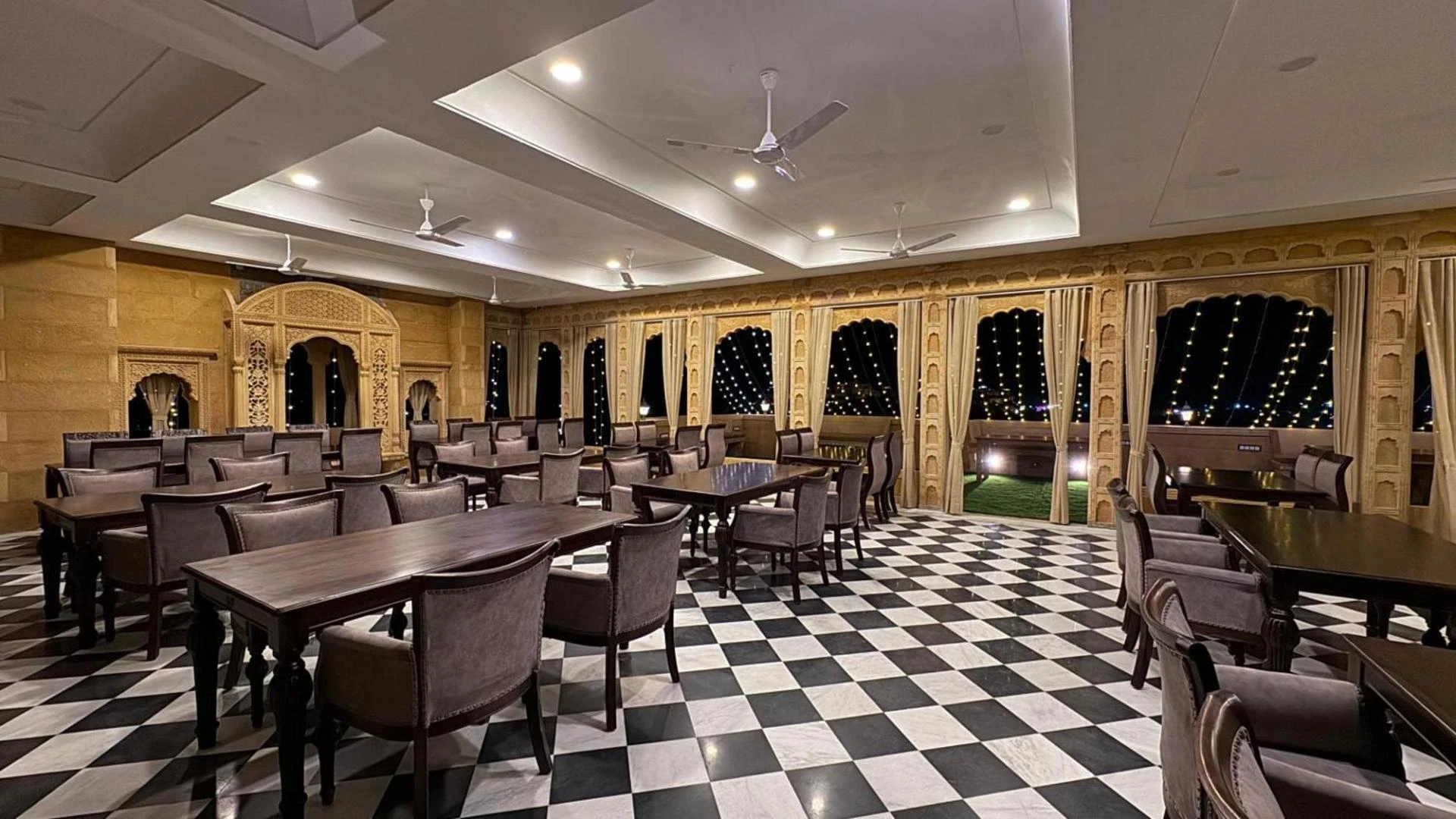






























Sign in to leave a comment.