
In the last decade, technology has revolutionized how we learn—but it’s artificial intelligence that’s truly reshaping the future of education. From personalized learning paths to intelligent tutoring systems and predictive analytics, AI is creating smarter, more inclusive, and scalable education solutions. At the heart of this transformation are artificial intelligence developers—the individuals building the tools that make next-generation learning possible.
Today, education isn’t just happening in classrooms; it’s occurring across devices, platforms, and geographies. And as learning becomes more data-driven, the demand for developers who can turn that data into insight, engagement, and impact has never been greater.
Let’s explore how artificial intelligence developers are shaping the digital classrooms of today—and the intelligent education systems of tomorrow.
Why Education Needs AI More Than Ever
Global education systems face multiple challenges: limited resources, uneven access, standardized instruction that doesn’t suit every learner, and outdated assessment models. AI offers a way forward, enabling:
- Personalized learning experiences
- Real-time performance monitoring
- Smart content creation
- Automated administrative tasks
- Language and accessibility enhancements
But behind every AI-enabled education tool is a team of experts—most crucially, artificial intelligence developers—who design and deploy the models making all this possible.
Personalized Learning: A Student-Centric Approach
Every learner is different—yet most traditional education systems treat them the same. AI is changing that.
AI Developer’s Role:
- Build algorithms that adapt learning content based on user behavior
- Integrate models that analyze performance, learning speed, and engagement
- Create feedback loops that optimize lessons in real-time
For example, an AI-driven math platform might detect that a student struggles with fractions and dynamically adjust lessons to revisit foundational concepts. Such personalization—enabled by artificial intelligence developers—can boost retention, motivation, and confidence.
Smart Tutors and Virtual Assistants
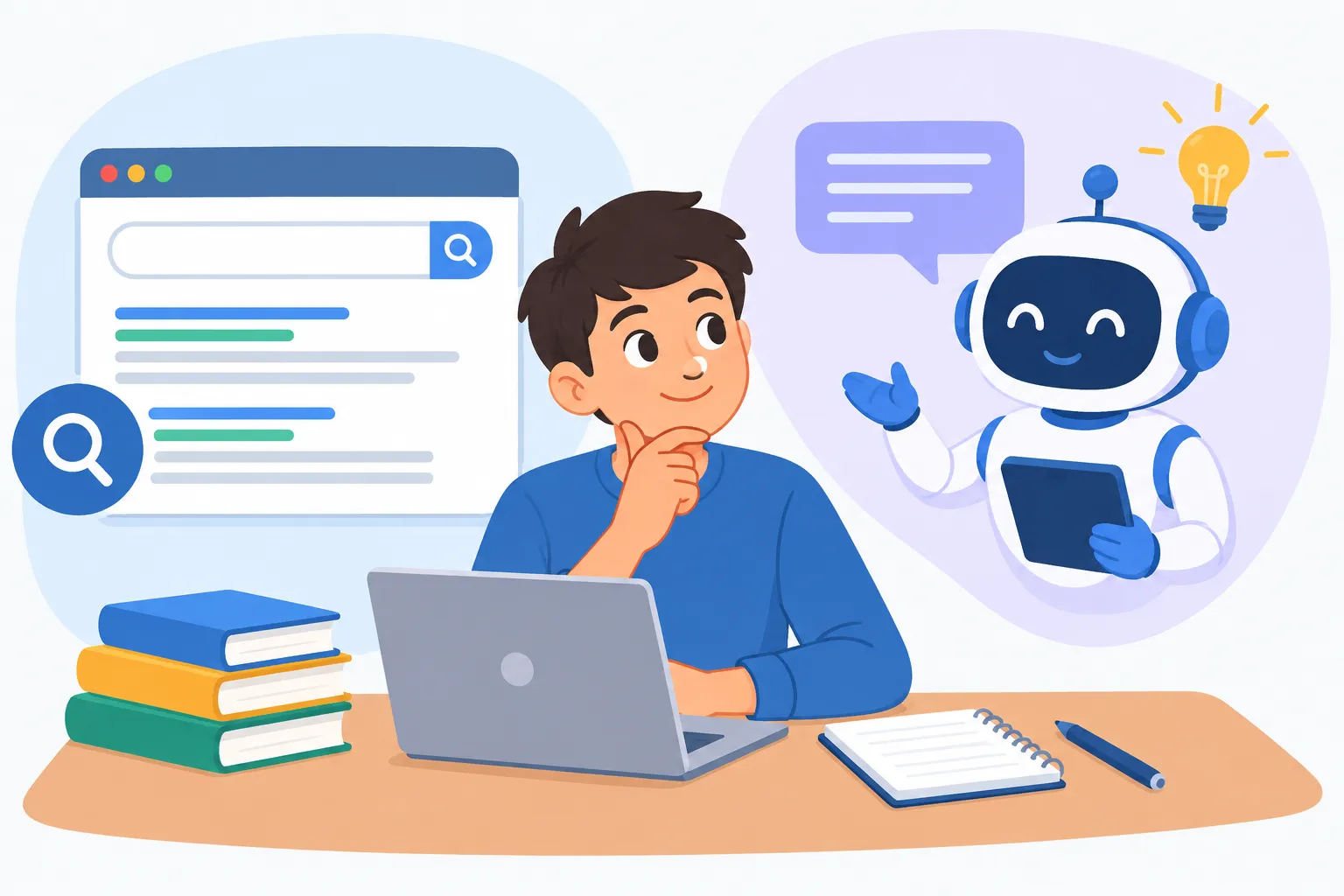
AI-powered tutors are not just futuristic ideas—they’re in use today. Virtual teaching assistants can explain concepts, quiz students, and offer real-time feedback.
Developer Contribution:
- Use NLP (Natural Language Processing) to interpret student queries
- Implement voice and text interfaces for accessibility
- Connect bots to vast educational databases
These assistants don’t replace teachers—they enhance them, allowing educators to focus on more meaningful student interactions.
Predictive Analytics in Student Performance
Educational institutions are turning to AI to identify at-risk students before it’s too late.
AI Developers Create Systems That:
- Aggregate data from assignments, attendance, and participation
- Use classification models to predict dropouts or failures
- Visualize insights for teachers and administrators
Early intervention becomes possible, allowing schools to offer support precisely when it’s needed most.
Automating Administrative Workflows
AI is not just transforming learning—it’s streamlining the operations that support it.
How Developers Help:
- Build tools for grading essays using NLP
- Create scheduling and enrollment automation systems
- Design AI chatbots for answering admissions questions
By eliminating repetitive tasks, institutions can focus more on pedagogy and student welfare.
Enhancing Accessibility with AI
AI is making learning more inclusive than ever.
- Speech-to-text for students with hearing impairments
- Text-to-speech for visually impaired learners
- Language translation for multilingual classrooms
Artificial intelligence developers play a critical role in integrating these features into mainstream platforms, ensuring that all learners benefit equally from digital education.
Real-World AI in Education: Case Studies
Duolingo
This popular language-learning app uses AI to tailor lessons, predict where learners will struggle, and adjust content accordingly. Their success is driven by in-house artificial intelligence developers who continuously refine learning algorithms.
Carnegie Learning
A leader in adaptive math platforms, Carnegie uses AI to analyze each keystroke and determine student understanding in real-time.
Knewton (now part of Wiley)
They pioneered adaptive learning engines, with developers behind the scenes optimizing for both performance and pedagogy.
These tools are not only revolutionizing learning outcomes—they’re proving the immense value of investing in AI expertise.
The Future of EdTech Belongs to Developers
As education continues to digitize, the demand for skilled AI talent will skyrocket. Top EdTech startups and academic institutions alike are seeking:
- Developers who understand machine learning in the context of education
- Engineers who can build scalable platforms to support thousands or millions of learners
- Creators who prioritize ethics, fairness, and inclusivity in learning algorithms
Hiring qualified artificial intelligence developers ensures your educational technology is not just functional—it’s impactful.
Ethical Considerations in AI-Powered Learning
AI in education raises critical questions:
- Are models reinforcing bias in grading or recommendations?
- Is student data being handled securely and ethically?
- Do AI systems align with teaching philosophies?
Developers play a central role in addressing these questions—building transparency, fairness, and privacy into the systems from day one.
Final Thoughts
Artificial intelligence is opening the door to a new era in education—one where learning is adaptive, inclusive, and available to all. But this transformation doesn’t happen on its own. It requires the vision and expertise of artificial intelligence developers who understand not just the code, but the classroom.
Whether you’re building a global EdTech platform or enhancing learning at a local level, the right developers are key to unlocking the full potential of AI.
It’s time to build a smarter, more equitable future for learners everywhere—starting with the talent that powers it.


























Sign in to leave a comment.