
Augmented Reality Companies are changing business operations by transforming customer engagement methods and innovation processes. Organizations now use AR technology to develop interactive, practical experiences because they no longer depend on traditional digital tools. The technology enables businesses to combine digital content with physical environments, which simplifies product demonstrations, employee training, and process optimization. As competition increases across industries, companies are using advanced methods to differentiate themselves and provide customer benefits. This is where AR plays a strong role. In this blog, we will explore how Augmented Reality Companies support business innovation and help organizations grow in a fast-changing digital environment.
What is Augmented Reality in Business?
Businesses use augmented reality technology to overlay digital components, which include images, data, and animations, onto actual environments. AR provides a better solution for business operations because it adds digital elements to real-world environments. Businesses implement AR technology to enhance customer service and employee training, and business operations. The system enables users to see products while they access current data and interact with virtual content in actual locations. Organizations from different sectors use AR technology because it helps them achieve better efficiency, higher customer engagement, and improved business results.
How Augmented Reality Companies Improves Customer Experience
This section highlights how AR improves customer interaction.
Product Preview
Businesses use augmented reality services to show products in real environments before purchase. Customers who use this system to understand products better make their decisions more quickly. This process decreases return rates while it increases customer satisfaction.
Virtual Try-On
An augmented reality company develops digital product testing tools that enable users to experience products remotely. The system allows customers to evaluate different products right away without needing to go to physical retail locations. The process results in higher customer interaction, which leads to increased sales.
Personalized Experience
Augmented Reality Companies create customized experiences by using user-specific data. Customers receive content displays that match their specific needs and personal interests. The outcome leads to better user engagement, which establishes customer loyalty.
Better Decision Making
The augmented reality application delivers immediate product information to users. Customers can compare features easily and choose confidently. This system improves the entire shopping process.
In-Store Navigation
Augmented Reality Companies help customers navigate large stores easily. Users can find products quickly through AR directions. This new system makes shopping easier while improving overall efficiency.
Why Businesses Are Choosing Augmented Reality
Augmented Reality Companies help companies implement improved interactive solutions that enhance their operational effectiveness. Organizations are adopting AR technology because it enables them to create superior user experiences while optimizing their operational workflows. The companies develop tailored solutions that meet both the specific business requirements and the particular industry standards of their clients. The augmented reality technology enables organizations to operate without physical materials, which results in both time and cost savings. Businesses adopt AR technology to maintain their competitive edge while developing new products and services. Organizations use Augmented Reality Companies to discover new business possibilities while expanding their operations.
How AR Helps in Daily Business Operations
This section focuses on internal workflows.
Employee Training
Augmented Reality Companies create training tools that provide real-time guidance to users. Employees learn faster through visual instructions. The method increases accuracy while decreasing the duration of training.
Process Support
The augmented reality application delivers real-time task data to users. Workers access information instantly while working. The system helps to decrease mistakes while increasing work efficiency.
Remote Assistance
Augmented Reality Companies enable experts to guide teams remotely. Virtual presence allows employees to receive assistance. The solution eliminates expenses related to travel and time requirements.
Error Reduction
The augmented reality company provides instant mistake identification. The workers execute their tasks according to precise step-by-step guidelines. The process results in better operational efficiency improvements.
How Businesses Use Augmented Reality in Marketing
This section explains how AR improves marketing.
Interactive Ads
Businesses use augmented reality services to create interactive marketing campaigns. Users engage with content through active participation instead of passive viewing. This leads to improved brand recognition.
Brand Storytelling
The augmented reality company creates immersive storytelling experiences for brands. Businesses establish stronger customer connections through their experiential offerings. This process establishes trust between parties, which leads to building customer loyalty.
Social Media Filters
Augmented Reality Companies design AR filters for platforms. Users engage with brands through enjoyable and innovative methods. This practice increases both visibility and reach.
Product Launch Campaigns
Augmented reality application have become a part of product launches, allowing businesses to showcase their goods in interactive formats with greater attention to draw and engagement.
Gamified Marketing
Augmented Reality Companies develop interactive user experiences that function like video games. Customers interact more with brands through rewards and challenges. This leads to improved customer engagement and customer retention.
Where Augmented Reality is Used in Real Life
This section shows key use cases:
Retail
Augmented Reality Companies improve shopping experiences because their technology enables customers to see products before they make purchases. This process helps customers gain product knowledge, which results in improved confidence and increased sales.
Healthcare
The augmented reality application enables doctors to conduct medical training while performing patient diagnoses. Doctors can see real-time data during procedures. This diagnostic method establishes greater accuracy, which results in better healthcare outcomes for patients.
Education
Augmented Reality Companies create interactive learning tools that enable students to learn through visual experiences that help them better understand concepts. The approach leads to better student engagement and retention of information.
Manufacturing
An augmented reality company assists with assembly and maintenance operations. The workers receive immediate instructions and assistance during their tasks. This process helps to increase operational efficiency while decreasing equipment downtime.
Real Estate
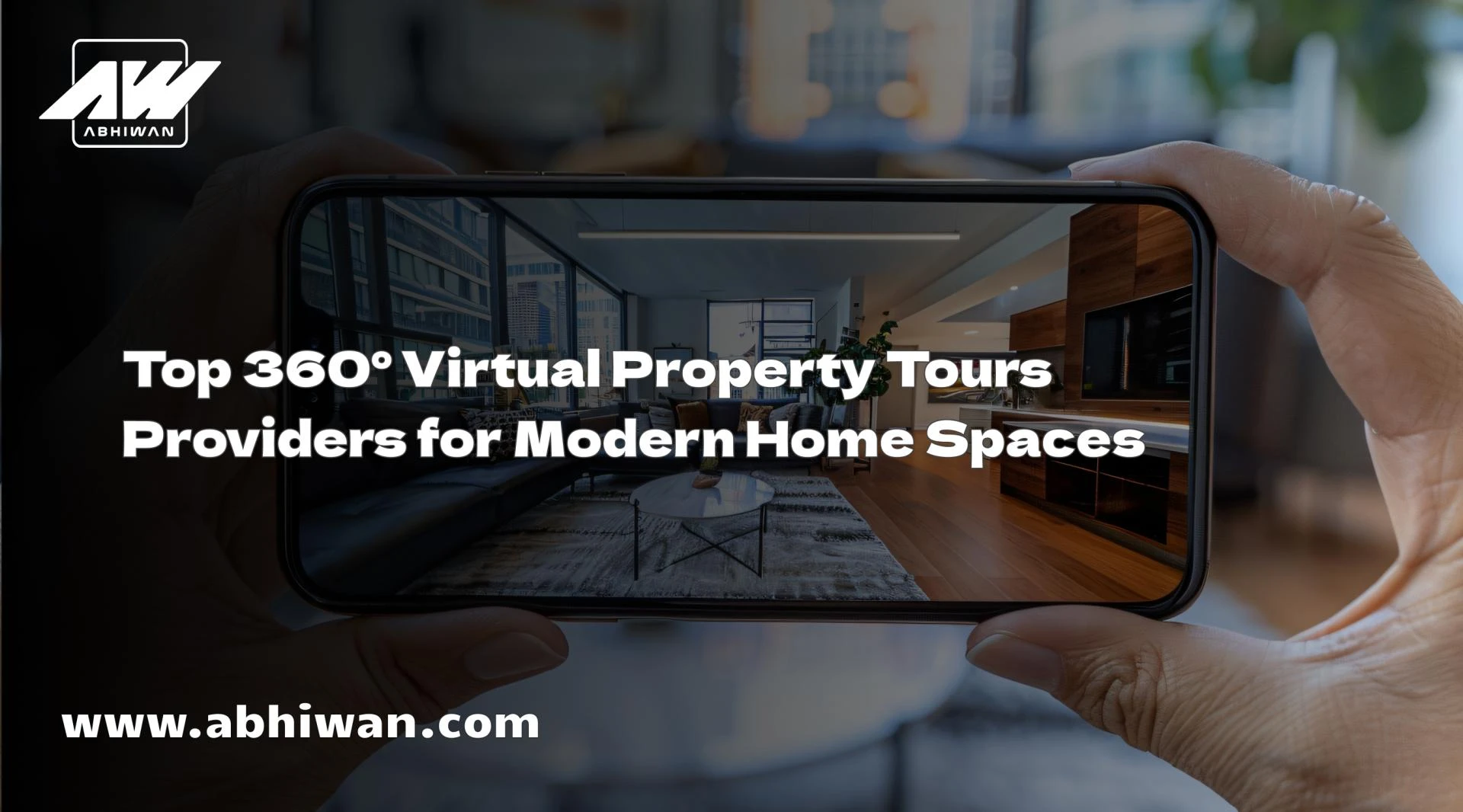
Augmented Reality Companies enable users to experience virtual properties through their systems. Buyers have the ability to explore spaces while remaining in their current location. The process enhances decision-making speed and increases sales efficiency.
Latest Trends in Augmented Reality
Recent industry insights from 2025 show that augmented reality services are growing rapidly, especially in retail and healthcare. Many global brands are investing in AR tools to improve customer experience and reduce operational costs. Online retailers use AR technology to let customers see products before they buy, which reduces product returns. Healthcare providers use AR technology for both advanced training and treatment planning purposes. Businesses are entering a period where they are increasingly adopting immersive technologies, according to current market trends. The demand for Augmented Reality Companies will drive the development of new industrial practices and business methods.
What are the main types of AR?
There are different types of augmented reality used across industries. Marker-based AR uses images to trigger digital content. Markerless AR works with GPS and sensors. Projection-based AR displays visuals onto surfaces. Superimposition AR replaces real objects with digital versions. Location-based AR is widely used in apps and games. Businesses can select appropriate solutions because each type offers distinct functions.
Where is AR mostly used?
Augmented reality technology is widely applied throughout the sectors of retail, healthcare, education, and manufacturing. It enhances product visualization for customers in retail stores. Healthcare uses augmented reality to train medical professionals and conduct medical procedures. Educational institutions use interactive learning tools to enhance their teaching methods. In manufacturing, augmented reality technology enables workers to perform maintenance tasks and assemble products. The various sectors that utilize augmented reality technology demonstrate its ability to adapt to different business needs.
Final Thoughts
Augmented Reality Companies help businesses develop practical solutions that create greater impact for their operations. Their interactive solutions enhance customer experience while making operational tasks easier and creating more appealing marketing methods. The development of industries has made AR essential for daily business operations, which functions as an advanced technology. Companies that adopt AR technology gain the ability to meet customer demands while remaining competitive in fast-changing marketplaces. AR technology enables organizations to make better decisions through its capability to deliver immediate information and visual data representation. The increasing demand for Augmented Reality Companies will become essential for establishing new business models, which will drive sustainable growth throughout different industry sectors.
























Sign in to leave a comment.