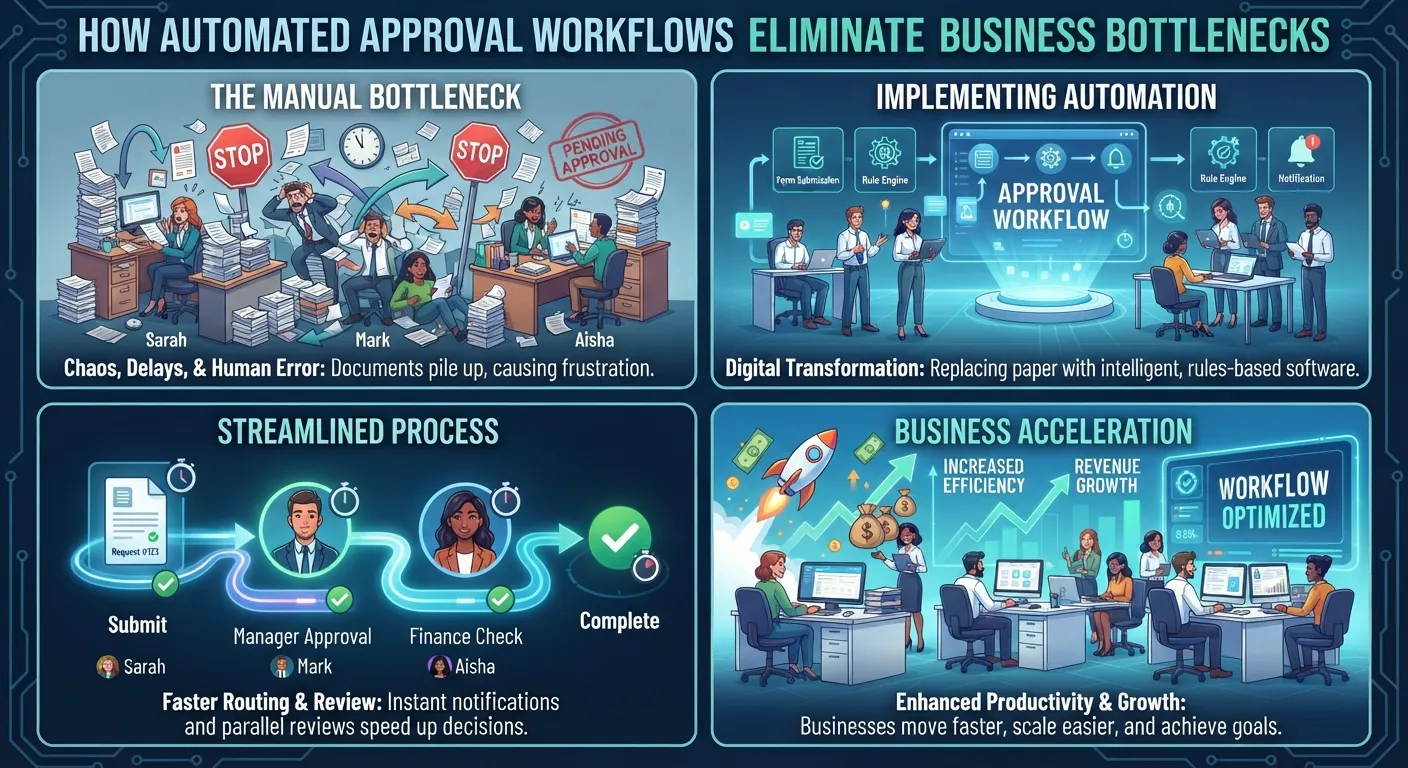

Approvals are present across almost every organization. Expenses, contracts, purchases, employee requests, access permissions, and operational decisions often require multiple people to review information. When these processes rely on email and manual follow-ups, delays can quickly develop. Automated approval workflows can create more structured and transparent processes.
Why Manual Approvals Create Delays
A request sent through email can easily become buried among other messages.
Employees may not know who is responsible for the next step, while managers may receive incomplete information.
Manual processes also make it difficult to monitor how long a request has been waiting.
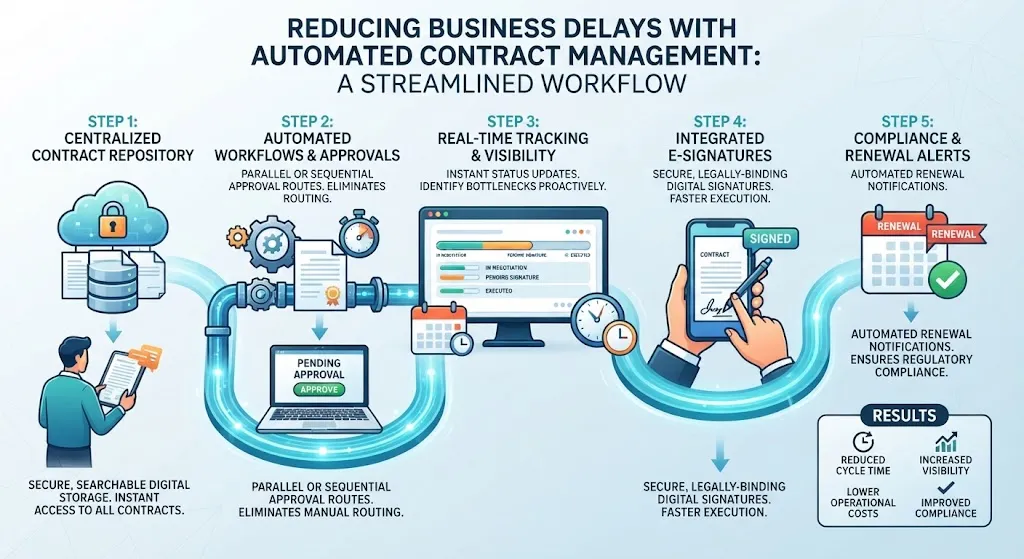
Automation can route requests according to predefined rules and provide visibility throughout the process.
Creating Rules-Based Approval Paths
Organizations can establish approval rules based on department, cost, request type, employee role, or other conditions.
For example, a low-value expense might require one approval, while a large purchase could automatically move to senior management.
Using business process automation, companies can standardize these paths and reduce unnecessary coordination.
Improving Accountability
Automated approval systems can record when requests are submitted, reviewed, approved, rejected, or escalated.
This creates a clear operational history.
Managers can also identify outstanding requests without searching through email conversations.
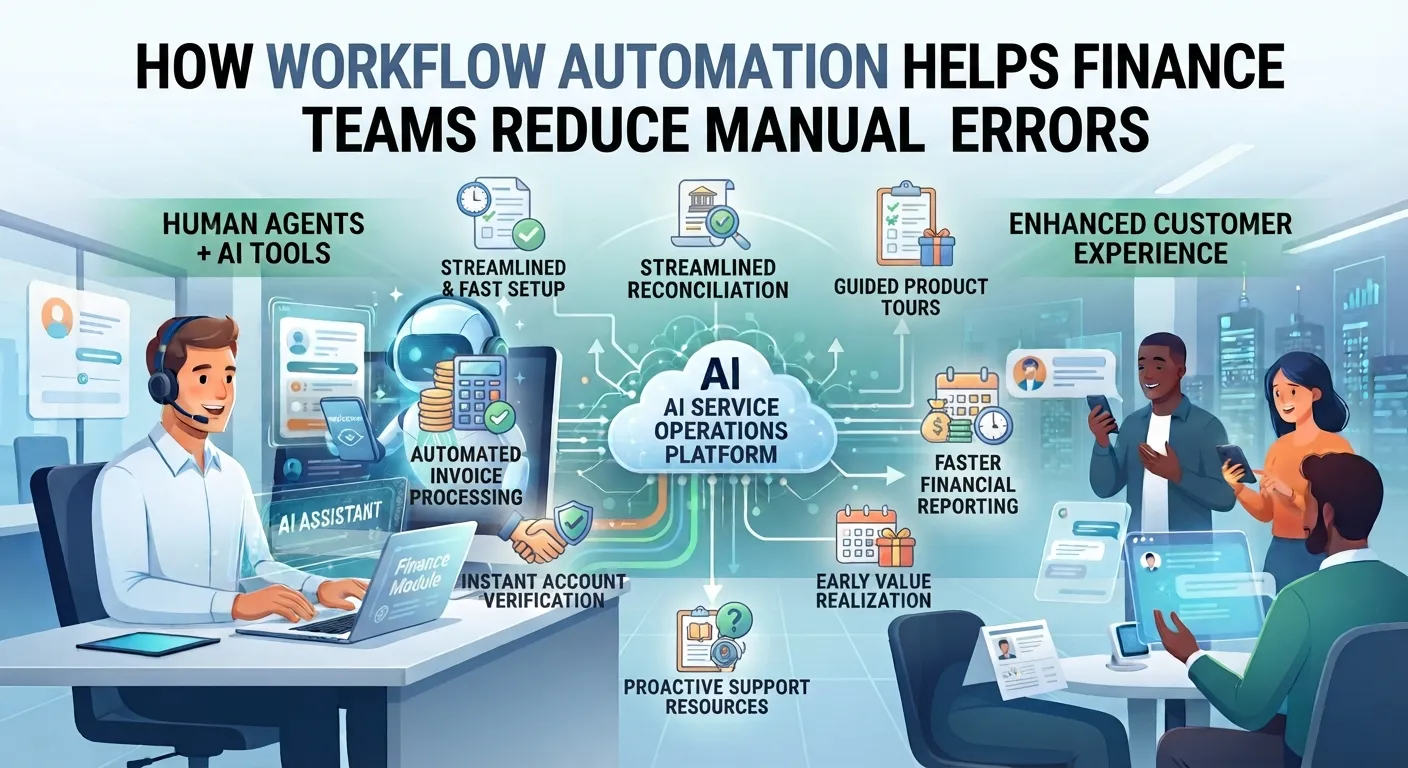
Organizations can use workflow automation services to connect approval processes with finance, procurement, HR, and other systems.
Making Decisions Faster
Automated notifications can alert the appropriate decision-maker immediately.
Escalation rules can notify another person when a request remains unattended.
The technology manages routing and reminders while authorized employees remain responsible for important decisions.
This combination can improve speed without removing human oversight.
Designing Better Approval Processes
Automation should not simply reproduce an inefficient manual process.
Businesses should first identify duplicate approvals, unclear responsibilities, unnecessary steps, and missing information.
A properly designed automated business workflow should make the process easier for everyone involved.
When approval systems are designed around clear rules and business requirements, organizations can reduce delays, improve accountability, and create more predictable operations.


























Sign in to leave a comment.