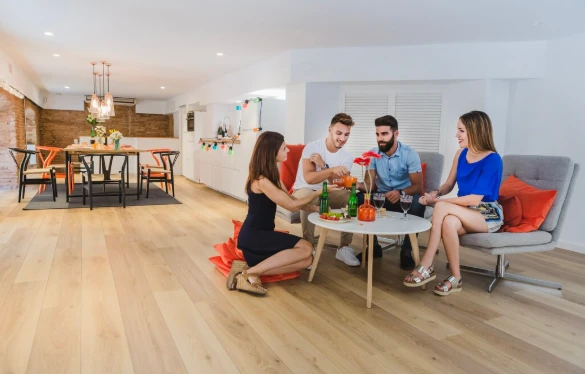

Many homeowners pass their basement every day without realizing the potential living space sitting right below their main floor. What often becomes a storage area for seasonal items or unused furniture could actually be transformed into one of the most functional areas in the house. Basement finishing helps unlock this hidden square footage while improving daily comfort and home value.
In this guide, you will learn how finishing a basement increases living space, improves property value, and creates flexible rooms that support modern lifestyles, insights that professional contractors like UPSCALE CONSTRUCTION INC apply when helping homeowners turn unused basements into comfortable, functional living areas.
Why Basement Finishing Matters for Modern Homes
Basements were originally designed to house mechanical systems and provide basic storage. Today, however, homeowners increasingly treat them as an extension of the home’s living area. Instead of leaving this large portion of the house underused, finishing the basement allows homeowners to convert it into a comfortable, practical space.
With the right planning, a basement can support many of the activities that usually compete for space on the main floors of the home.
Key Reasons Homeowners Finish Their Basements
- Increase usable square footage without building an addition.
- Improve comfort and everyday functionality.
- Boost overall property value.
- Create flexible space for work, entertainment, or guests.
Remodeling research shows that finishing a basement can return around 70–75% of renovation costs, making it one of the most financially practical home improvement projects.
How Basement Finishing Expands Your Living Space
Finishing a basement effectively adds another level of livable space to your home. Many residential basements contain hundreds of square feet that remain largely unused, even though the structural foundation already exists. When properly renovated, this area becomes just as comfortable and functional as the rest of the house.
Common Rooms Created in Finished Basements
A finished basement can support a wide range of living functions. Popular room ideas include family recreation rooms or entertainment areas, guest bedrooms or private suites, home offices for remote work, fitness rooms or home gyms, and children’s playrooms. These spaces allow families to spread out and use their home more efficiently without expanding the building footprint.
Property Value Benefits of a Finished Basement
One of the biggest advantages of basement finishing is the potential increase in property value. Real estate professionals frequently report that buyers prefer homes with additional usable space, especially when that space is already renovated. Depending on design quality and local housing markets, finished basements may increase home value by 10–20%.
Why Buyers See Finished Basements as Valuable
Additional living space gives future homeowners flexibility without requiring further renovation. Several features make finished basements appealing in real estate listings:
- Extra living areas for families or entertaining
- Private guest accommodations
- Flexible rooms for offices, hobbies, or recreation
- Greater overall functional square footage
Even when basement space is valued differently from above-ground living space in appraisals, it still contributes significantly to a home’s overall appeal.
Functional Design Ideas for Finished Basements
Design plays a critical role in turning a basement into a comfortable living area. Lighting, layout planning, and moisture control all influence how welcoming the space feels. Many homeowners choose layouts that allow the basement to support multiple functions.
Smart Basement Layout Concepts
Some effective design approaches include open recreation spaces that combine entertainment and relaxation, private guest suites with bedrooms and bathrooms, dedicated work-from-home offices with built-in storage, and media or theater rooms designed for sound control. These flexible designs allow the basement to evolve as the household’s needs change.
Basement Finishing vs Home Additions
When homeowners want to increase living space, they often consider either finishing the basement or building an addition. While both approaches expand usable space, basement finishing is usually more affordable because the structure already exists.
Comparison of Basement Finishing vs Home Additions
| Feature | Basement Finishing | Home Addition |
| Construction Cost | Lower overall cost | Higher due to the new structure |
| Timeline | Shorter renovation process | Longer build timeline |
| Structural Work | Uses existing foundation | Requires a new foundation |
| ROI Potential | Around 70–75% | Varies widely |
| Space Efficiency | Maximizes current footprint | Expands beyond the house |
As the foundation and framing are already in place, finishing a basement avoids many of the expenses associated with major structural expansion.
Additional Benefits Beyond Living Space
Basement renovations offer several advantages that go beyond simply adding rooms. Improving insulation and waterproofing can enhance comfort throughout the entire home while protecting the structure from moisture issues. Finished basements also improve overall organization by allowing homeowners to integrate smart storage solutions that keep main living areas clutter-free.
Additional Advantages of Basement Renovation
- Better insulation and temperature stability
- Increased storage opportunities
- Potential rental or guest accommodation space
In some regions, homeowners even convert finished basements into small rental suites, creating a potential secondary income stream.
Important Considerations Before Finishing a Basement
Although basement finishing provides many benefits, proper planning is essential before beginning a renovation project. Structural conditions, moisture levels, and building codes must all be evaluated. A well-planned basement renovation ensures the space remains safe, comfortable, and compliant with local regulations.
Key Planning Factors
- Adequate ceiling height for a comfortable living space.
- Waterproofing and moisture protection.
- Proper insulation and ventilation systems.
- Emergency egress windows if bedrooms are included.
Addressing these factors early in the planning stage prevents costly adjustments later in the renovation process.
How Basement Finishing Supports Long-Term Home Use
A finished basement is one of the most adaptable areas of a home. What begins as a playroom or recreation space may later become a home office, a guest suite, or even a private living area for family members. This flexibility makes basement finishing a valuable long-term investment. Instead of limiting the home’s functionality, the renovation expands its potential for many different uses over time.
Final Thoughts
Basement finishing is one of the most effective ways to increase living space without expanding a home’s physical footprint. By turning unused square footage into functional rooms, homeowners gain greater comfort, flexibility, and property value. Finished basements can support entertainment spaces, guest accommodations, work areas, and more, making them highly desirable in today’s housing market.
When designed and constructed properly, basement renovations provide both lifestyle improvements and strong financial returns. Homeowners looking to unlock the hidden potential within their property can transform unused basement space into one of the most valuable areas of their home with the professional expertise of builders like UPSCALE CONSTRUCTION INC.
FAQs
- Does finishing a basement increase usable living space?
Yes. Finishing a basement converts unused square footage into functional living areas such as offices, recreation rooms, or guest suites.
- How much value can a finished basement add to a home?
Depending on the renovation quality and housing market, a finished basement may increase property value by roughly 10–20%.
- Is finishing a basement cheaper than building an addition?
Yes. Basement finishing is typically more affordable because it uses the existing foundation and structural framework.
- What rooms are most common in finished basements?
Popular options include entertainment rooms, home offices, guest bedrooms, gyms, and play areas.
- Do basement renovations require building permits?
Most local municipalities require permits to ensure basement renovations meet safety regulations and building codes.



























Sign in to leave a comment.