

Building or remodeling a home is an exciting project, but it also requires patience and planning. Many homeowners begin construction projects without fully understanding how long the process can take. From design and permits to construction and finishing work, several stages must be completed before a home is ready.
The timeline for building or remodeling a home varies depending on the size of the project, design complexity, contractor availability, and weather conditions. A new home build can take several months, while remodeling projects may take weeks or months, depending on the scope of work.
Understanding the full timeline helps homeowners prepare for each stage and avoid unnecessary stress during construction.
Planning and Design Stage
Every successful construction project begins with planning. Before any work begins on the property, homeowners must decide what they want to build or remodel and how the space will function.
This stage often includes meetings with architects, designers, and contractors to develop a detailed plan.
What Happens During the Planning Phase
Several important tasks are completed before construction begins.
• discussing goals and budget for the project
• creating architectural designs and floor plans
• selecting materials and design features
• reviewing structural requirements
• choosing contractors and construction teams
This stage typically takes several weeks, depending on the complexity of the project.
Obtaining Permits and Approvals
After the design is finalized, the next step is obtaining the necessary permits. Local authorities require permits to ensure construction follows safety standards and building regulations.
Permit approval times vary depending on the location and the type of construction work being done.
Common Approvals Required
Before construction begins, several permits may be required.
• building permits for structural work
• electrical permits for wiring systems
• plumbing permits for water systems
• zoning approvals for property usage
Permit approval can take anywhere from a few weeks to a couple of months, depending on local regulations.
Building the Foundation
The foundation is one of the most important structural components of a home. It supports the entire structure and ensures long-term stability.
Different types of foundations may be used depending on soil conditions and design requirements.
Types of Foundations Used in Homes
Builders commonly use several types of foundations.
• concrete slab foundations
• crawl space foundations
• basement foundations
Foundation construction can take several weeks, including curing time for the concrete.
Home Construction Timeline Overview
The following table shows a simplified timeline for building or remodeling a home.
| Construction Stage | Estimated Time | Purpose |
| Planning and Design | 2 to 8 weeks | Create layout and project plans |
| Permits and Approvals | 2 to 6 weeks | Ensure legal compliance |
| Site Preparation | 1 to 3 weeks | Prepare land or demolition |
| Framing and Structure | 3 to 6 weeks | Build a house structure |
| Systems Installation | 2 to 4 weeks | Install plumbing and electrical |
| Interior Finishing | 4 to 8 weeks | Complete interior spaces |
These estimates may vary depending on project size and complexity.
Framing the Structure
Framing is the stage where the skeleton of the home is built. Walls, floors, and roof structures are constructed using wood or steel materials.
At this point, the basic layout of the home becomes visible.
Structural Components Installed During Framing
Builders install several key structural elements.
• exterior and interior wall frames
• roof trusses and supports
• window and door openings
• floor systems between levels
Framing usually takes several weeks, depending on the size of the home.
Installing Essential Home Systems
Once the structure is complete, contractors begin installing the systems that make the home functional. These include plumbing, electrical wiring, and heating and cooling systems.
This phase is sometimes referred to as the mechanical stage of construction.
Systems Installed During This Stage
Several important components are installed before walls are sealed.
• water supply and drainage systems
• electrical wiring and circuit panels
• heating and cooling systems
• ventilation and ductwork
Proper installation is essential to ensure the safety and efficiency of the home.
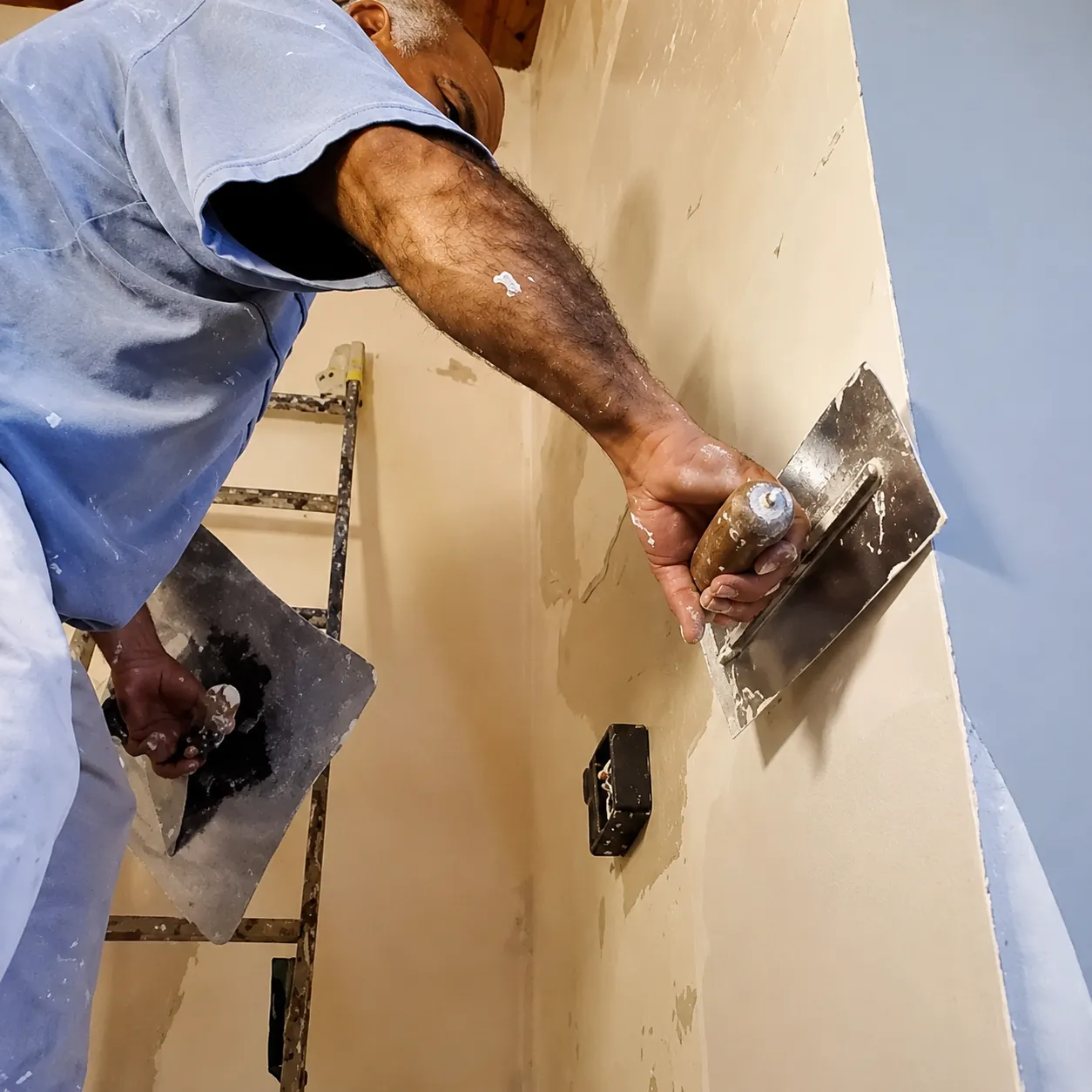
Insulation and Drywall Installation
After the mechanical systems are installed, insulation is added to the walls and ceilings. Insulation improves energy efficiency and helps regulate indoor temperature.
Once insulation is complete, drywall panels are installed to create interior walls.
Benefits of Insulation in New Homes
Proper insulation provides several advantages.
• improved energy efficiency
• better indoor temperature control
• reduced heating and cooling costs
• improved indoor comfort
This phase can take several weeks, depending on the size of the house.
Interior Finishing and Design Details
Interior finishing is one of the longest stages in home construction. This phase focuses on completing the visual and functional details of the home.
Homeowners often choose design features during this stage.
Interior Features Installed
Many elements are completed during interior finishing.
• flooring installation
• painting and wall finishing
• kitchen cabinets and countertops
• bathroom fixtures and tiles
• lighting fixtures and switches
This stage transforms the structure into a livable home.
Exterior Work and Landscaping
While interior work continues, contractors may also complete exterior finishing tasks. Exterior work protects the structure and improves the appearance of the property.
Landscaping is often one of the final stages before project completion.
Exterior Elements Completed
Several improvements have been made outside the home.
• siding or brick installation
• roofing materials
• driveways and walkways
• yard grading and landscaping
These features enhance both durability and curb appeal.
Final Inspections and Walkthrough
Before homeowners move into a newly built or remodeled home, final inspections must be completed. Inspectors ensure the home meets building codes and safety requirements.
Builders also conduct a walkthrough with the homeowner to review the completed project.
Final Steps Before Completion
Several tasks occur at the end of construction.
• building safety inspections
• electrical and plumbing checks
• cleaning and finishing touches
• homeowner walkthrough and approvals
After these steps are completed, the home is ready for occupancy.
Factors That Can Affect Construction Timelines
While construction schedules are planned carefully, several factors can cause delays or timeline adjustments.
Understanding these factors helps homeowners maintain realistic expectations.
Common Causes of Construction Delays
Projects may take longer due to several reasons.
• severe weather conditions
• material delivery delays
• permit approval delays
• design changes during construction
• labor shortages or contractor scheduling
Planning and working with experienced professionals can help reduce these delays.
Conclusion
Building or remodeling a home involves many stages that require coordination, planning, and patience. From the initial design phase to final inspections, each step plays an important role in creating a safe and comfortable living space.
While the exact timeline can vary depending on the size and complexity of the project, most construction processes follow a similar sequence of planning, permits, structural work, system installation, and interior finishing.
Homeowners who understand the construction timeline can better prepare for the process and make informed decisions throughout the project. Working with experienced builders such as Upscale Construction Inc helps ensure projects are completed efficiently while maintaining high standards of craftsmanship and quality.
FAQs
1. How long does it usually take to build a new home
The timeline varies depending on size and design complexity, but many homes take several months to complete.
2. How long does a home remodeling project usually take
Remodeling projects may take several weeks or months, depending on the scope of work and structural changes required.
3. What stage of construction takes the longest
Interior finishing often takes the longest because it includes flooring, painting, cabinets, fixtures, and other detailed work.
4. Can weather affect home construction timelines
Yes, heavy rain, snow, or extreme temperatures can delay certain construction activities.
5. Why are inspections required during construction
Inspections ensure that the building meets safety standards and complies with local construction regulations.




























Sign in to leave a comment.