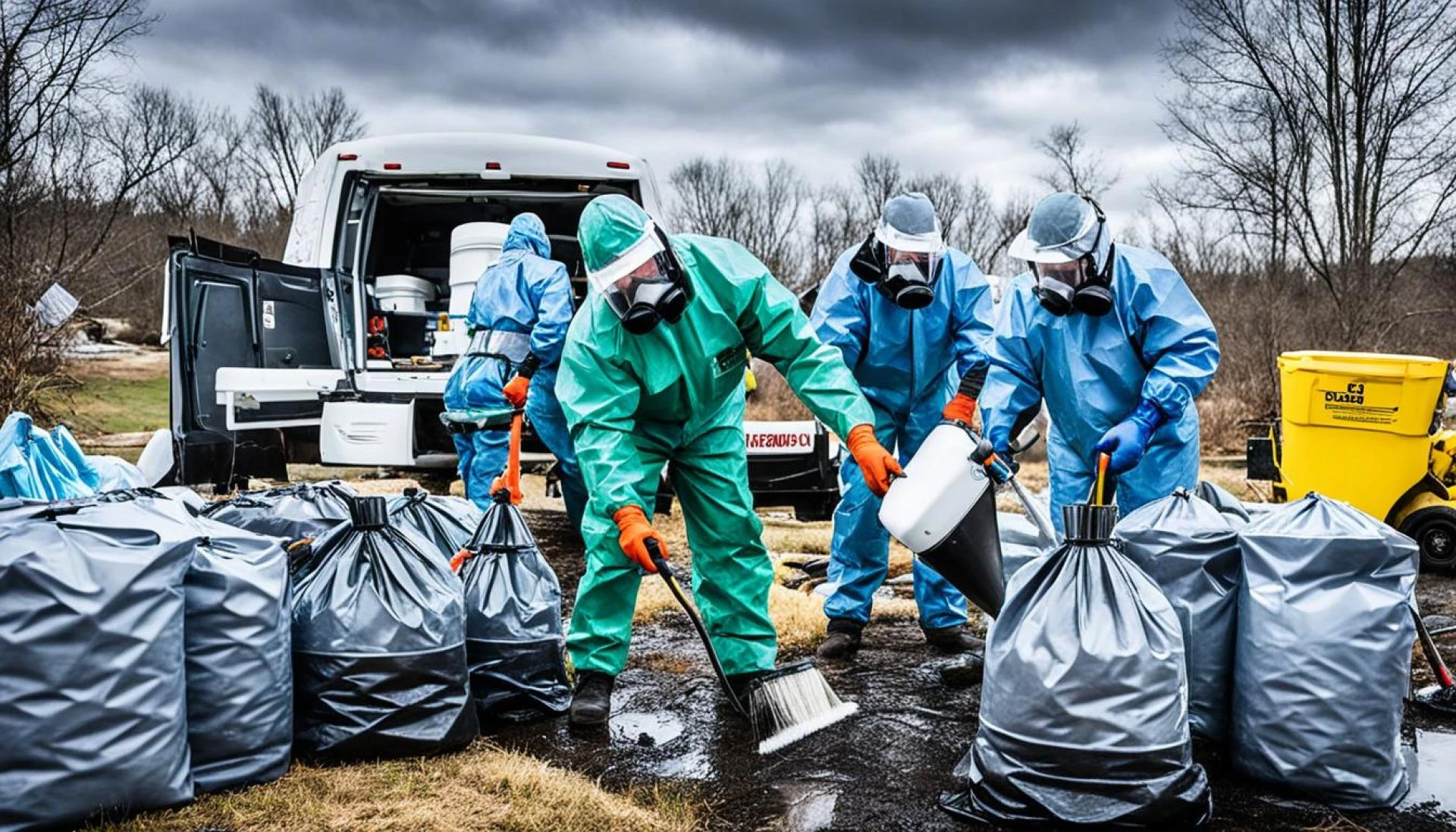

When disaster strikes, the aftermath often leaves behind more than just physical destruction. Whether it’s a natural calamity, industrial accident, or traumatic event, the cleanup process involves dealing with hazardous materials that pose serious risks to health and safety. Biohazard cleanup plays a critical role in restoring environments to safe and livable conditions. In this comprehensive guide, we explore how biohazard cleanup ensures health and safety after a disaster.
What is Biohazard Cleanup?
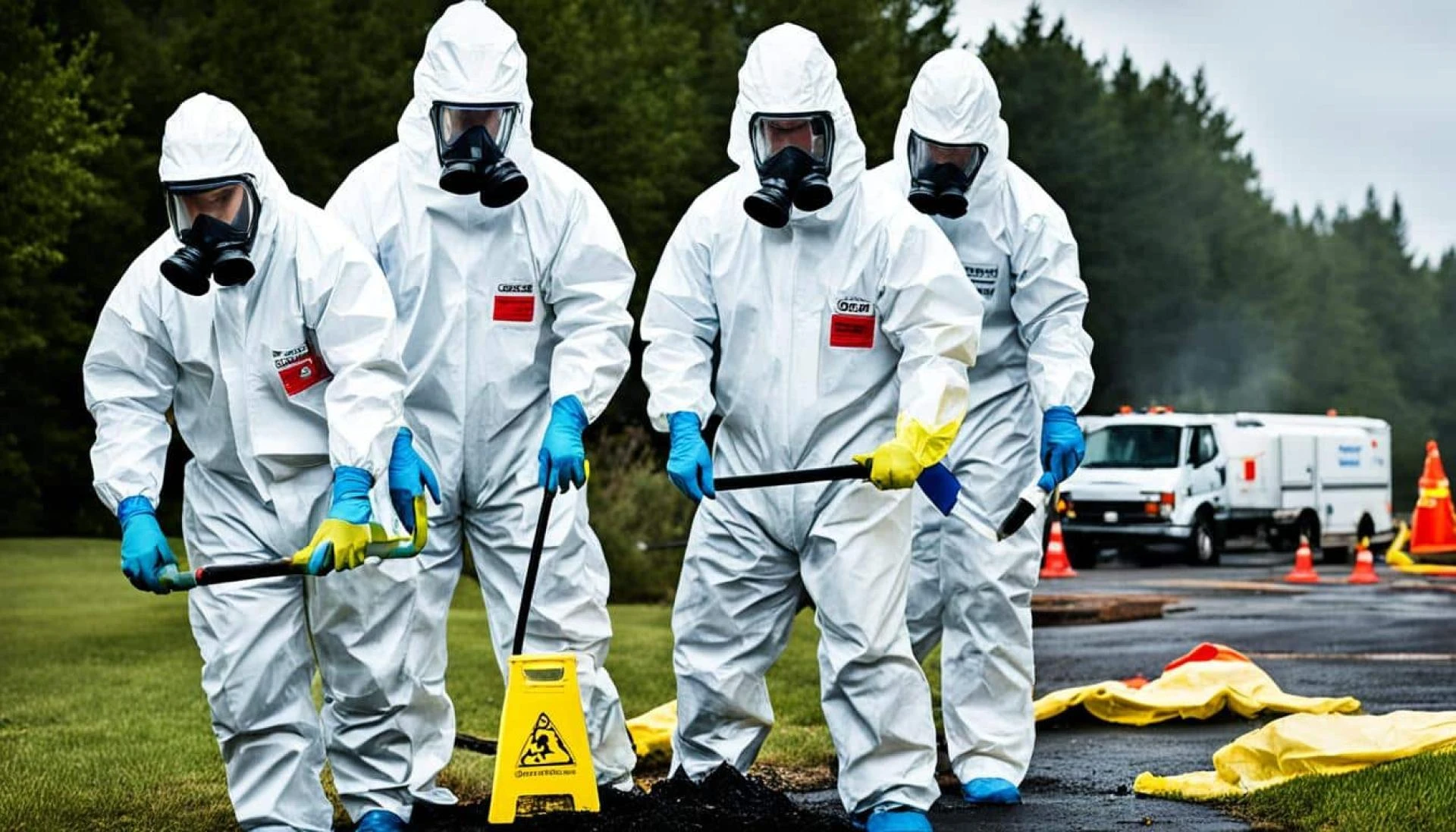
Biohazard cleanup refers to the process of removing, cleaning, and disinfecting areas contaminated by biological substances that may pose health risks. These substances include blood, bodily fluids, human or animal waste, chemical spills, and other potentially infectious materials. Unlike general cleaning, biohazard remediation requires specialized equipment, trained professionals, and adherence to strict safety protocols to ensure complete decontamination.
Why is Biohazard Cleanup Necessary After a Disaster?
1. Prevention of Disease Transmission
Biohazardous materials can harbor dangerous pathogens such as bacteria, viruses, and fungi. Exposure to these contaminants increases the risk of infections, including hepatitis B, hepatitis C, and HIV. Proper cleanup eliminates these risks, safeguarding the health of individuals in affected areas.
2. Compliance with Health and Safety Regulations
Local and federal authorities impose stringent regulations for handling biohazardous waste. Professional cleanup services ensure compliance with standards such as OSHA (Occupational Safety and Health Administration) guidelines, protecting workers and residents from legal liabilities.
3. Mitigating Environmental Hazards
Improper disposal of biohazard waste can lead to environmental contamination. Chemicals, biological materials, and other hazardous substances can seep into water sources or soil, causing long-term ecological damage. Biohazard cleanup prevents these risks by employing environmentally friendly disposal methods.
Steps Involved in Biohazard Cleanup
1. Assessment and Risk Analysis
The first step in biohazard cleanup involves assessing the affected area to determine the extent of contamination. Professionals identify potential hazards and develop a comprehensive remediation plan tailored to the situation.
2. Containment
To prevent cross-contamination, the cleanup team establishes containment zones using barriers, air filtration systems, and personal protective equipment (PPE). This step ensures that hazardous materials do not spread to unaffected areas.
3. Removal of Contaminants
All contaminated materials, including furniture, carpeting, and structural components, are carefully removed. This process may involve cutting and disposing of irreparable materials to ensure thorough decontamination.
4. Cleaning and Disinfection
Using EPA-approved disinfectants and specialized equipment, the cleanup team meticulously cleans all surfaces. High-touch areas and hidden spaces are prioritized to eliminate any trace of biohazardous materials.
5. Proper Disposal
Biohazardous waste is securely packaged and transported to certified disposal facilities. Adhering to waste management regulations ensures safe and ethical disposal practices.
6. Final Inspection
Once the area is cleaned and disinfected, a final inspection is conducted to verify that all hazards have been addressed. Air quality tests and surface swabs may be performed to confirm safety standards.
Types of Biohazard Situations Requiring Cleanup
1. Crime Scenes and Trauma Events
Incidents involving blood, bodily fluids, or tissue require specialized cleanup to prevent exposure to pathogens and ensure emotional healing for those affected.
2. Hoarding Situations
Hoarding environments often harbor biohazards such as mold, pest infestations, and decayed organic matter. Cleanup services restore these spaces to safe living conditions.
3. Industrial Accidents
Chemical spills, oil leaks, and other industrial incidents require biohazard cleanup to protect workers and the surrounding environment.
4. Natural Disasters
Floods, hurricanes, and earthquakes can lead to contamination from sewage backups, mold growth, and debris. Biohazard remediation ensures safe recovery in these situations.
The Role of Professional Biohazard Cleanup Services
Hiring a professional biohazard cleanup team is essential for ensuring health and safety. Here’s why:
1. Expertise and Training
Certified technicians possess the knowledge and training to handle hazardous materials safely. They are skilled in using advanced tools and techniques to achieve thorough decontamination.
2. Specialized Equipment
From HEPA vacuums to industrial-grade disinfectants, professionals use state-of-the-art equipment to address biohazards effectively.
3. Emotional Support
Dealing with the aftermath of a disaster can be emotionally taxing. Professional teams approach cleanup with sensitivity and respect, providing peace of mind during difficult times.
4. Cost-Effective Solutions
Attempting to clean biohazardous materials without proper expertise can lead to costly mistakes. Professionals ensure efficient and effective cleanup, saving time and resources.
Key Safety Measures in Biohazard Cleanup
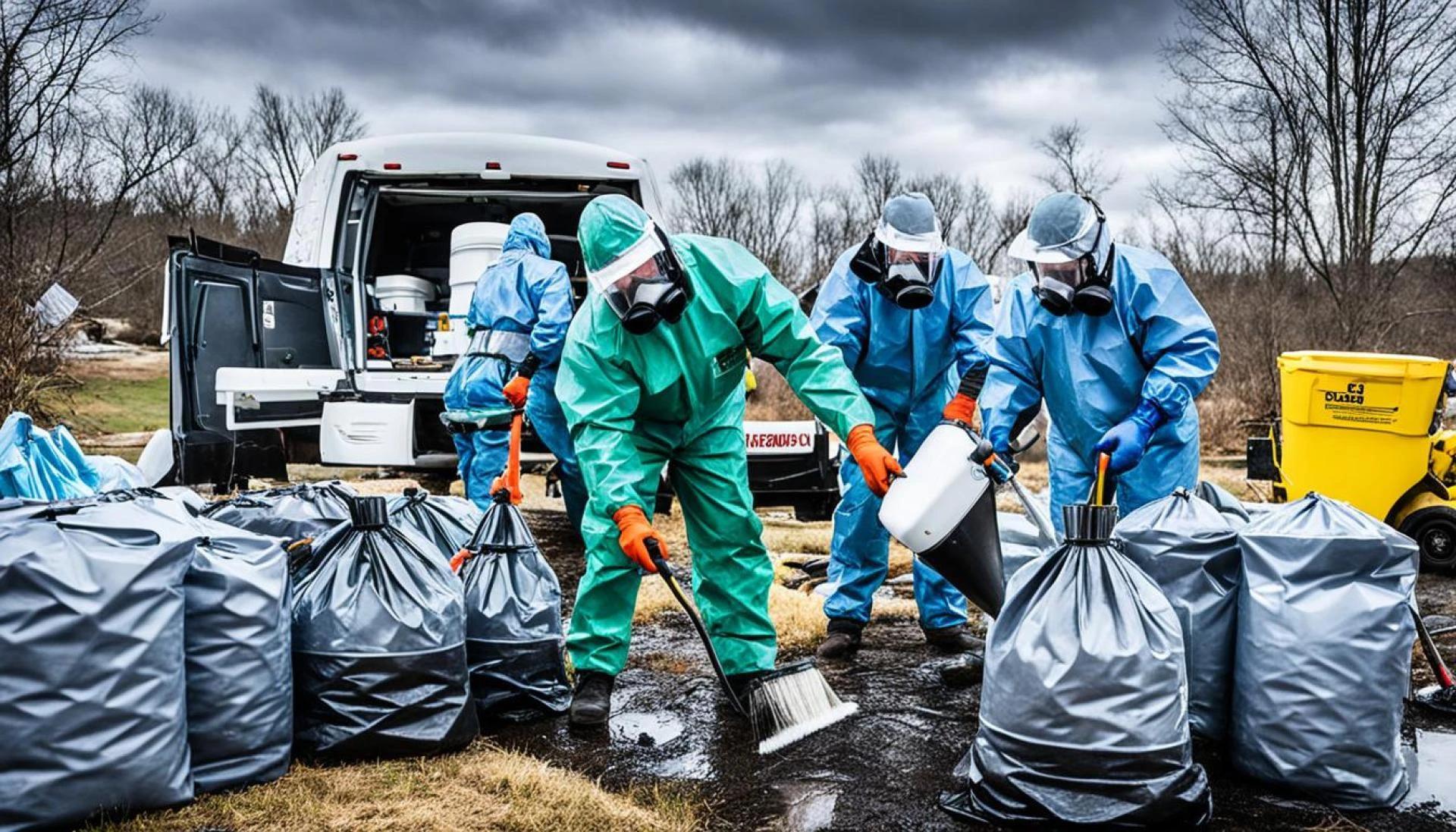
- Personal Protective Equipment (PPE): Technicians wear gloves, masks, goggles, and full-body suits to prevent exposure to hazardous substances.
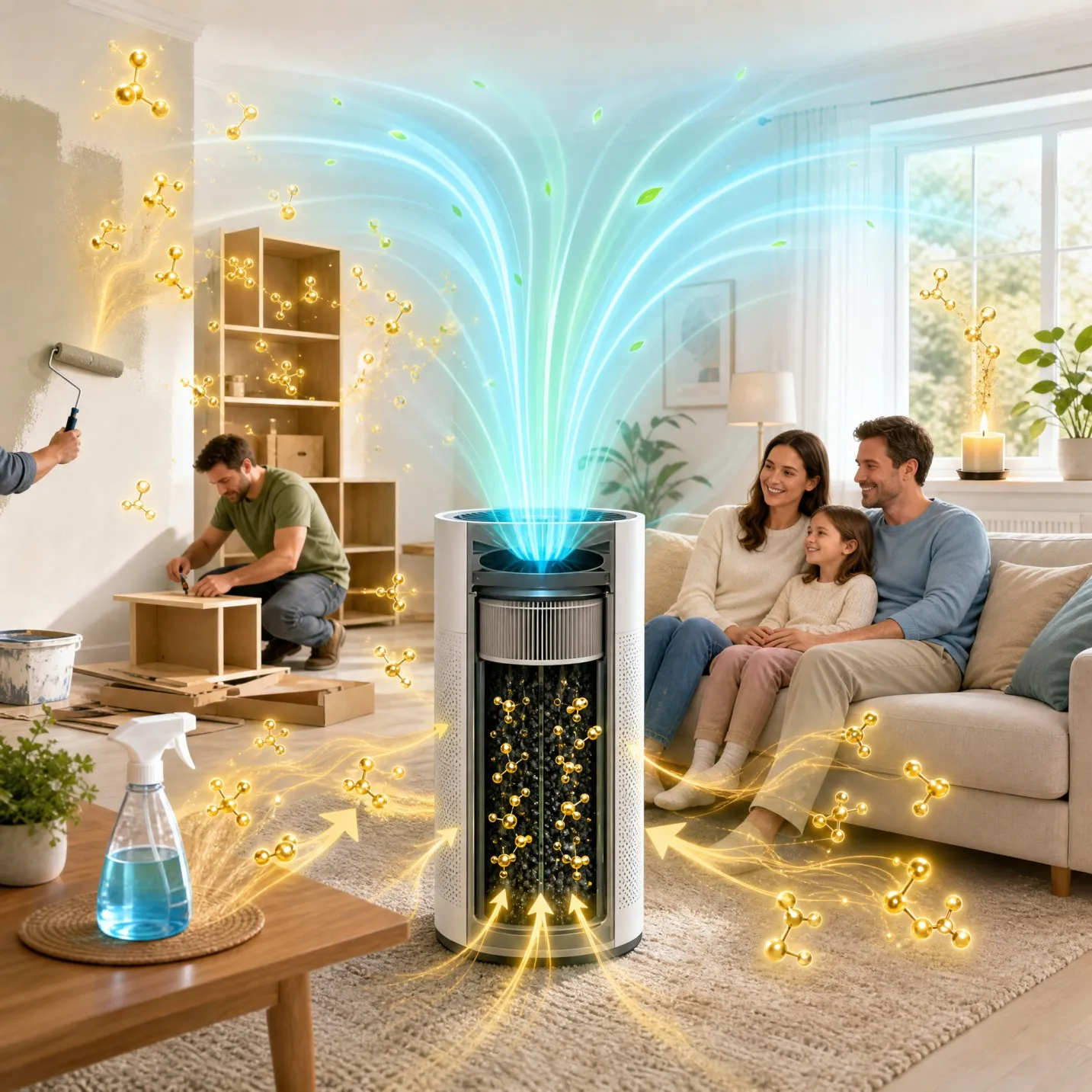
- Ventilation Systems: Air filtration units ensure clean air circulation and prevent the spread of airborne contaminants.
- Proper Labeling: Hazardous waste is labeled clearly to prevent accidental exposure during transportation and disposal.
- Documentation: Detailed records are maintained for compliance with legal and regulatory requirements.
How Biohazard Cleanup Promotes Long-Term Health and Safety
Beyond immediate disaster recovery, biohazard cleanup has lasting benefits:
1. Improved Indoor Air Quality
Eliminating biological contaminants reduces allergens and airborne pathogens, ensuring a healthier indoor environment.
2. Restoration of Property Value
Proper decontamination prevents structural damage and preserves the value of affected properties.
3. Enhanced Community Well-being
By addressing biohazards promptly, cleanup services contribute to the overall health and safety of communities.
Choosing the Right Biohazard Cleanup Service
When selecting a cleanup provider, consider the following factors:
- Certifications and Licenses: Ensure the company complies with local and federal regulations.
- Experience: Look for providers with a proven track record in biohazard remediation.
- Emergency Response: Choose a team that offers 24/7 services to address urgent situations.
- Customer Reviews: Positive feedback from past clients reflects reliability and quality.
Biohazard cleanup is an indispensable part of disaster recovery, ensuring health, safety, and environmental protection. By employing skilled professionals and advanced techniques, this process transforms hazardous environments into safe spaces, enabling individuals and communities to rebuild and thrive.




















Sign in to leave a comment.