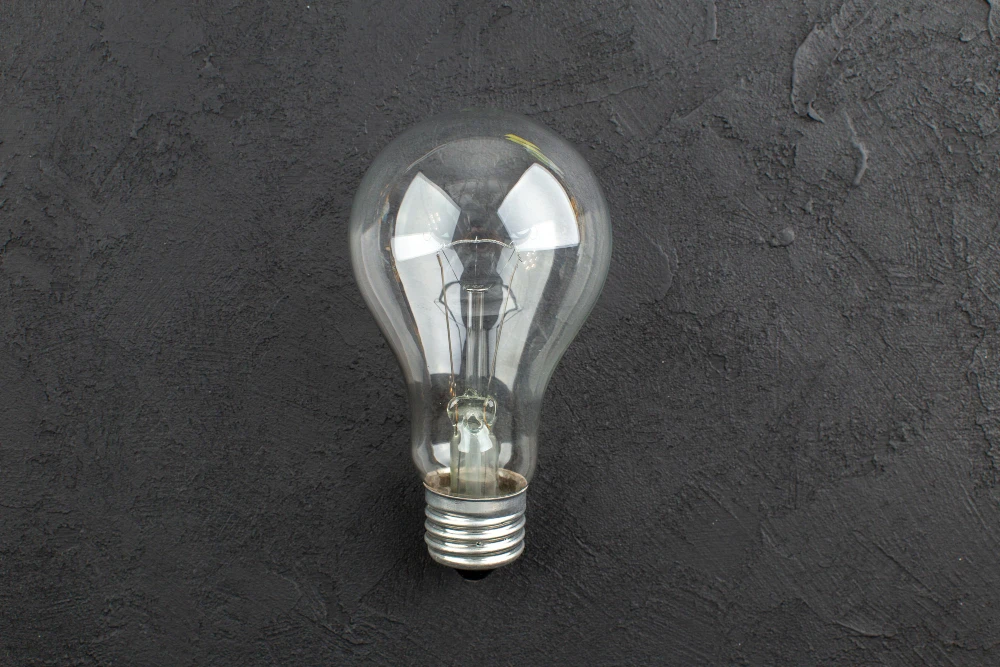
Proper waste management is no longer optional for UK businesses—it’s a legal and ethical responsibility. When it comes to lighting waste, many organisations are unsure about their obligations. Understanding how to recycle light bulbs correctly is essential to avoid penalties, protect the environment, and demonstrate corporate responsibility.
Light bulbs often contain hazardous materials such as mercury, making incorrect disposal a serious compliance risk. This guide explains the right way for businesses to recycle light bulbs in the UK while meeting regulatory standards.
Why Light Bulb Recycling Matters for Businesses?
Light bulbs are classed as electrical waste under UK law. Improper disposal can lead to environmental harm and legal consequences. Recycling helps businesses:
- Prevent toxic substances from entering landfill
- Reduce carbon footprint and resource waste
- Comply with UK environmental regulations
- Strengthen ESG and sustainability credentials
UK Regulations Governing Light Bulb Disposal
Businesses must comply with the WEEE Directive (Waste Electrical and Electronic Equipment). This regulation requires companies to dispose of electrical waste responsibly and separately from general waste.
Oversight and enforcement are handled by the Environment Agency, which can issue fines or enforcement actions for non-compliance.
Types of Light Bulbs and How to Recycle Them
Different bulbs require different recycling methods. Understanding the category is crucial.
Fluorescent Tubes and CFLs
- Contain mercury and phosphor powder
- Must be recycled via licensed WEEE recyclers
- Never dispose of in general waste
LED Bulbs
- Contain electronic components and metals
- Recyclable through WEEE-approved facilities
Halogen and Incandescent Bulbs
- Not hazardous but still should not go to landfill
- Accepted by some specialist recycling centres
Best Practices for Businesses Recycling Light Bulbs
To stay compliant and audit-ready, businesses should follow these steps:
- Separate light bulbs from general and recyclable waste
- Use labelled containers for different bulb types
- Store safely to prevent breakage and mercury exposure
- Partner with licensed waste carriers for collection
- Keep waste transfer notes for compliance records
These steps support operational safety and demonstrate due diligence under UK environmental law.
Choosing a Licensed Recycling Partner
Working with an authorised waste contractor ensures compliance and peace of mind. A licensed partner will:
- Handle hazardous materials safely
- Provide documentation for inspections
- Ensure recycling meets WEEE standards
Always verify the contractor is registered with the Environment Agency and experienced in commercial electrical waste.
Consequences of Non-Compliance
Failing to recycle light bulbs correctly can result in:
- Financial penalties and enforcement notices
- Reputational damage
- Increased health and safety risks
- Breaches of sustainability and ESG commitments
Wrapping Up
Recycling light bulbs is a simple yet critical responsibility for UK businesses. By understanding regulations, segregating waste correctly, and working with licensed recyclers, companies can stay compliant, reduce environmental impact, and strengthen trust with stakeholders. Adopting best practices today ensures your business remains legally protected and environmentally responsible tomorrow.





















Sign in to leave a comment.