
Managing waste in a bustling city like London requires more than just tossing your trash into bins. London waste management rules are designed to protect the environment, public health, and ensure sustainable living. However, many residents and businesses unknowingly fail to comply with these regulations, leading to fines, pollution, and inefficient waste processing. This guide will help you understand the key rules, best practices, and ways to stay compliant.
Understanding London Waste Management Regulations
The laws governing waste handling and disposal in London are very broad and encompass domestic waste, commercial waste, as well as hazardous waste. Compliance with all the laws is vital for avoiding penalties and making a positive contribution to environmental sustainability.
Some of the most prominent regulating authorities are:
- Environment Agency (EA) - monitors waste disposal, recycling, and pollution.
- Local Borough Councils - Take care of the local waste management.
- Waste Carrier Licensing - Provides assurance that companies removing waste from the premises are doing so in a responsible and legal way.
Knowledge of these regulations will enable you to adhere to waste segregation, disposal, and recycling practices.
Common Mistakes in London Waste Management
Despite these campaigns, certain common pitfalls continue to be adopted by Londoners and organizations:
- Improper waste segregation - This includes putting recyclable wastes along with general wastes, which may result in the payment of fines.
- Illegal dumping - Depositing trash in public places or on private property without permission.
- Incorrect disposal of hazardous materials – Such materials include batteries, chemicals, and electronics.
- Failure to use licensed waste carriers – Companies are required to dispose waste using licensed waste carriers.
To avoid such pitfalls is paramount to both compliance and going green.
Best Practices for Residential Waste Management
For households, it is easy to follow London rules of waste management once you adopt these practices:
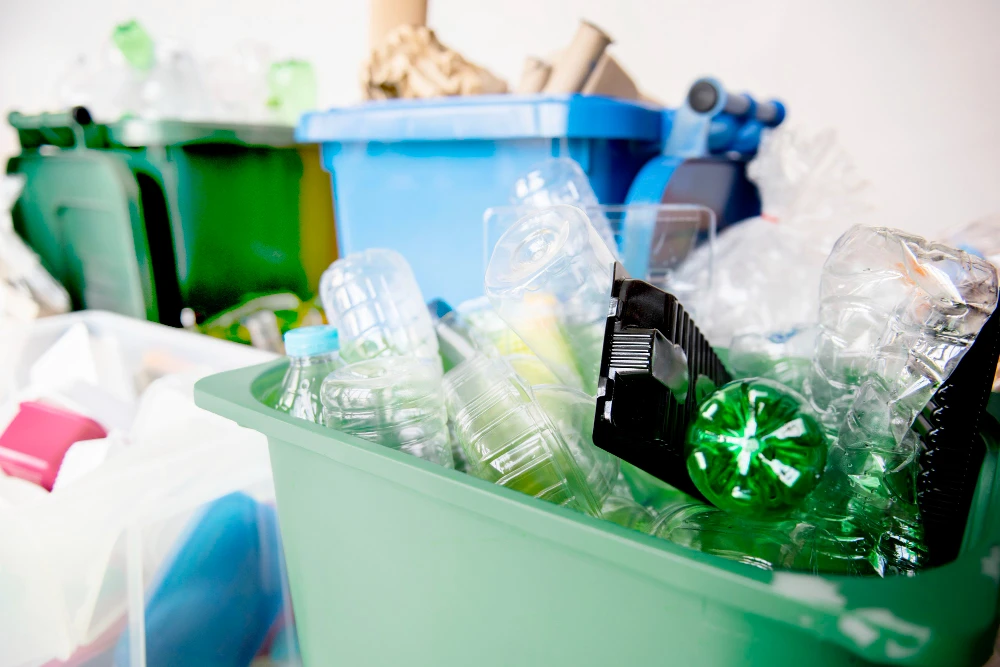
- Segregate your wastes properly: recyclable, compostable, and general waste shall go into different bins.
- Follow collection schedules: Each borough has specific days for collection. Not adhering to those leads to an accumulation of waste.
- Dispose of hazardous items correctly: Use designated drop-off points for batteries, electronics, and chemicals.
- Source reduction: Reusables should be preferred over single-use disposable products.
- Stay informed: Check with your local council for any updates on the recycling guidelines.
These steps, if followed and implemented appropriately, help in securing a cleaner, safer, and compliant neighborhood.
Best Practices for Businesses
Businesses also have extra responsibilities with respect to waste disposal:
- Employ licensed waste carriers: Make certain that you hire professional waste carriers who dispose of your rubbish properly.
- Documentation: Documented waste transfer notices and records are required for specified waste.
- Train employees: Workers need to be knowledgeable about segregation, recycling, and handling hazardous materials.
- Recycle materials: Encourage office and commercial establishments to practice paper, plastics, and electronics recycling.
- Regular monitoring for compliance: Perform audit checks to confirm that waste management standards are being meet.
Through the implementation of these measures, a company can minimize penalties, enhance sustainable use, and promote its corporate social responsibility image.
The Role of Recycling and Sustainable Waste Management
Recycling is central to the waste management system within the city of London. Effective recycling leads to the reduction of landfill sites, conservation of natural resources, and the reduction of carbon emissions. In addition, individuals and businesses can follow other measures to ensure the effective disposal of waste:
- Reuse bags, containers, and packaging.
- Compost waste materials if possible.
- Donate items that are still usable rather than throwing them away.
- Take part in local cleaning campaigns and recycling projects.
Environmentally sustainable waste management not only meets the regulation requirement but also provides a positive effect in the community and environment.
Wrapping Up
Following London waste management rules is more than a legal requirement—it is a responsibility towards your city and the environment. Whether you are a resident or a business, adhering to proper waste disposal, recycling, and hazardous material handling practices ensures compliance, prevents fines, and contributes to a cleaner, greener London.
By understanding the regulations, avoiding common mistakes, and implementing best practices, you can make a meaningful difference. Stay informed, take action, and make waste management a priority—it’s a small step with a big impact.



























Sign in to leave a comment.