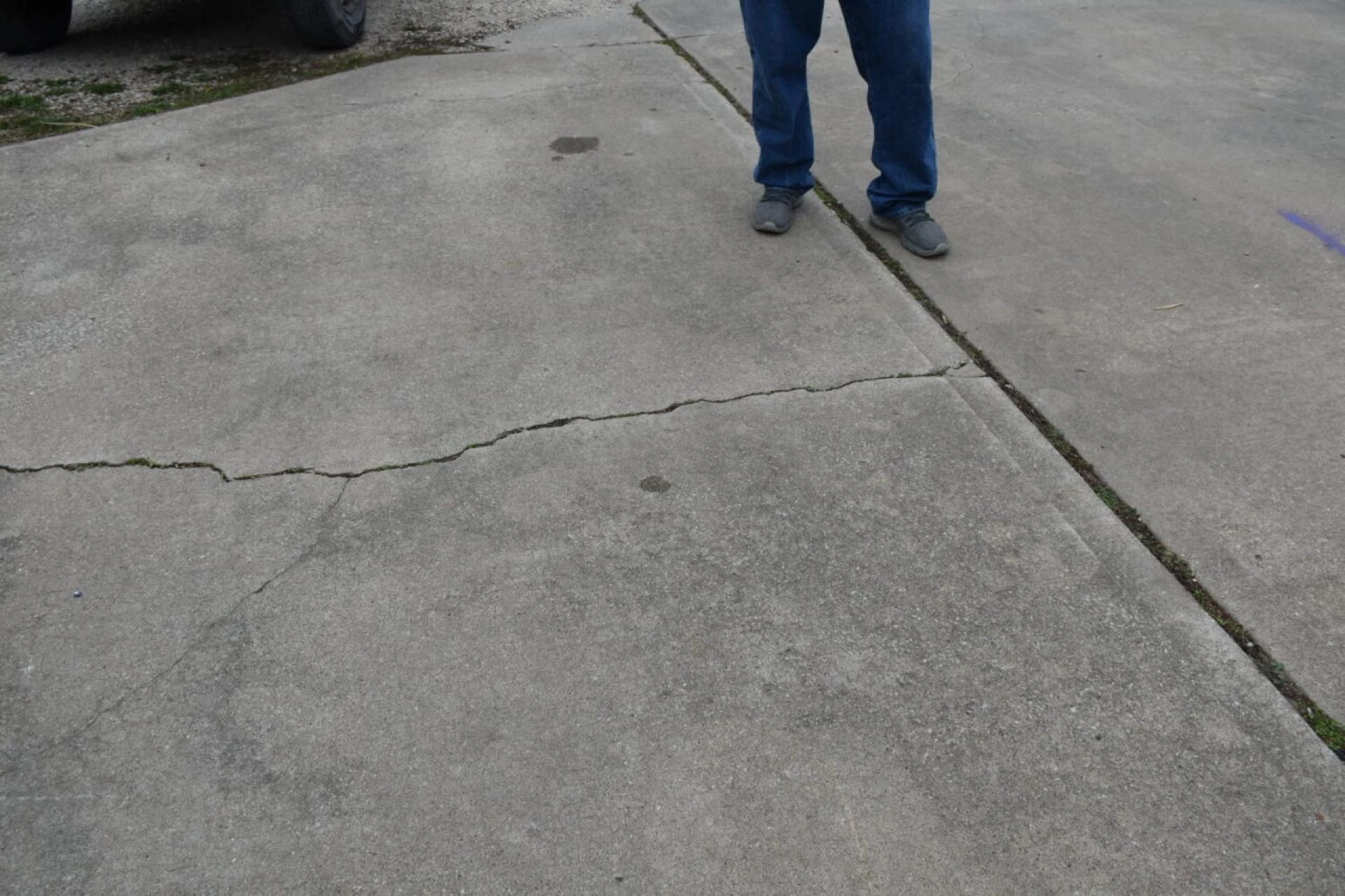
Sidewalk cracks are one of the most common problems property owners face. Even after completing a sidewalk repair, many homeowners notice new cracks forming within months. This can be frustrating—and expensive. The good news? Most sidewalk cracking is preventable when the right techniques, materials, and maintenance steps are followed.
Why Do Sidewalks Crack in the First Place?
Before preventing cracks, it’s important to understand what causes them. The most common reasons include:
1. Freeze–Thaw Cycles
In cold climates, water seeps into the concrete, freezes, expands, and creates cracks.
2. Poor Drainage
Standing water softens soil and weakens the concrete foundation, causing sinking and cracking.
3. Tree Root Damage
Roots growing under the sidewalk lift concrete slabs, creating breaks and uneven surfaces.
4. Heavy Loads
Parking vehicles or placing heavy equipment on sidewalks leads to stress cracks.
5. Low-Quality Concrete Mix
If the sidewalk was originally built using weak or poorly mixed concrete, cracking happens sooner.
6. Soil Erosion
Weak or shifting soil beneath the concrete creates unstable slabs that easily crack.
Understanding the cause helps you choose the right prevention method. Now let’s look at how to stop cracks from coming back.
Effective Ways to Prevent Sidewalk Cracking After Repair
Below are the best, contractor-approved strategies to make sure your sidewalk stays durable for years.
1. Use High-Quality Concrete and Proper Mixing
Many cracking issues start with poor installation. A strong concrete mix with the right water-to-cement ratio prevents shrinkage and cracking.
Pro Tip:
Ask your contractor about air-entrained concrete — it performs better in freeze–thaw climates and resists long-term cracking.
2. Seal Your Concrete Regularly
Concrete sealers protect surfaces from water penetration, chemical spills, and weather damage.
Benefits of sealing:
- Keeps moisture out
- Prevents surface flaking (spalling)
- Extends concrete lifespan
- Reduces stain and salt damage
Most sidewalks should be sealed every 2–3 years depending on climate.
3. Improve Drainage Around the Sidewalk
Poor drainage is one of the leading causes of slab cracks. When water pools around your sidewalk, it softens the soil and causes slabs to shift.
Fixes include:
- Regrading soil around the sidewalk
- Adding gutters or downspout extensions
- Installing French drains
- Filling low spots where water collects
Good drainage means fewer future repairs.
4. Manage Tree Roots Early
Tree roots cause some of the worst sidewalk damage. If you’ve already done sidewalk repair, you must prevent roots from lifting the slabs again.
Possible solutions:
- Root barriers
- Routine trimming by an arborist
- Planting trees farther from walkways
- Using reinforced concrete near tree areas
In NYC, many DOT violations come from tree root damage—so acting early saves you future trouble.
5. Avoid Heavy Loads on the Sidewalk
Sidewalks are meant for walking, not vehicle parking or storing heavy construction materials.
Heavy loads cause:
- Stress cracks
- Deep fractures
- Slab sinking
Keep cars, dumpsters, machinery, and heavy pallets away from sidewalks to avoid structural damage.
6. Repair Small Problems Immediately
Early repair is the best prevention. Small cracks or chips can grow quickly due to weather, moisture, and traffic.
Fix issues such as:
- Hairline cracks
- Minor spalling
- Light sinking
- Early tree root movement
Timely action is cheaper than full replacement.
7. Install Control Joints Properly
Control joints help concrete expand and contract naturally without cracking. If joints are placed incorrectly or too far apart, concrete will crack randomly.
During a new sidewalk installation, ensure the contractor:
- Cuts joints at the right depth
- Spaces them evenly
- Follows local regulations
This small detail makes a huge difference in durability.
8. Use Reinforcement for Extra Strength
Concrete reinforcement helps keep slabs stable even when soil shifts.
Options include:
- Steel rebar
- Wire mesh
- Fiber-reinforced concrete
Reinforced slabs resist cracking much better than standard concrete.
9. Maintain the Sidewalk During Winters
Winter weather can damage sidewalks quickly. To protect them:
- Avoid using salt excessively
- Remove ice using calcium chloride instead of rock salt
- Keep snow from piling up around the edges
- Repair cracks before winter
These steps significantly reduce freeze–thaw cracking.
10. Hire a Licensed Sidewalk Repair Contractor
The biggest mistake property owners make is choosing unlicensed, inexperienced workers. Professional sidewalk repair ensures:
- Proper drainage setup
- Quality materials
- Correct concrete thickness
- Accurate leveling and grading
- Long-term durability
A licensed contractor guarantees the sidewalk is built to last and code-compliant.
Conclusion
Sidewalk cracks may be unavoidable, but recurring damage doesn’t have to be. With quality materials, proper drainage, controlled tree growth, and regular maintenance, you can keep your sidewalk strong and long-lasting. Preventive sidewalk repair is always more effective than constantly fixing new cracks. Contact us for guidance on maintaining a safe, durable sidewalk.
FAQs
1. How often should I seal my sidewalk?
Every 2–3 years is ideal, depending on weather conditions and concrete wear.
2. Does tree root trimming stop sidewalk damage?
Yes — trimming and installing root barriers are effective ways to prevent uplifted slabs.
3. Can I fill small cracks myself?
Minor cracks can be patched with concrete fillers, but large or deep cracks require professional sidewalk repair.
4. Will drainage improvements really help?
Absolutely. Proper drainage prevents soil erosion, one of the biggest causes of slab cracking.
5. Why does my sidewalk keep cracking even after repairs?
If the base wasn’t prepared properly, tree roots are nearby, or water is pooling, cracks will keep returning.
6. Is reinforced concrete worth it?
Yes — it greatly reduces cracking and increases sidewalk lifespan.






















Sign in to leave a comment.