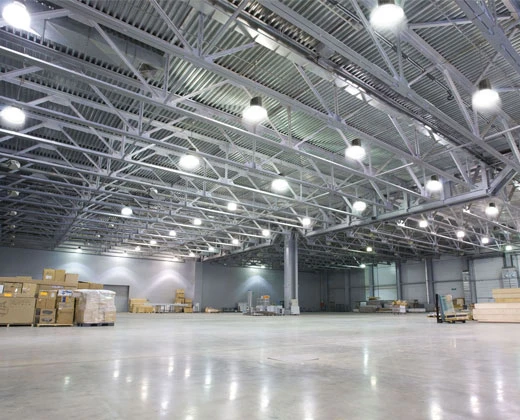

Lighting plays a powerful role in shaping the mood, functionality, and overall aesthetic of any space. Whether you are upgrading a modern apartment or redesigning a corporate office, the right lighting solution can completely change the way a room looks and feels. Among today’s most popular options, linear lights stand out for their sleek design, flexibility, and energy efficiency. From ceilings and walls to workspaces and even outdoor lights applications, these lighting fixtures offer endless possibilities for creative and practical illumination.
In this blog, we’ll explore how linear lights can transform your home or office lighting design, their benefits, applications, and why they are becoming a preferred choice in modern interiors and exteriors.
What Are Linear Lights?
Understanding the Concept
linear lights are elongated lighting fixtures designed to provide continuous, even illumination along a straight line. Unlike traditional bulbs or spotlights that emit light from a single point, these fixtures distribute light uniformly across their entire length. They are typically available in slim, minimalist profiles and can be recessed, surface-mounted, or suspended.
These lights are commonly powered by LED technology, making them energy-efficient, long-lasting, and environmentally friendly.
Why They Are Popular Today
Modern architecture emphasizes clean lines, minimalism, and open spaces. Lighting must complement this design philosophy. Instead of bulky fixtures, designers prefer seamless lighting solutions that blend into the structure of a room. That is where linear lights excel. They provide bright, consistent illumination without overwhelming the space visually.
Benefits of Linear Lights in Interior Design
1. Sleek and Modern Appearance
One of the biggest advantages of linear lights is their aesthetic appeal. Their slim design fits perfectly into contemporary homes and offices. They can be installed along ceilings, under cabinets, along walls, or even embedded into floors to create subtle yet impactful lighting effects.
In office settings, they enhance a professional look, while in homes they add a touch of sophistication.
2. Uniform and Glare-Free Illumination
Traditional lighting sometimes creates uneven brightness or harsh shadows. With linear lights, you get consistent light distribution. This is especially beneficial in workspaces where proper lighting improves productivity and reduces eye strain.
In kitchens, living rooms, and conference rooms, even lighting helps create a comfortable environment.
3. Energy Efficiency and Longevity
Most modern linear lights use LED technology. LEDs consume significantly less power compared to conventional bulbs. They also last much longer, reducing maintenance and replacement costs.
For homeowners and business owners alike, this means long-term savings on electricity bills.
4. Versatile Installation Options
You can install linear lights in multiple ways:
- Recessed into ceilings for a seamless look
- Suspended for a bold design statement
- Surface-mounted for easy installation
- Integrated into furniture and cabinetry
This versatility allows designers to experiment creatively with lighting layouts.
Transforming Residential Spaces with Linear Lights
Living Rooms
In living areas, linear lights can be used to highlight architectural details. For example, installing them along ceiling edges creates a floating ceiling effect. They can also frame entertainment units or bookshelves, adding depth and visual interest.
Soft, warm lighting enhances relaxation, while brighter settings are ideal for gatherings.
Kitchens
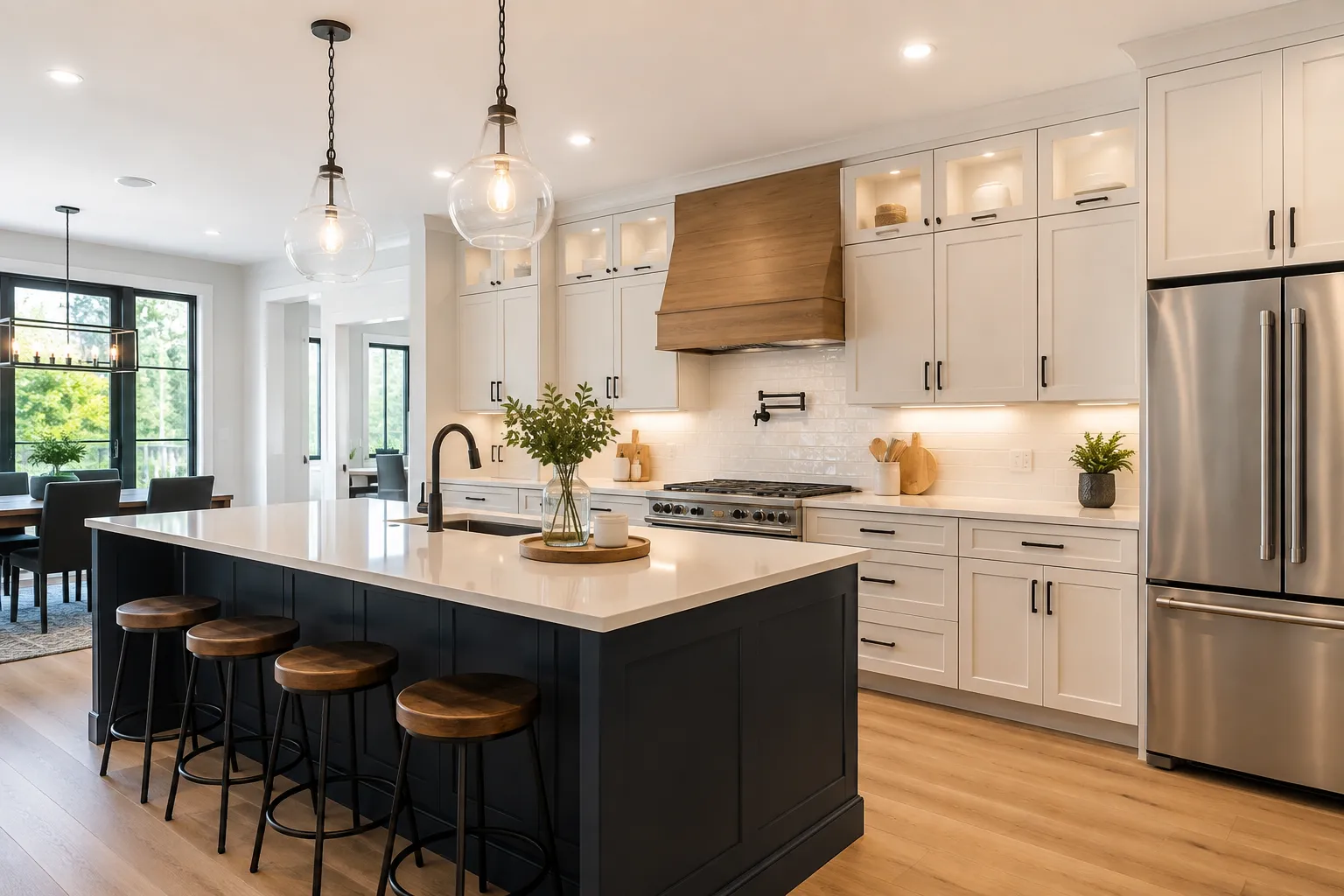
Kitchens require functional lighting. Under-cabinet linear lights illuminate countertops for food preparation. Ceiling-mounted options ensure the entire cooking space is evenly lit.
You can also install them along kitchen islands for both style and practicality.
Bedrooms
In bedrooms, subtle lighting makes a big difference. Recessed linear lights along headboards or ceiling coves create a cozy and calming atmosphere. Dimmable options allow you to adjust brightness according to your mood.
Bathrooms
Moisture-resistant linear lights can be placed around mirrors to provide shadow-free lighting for grooming tasks. Their sleek design also complements modern bathroom interiors.
Elevating Office Spaces with Linear Lights
Open Workstations
Offices benefit greatly from proper lighting. In open-plan environments, linear lights can be arranged in parallel patterns across ceilings, ensuring consistent brightness throughout the workspace.
This improves concentration and reduces fatigue among employees.
Conference Rooms
In meeting rooms, lighting sets the tone. Suspended linear lights above conference tables create a professional and focused ambiance. They also minimize glare on screens and presentation boards.
Reception Areas
First impressions matter. Installing linear lights in creative patterns can make reception areas look welcoming and stylish. Integrated lighting in walls or ceilings adds a modern architectural touch.
Hallways and Corridors
Long corridors are ideal for continuous lighting solutions. linear lights guide movement while enhancing safety and visibility.
Creative Lighting Design Ideas
Geometric Patterns
Designers are increasingly using linear lights to create geometric shapes on ceilings or walls. Intersecting lines and angular layouts add visual drama to otherwise simple spaces.
Accent Lighting
These lights can highlight artwork, textured walls, or decorative panels. By focusing light on specific features, you draw attention to design elements that might otherwise go unnoticed.
Layered Lighting
Combining linear lights with other fixtures like pendant lamps or spotlights creates layered lighting. This approach ensures that a space has ambient, task, and accent lighting working together harmoniously.
Integrating Linear Lights with Outdoor Lighting
Lighting design does not stop indoors. Exterior spaces can also benefit from strategic illumination. When used creatively alongside outdoor lights, linear fixtures can enhance building facades, patios, and pathways.
Facade Lighting
Installing linear lights along the edges of a building highlights its structure and design lines. This technique is often used in modern architecture to emphasize symmetry and clean geometry.
Garden Pathways
Integrated ground-level lighting combined with outdoor lights ensures safety while adding aesthetic appeal. Subtle linear illumination along pathways creates a welcoming atmosphere.
Balconies and Terraces
On balconies or terraces, linear lights installed under railings or along ceilings provide soft ambient lighting for evening relaxation.
How Linear Lights Improve Productivity
Better Focus
In office settings, consistent lighting plays a crucial role in employee performance. Poor lighting can cause headaches and eye strain. By providing uniform illumination, linear lights help maintain comfort and focus throughout the day.
Reduced Shadows
Because these fixtures distribute light evenly, they minimize shadows on desks and work surfaces. This is especially helpful in creative studios and design environments.
Adjustable Brightness
Many modern systems allow dimming and smart controls. You can adjust brightness according to the time of day or specific tasks.
Smart Technology and Linear Lighting
Today’s lighting solutions often integrate with smart home systems. linear lights can be connected to mobile apps or voice-controlled assistants. This allows users to:
- Adjust brightness levels
- Change color temperatures
- Set schedules
- Control lighting remotely
Smart integration adds convenience and enhances energy efficiency.
Choosing the Right Linear Lights
Consider the Space
Before installation, evaluate the size and purpose of your room. Larger spaces may require multiple fixtures to ensure uniform coverage.
Color Temperature
Warm white light is ideal for homes, while neutral or cool white works better in offices where clarity is essential.
Mounting Type
Choose between recessed, suspended, or surface-mounted options based on your ceiling structure and design preference.
Quality and Durability
Investing in high-quality fixtures ensures long-term performance and safety. Look for products with reliable LED drivers and proper heat management.
Common Mistakes to Avoid
Overlighting
Too much brightness can make a space uncomfortable. Balance is key when installing linear lights.
Ignoring Layering
Relying solely on one type of lighting may make the space feel flat. Combine ambient and accent lighting for the best results.
Poor Placement
Incorrect positioning may cause glare or uneven lighting. Plan your layout carefully before installation.
Sustainability and Environmental Benefits
LED-based linear lights consume less electricity and produce less heat. This reduces carbon footprint and cooling costs. For environmentally conscious homeowners and businesses, they are an excellent sustainable choice.
Additionally, longer lifespan means fewer replacements, resulting in less waste.
Wrapping Up
Lighting design has evolved beyond simple illumination. Today, it plays a vital role in enhancing aesthetics, functionality, and energy efficiency. With their sleek design, versatility, and performance advantages, linear lights offer a transformative solution for both residential and commercial spaces.
From creating cozy bedroom atmospheres to improving workplace productivity and enhancing exterior aesthetics alongside outdoor lights, these fixtures provide unmatched flexibility. By choosing the right design, placement, and brightness level, you can completely redefine how your home or office looks and feels.
If you are planning a renovation or new construction project, consider incorporating linear lights into your design strategy. Their ability to blend style with practicality makes them one of the most powerful lighting tools available today.





























Sign in to leave a comment.