

Sydney’s pipe network mixes heritage clay lines with newer PVC, tree-lined streets with dense apartment plumbing, and sudden summer storms with dry winters. Put that combination together and blockages happen more often than most households expect. Understanding where the choke points form – and acting before water rises – saves property owners from messy floors, swollen skirting boards and unexpected repair bills.
The Real Reason Sydney Drains Keep Clogging
Grease from weekend barbecues, wipes labelled “flushable” that never really break down, and tree roots chasing moisture through the dry season all build a slow barrier inside the pipe. Over months the internal diameter narrows until an ordinary load – a washing-machine discharge or a heavy downpour – has nowhere to go.
Apartment blocks complicate things further. A single upstairs resident can run a fat-laden sink of dishwater that sets in the vertical stack; everyone below inherits the clog. In older terraces the original earthenware lines can shift with minor ground movement, leaving a lip where food sediment catches. When that lip blocks entirely, gurgling and rising water follow fast.
Early Signs You Shouldn’t Ignore
Most blockages advertise themselves long before the water backs up. Listen for a hollow gulp when a sink empties. Notice any shower drain that bubbles while you’re brushing your teeth at the basin. Pay attention to a garden grating that smells musty after light rain. These are the system telling you a restriction is forming.
If two fixtures in different rooms slow at the same time, the problem is already further down the combined line. Reaching for a supermarket drain cleaner may clear a small hair plug, but chemical cocktails rarely dissolve grease-root combinations or dislodge a dislodged pipe joint. When you spot widespread symptoms, it is safer to speak with trusted blocked drain repair specialists who carry inspection cameras and high-pressure jetters designed for full-line restoration rather than surface quick fixes.
DIY Measures That Sometimes Work
A hand plunger or a plumber’s snake bought at the hardware store can shift a localised obstruction sitting near a fixture. Pouring a kettle of hot water mixed with a dash of biodegradable detergent down a slow kitchen sink can melt recent grease build-up. Installing inexpensive mesh strainers catches the food scraps that feed future clogs.
Still, success depends on where the blockage sits and what caused it. A homeowner-grade coil will not punch through a six-metre grease cap or slice fibrous tree roots around a junction. If you have tried a couple of sensible steps with no improvement, or if water backs up into a place it never has before, you may be throwing good effort after bad. For deeper guidance on keeping household pipes clear, the mid-length article Preventing Drain Blockages Year-Round on the service’s blog breaks down practical daily habits and small equipment upgrades that prevent future blockages without resorting to harsh chemicals.
What Pros Bring to the Job
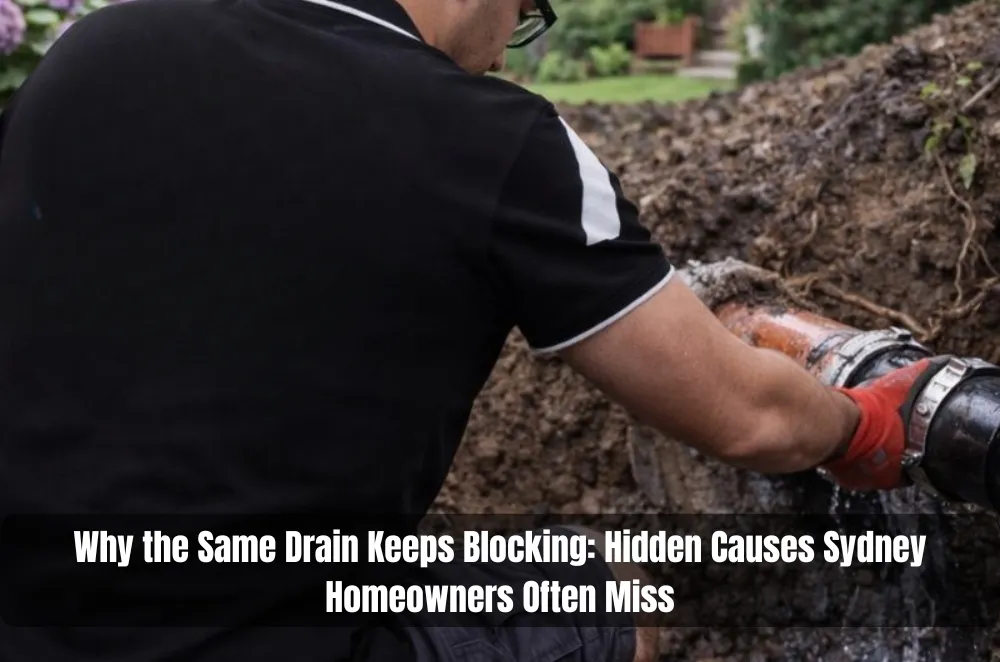
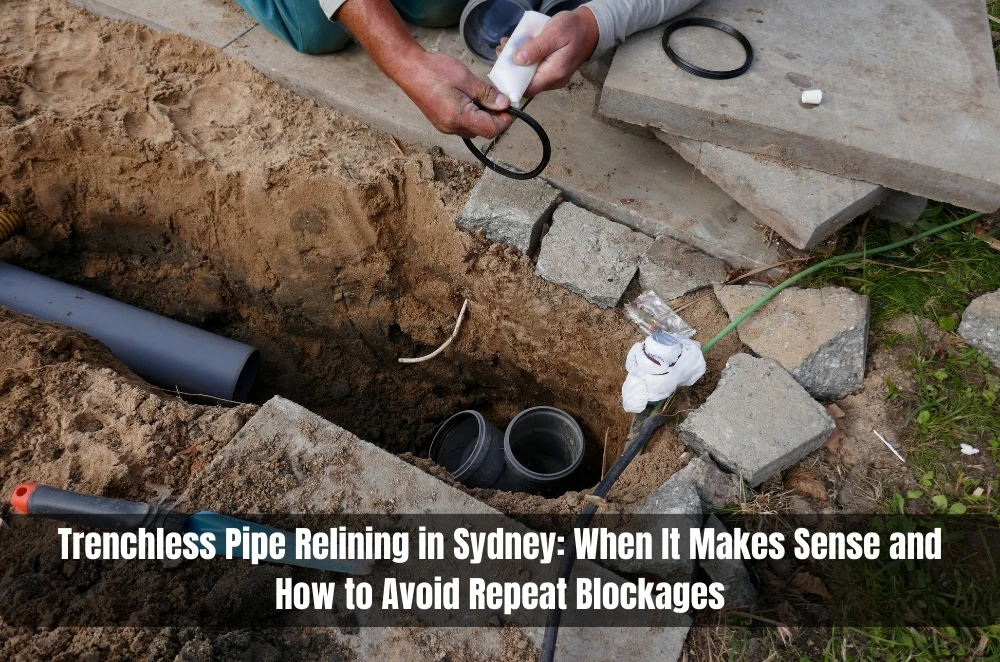
Licensed drain technicians arrive with CCTV reels able to snake 30 metres through a pipe, displaying every joint, crack and invading root on a monitor. Seeing the cause means the response can be targeted: mechanical cutting heads for roots, jetting nozzles that scour grease from the full circumference, or pipe-patch liners to seal a break without a trench. The difference is precision – no guesswork, no repeated chemical pours, and no extra damage from over-zealous manual rodding.
Professional reports also help if the pipe crosses a strata boundary or public easement. Clear video evidence shows whether responsibility sits with a private owner or the local authority, which can make the difference between a minor service fee and a larger excavation cost.
Long-Term Prevention Is Cheaper Than Repeated Emergencies
Consistent maintenance usually costs less than a single emergency call-out followed by water-damage repairs. Annual jetting flushes residual grease before it hardens. Periodic CCTV checks on older clay lines pick up early cracks so liners can be installed before collapse. Replacing a ten-metre section of pipe in dry conditions is far simpler – and cheaper – than digging saturated soil after a midnight overflow.




























Sign in to leave a comment.