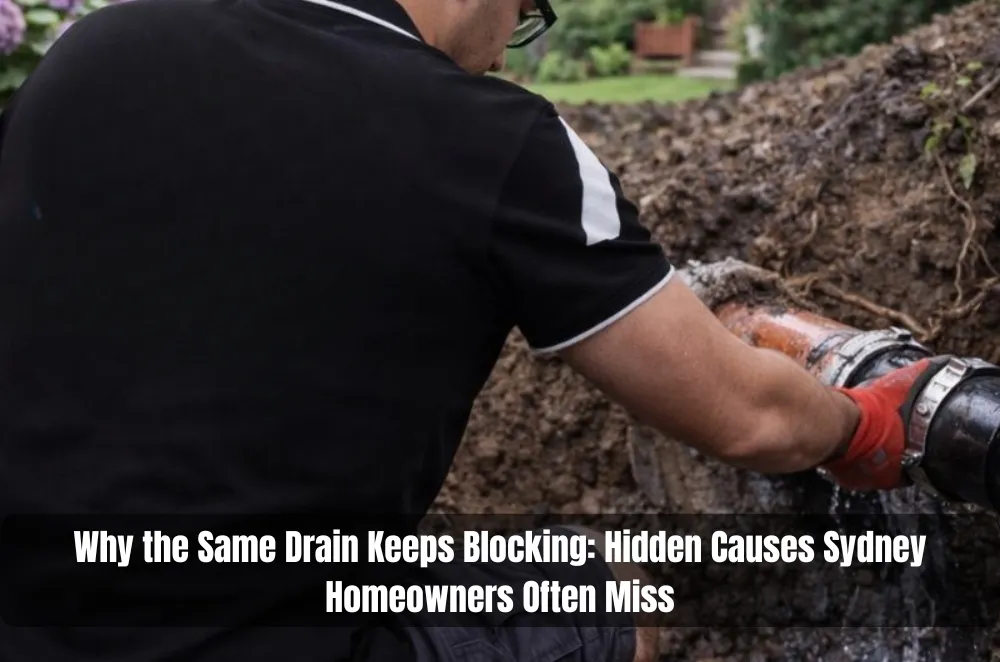

Sydney’s mix of clay soils, mature trees and ageing earthenware drains means pipe failures are almost a rite of passage for homeowners and facility managers. When the CCTV footage shows cracks, root intrusions or a partial collapse, one big question follows: should you dig the line up or opt for a trenchless “no-dig” repair?
This article walks through the key considerations—regulations, site impact, longevity, and budget risk—so you can make a decision that sticks.
Why Picking the Wrong Repair Method Becomes Expensive Fast
Excavation is not just a few hours with a shovel. In dense suburbs such as the Inner West or parts of the Northern Beaches, digging often involves traffic permits, underpinning neighbouring structures, or rerouting services. Get it wrong and you could face additional reinstatement costs or fines.
For any work near sewer mains or within Sydney Water’s zone of influence, check the Sydney Water guidance on building over pipes. The rules cover allowable excavation depths, structural clearances and back-fill requirements—breaching them can trigger rework or even notice orders.
Bottom line: a repair that seems cheaper upfront can double in price if compliance or reinstatement blows out.
Spotting Trouble Early (and Why CCTV Matters)
If recurring gurgles or slow drains have you scratching your head, early diagnosis saves money. A CCTV inspection pinpoints hairline cracks before they widen or tree roots exploit the gap.
Readers after a deeper dive into tell-tale symptoms can explore the early warning signs of underground pipe damage covered in a previous guest article. Knowing the problem’s location and extent is crucial for deciding whether a localised patch, full excavation or relining will stick.
Common red flags on Sydney properties:
• Waterlogging in clay backyards after rain
• Foul odours seeping into bathrooms
• Grease build-up in ageing kitchen lines
• Re-occurring blockages at the same fixture even after jet-blasting
Traditional Dig-and-Replace — When the Old-School Method Still Wins
Despite advances in trenchless tech, there are times when rolling up the sleeves and digging is still the safest route.
Severe collapses or dislocated joints
When a section has caved in completely, a liner has nothing rigid to bond to. Replacement becomes unavoidable.
Incorrect gradients
If the original pipe was laid with insufficient fall—common in DIY extensions—no-dig relining can only preserve the faulty slope. Re-digging lets you reset the alignment.
Heritage or unknown material risks
Older terracotta or galvanised lines may have asbestos wrapping. Controlled excavation with safe disposal may be required under Work Health and Safety regulations.
What to expect:
• Site fencing, spoil removal and temporary services
• Concrete, paver or garden restoration afterwards
• Potential for longer downtime if multiple trades are involved
When No-Dig Relining Makes More Sense
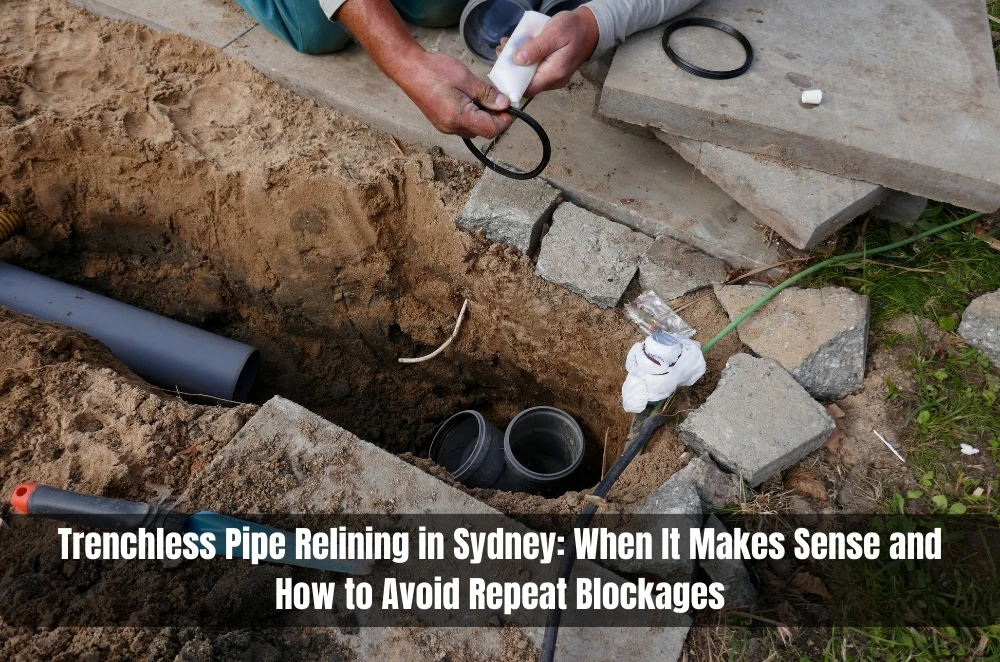
For many moderate defects—cracks, root intrusions, minor offsets—trenchless liners seal the pipe without major surface disruption.
• Minimal excavation: Usually one or two small access pits rather than a full trench.
• Faster turnaround: Many residential jobs finish within a day once curing is complete.
• Less reinstatement: Driveways, established gardens and tiled courtyards stay largely intact.
For a closer look at the process, Sydney homeowners often consult skilled pipe-relining specialists in Sydney who can compare liner types, curing times and warranty conditions relevant to local water pressure and clay movement.
Limits to respect
• Large diameter mains (>225 mm) can require custom liners and equipment.
• Severe deformation or missing pipe walls won’t support a liner.
• Property boundary traps or tight junctions sometimes need a hybrid dig-and-line approach.
Quick Comparison: Dig, Spot Patch or Trenchless Relining?
Below is a snapshot to help weigh your options.
| Repair Option | Typical Use-Case | Site Impact | Approx. Downtime | Longevity Factors |
| Full Dig-and-Replace | Collapsed or mis-graded lines; asbestos-wrapped pipes | High – lawn, paving & sometimes footpath excavation | 2–5 days including reinstatement | New pipe material & correct slope extend life; root barriers advisable |
| Localised Spot Patch | Small crack or root entry under accessible area | Low-moderate – one opening | 2–4 hours | Good if underlying pipe is stable; may fail if new roots find adjacent joints |
| Trenchless Pipe Relining | Moderate cracks, multiple root intrusions, corrosive wear | Low – small entry pits | 4–8 hours incl. cure | 20–50 year design life; depends on liner quality & soil movement |
Five Questions to Ask Before You Decide
- What does the CCTV footage actually show? Without visuals, you’re guessing.
- Is the defect localised or widespread? One crack may suit a patch; multiple defects suggest relining or replacement.
- What sits above the pipe run? Driveway, heritage tree, pool? Surface value changes the equation.
- Are there compliance zones? Check distance to mains and foundations to avoid penalties.
- How will soil movement affect the repair? Expansive clays in Western Sydney can stress rigid repairs—liners flex slightly.
Being ready with these questions helps contractors quote apples-to-apples and prevents scope creep later.
Final Thoughts
Digging up a yard or relining a drain both have a place; the art is matching the method to the defect, the site, and Sydney’s regulatory landscape. A clear CCTV diagnosis, an eye on compliance, and a frank chat about site disruption will keep surprises—and repeat blockages—to a minimum. When in doubt, seeking guidance from a qualified professional familiar with local soils and standards can turn a stressful pipe drama into a once-only fix.
























Sign in to leave a comment.