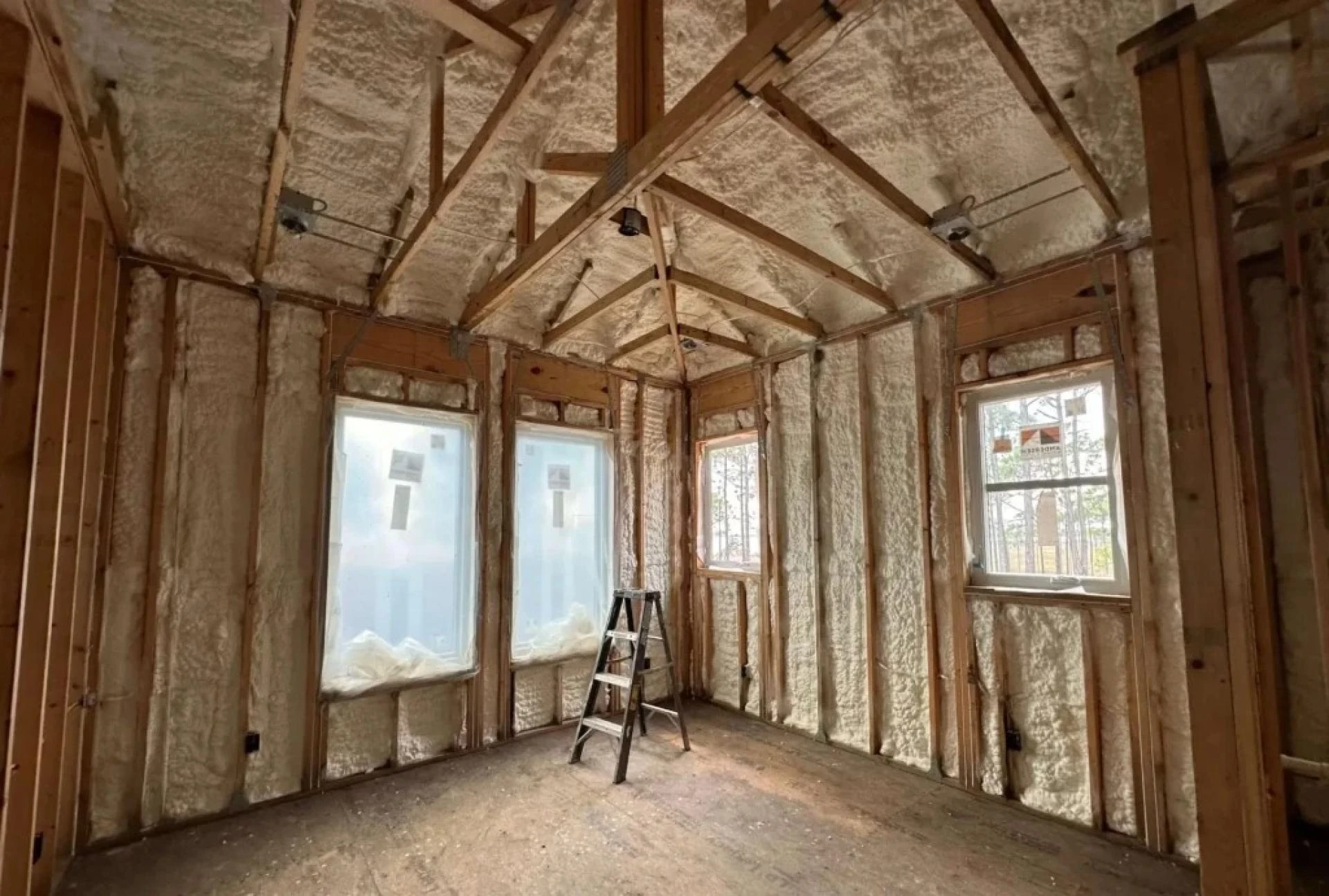

More than 40% of the average home's annual energy budget is spent on heating and cooling alone, according to the U.S. Energy Information Administration. But Pensacola residential and commercial buildings lose up to 30% of that conditioned air every year through inefficient insulation and air leakage. In a hot-humid climate for almost the entire calendar year, the cost of inefficiency adds up fast.
Having seasoned spray foam specialists in Pensacola, FL could have a measurable impact. Unlike traditional insulation methods, spray foam creates a tight air barrier that improves energy efficiency by reducing air leakage, controlling moisture, and maximizing thermal resistance. For example, utility bills come down right away, and the life expectancy of HVACs increases while indoor comfort conditions are more consistent.
How Spray Foam Creates an Airtight Thermal Envelope
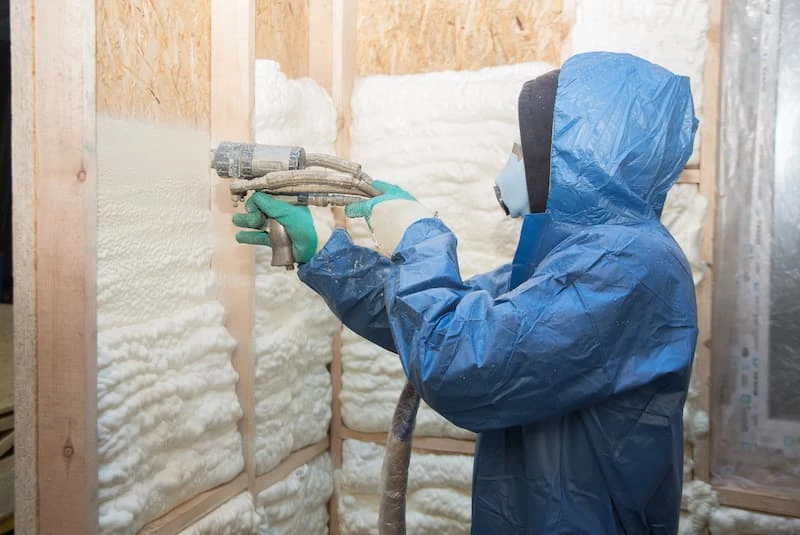
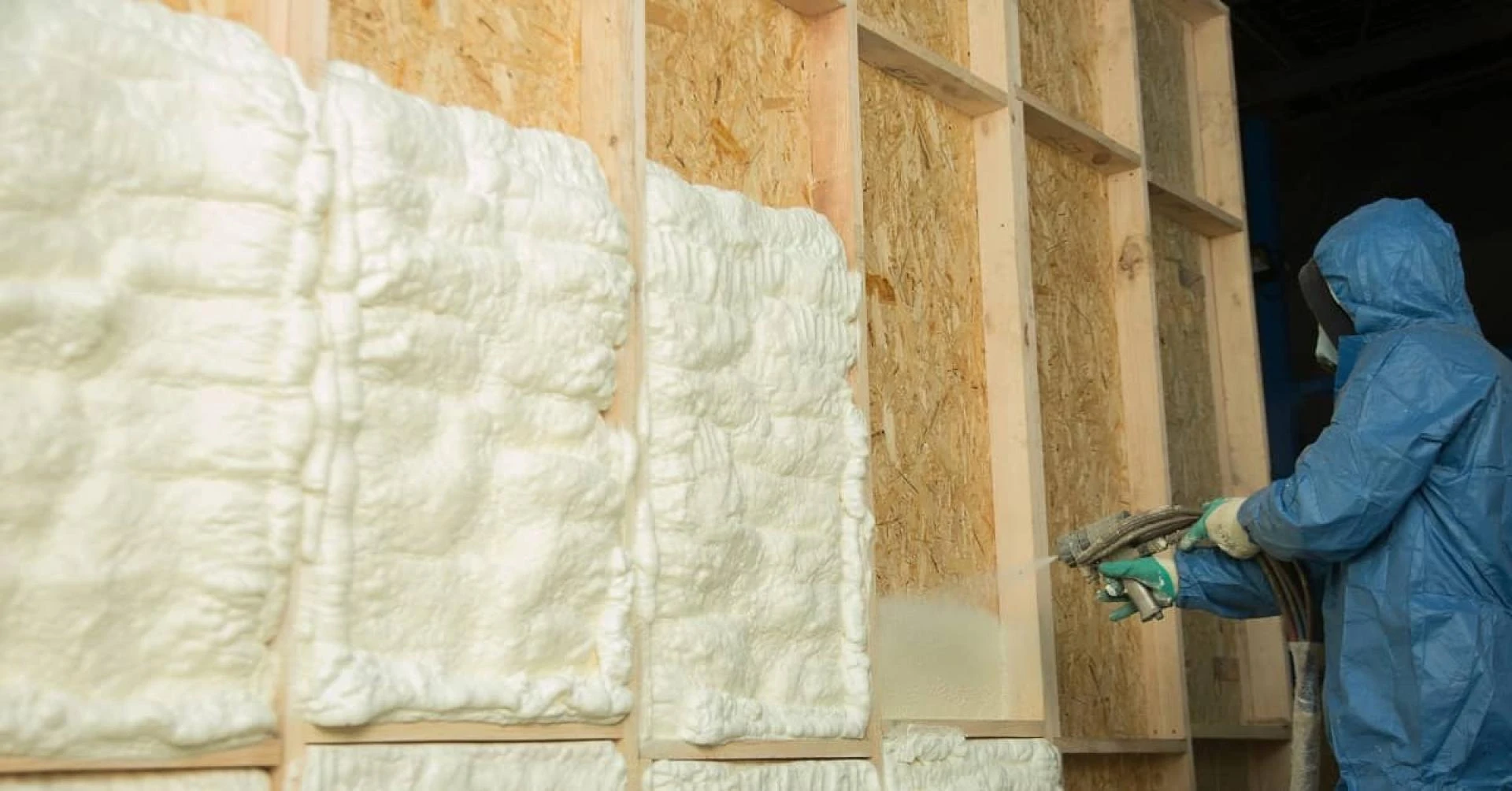
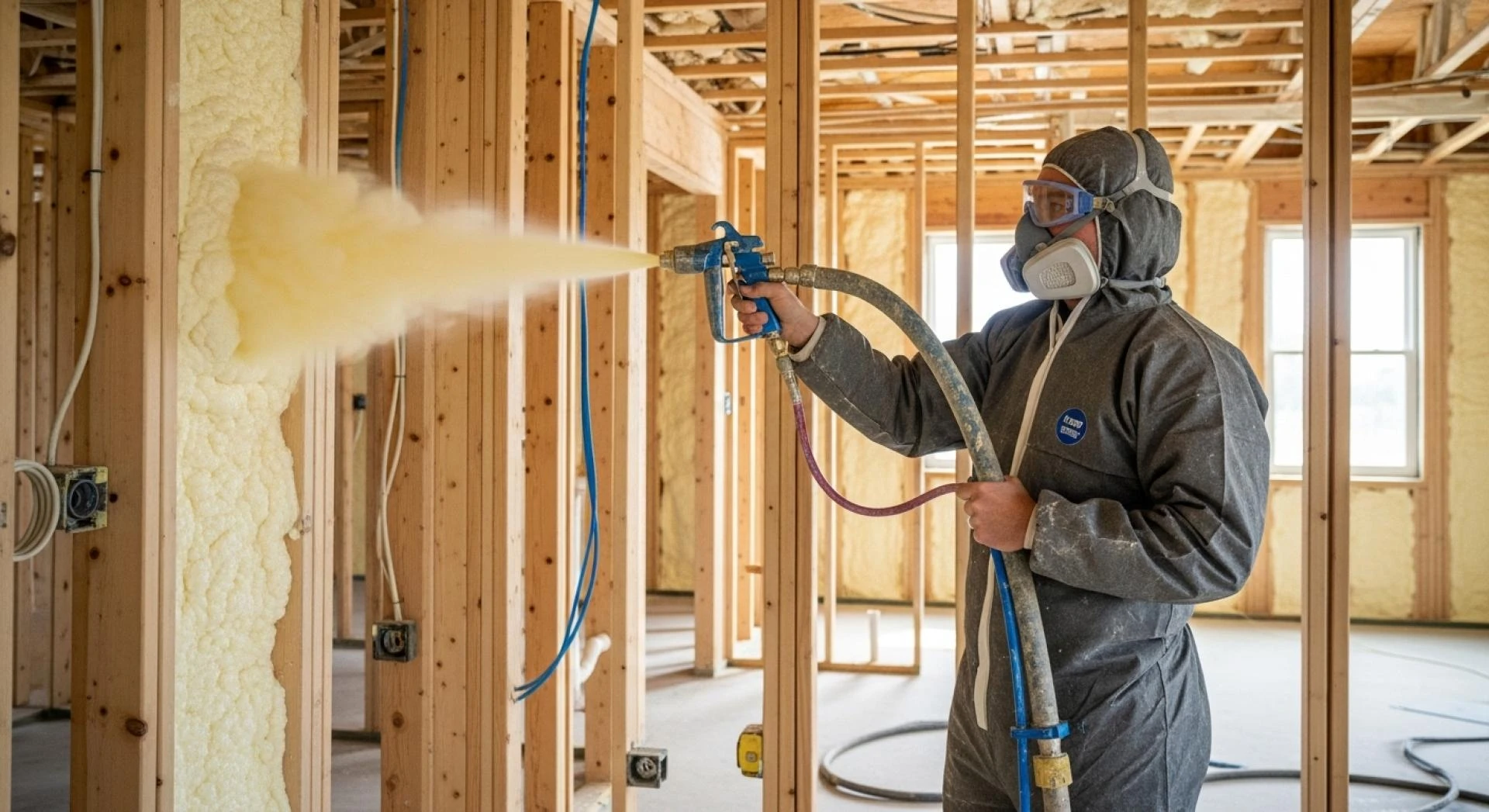
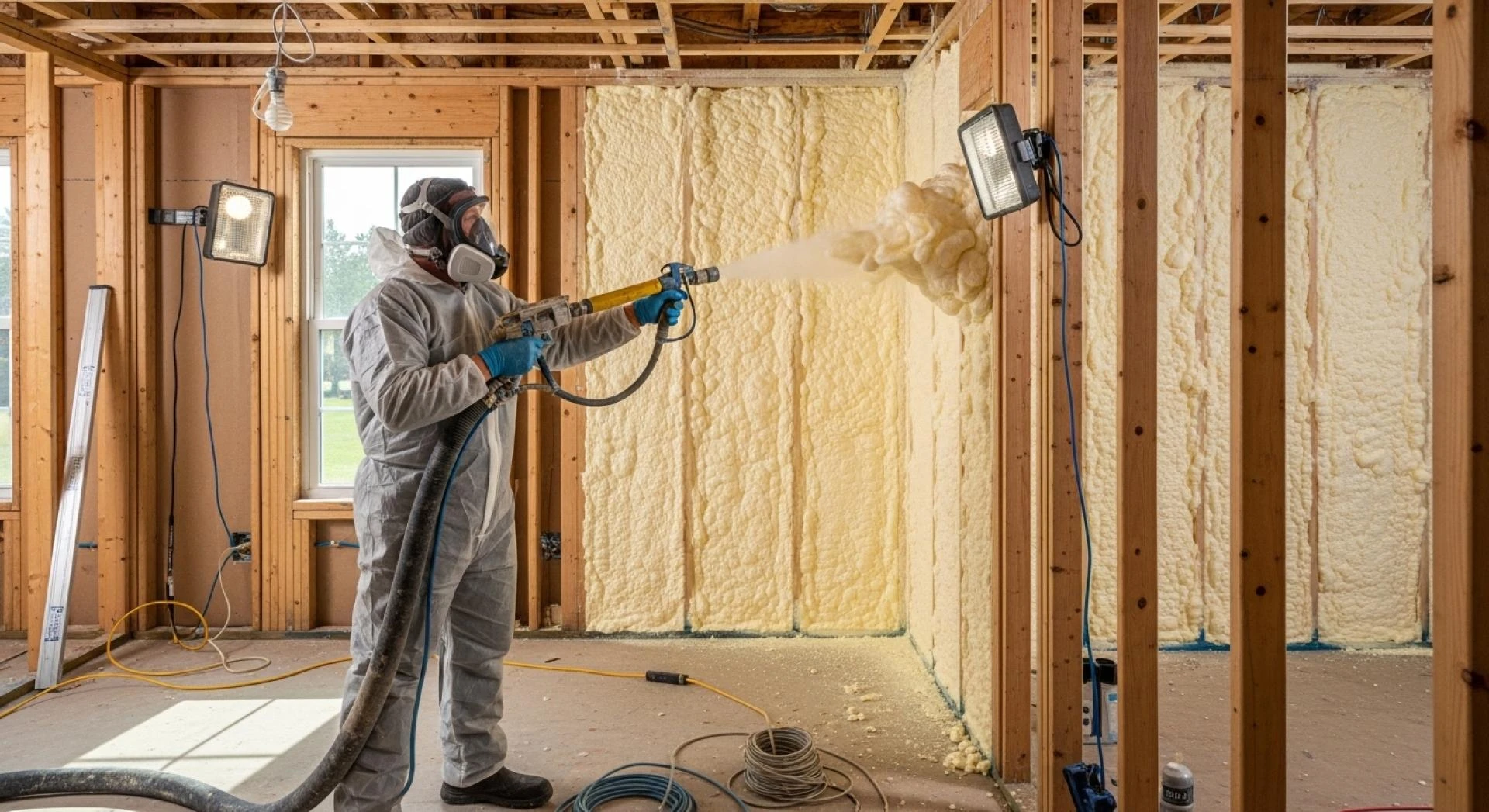
Spray foam insulation is in liquid form that expands quickly to fill cracks, cavities, and gaps. After curing, it acts as a sealant as well as an insulator by cutting off airflow as well as thermal bridging across surfaces.
Open-Cell vs. Closed-Cell Foam
- Open-cell spray foam expands more than closed-cell and is suited for internal application such as attics and walls. It offers sound absorption, with rather low R-values of about 3.5 per inch.
- Closed-cell foam is thicker and much firmer, with higher R-values up to a 7 per inch. More importantly, it also acts as a moisture and vapor barrier. Application of closed-cell foam should ideally be on roofs, crawl spaces, and slabs.
Why Airtightness Matters
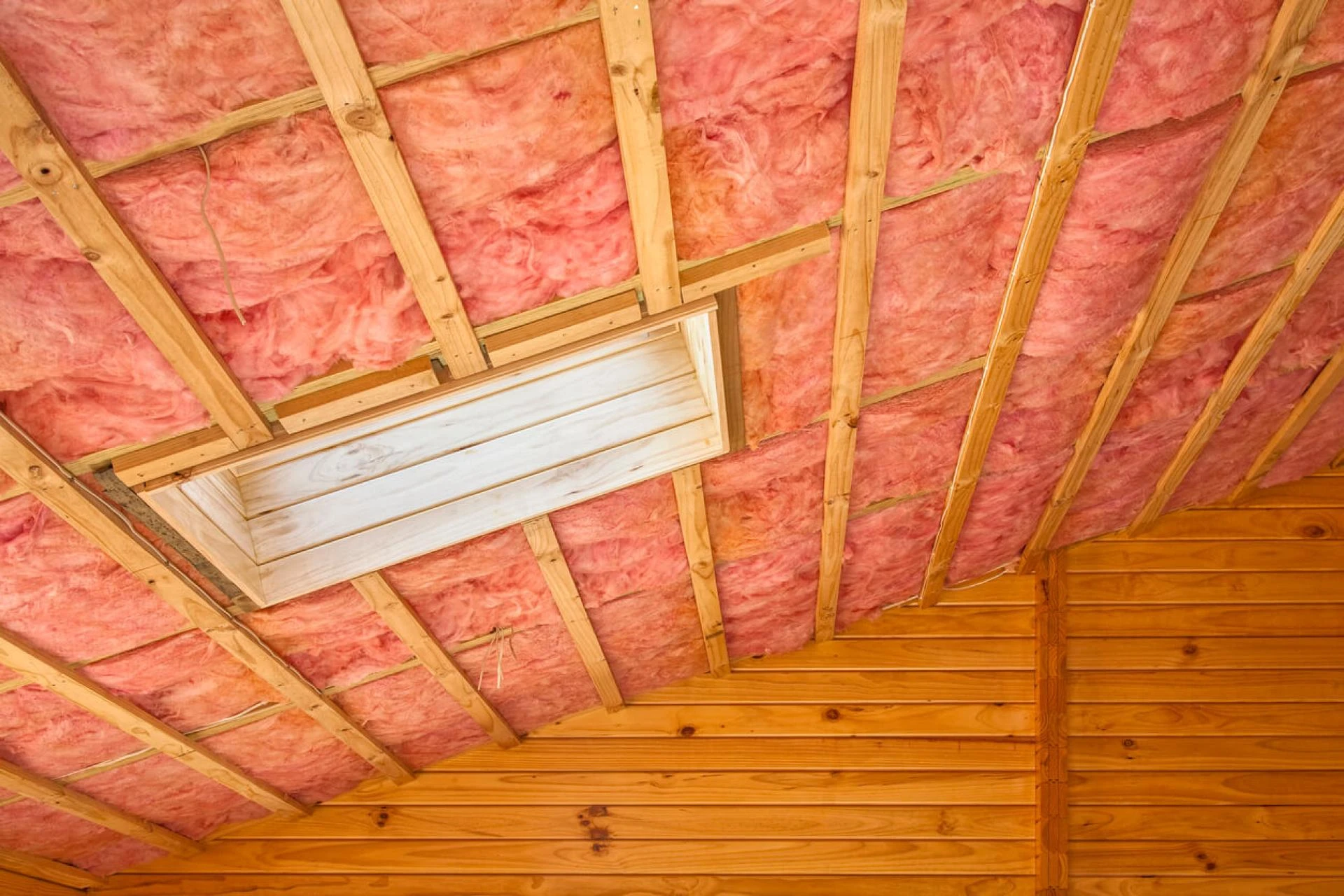
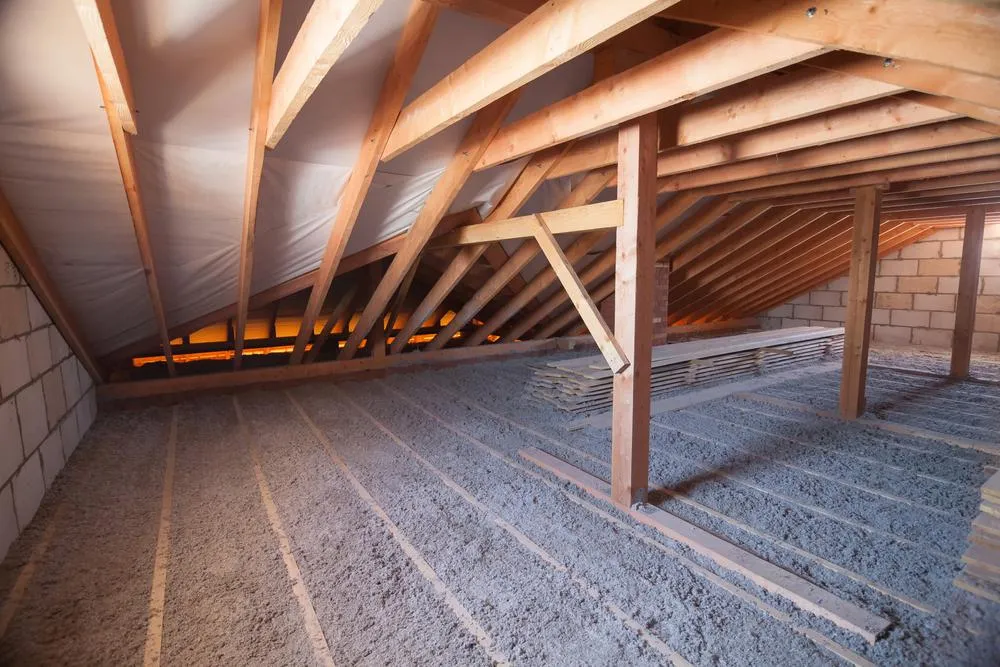
Every joint or gap in a building envelope has the potential to lose energy. Spray foam contains fewer of these leaks than fiberglass or cellulose by expanding to seal even the most irregular surfaces. A tighter envelope allows HVAC systems to operate less often or for shorter periods of time.
Real Energy Savings for Homes and Businesses in Pensacola
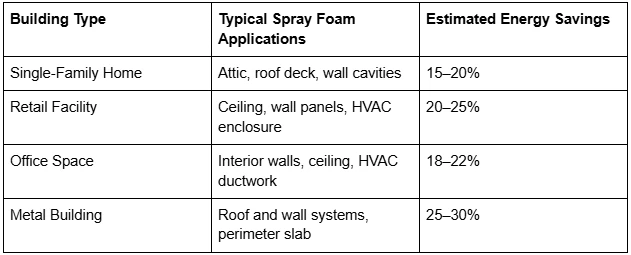
The Department of Energy estimates that spray foam insulation can reduce monthly energy use by 15–25% depending on the application and property age. In Pensacola, that can mean hundreds of dollars in annual savings.
Residential Energy Performance
In homes, attics are often the primary source of heat gain and loss. Applying closed-cell spray foam to roof decks and attic walls helps stabilize attic temperatures and reduce strain on HVAC units.
Commercial Efficiency Gains
Commercial properties such as office buildings, warehouses, and retail spaces benefit from consistent interior temperatures and reduced load on HVAC systems. Spray foam applied to walls, ceilings, and mechanical rooms improves efficiency while meeting local energy codes.
Less Strain on Your HVAC System
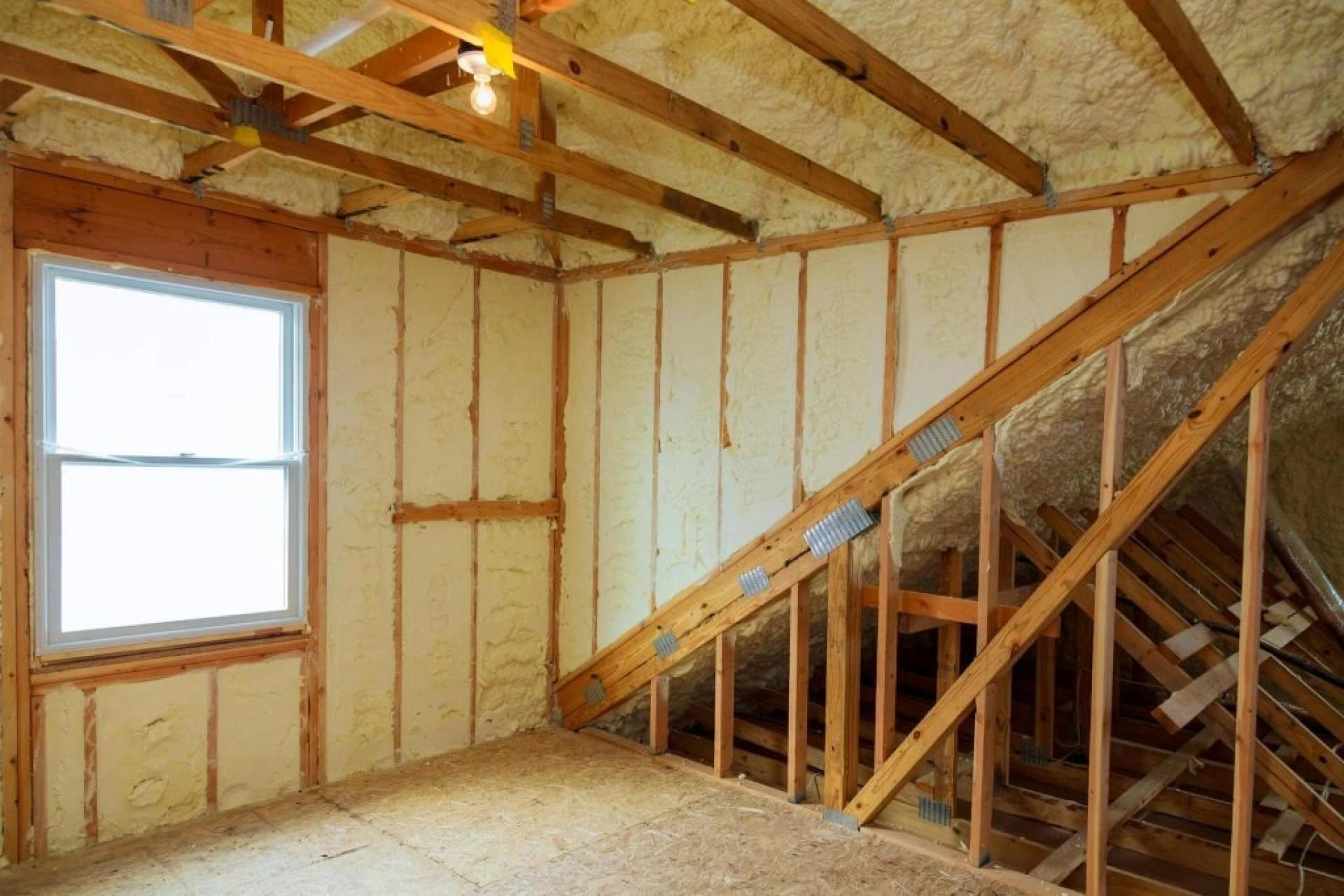
Energy-efficient buildings don’t just use less power—they also place less strain on their mechanical systems. Spray foam insulation helps reduce daily HVAC runtime, resulting in less wear and fewer breakdowns.
How Spray Foam Impacts System Longevity
- Less cycling means extended equipment life
- Improved indoor temperature control reduces thermostat fluctuations
- Lower humidity levels reduce corrosion and duct mold growth
HVAC repairs and replacements are among the most expensive property maintenance costs. Reducing load and runtime directly lowers that long-term expense.
Keeping Moisture and Humidity Out in Florida Homes
High humidity can cause damage to both structural components and indoor air quality. Spray foam experts in Pensacola use closed-cell foam to limit vapor transmission and block moisture intrusion.
Vapor Barrier Properties
Closed-cell spray foam acts as both an insulator and vapor retarder. This dual function reduces the risk of:
- Mold and mildew growth inside walls
- Condensation around cold surfaces
- Wood rot and material degradation
Better Indoor Air Quality
By reducing moisture levels and sealing out outdoor pollutants and allergens, spray foam supports better indoor air quality for both residential and commercial spaces.
More Than Just Energy Savings Over Time
The benefits of working with experienced spray foam experts extend beyond energy savings. A professionally installed spray foam system can contribute to overall property value, resilience, and comfort.
Insurance Incentives and Code Compliance
- Closed-cell foam strengthens roof and wall systems, qualifying for wind mitigation discounts
- Meets or exceeds Florida building code requirements for energy efficiency
- Fire-rated formulations available for commercial use
Comfort, Sound, and Structural Stability
Spray foam dampens sound transmission between rooms and from outside. It also adds structural integrity by bonding surfaces together, especially in hurricane-prone regions like Pensacola.
What Spray Foam Experts Look for During Installation
A professional installation process is critical to performance. Certified spray foam experts follow a detailed site evaluation to determine the correct material, location, and application technique.
Key Assessment Areas
- Building age and construction type
- Presence of existing insulation
- Airflow patterns and leakage points
- Humidity zones and vapor concerns
This pre-installation step ensures the chosen spray foam delivers maximum benefit based on the property’s current condition and goals.
Common Applications Spray Foam Experts Recommend
Spray foam can be used across a variety of structures and surfaces. Experts often apply it in:
- Residential attic insulation
- Commercial roofing systems
- Metal building envelopes
- Crawl space encapsulation
- HVAC duct sealing
- Storage units and garages
Matching the right foam type and thickness to the building’s needs is essential for achieving full performance.
Ready to Obtain Energy-Efficient Indoor Performance?
Insulation performance directly affects building performance, energy consumption, and comfort. Spray foam professionals in Pensacola ensure that air leakage, moisture, and HVAC inefficiency are eliminated at the source.
Prestige Insulation Solutions provides end-to-end spray foam services for residential and commercial construction. Being a full‑service home improvement firm, the crew is dedicated to building performance and efficiency from the ground up to the rooftop.
Call (850) 429‑4969 or email [email protected] to reserve your assessment today.
FAQs
How does spray foam reduce energy bills in Pensacola homes?
Spray foam seals air leaks and adds high R-value insulation, helping stabilize indoor temperatures and reduce HVAC usage. This lowers monthly energy consumption and long-term costs.
Is closed-cell foam better for Florida's humidity?
Yes. Closed-cell foam acts as a vapor barrier and is water-resistant, making it well-suited for Florida’s humid climate. It also adds structural rigidity and resists mold growth.
Can spray foam be installed in older buildings?
Yes. Spray foam experts evaluate the building's existing insulation and apply foam in areas like attics, walls, and crawl spaces without requiring full demolition.
How long does spray foam insulation last?
Spray foam can last over 30 years without sagging or losing performance. When applied correctly, it provides consistent air sealing and moisture protection throughout its lifespan.
Does spray foam improve commercial building efficiency?
Spray foam helps maintain stable indoor temperatures, reduce HVAC strain, and block outdoor air infiltration. These effects directly lower utility costs for commercial properties.
Author: Rene Zamarripa Spray foam installer and owner with over 17 years of experience in residential and commercial insulation. Skilled in spray foam application, R-value calculations, and performance-based insulation strategies.
Reviewer: Benjamin Lee Industry veteran with 13 years of spray foam expertise. Focused on helping insulation businesses reach more property owners through clear and trustworthy information.























Sign in to leave a comment.