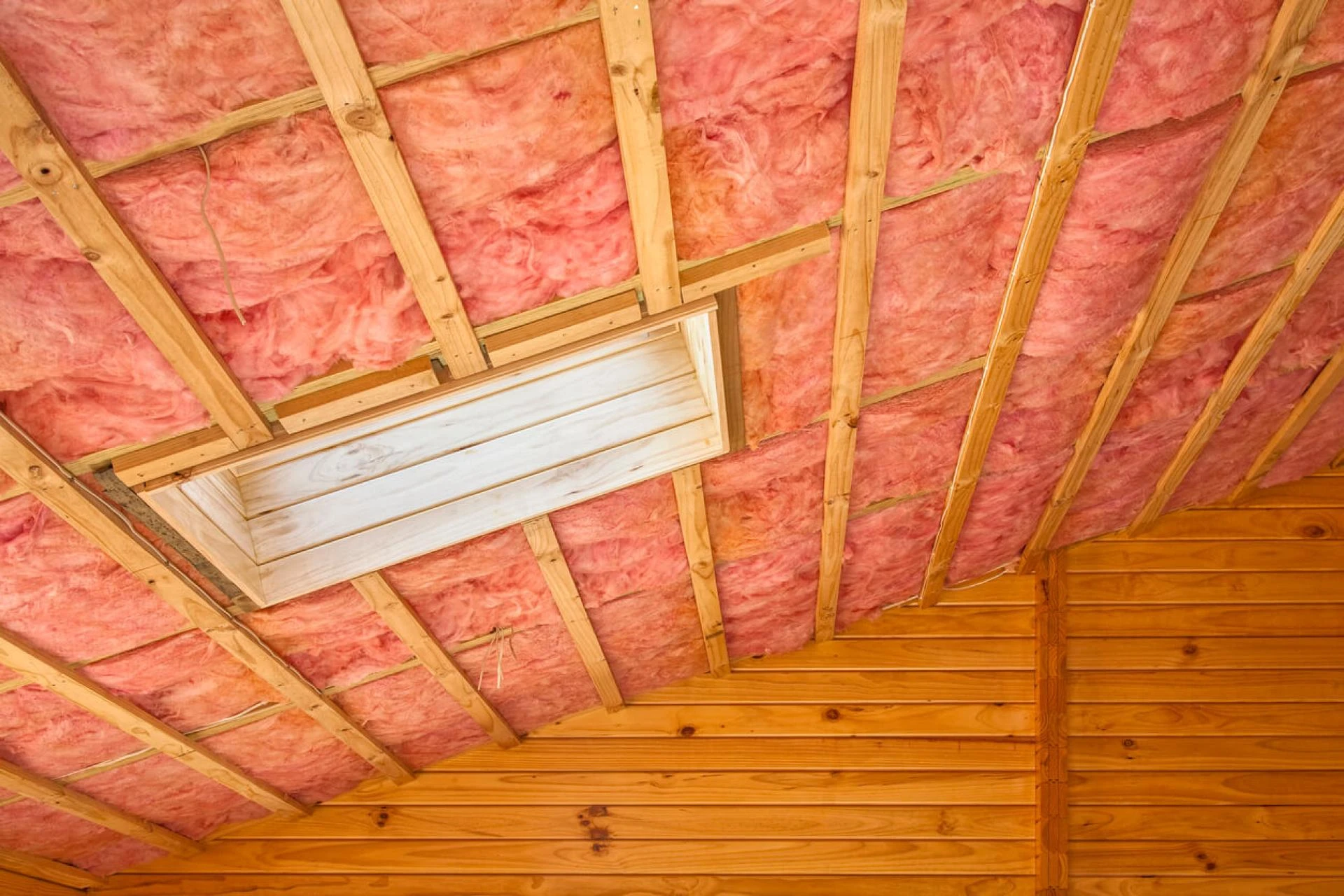

Upgrading roof insulation isn’t just about adding comfort or ticking a box for building standards—it’s about making a smart investment that saves money and stresses down the line. If the roof feels like the weak link in your property’s energy efficiency, the right insulation upgrade can fix that and then some.
Many building owners put off this step because it sounds complicated or expensive, but the payoff often surprises people. This article breaks down the essentials of Professional roof insulation upgrades, focusing on what matters most for residents and commercial property owners trying to make the best choice.
Why Upgrade Roof Insulation?
The roof is one of the biggest points where heat escapes in winter and enters in summer. Without proper insulation, HVAC systems work overtime to keep temperatures steady. Upgrading roof insulation tackles this problem head-on.
Energy Efficiency and Cost Savings
Good insulation slows heat transfer, reducing energy demand for heating and cooling. Over time, these savings add up and pay for the upgrade itself. For commercial buildings with large roof areas, the impact can be dramatic.
Comfort and Building Protection
Beyond energy bills, insulation stabilizes indoor temperatures and reduces drafts. It also prevents moisture buildup, which can lead to structural damage or mold. A properly insulated roof extends the life of the building and improves comfort for occupants.
Fun fact: The roof can account for up to 25% of heat loss in an uninsulated building.
Choosing the Right Roof Insulation Material
Not all insulation is created equal. The best choice depends on building type, climate, and budget, but knowing your options helps make an informed decision.
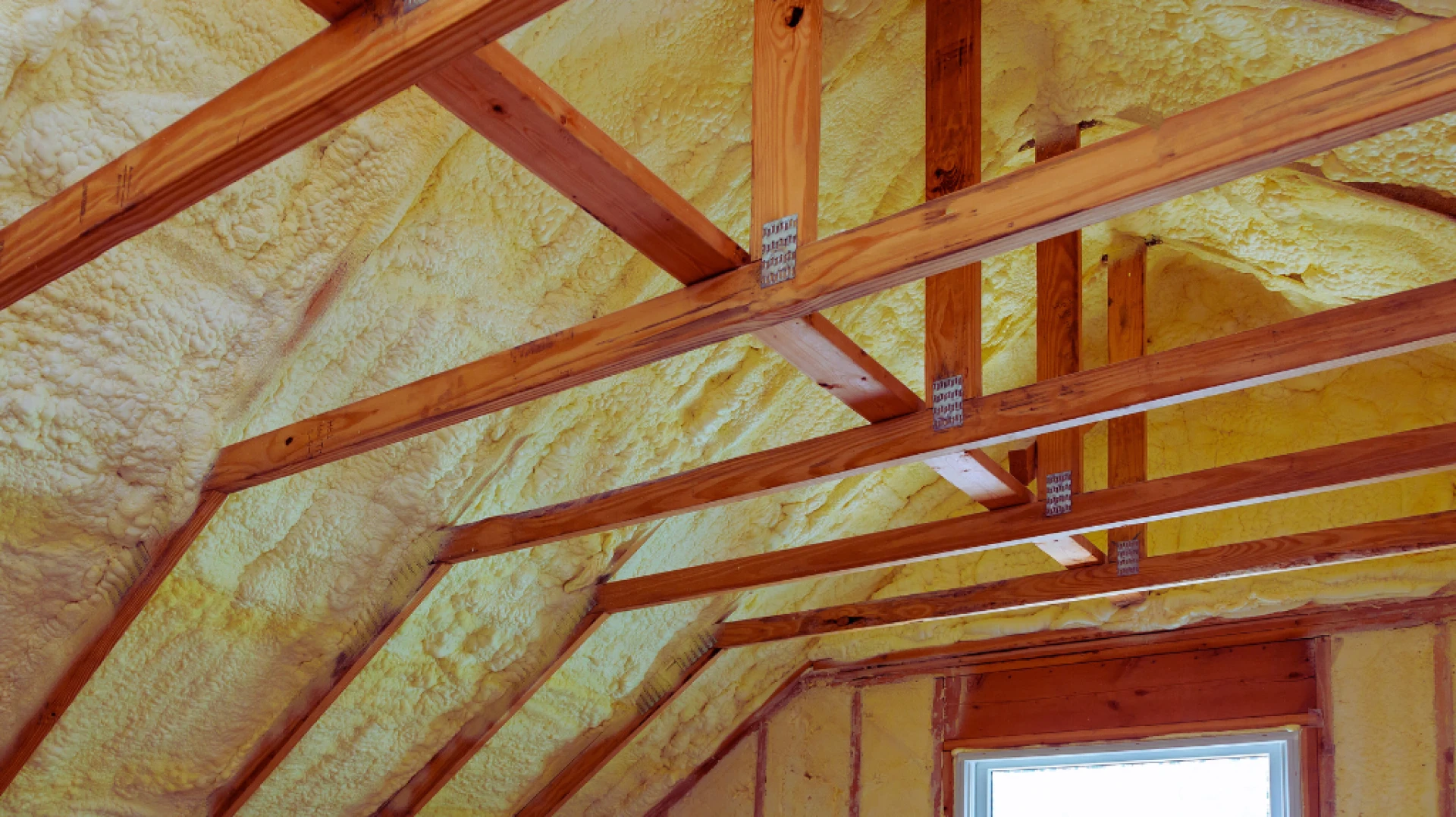
Spray Foam Insulation
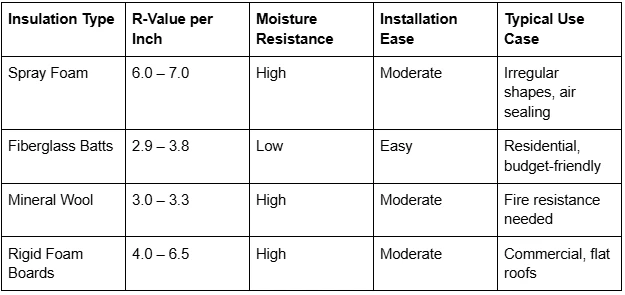
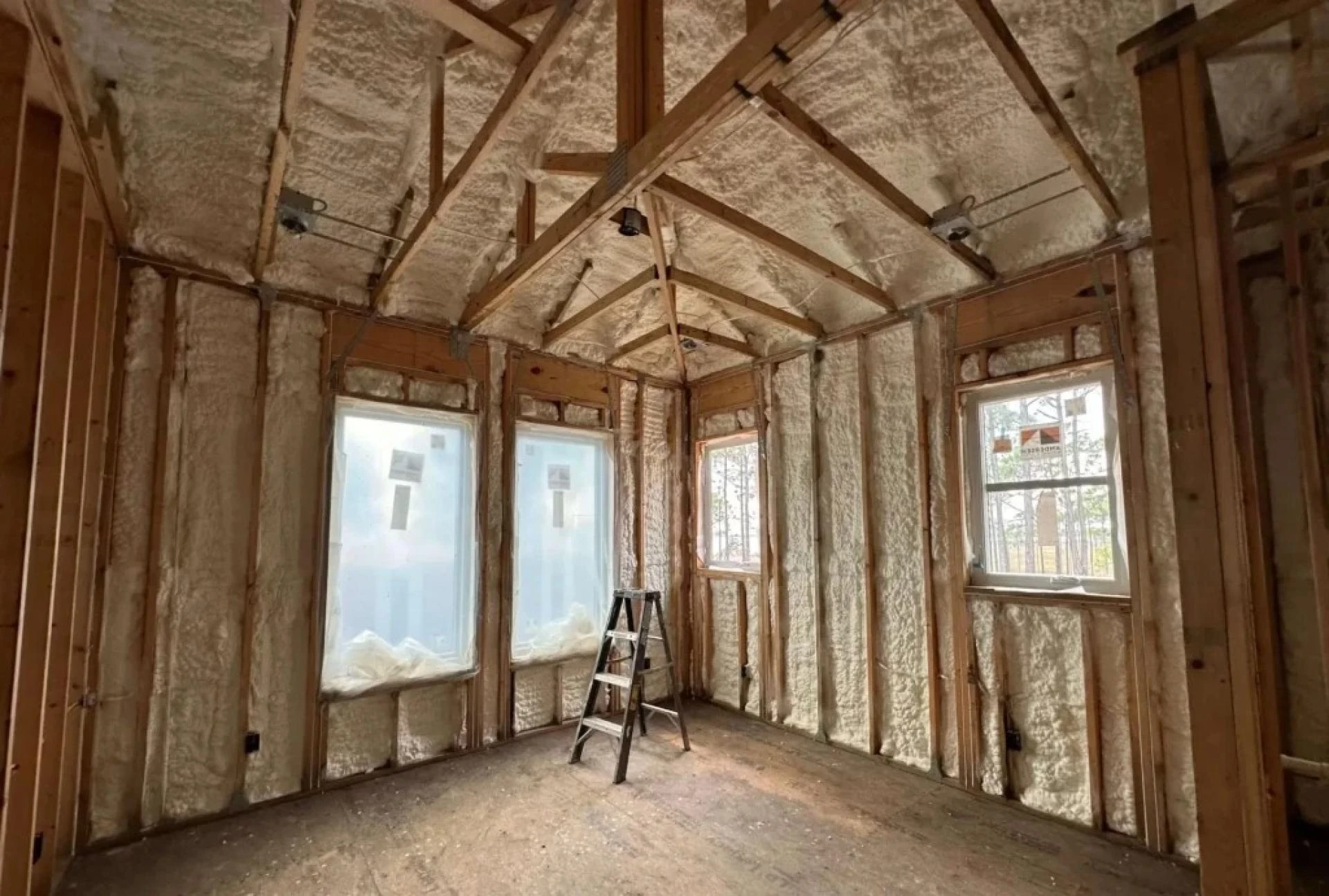
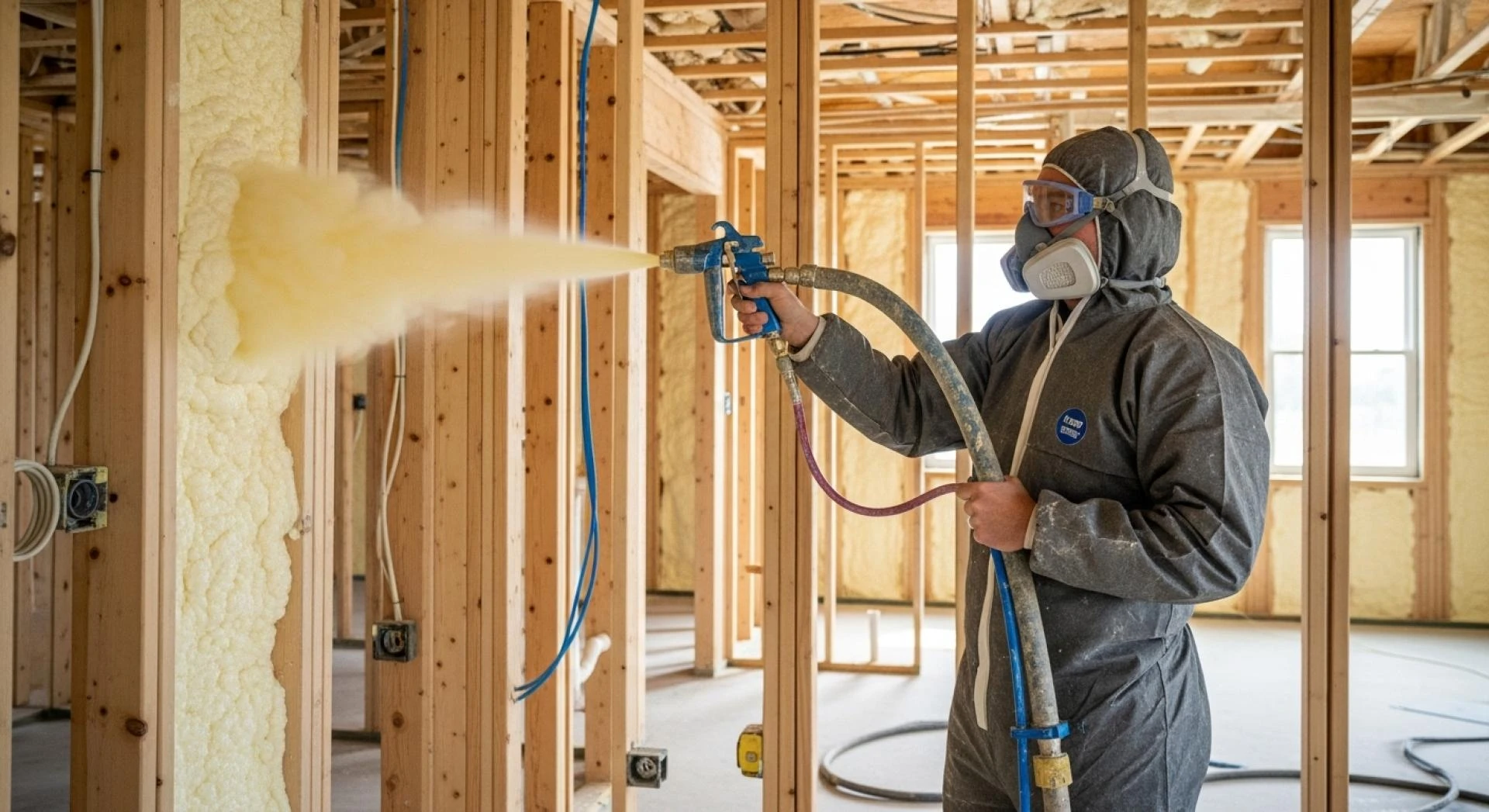
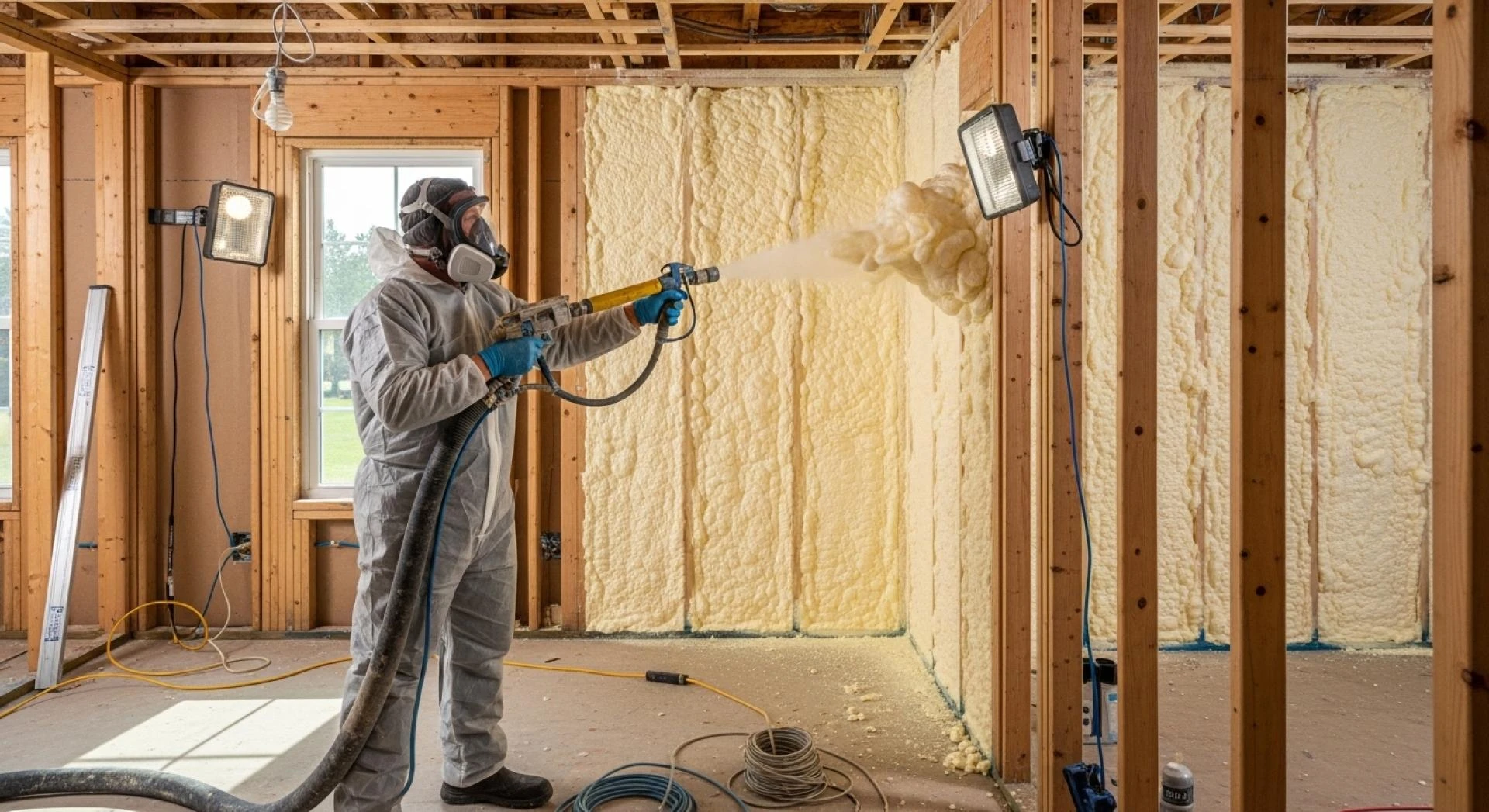
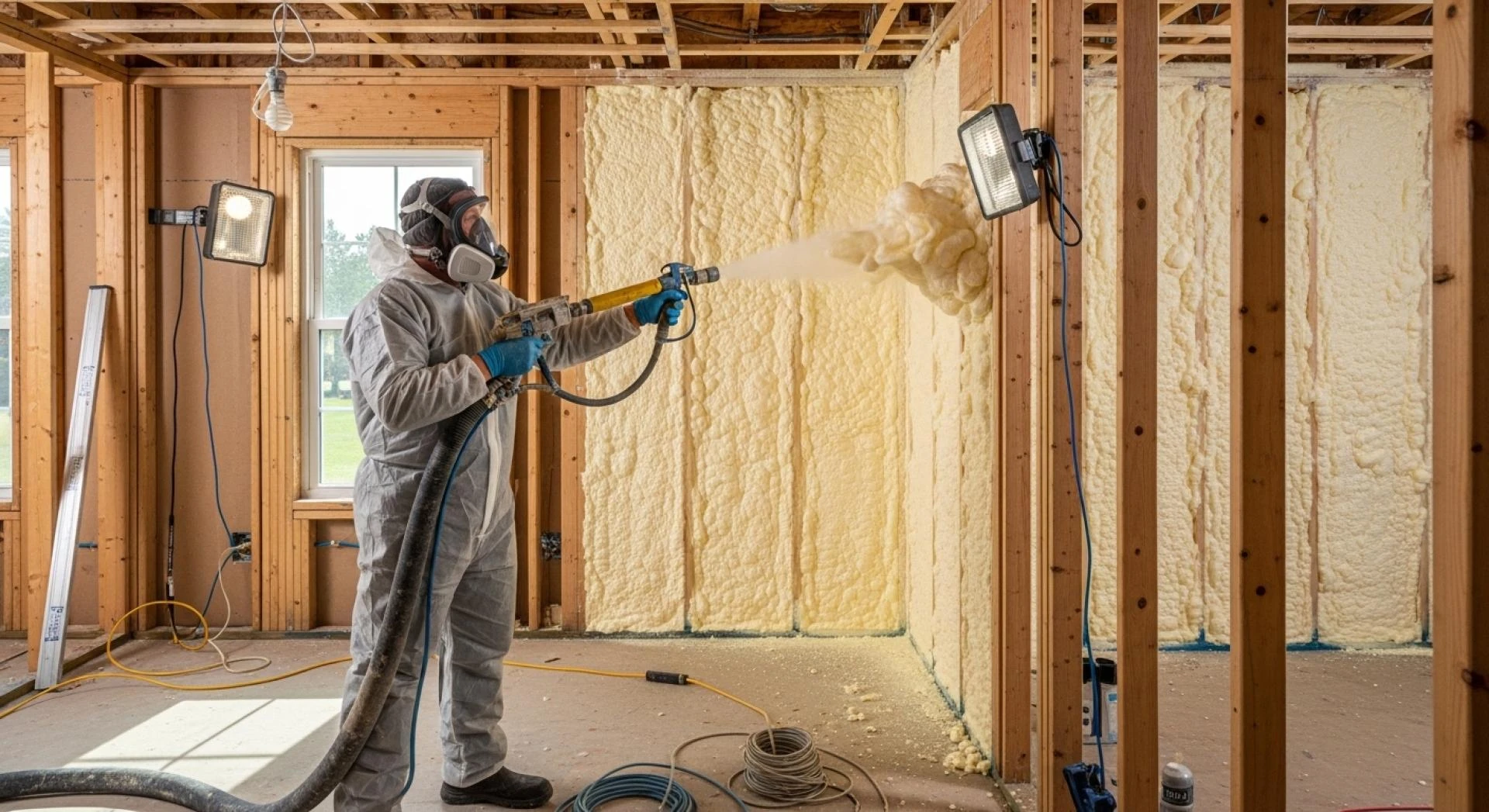
Spray foam forms a seamless barrier that seals gaps and cracks while providing high R-values per inch. It’s excellent for irregular roof shapes and areas hard to insulate with batts or boards.
Fiberglass and Mineral Wool
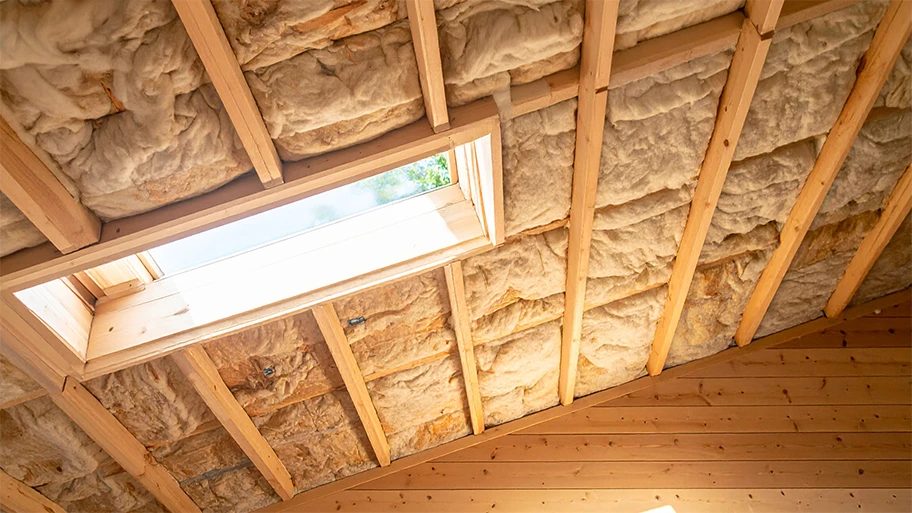
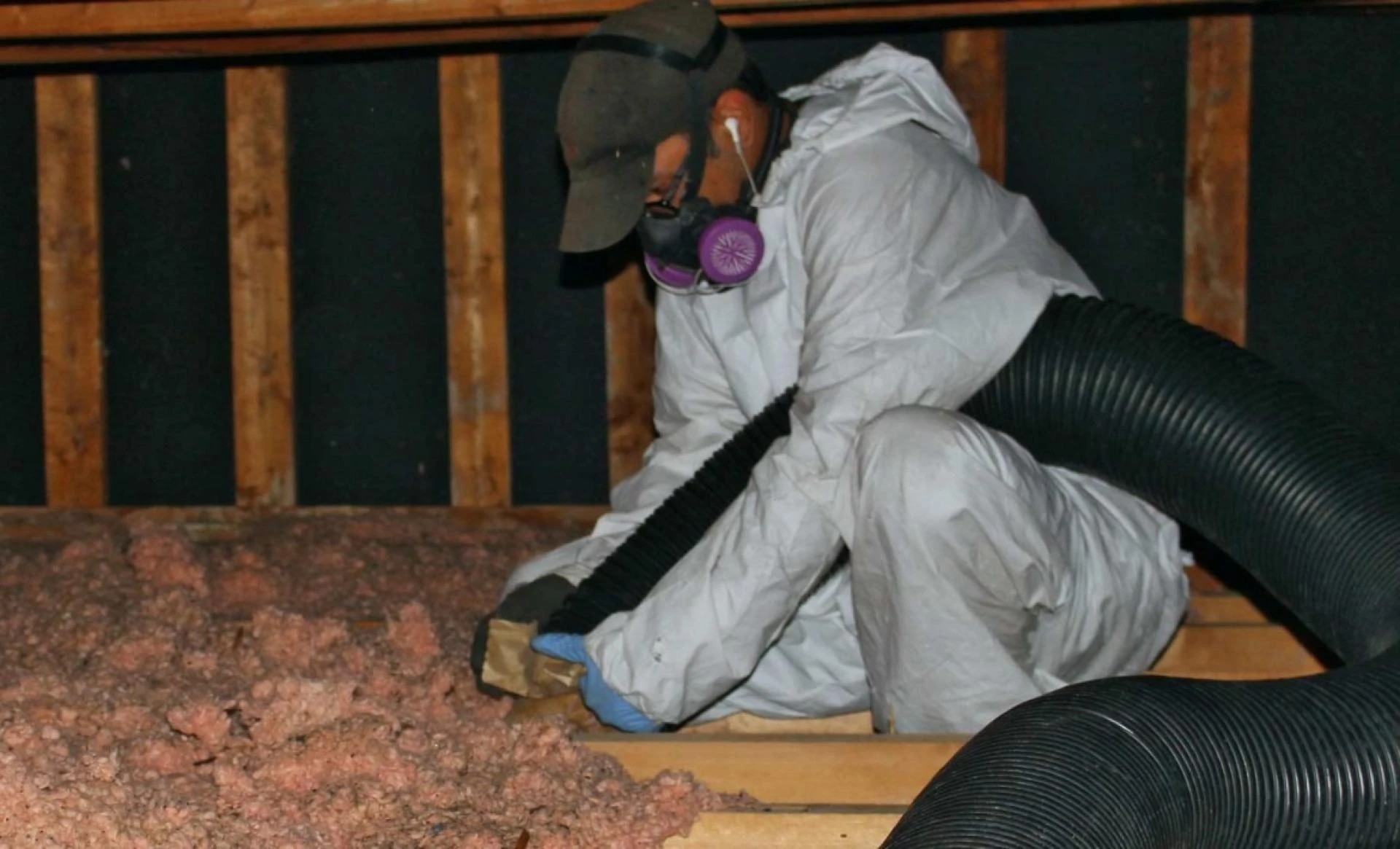
Fiberglass is a common option due to affordability and ease of installation. Mineral wool resists fire better and handles moisture well, making it suitable for commercial use where regulations are strict.
Rigid Foam Boards
Rigid foam panels offer high insulation values and are often used in commercial roofing systems. They’re durable and resist water but require proper sealing to prevent air leaks.
Comparison Table: Insulation Materials for Roof Upgrades
Fun fact: Spray foam insulation can improve structural strength by bonding roof components together.
How to Maximize the ROI of Your Roof Insulation Upgrade
Upgrading insulation isn’t just about picking a product and installing it. There are steps to make sure the investment truly pays off.
Assess Existing Roof Conditions
Check for leaks, damage, or moisture issues before adding insulation. Insulating over a compromised roof only traps problems and reduces effectiveness.
Focus on Air Sealing
Even the best insulation can fail if air leaks exist. Properly sealing gaps around vents, chimneys, and edges improves overall performance.
Match Insulation to Climate Needs
Colder climates benefit from higher R-values, while hot climates might prioritize materials that reflect heat or provide vapor barriers.
Consider Ventilation
Proper ventilation reduces moisture buildup and helps maintain insulation performance. Balance insulation upgrades with roof ventilation improvements.
Common Question: How Long Does It Take to Recoup the Cost of a Roof Insulation Upgrade?
The payback period varies based on energy prices, insulation type, and building size but generally ranges from 3 to 7 years. Energy savings start immediately after installation, so each year beyond payback adds real value. Improving insulation also increases property appeal and may qualify for rebates or incentives.
Conclusion
Upgrading roof insulation is a smart move for residents and commercial property owners looking to cut energy costs and improve comfort with Prestige insulation Solutions. Choosing the right material, addressing existing roof issues, and focusing on air sealing and ventilation make all the difference in maximizing returns.
This investment not only reduces utility bills but protects the building structure and boosts long-term value. Taking a clear, informed approach to roof insulation upgrades turns what can seem like a hassle into a payoff that lasts for years.
FAQs
How do I know if my roof insulation needs upgrading?
If your energy bills are climbing, indoor temperatures feel uneven, or your roof insulation is over 20 years old, an upgrade might be overdue. Visible damage or moisture issues are also key signs.
Can roof insulation be installed over existing insulation?
Yes, but the existing insulation should be inspected for damage or moisture first. Adding insulation on top can boost R-value but layering without addressing problems can trap moisture.
Is spray foam insulation better than traditional fiberglass for roofs?
Spray foam offers better air sealing and higher R-values per inch. However, fiberglass may be more cost-effective in some cases. Choice depends on roof design, budget, and performance goals.
Will roof insulation upgrades affect ventilation requirements?
Yes, adding insulation often requires balancing ventilation to prevent moisture buildup. Improving roof vents or adding exhaust fans may be necessary.
Are there incentives for upgrading roof insulation?
Many regions offer rebates or tax credits for energy-efficient upgrades, including roof insulation. Check local programs to reduce upfront costs and improve payback.
Author and Reviewer
Author: Rene Zamarripa, spray foam installer and owner, began in the insulation industry in 2008 with Key Insulation in San Antonio. After 17 years of hands-on experience, now owns a successful insulation company with aspirations to franchise. Knowledgeable in R-values, insulation processes, and various components used in both residential and commercial applications. Experienced in identifying the right insulation solutions for different structures, including spray foam, fiberglass, and cellulose. Trained in operating spray foam rigs, managing temperature and pressure settings, ensuring proper material mix, and following safety standards. Understands the technical and practical skills required to deliver consistent, high-quality insulation and guide others in the trade.
Reviewer: With over 13 years in spray foam insulation, Benjamin Lee reviewed this content and offered feedback aimed at helping growing businesses connect with local homeowners and commercial clients more effectively.


























Sign in to leave a comment.