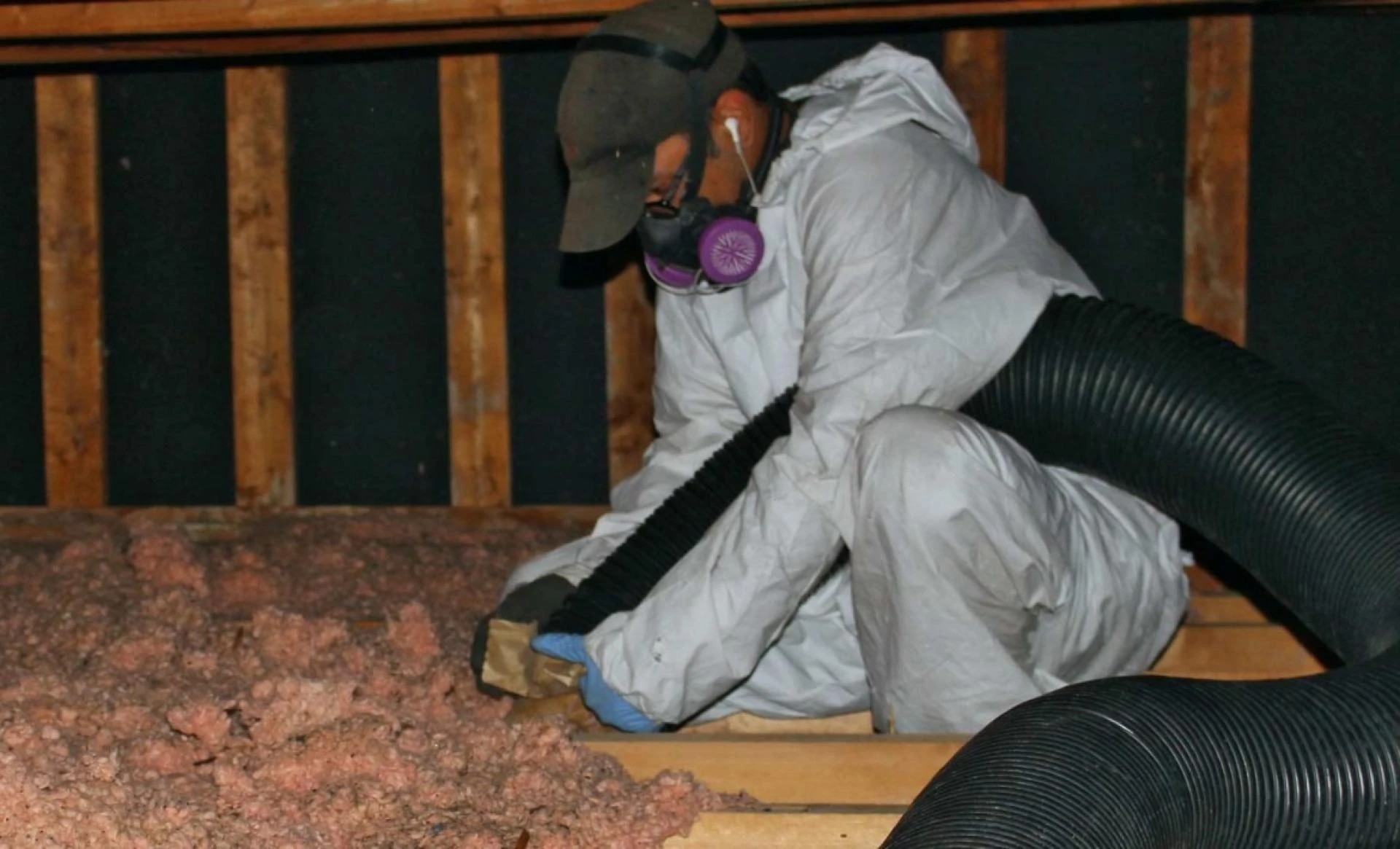

Professional Insulation removal is a process that requires more than just pulling old material out of walls or attics. It directly impacts building safety, indoor air quality, and future energy performance. Whether in residential or commercial properties, improper removal can release harmful particles, damage structures, or compromise the efficiency of new insulation. Safe and effective removal involves preparation, proper tools, and knowledge of building systems.
Why Safe Insulation Removal Matters
The condition of old insulation influences both health and building performance. Removal is often required when insulation becomes damaged, wet, moldy, or outdated. Leaving it in place can cause air quality issues, energy loss, or structural deterioration. Safe removal protects occupants and ensures the building is ready for modern materials.
Risks of Leaving Damaged Insulation in Place
Old insulation can trap moisture and harbor mold or pests. Over time, these problems lead to wood rot, odors, and health risks. Damaged fiberglass and cellulose lose their R-value, allowing energy to escape and increasing heating or cooling costs.
Health Concerns During Removal
Dust, fibers, and contaminants can enter the air during insulation removal. Without protective equipment and containment, these particles irritate lungs, skin, and eyes. In commercial spaces, larger quantities of contaminated insulation raise the risk of widespread air quality problems.
Preparing for New Insulation
Effective removal ensures that new insulation performs as designed. Residual debris or moisture reduces effectiveness and may shorten the lifespan of replacement materials. A clean substrate allows for even coverage, whether using spray foam, fiberglass batts, or cellulose.
Methods for Insulation Removal
Different insulation types require different removal strategies. Each method must balance efficiency with safety to avoid contaminating indoor air or damaging the building structure.
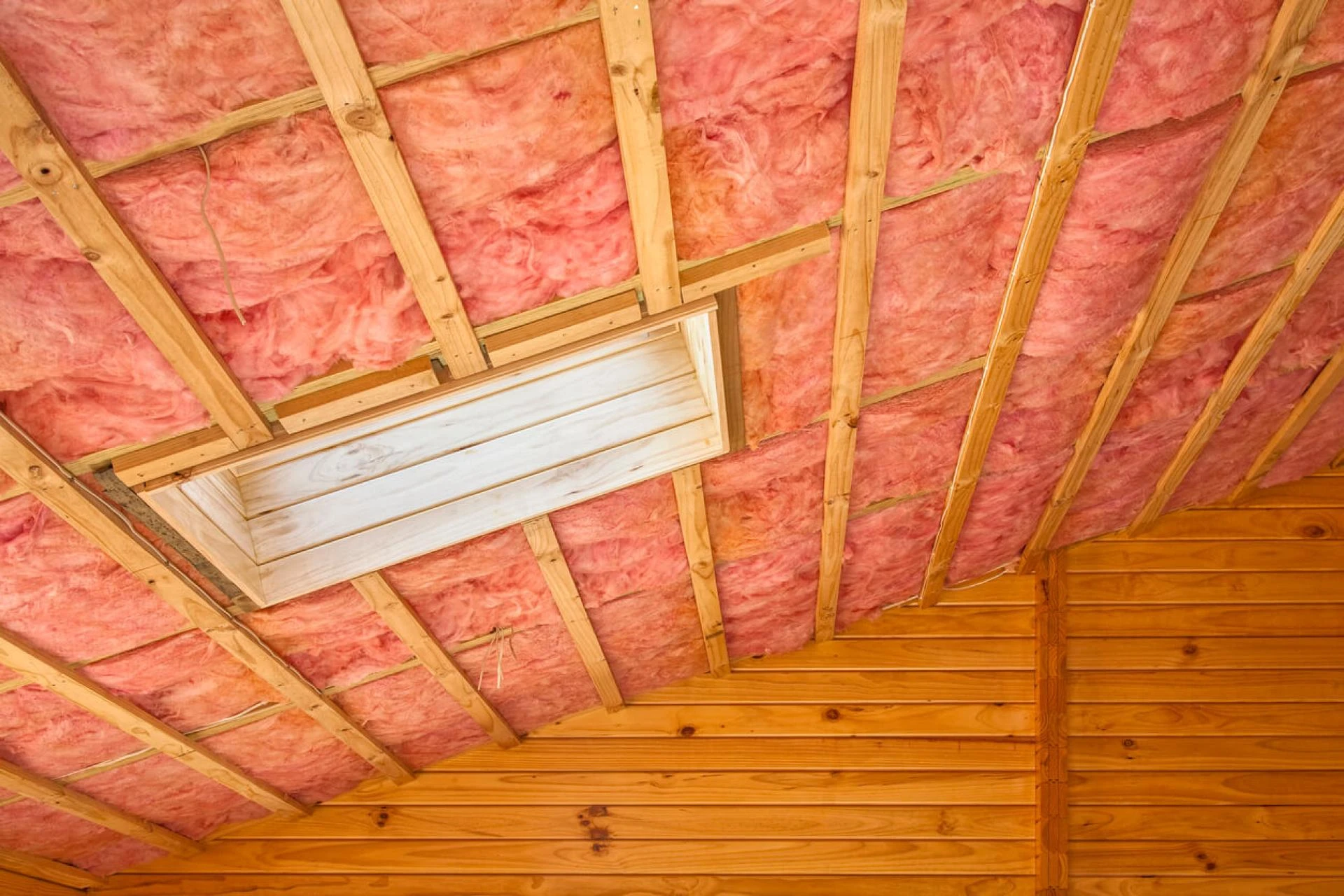
Fiberglass Insulation Removal
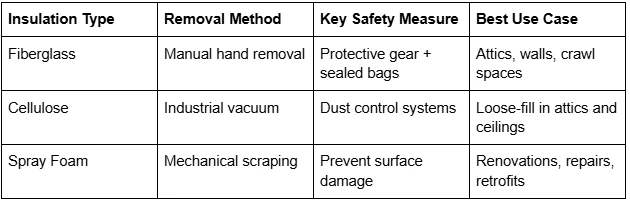
Fiberglass batts are typically removed by hand. Workers wear protective suits, gloves, and masks to prevent irritation from glass fibers. Plastic bags or sealed containers keep removed insulation from spreading fibers inside the property.
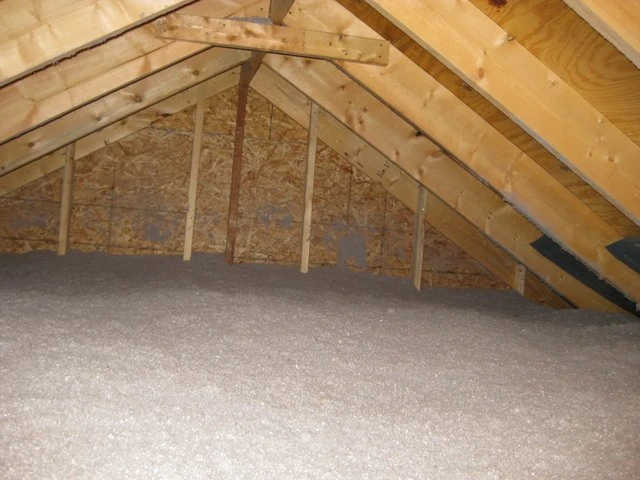
Cellulose Insulation Removal
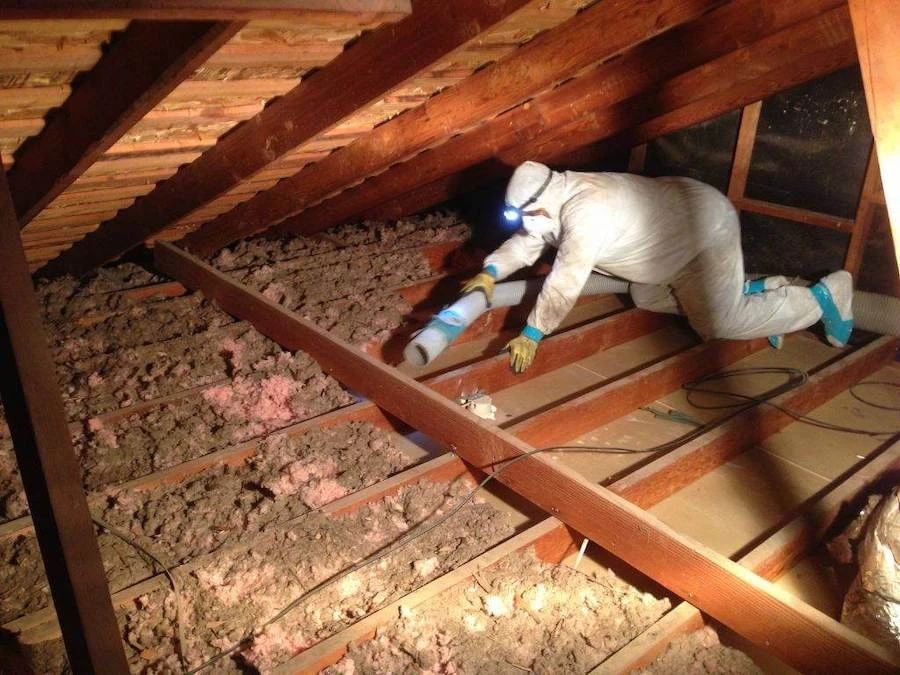
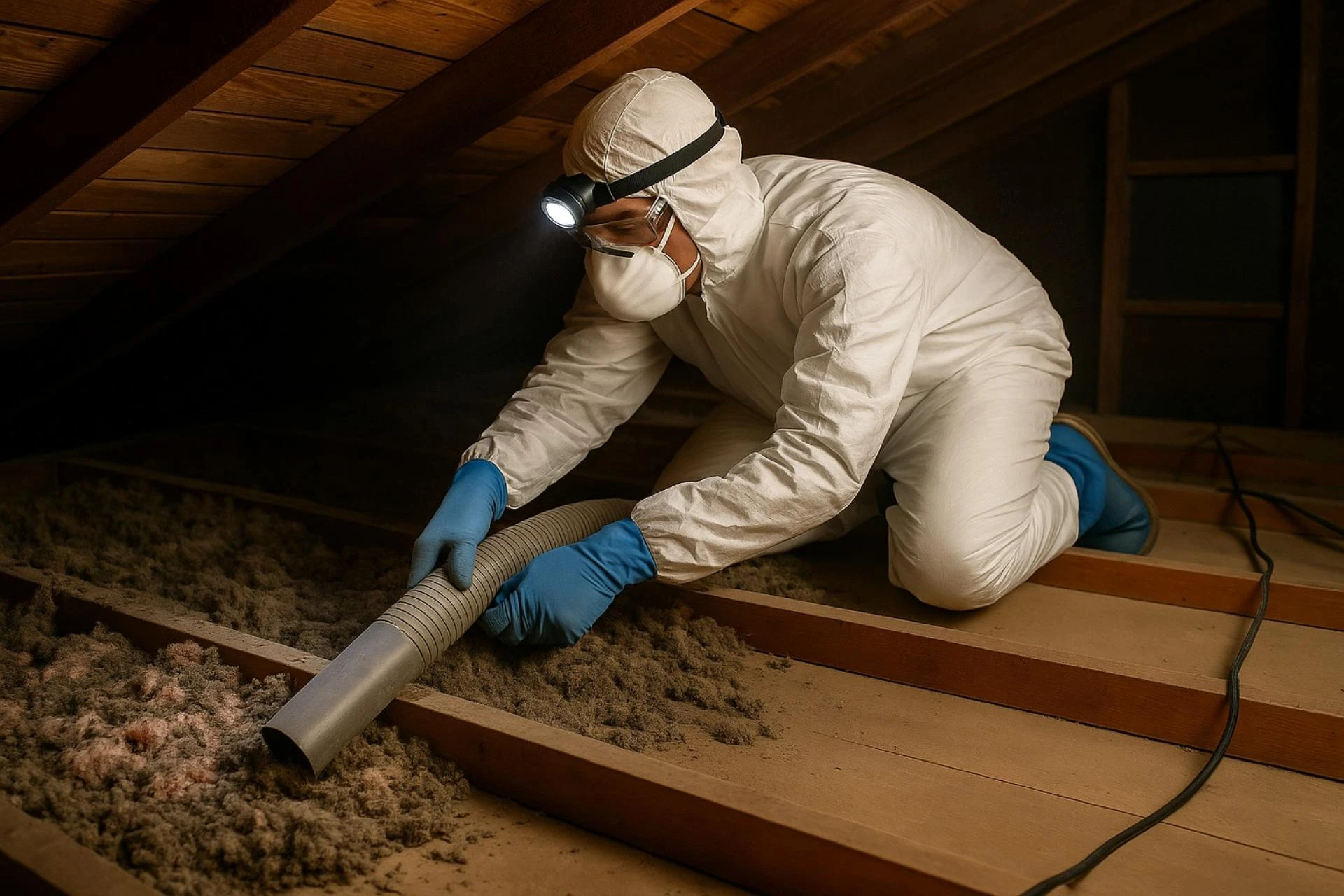
Loose-fill cellulose often requires a high-powered vacuum system. The vacuum transfers material into large bags outside the building, preventing dust from spreading. This method is faster and safer than manual removal, especially in attics or commercial ceilings.
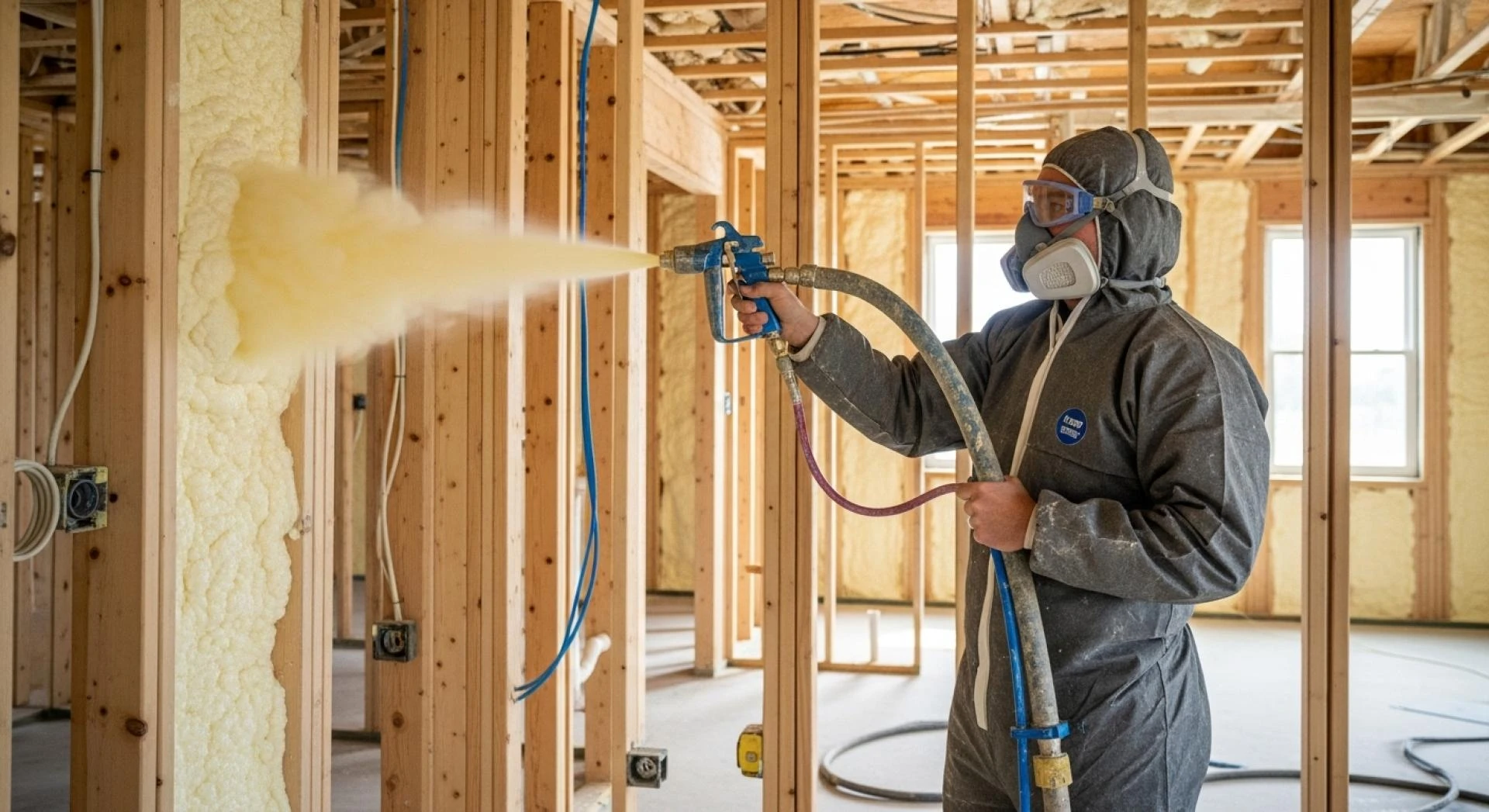
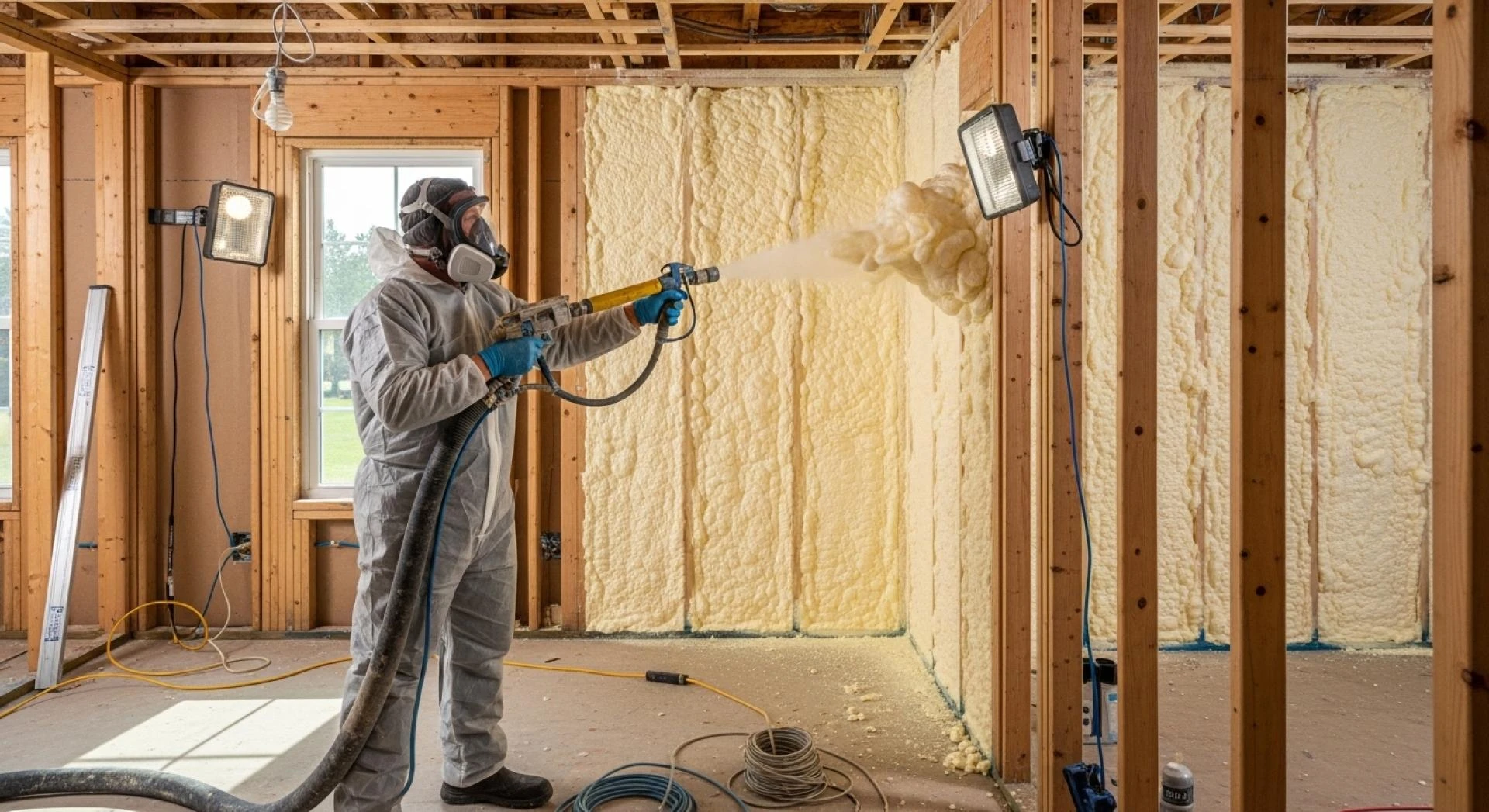
Spray Foam Insulation Removal
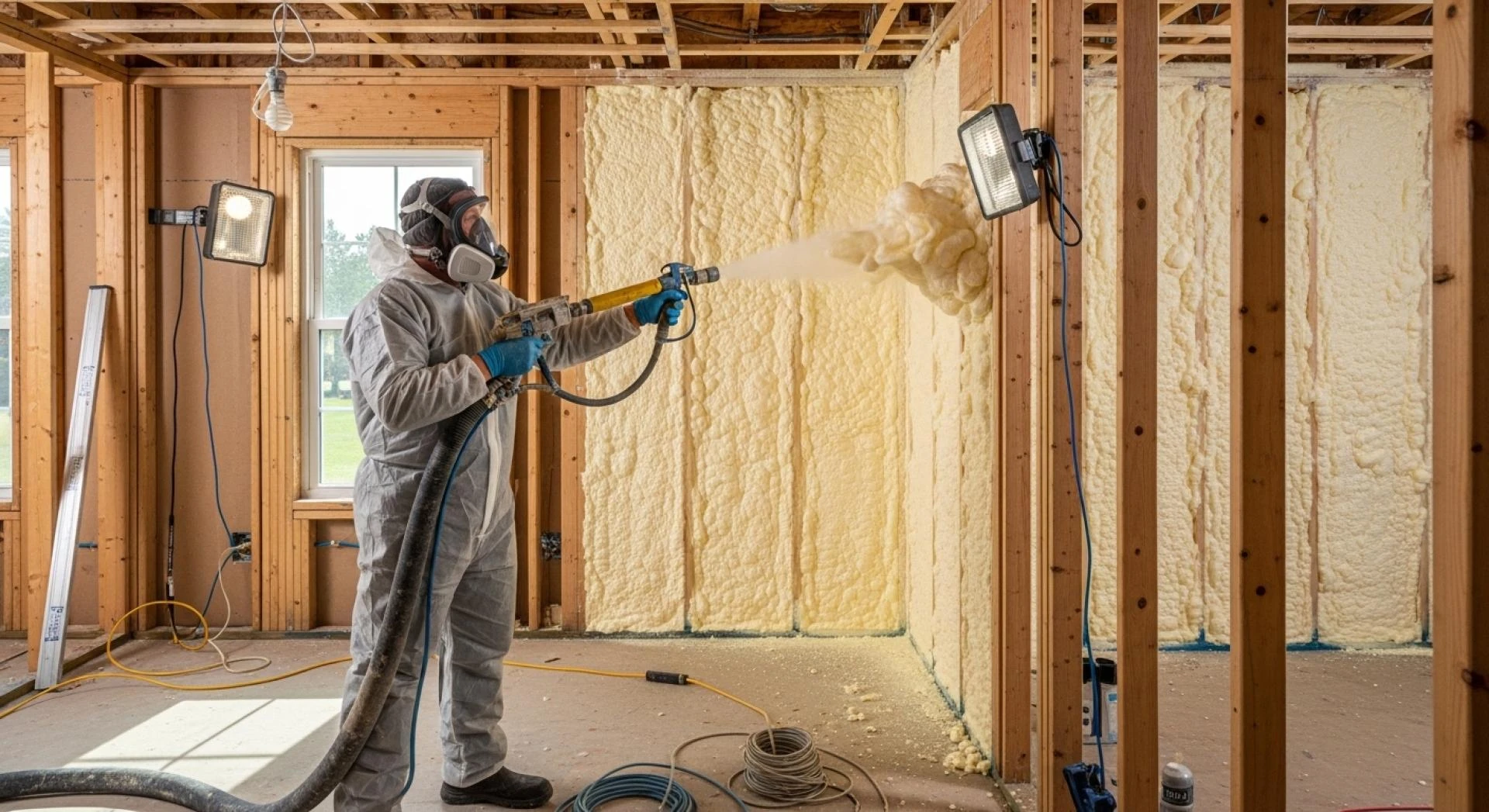
Spray foam is more difficult to remove since it adheres directly to surfaces. Mechanical tools such as scrapers or saws are used to break down hardened foam. Careful technique prevents damage to roof decking, studs, or drywall beneath the foam.
Comparison Table: Insulation Removal Methods
Safety Procedures During Insulation Removal
Safety is the most important factor during removal. Proper preparation and protective steps reduce exposure to harmful particles and prevent property damage.
Personal Protective Equipment (PPE)
Respirators, gloves, goggles, and disposable coveralls protect workers from dust, mold, and fibers. In larger jobs, air scrubbers or negative air machines may be used to filter airborne contaminants.
Containment and Air Quality Control
Sealing off work zones with plastic sheeting prevents dust from entering occupied areas. Ventilation systems should be temporarily sealed to avoid spreading particles through ductwork. Air purifiers can improve safety during and after removal.
Safe Disposal of Removed Materials
Bagged insulation should be sealed and disposed of at approved facilities. Dumping insulation with regular waste may violate local regulations, especially if the material is contaminated with mold or pests.
When Professional Insulation Removal Is Needed
Not all removal projects can be done safely by property owners. Complex cases often require professional equipment and training to avoid risks.
Mold or Pest-Infested Insulation
Insulation contaminated by mold, rodents, or insects carries health hazards. Professional removal includes sanitization steps that restore air quality.
Large-Scale Commercial Projects
Commercial buildings often contain thousands of square feet of insulation. Industrial-grade vacuums, lifts, and safety systems are necessary to remove material efficiently and without disrupting building operations.
Spray Foam or Hard-to-Reach Areas
Spray foam attached to structural components requires skill to remove without damage. Professionals use specialized tools and techniques to separate foam from wood, metal, or concrete surfaces.
Common Question: Is DIY Insulation Removal Safe?
DIY removal can be safe for small jobs, such as removing a few batts of fiberglass in an attic. However, larger projects involving cellulose, spray foam, or mold-contaminated insulation are safer when handled by trained professionals. The main concern with DIY work is exposure to harmful particles and incomplete removal that affects new insulation performance.
Conclusion
Insulation removal is a critical step in maintaining healthy and efficient buildings. Safe practices protect air quality, prevent structural damage, and ensure the effectiveness of future insulation. Each insulation type—fiberglass, cellulose, or spray foam—requires a specific removal method supported by protective measures.
For residents and commercial property owners, the decision often comes down to scale and condition. Small, clean jobs may be manageable, but large-scale or contaminated insulation removal demands professional handling. Taking the right approach ensures that buildings remain safe, efficient, and prepared for modern insulation systems.
Visit us: https://maps.app.goo.gl/awuqECcv4spqGdeV6
FAQs
How often should insulation be replaced or removed?
Insulation should be removed when it is damaged, wet, moldy, or no longer performing effectively. Regular inspections help determine if removal is necessary.
What safety equipment is needed for insulation removal?
Protective clothing, gloves, respirators, and goggles are necessary. For larger projects, containment barriers and air scrubbers may also be required.
Can spray foam insulation be removed without damaging surfaces?
Yes, but it requires mechanical tools and careful technique. Professionals are best equipped to remove spray foam without harming structural components.
What is the safest way to dispose of old insulation?
Insulation should be sealed in heavy-duty bags and taken to approved disposal facilities. Some materials, especially those contaminated with mold, may require special handling.
Does insulation removal improve indoor air quality?
Yes. Removing damaged or contaminated insulation reduces dust, mold spores, and allergens that circulate inside buildings, improving overall air quality.
Author: Rene Zamarripa, spray foam installer and owner, began in the insulation industry in 2008 with Key Insulation in San Antonio. After 17 years of hands-on experience, now owns a successful insulation company with aspirations to franchise. Knowledgeable in R-values, insulation processes, and various components used in both residential and commercial applications. Experienced in identifying the right insulation solutions for different structures, including spray foam, fiberglass, and cellulose. Trained in operating spray foam rigs, managing temperature and pressure settings, ensuring proper material mix, and following safety standards. Understands the technical and practical skills required to deliver consistent, high-quality insulation and guide others in the trade.
Reviewer: With over 13 years in spray foam insulation, Benjamin Lee reviewed this content and offered feedback aimed at helping growing businesses connect with local homeowners and commercial clients more effectively.


























Sign in to leave a comment.