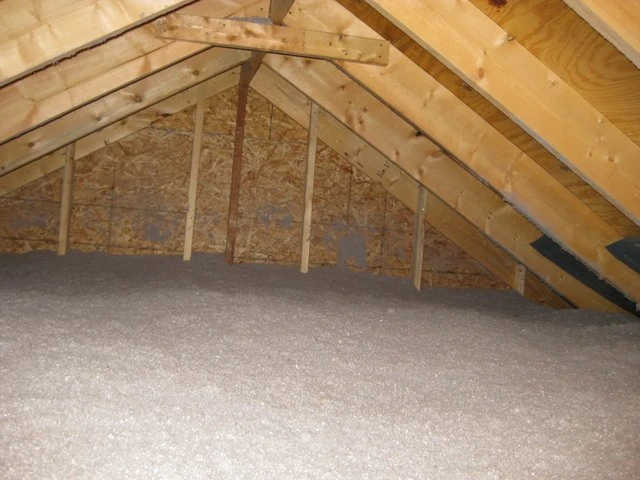

Yes, an upgraded blown-in insulation system can significantly enhance the efficiency of your HVAC system. It works by creating a more complete thermal barrier in your attic, which drastically reduces the amount of heat your home gains in the summer and loses in the winter. This means your air conditioner and furnace do not have to work nearly as hard or run as long to maintain the temperature you set on the thermostat. This reduced workload directly translates into lower energy consumption, which means cheaper utility bills and less wear and tear on your expensive HVAC equipment.
This guide will explain the direct relationship between attic insulation and HVAC performance, particularly in a hot climate. The information is based on the principles of building science and the practical experience of professional insulation contractors who see the direct impact of these upgrades on a daily basis.
The Connection Between Your Attic and Your AC Unit
In a place like Bellview, Florida, the attic is the biggest enemy of your air conditioner. On a sunny summer day, the temperature on your roof can reach 150 degrees or more. This intense heat radiates downward, turning your attic into an oven that can easily top 130 degrees. This massive amount of heat then pushes its way through your ceiling and into your living space.
The Overwhelming Cooling Load
This constant downward pressure of heat is known as the "cooling load." In a home with old, compacted, or insufficient insulation, this load is immense. Your AC unit is forced to run almost constantly, not just to cool your home, but to fight a never-ending battle against the heat coming from the attic. This is the single biggest reason for high summer electricity bills and is also the primary cause of premature HVAC failure. The system is simply overworked to the point of breaking down.
How Upgraded Blown-In Insulation Changes the Game
Upgrading your attic insulation with a modern blown-in product is a direct and highly effective way to reduce this cooling load.
It Creates a Seamless Thermal Blanket
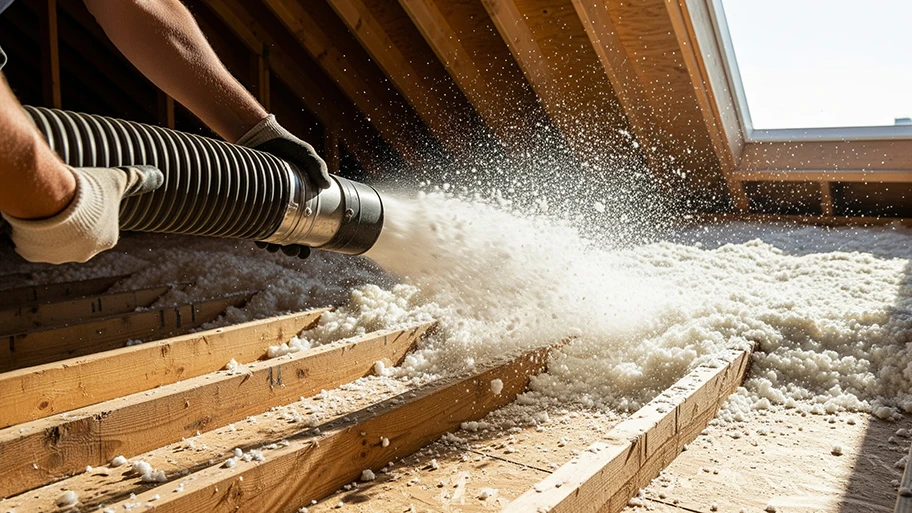
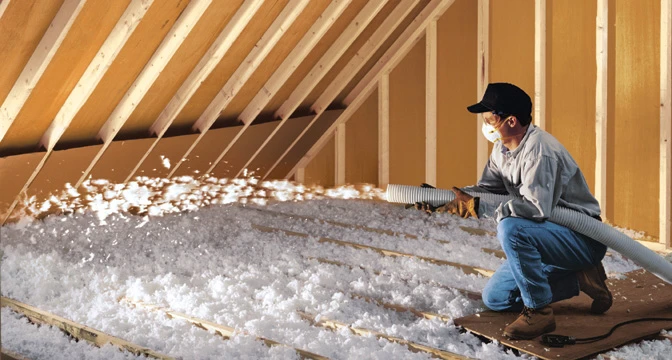
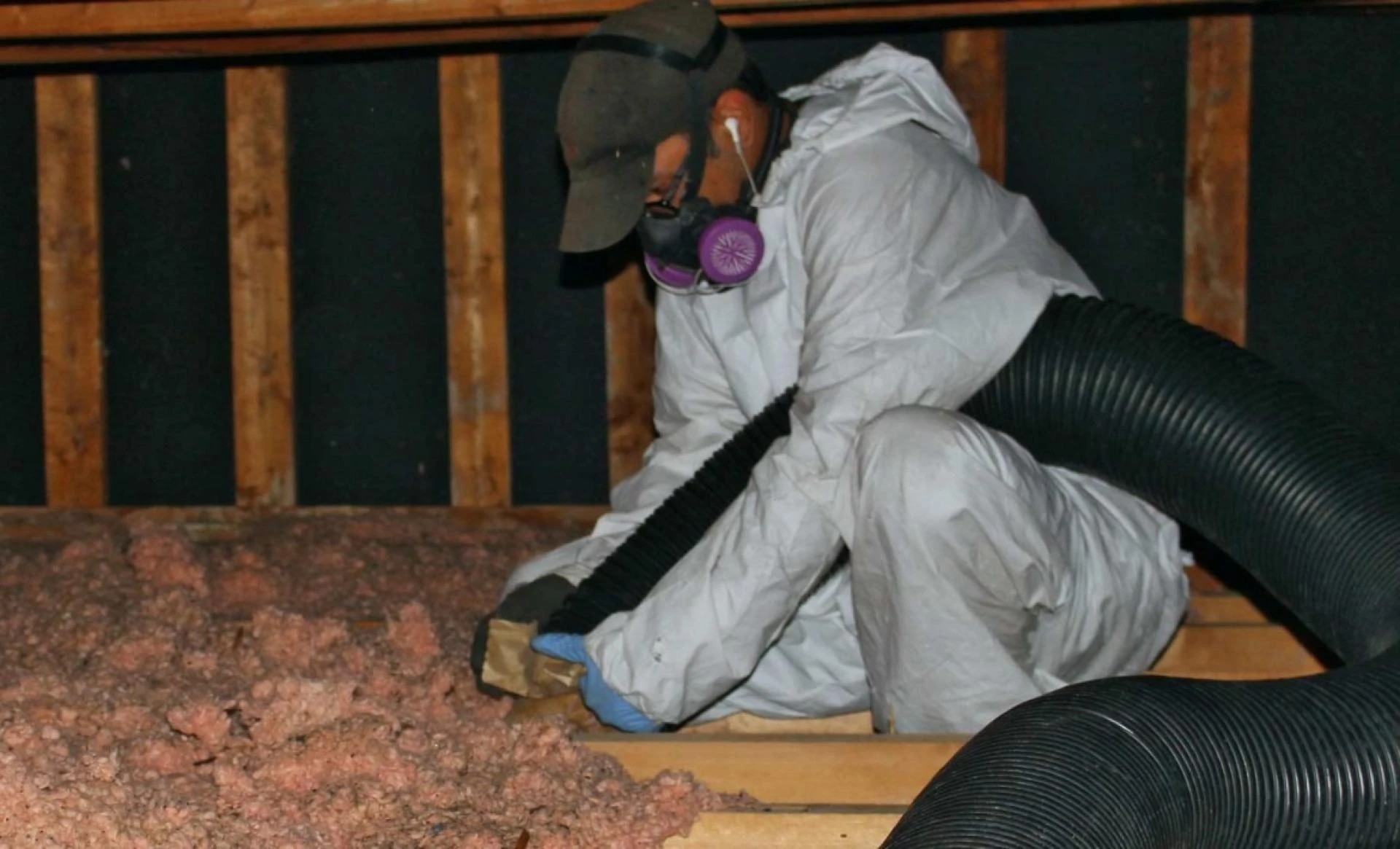
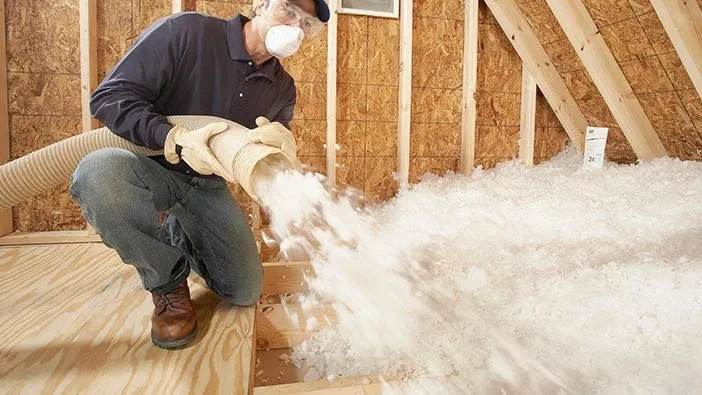
Unlike insulation batts, which have to be cut and fit between joists, leaving potential gaps, blown-in insulation is installed using a hose to fill the entire attic floor. This process allows the insulation to flow into and around every gap and obstruction, creating a seamless, uniform blanket of protection. There are two main types of blown-in insulation:
- Fiberglass: Made from spun glass fibers, it is lightweight, will not settle over time, and is naturally fire-resistant.
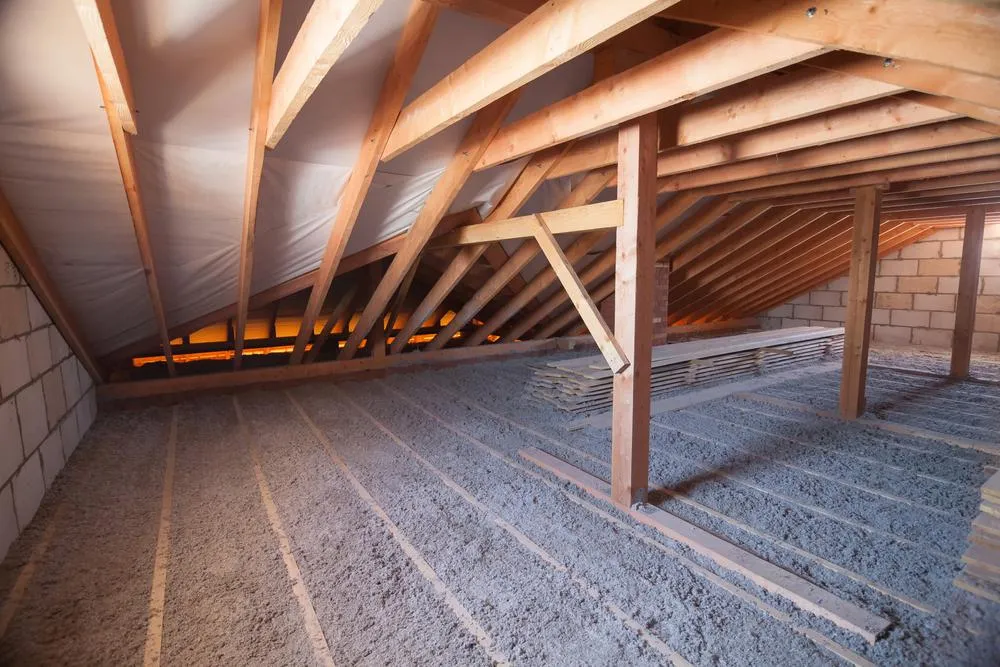
- Cellulose: Made from recycled paper products treated with a fire retardant, it is slightly denser and can be very effective at filling small gaps.
Both materials work by trapping air in millions of tiny pockets, which drastically slows down the transfer of heat from your hot attic to your cool living space.
It Achieves the Proper R-Value
R-value is the measure of an insulation's ability to resist heat flow. In Florida's climate zone, the U.S. Department of Energy recommends that attics be insulated to a level between R-30 and R-49. Many older homes have as little as R-11 or R-19. Upgrading to the recommended level by adding a thick layer of new blown-in insulation on top of the old is one of the most cost-effective home improvements a person can make.
Bonus Tip: A professional installer will use special rulers in your attic to ensure they are installing the insulation to the correct depth to achieve the target R-value. This ensures you are getting exactly what you paid for.
Air Sealing The Critical First Step for Maximum Efficiency
While blown-in insulation is excellent at slowing heat transfer, it does not stop air leakage. To get the absolute best performance for your HVAC system, it is important to air seal the attic floor before the new insulation is installed.
Sealing the Hidden Gaps
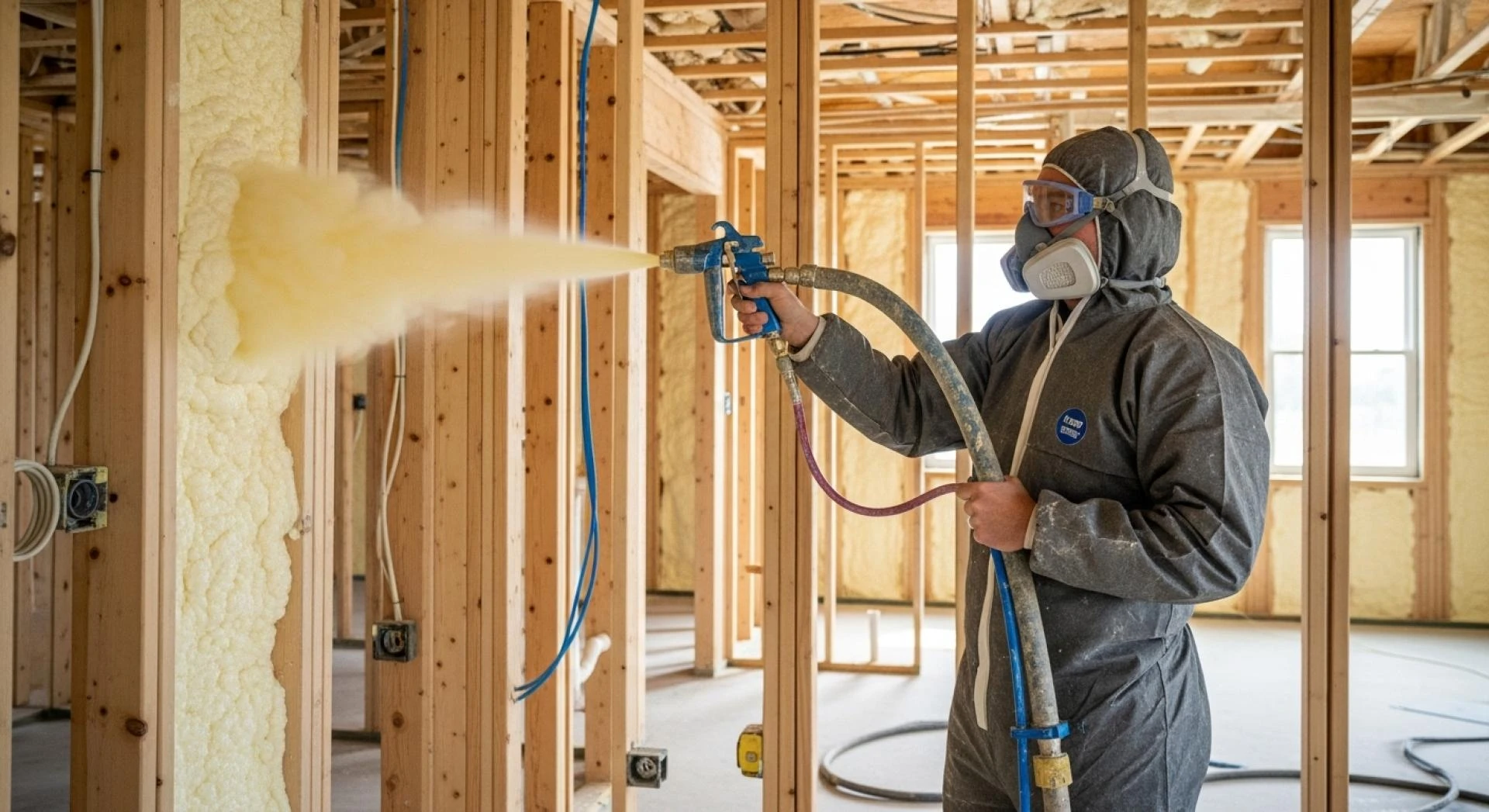
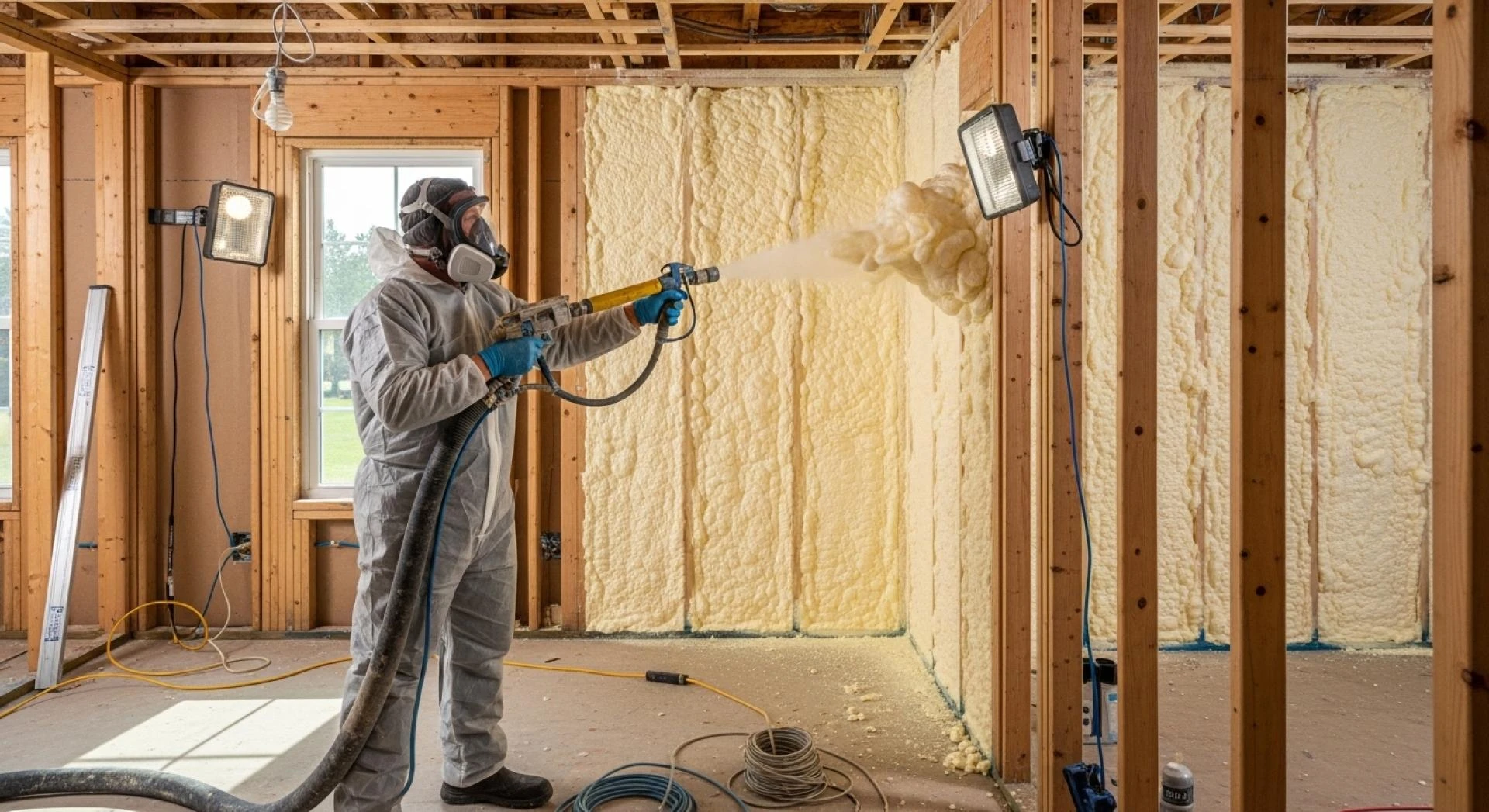
Your attic floor is likely full of small holes where lights, plumbing vents, and electrical wires pass through. These gaps allow hot, humid attic air to be pulled down into your home, adding to the workload of your AC. A professional insulation contractor will first seal these penetrations, often using a small amount of spray foam, to create an airtight barrier. Once the attic is sealed, the new blown-in insulation can be installed on top. This one-two punch of air sealing and then insulating is the key to maximizing your HVAC system's efficiency.
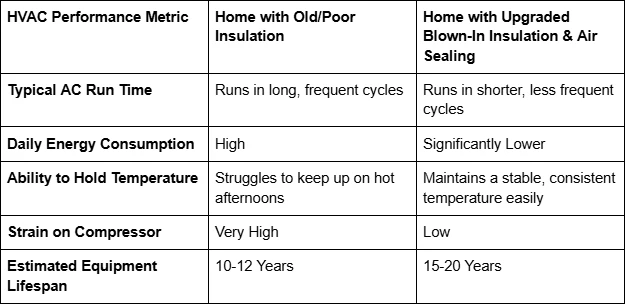
Here is a look at how this upgrade affects your HVAC system's operation:
Things to Consider Before Your Insulation Upgrade
- Assess Your Current Situation: Before you call a contractor, you can do a quick visual inspection. If your insulation is below the level of the tops of your attic floor joists, you almost certainly need more.
- Address Any Attic Issues First: If you have any roof leaks, mold, or pest problems in your attic, these must be resolved before new insulation is installed.
- Prioritize Air Sealing: Do not skip this step. The energy savings and comfort improvements from air sealing are substantial. A good contractor will always include this as part of their proposal for a blown-in insulation project.
Bonus Tip: If your HVAC system and ductwork are located in your attic, insulating them properly is just as important. In a hot Florida attic, uninsulated ducts can lose a huge amount of the cool air they are trying to deliver to your rooms.
Common Questions About Blown-In Insulation
Can you put new blown-in insulation on top of old insulation?
Yes, in most cases. If the old insulation is dry and in reasonably good condition, the new insulation can be installed right over the top of it. A professional will be able to assess this during their inspection.
How long does an installation take?
For an average-sized home, a professional crew can typically air seal the attic and blow in the new insulation in just a few hours.
Is blown-in insulation messy?
The crew will lay down protective cloths from your door to the attic access panel. The process itself is contained within the attic, and a professional team will clean up thoroughly when they are finished.
Will this upgrade really save me money?
Absolutely. An attic insulation upgrade is widely considered to have one of the highest returns on investment of any home improvement project. Many homeowners see a reduction in their cooling costs of 20% or more.
Final Thoughts on a More Efficient Home
Upgrading the professional blown-in insulation in your attic is a direct and powerful way to improve the efficiency of your HVAC system. By creating a proper thermal barrier and, when paired with air sealing, an air barrier, you are fundamentally changing how your home performs. You are reducing the constant load on your air conditioner, allowing it to do its job more easily and more efficiently. The result is a home that is not just more comfortable, but also less expensive to operate, with mechanical systems that are protected from the stress of overwork for years to come.
Get a Professional HVAC Efficiency Assessment
To understand exactly how much an insulation upgrade could improve your home's performance, the first step is a professional evaluation. An experienced insulation contractor can measure your current insulation levels, identify air leakage points, and provide a clear plan to enhance your HVAC system's efficiency. For homeowners in the Bellview area, the team at Prestige Insulation Solutions offers expert consultations. They can be reached by email at [email protected] or by phone at (850) 429-4969.
Author: Rene Zamarripa, a spray foam installer and owner, began his career in the insulation industry in 2008 with Key Insulation in San Antonio. After 17 years of hands-on experience, he now owns a successful insulation company with aspirations to franchise. He is knowledgeable in R-values, insulation processes, and various components used in both residential and commercial applications. Rene is experienced in identifying the right insulation solutions for different structures, including spray foam, fiberglass, and cellulose. He is trained in operating spray foam rigs, managing temperature and pressure settings, ensuring proper material mix, and following safety standards. He understands the technical and practical skills required to deliver consistent, high-quality insulation and guide others in the trade.
Reviewer: With over 13 years in spray foam insulation, Benjamin Lee reviewed this content and offered feedback aimed at helping growing businesses connect with local homeowners and commercial clients more effectively.





















Sign in to leave a comment.