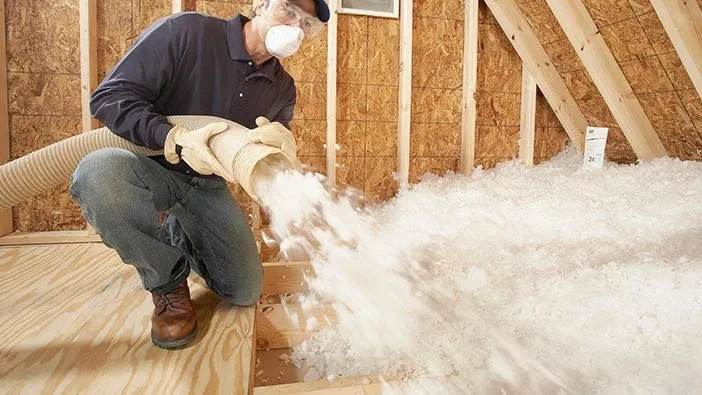

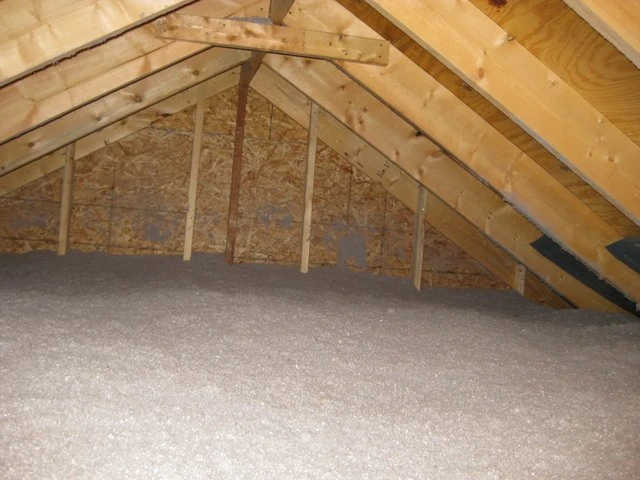
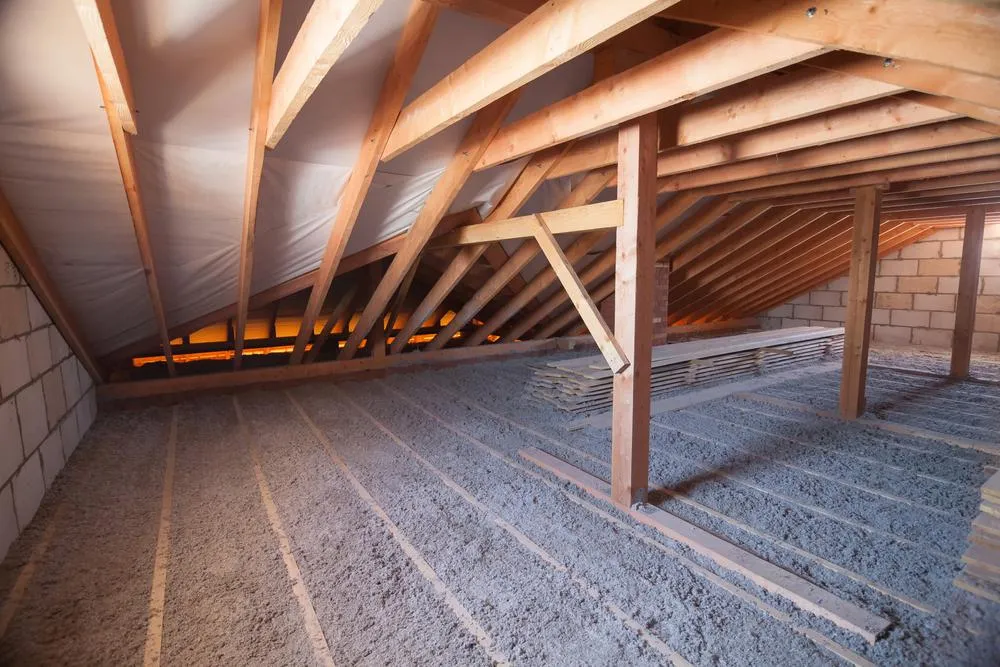
The simple science behind blown-in insulation and energy savings lies in its ability to create a thick, seamless, and effective thermal barrier in an attic. It works by using a very basic principle of physics: trapped air is a poor conductor of heat. Expert Blown-in insulation, whether it is made of fiberglass or cellulose, is composed of millions of tiny fibers that create a massive number of small air pockets. This fluffy, trapped air is what dramatically slows down the movement of heat. In the summer, this keeps the intense heat from the attic from radiating down into the house, and in the winter, it keeps the expensive heat from the furnace from escaping. This simple, powerful mechanism is what leads directly to significant, year-round energy savings.
This mechanism is effective, but getting the most out of an insulation upgrade means understanding the different materials and why a professional installation is so important. The information that follows is based on the hands-on experience of certified insulation professionals who know how to create a high-performing attic.
How Blown-in Insulation Stops Heat Transfer
Heat is always trying to move from a warmer place to a cooler one. This movement happens in three ways, but the two that are most relevant to an attic are convection and radiation.
The Role of Convection
Convection is the movement of heat through the air. In the winter, the warm air in your house rises, and in a poorly insulated attic, this heat easily passes through the ceiling and into the cold attic space. Blown-in insulation disrupts this process by creating a thick, fluffy blanket that is full of millions of tiny, disconnected air pockets. Air is a very poor conductor of heat, so by trapping all this air, the insulation dramatically slows down the convective heat loss.
The Role of Radiation
In the summer, the bigger problem is radiation. The sun beats down on the roof, and the roof radiates this heat down into the attic, which then radiates it down through the ceiling and into your living space. A thick layer of blown-in insulation acts as a powerful shield against this radiant heat gain, keeping it in the attic and out of your house.
The Two Main Types of Blown-In Insulation
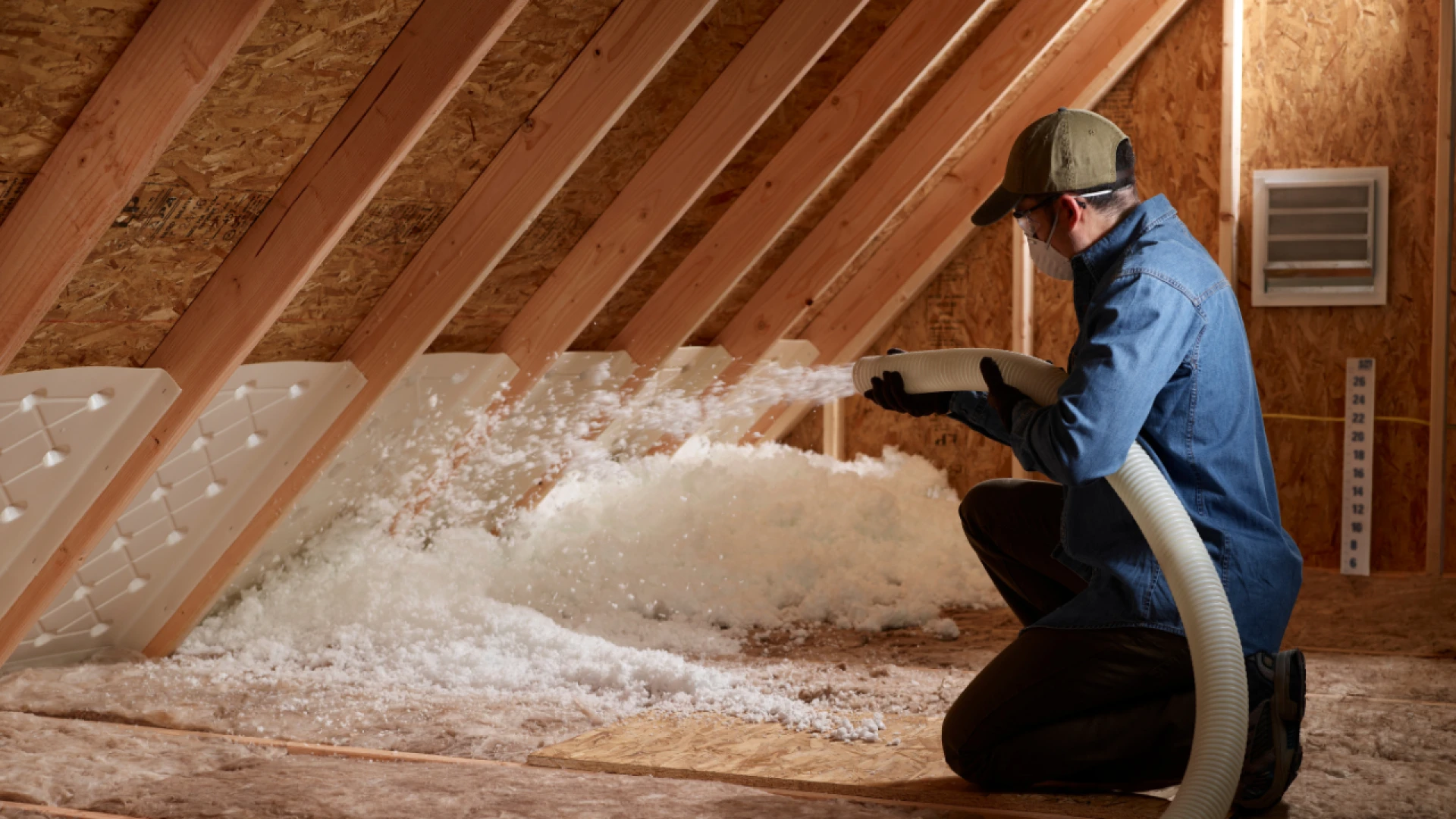
There are two main types of loose-fill insulation that are used in a blown-in application.
Blown-In Fiberglass
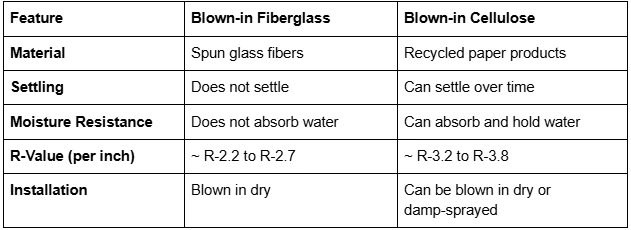
This is a very common and effective material made from spun glass fibers. It is naturally fire-resistant and is not a food source for mold. Modern blown-in fiberglass is lightweight and is engineered to not settle or compact over time, which means it will maintain its full R-value for the life of the home.
Blown-In Cellulose
This is an environmentally friendly option made from recycled paper products, such as newspaper, that are treated with a fire retardant. It is slightly denser than fiberglass and can be very effective at filling small gaps and cavities.
Here is a look at how the two materials compare:
The Critical Partner Air Sealing
While blown-in insulation is excellent at stopping heat transfer, it does not stop air leakage. To get the absolute best performance and the most energy savings, it is essential to have the attic professionally air sealed before the new insulation is installed.
Sealing the Hidden Gaps
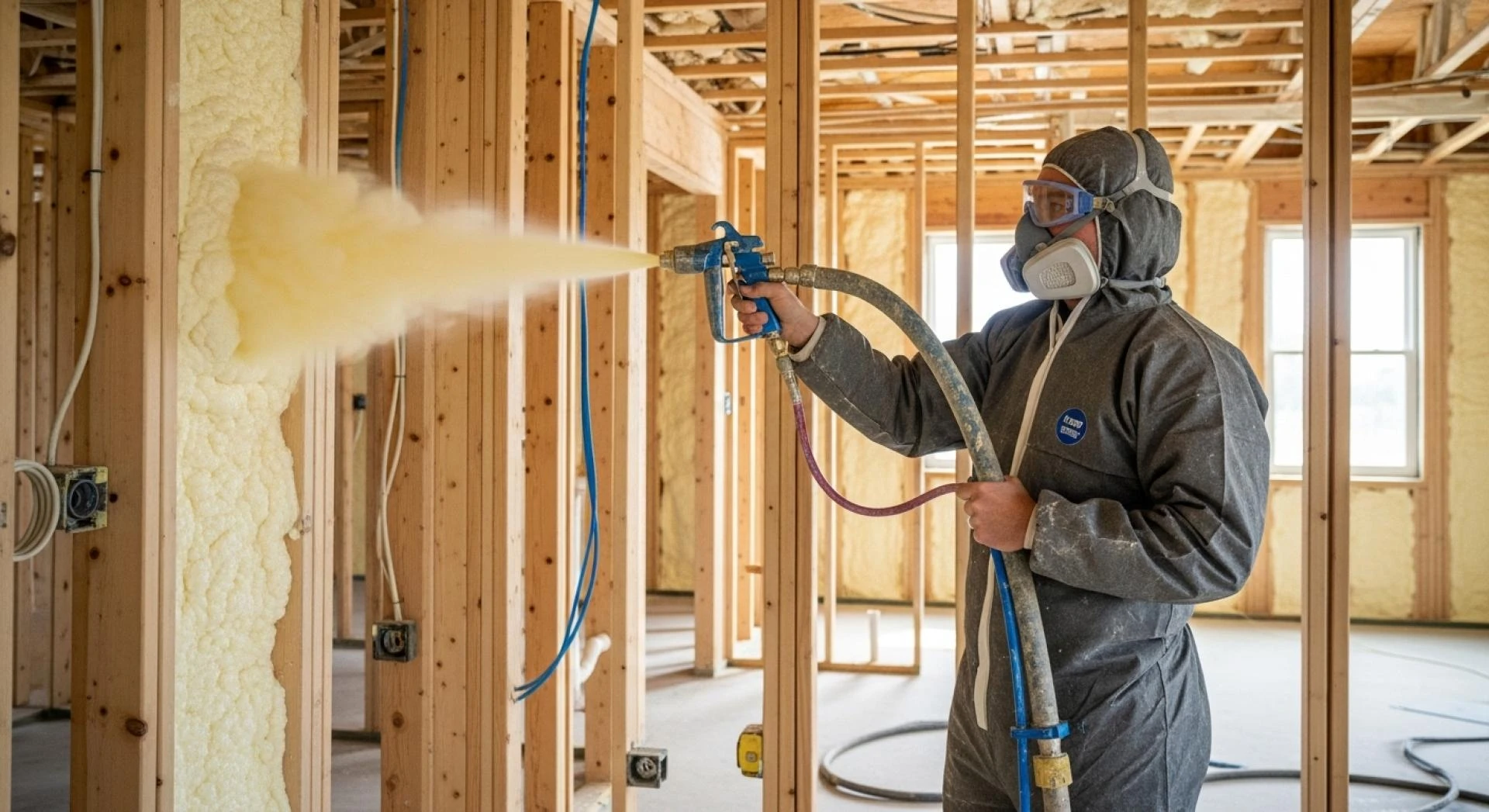
The floor of your attic is likely full of small holes where lights, plumbing vents, and electrical wires pass through. These gaps allow a massive amount of your expensive conditioned air to leak out of your house. A professional insulation contractor will first go through and seal all these penetrations, often using a small amount of spray foam, to create an airtight barrier. Once the attic is sealed, the new blown-in insulation can be installed on top. This one-two punch of air sealing and then insulating is the key to maximizing your energy savings.
Bonus Tip: The attic access hatch or pull-down stairs is one of the single leakiest and most poorly insulated spots in an entire home. A professional will always make sure the hatch is properly insulated and weather-stripped to complete the thermal and air barrier.
The Importance of a Professional Installation
The energy savings you get from a blown-in insulation upgrade are directly tied to the quality of the installation.
Achieving a Uniform Depth
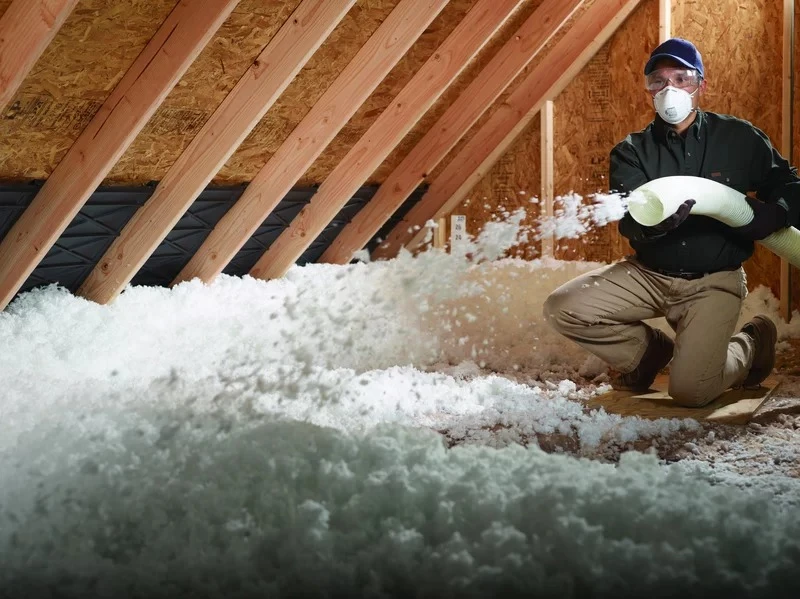
For the insulation to perform at its stated R-value, it must be installed to a consistent, uniform depth across the entire attic. A professional crew will use depth rulers that they place throughout the attic to ensure they are blowing the material to the correct thickness. This is a critical quality control step that ensures you are getting the full R-value you have paid for.
Protecting Your Home
A professional installer will also take care to protect your home. They will lay down protective cloths from your door to the attic access panel, and they will be careful to not block any soffit vents, which are essential for proper attic ventilation.
Bonus Tip: A professional will also install a dam around the attic hatch to hold the new, deep layer of insulation in place. This prevents the insulation from spilling out into your hallway every time you open the hatch.
Questions People Ask About Blown-In Insulation
Can you put new blown-in insulation on top of old insulation?
Yes, in most cases. If the old insulation is dry and in reasonably good condition, the new insulation can be installed right over the top of it. A professional will be able to assess this during their inspection.
How long does an installation take?
For an average-sized home, a professional crew can typically air seal the attic and blow in the new insulation in just a few hours.
Is blown-in insulation messy?
The crew will lay down protective cloths from your door to the attic access panel. The process itself is contained within the attic, and a professional team will clean up thoroughly when they are finished.
Will this upgrade really save me money?
Absolutely. An attic insulation upgrade is widely considered to have one of the highest returns on investment of any home improvement project. Many homeowners see a reduction in their heating and cooling costs of 20% or more.
How much insulation do I need?
This depends on your climate zone. A professional contractor will know the specific R-value recommendations for your area and will be able to calculate the correct depth of insulation needed to achieve that target.
Final Thoughts on a Simple and Powerful Upgrade
The science behind blown-in insulation is simple, but its impact on a home's energy savings is profound. By creating a thick, seamless blanket of trapped air, it provides a powerful and cost-effective defense against the constant movement of heat. When paired with professional air sealing, it is a one-time investment that can transform an inefficient attic into a high-performing system that will save you money and keep you more comfortable for years to come.
Get a Professional Attic Assessment
To find out how a professional blown-in insulation upgrade can cut your energy bills and improve your home's comfort, the best first step is a professional evaluation. An experienced insulation contractor can assess your attic's current condition and provide a clear, data-driven plan for improvement. For homeowners looking for an expert opinion, the team at Prestige Insulation Solutions has deep expertise in all aspects of attic insulation and home performance. They can be reached for a consultation by email at [email protected] or by phone at (850) 429-4969.
Author: Rene Zamarripa, a spray foam installer and owner, began his career in the insulation industry in 2008 with Key Insulation in San Antonio. After 17 years of hands-on experience, he now owns a successful insulation company with aspirations to franchise. He is knowledgeable in R-values, insulation processes, and various components used in both residential and commercial applications. Rene is experienced in identifying the right insulation solutions for different structures, including spray foam, fiberglass, and cellulose, and is trained in operating spray foam rigs, managing temperature and pressure settings, ensuring proper material mix, and following safety standards. He understands the technical and practical skills required to deliver consistent, high-quality insulation and guide others in the trade.
Reviewer: With over 13 years in spray foam insulation, Benjamin Lee reviewed this content and offered feedback aimed at helping growing businesses connect with local homeowners and commercial clients more effectively.























Sign in to leave a comment.