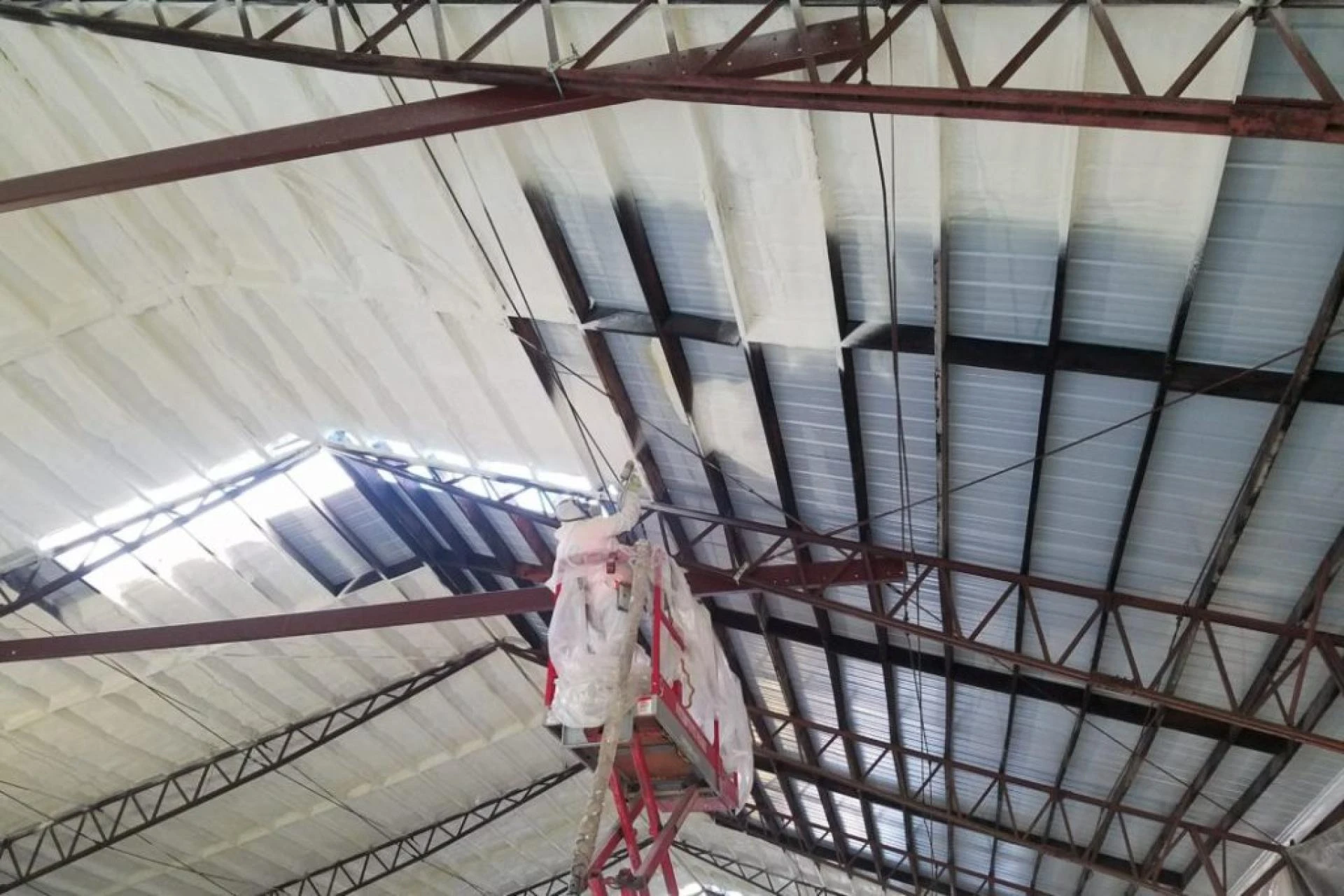

Several common myths about commercial insulation contractor often lead business owners and facility managers to make costly mistakes. The most frequent one is viewing insulation purely as an upfront expense rather than a long-term investment. Another is the belief that any type of insulation will work for any building, ignoring the unique demands of commercial structures like metal warehouses or concrete block offices. Finally, there's the misconception that focusing only on the roof is sufficient, which overlooks significant energy loss through walls.
These misunderstandings can result in unnecessarily high utility bills, damage to inventory from condensation, and uncomfortable working environments for employees. By dismantling these myths, it becomes clearer how modern insulation functions in a commercial setting.
Myth 1 The Upfront Cost Is the Whole Story
For any business, the bottom line is a priority, and the initial cost of a project is always a major factor. However, with commercial insulation, looking only at the installation price is shortsighted. Proper insulation is an investment that generates a return through several channels. The most direct return is through a sharp reduction in energy costs. Since HVAC systems can account for up to 40% of the electricity used in a a commercial building, reducing their workload has a big impact on monthly overhead.
An effectively insulated building allows for the installation of smaller, less expensive HVAC units, a concept known as "right-sizing." A well-sealed building envelope also reduces the constant strain on heating and cooling equipment, leading to fewer breakdowns and a longer service life. When you add up the energy savings, lower HVAC capital costs, and reduced maintenance expenses, the payback period for a quality insulation project is often much shorter than business owners expect. A qualified insulation contractor can even provide an energy model analysis that projects these savings and calculates the return on investment, turning a spending decision into a strategic financial one.
Myth 2 Any Insulation Will Do the Job
A warehouse is not a house, and the insulation that works in a residential attic is often the wrong choice for a large metal building. Commercial structures have unique challenges that require specific solutions. Metal buildings, for example, are highly susceptible to thermal bridging, where heat travels directly through the metal framing, bypassing the insulation. They also have huge, open interior spaces and irregular surfaces around purlins and beams that are difficult to seal with traditional insulation batts.
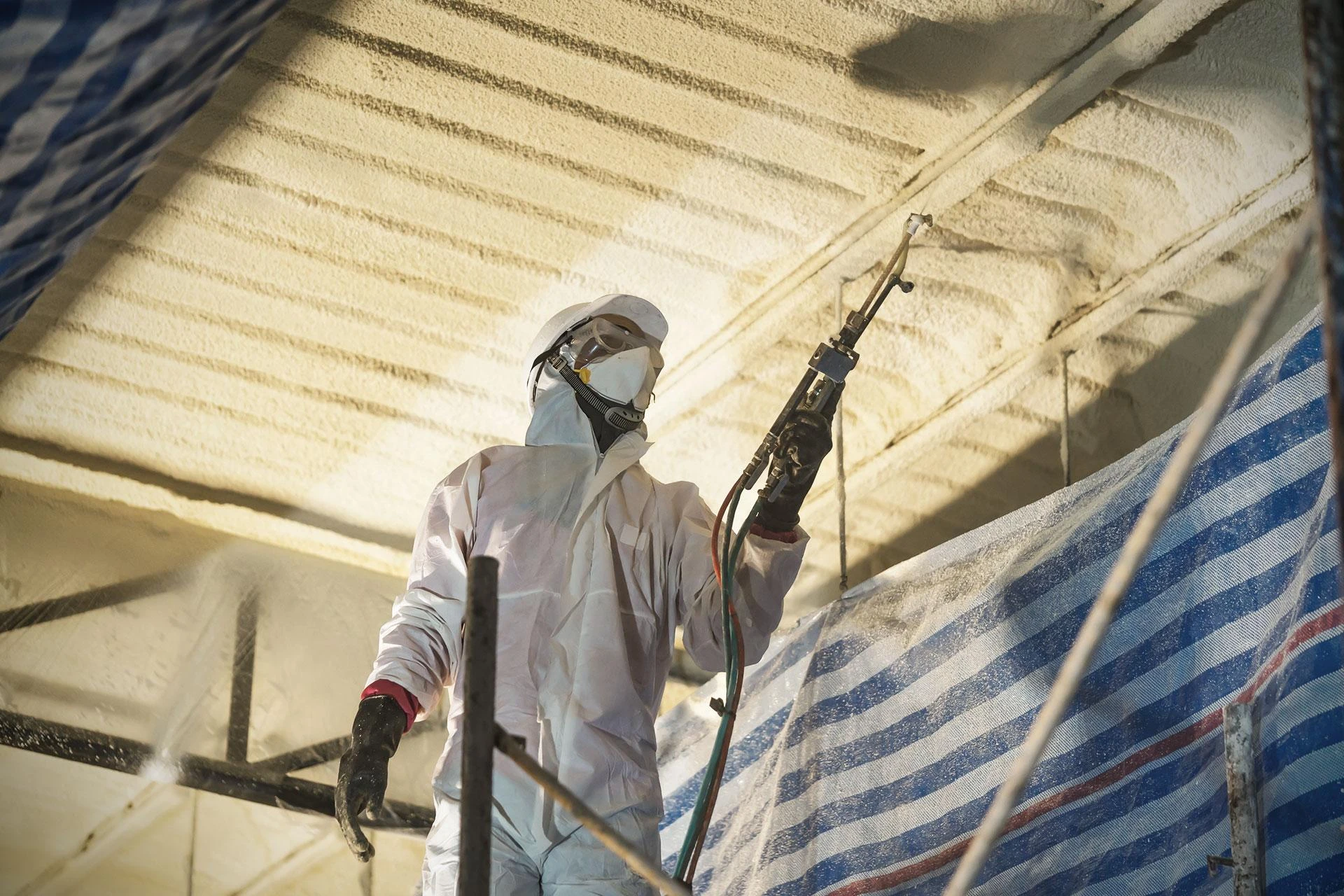
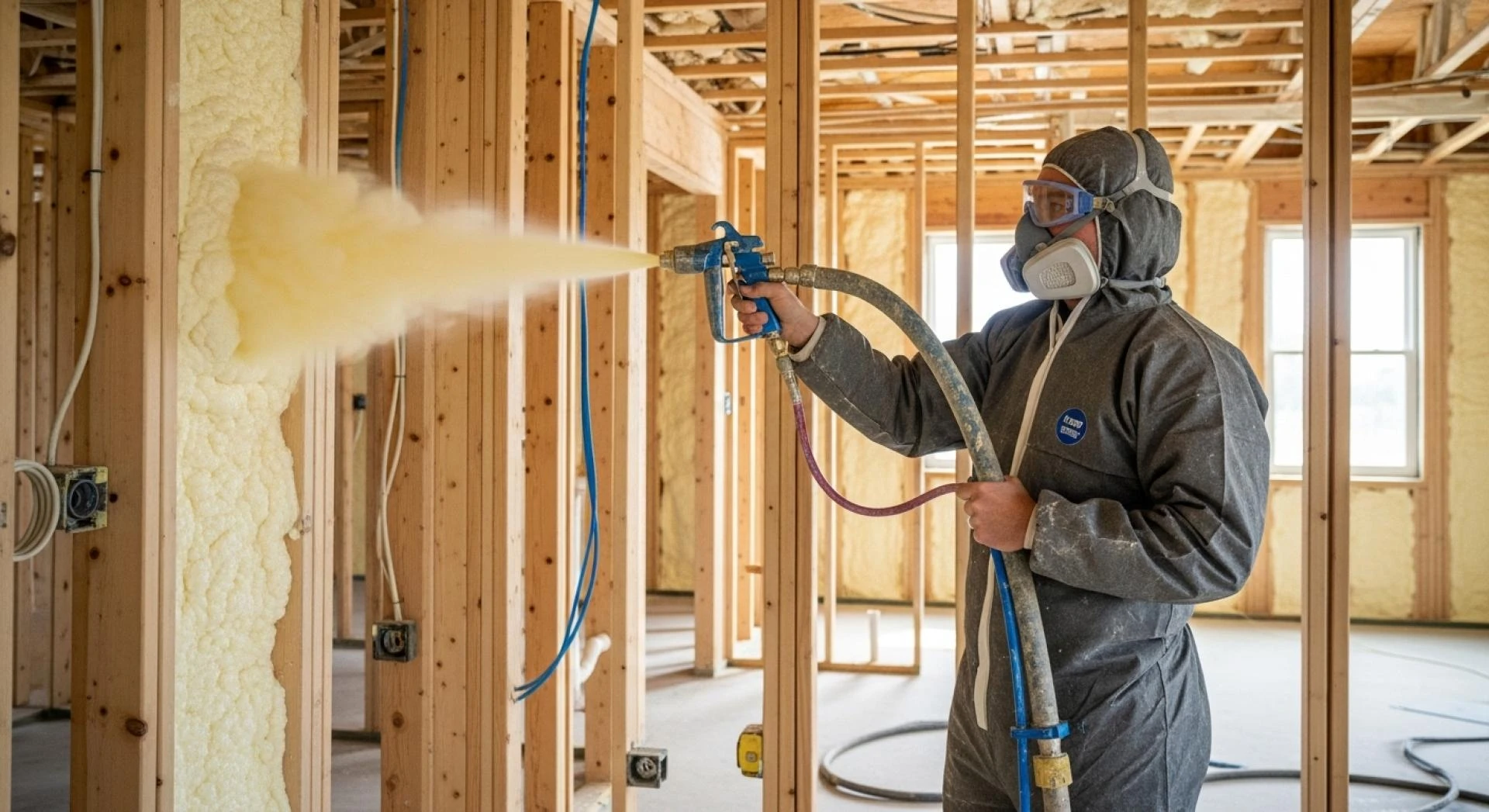
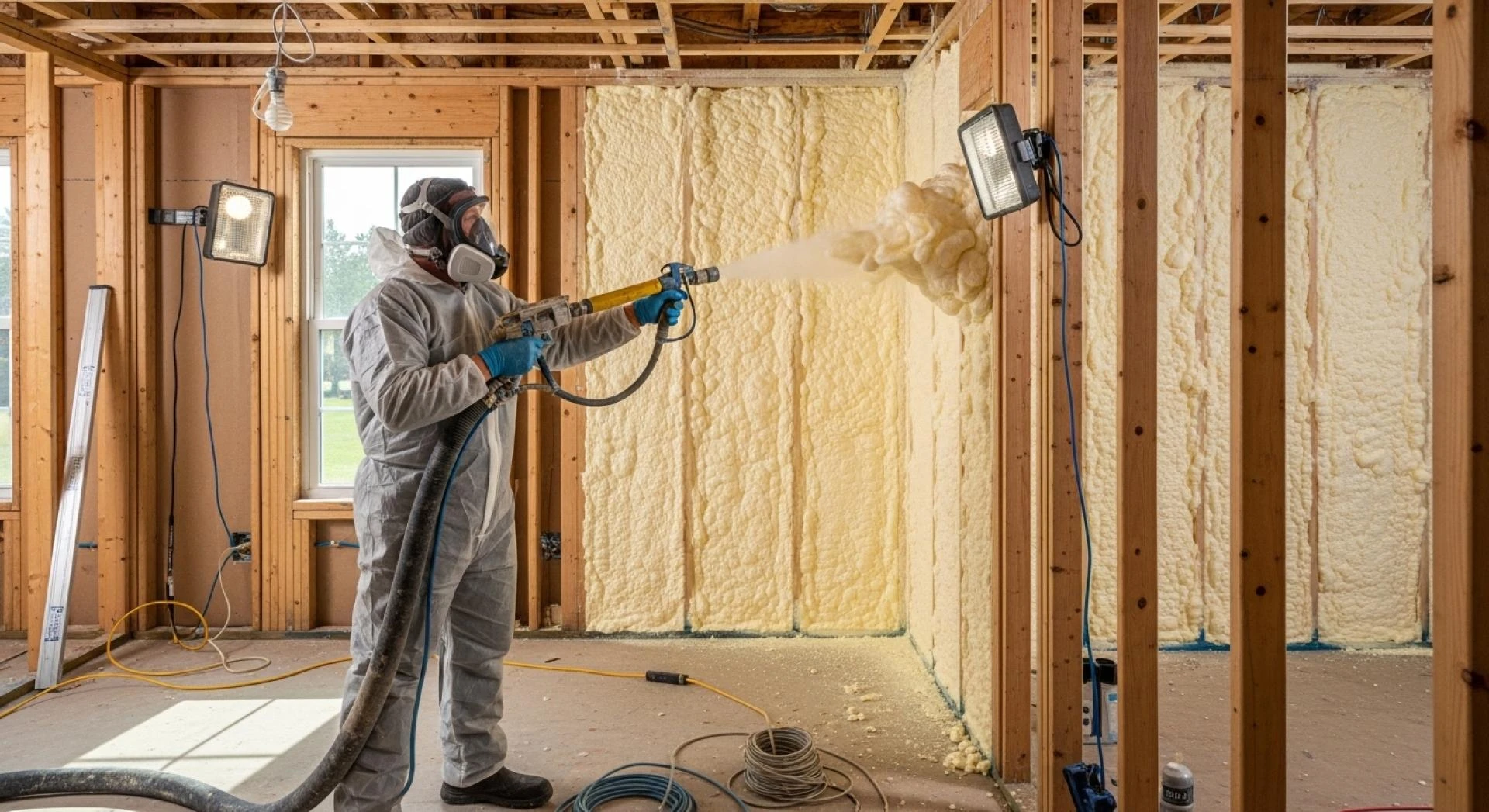
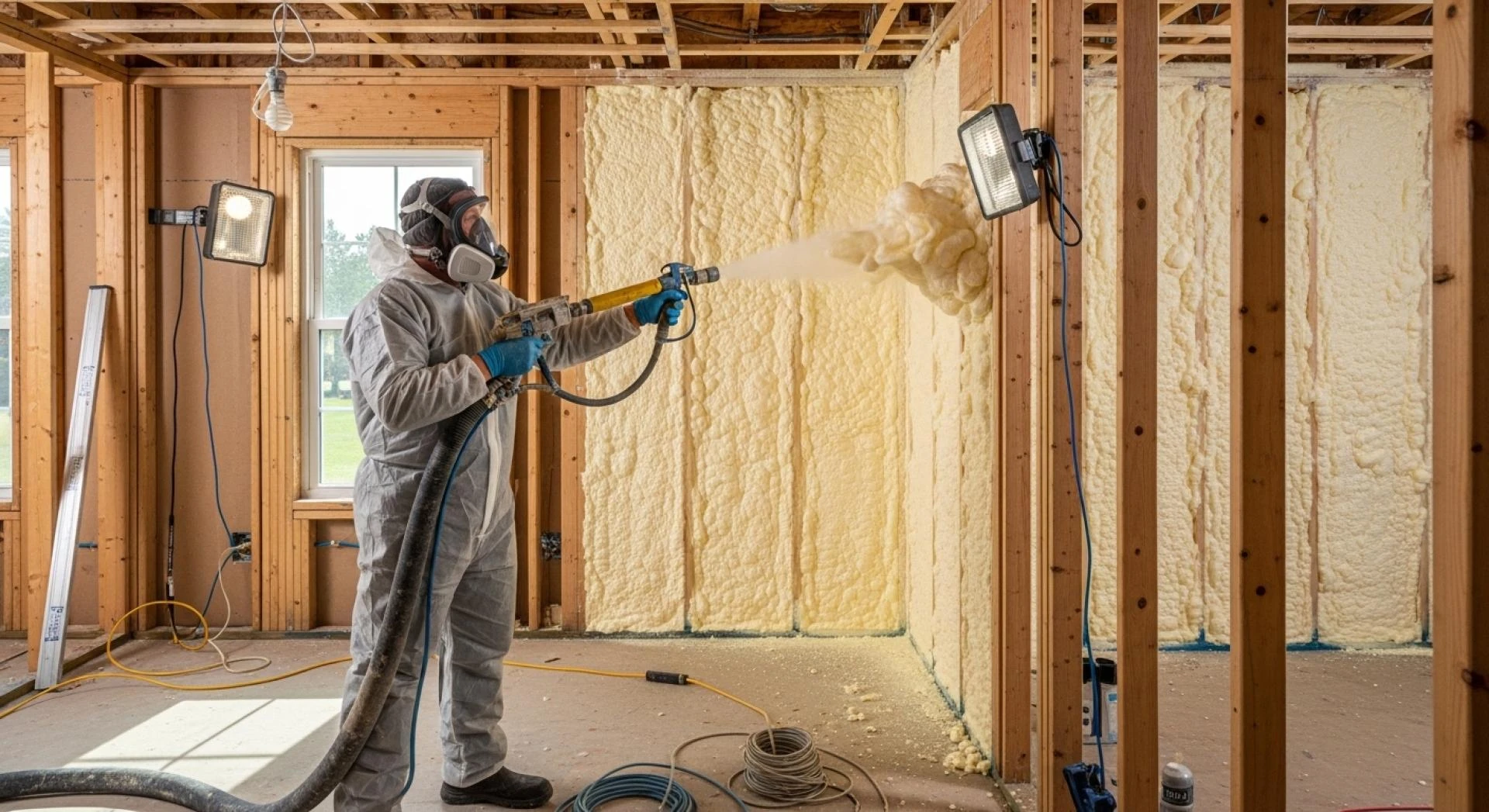
Spray polyurethane foam (SPF) is often the preferred material for commercial applications because it addresses these issues directly. It's applied as a liquid that expands to fill every gap, creating a seamless air barrier that stops leaks and completely covers complex structural elements. It also adheres directly to the metal, preventing convective air movement between the insulation and the building panel.
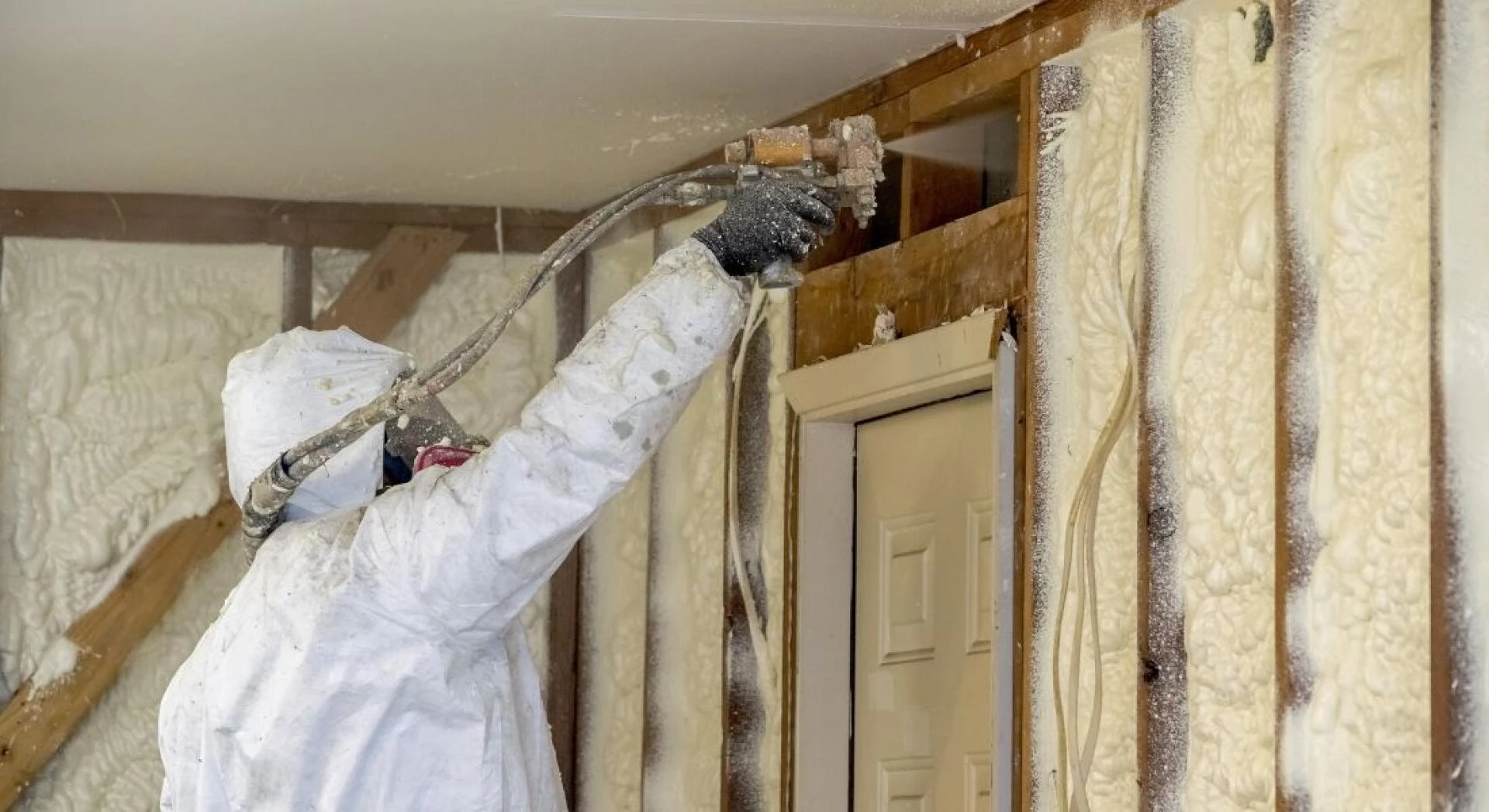
Applying spray foam insulation creates a complete seal on the corrugated metal surfaces of a commercial warehouse.
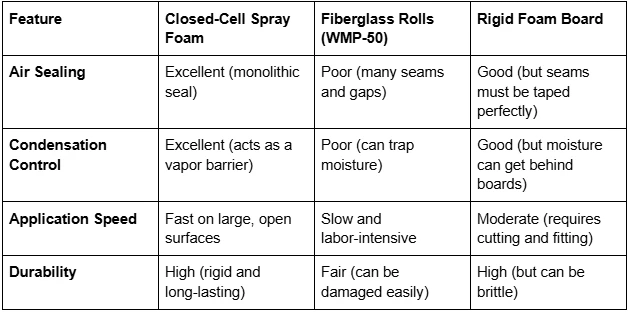
Common Insulation Types in Commercial Buildings
Myth 3 The Roof Is the Only Place That Matters
It's true that the roof is a massive source of heat gain in the summer, especially on a large commercial building with a dark-colored roof. However, ignoring the walls is a critical error. In a typical warehouse or distribution center, the surface area of the walls can be just as large as, or even larger than, the roof. Uninsulated or poorly insulated walls can easily account for 20-30% of a building's total energy loss.
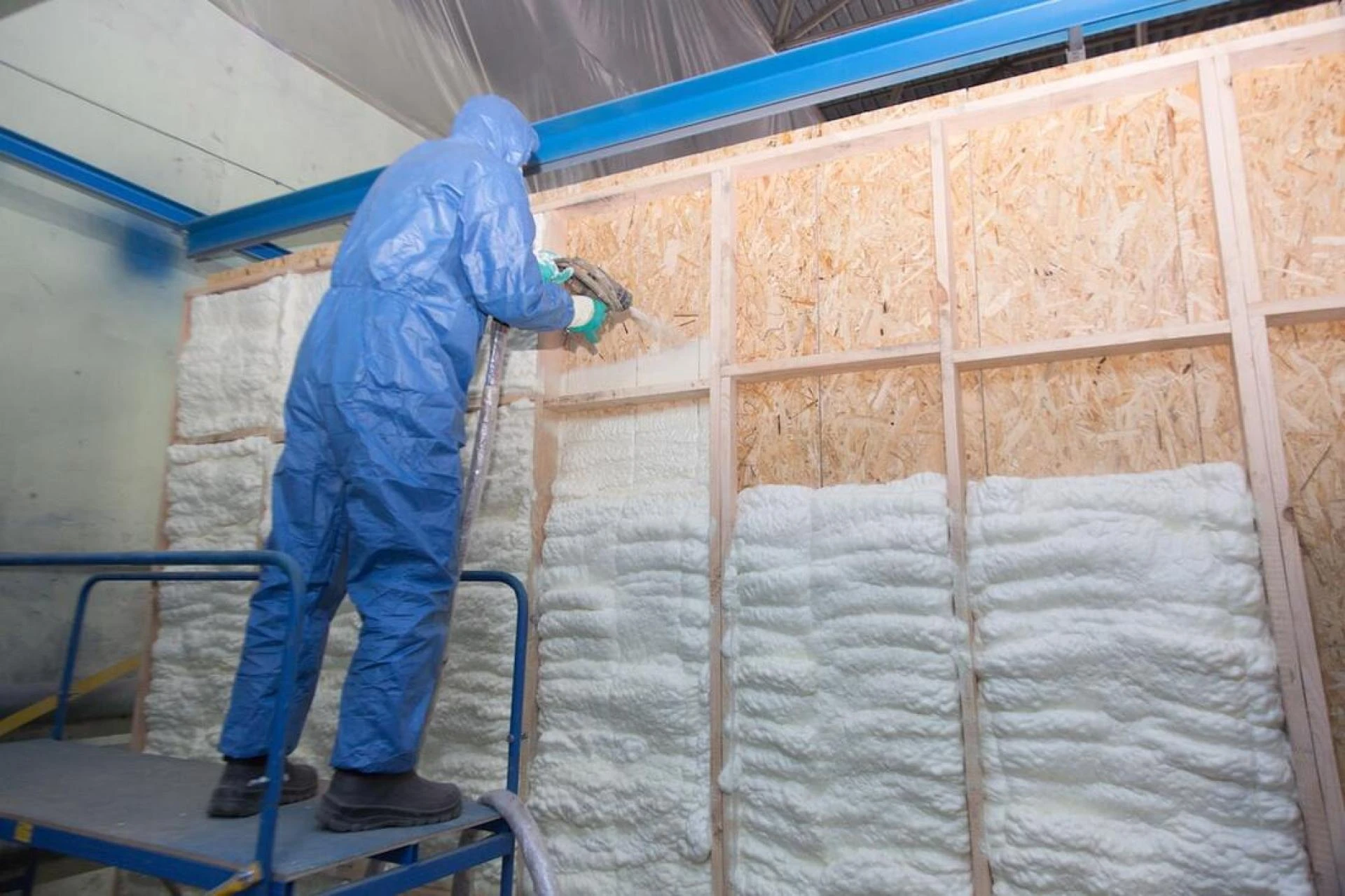
A complete thermal envelope is the only way to achieve real energy efficiency and comfort. This means creating a continuous layer of insulation on all six sides of the building: the roof, the four walls, and the foundation or slab. Spray foam is particularly effective at creating this continuous barrier because it can be applied seamlessly from the walls up to the roof deck, eliminating the thermal breaks that are common at the wall-to-roof junction in other systems.
Myth 4 Insulation Is Only for Climate Control
While saving on heating and cooling is a primary driver, modern insulation provides several other benefits that are just as important for a business's operations.
- Condensation Control: This is a huge issue in metal buildings. When warm, moist indoor air comes into contact with a cold metal roof or wall panel, it condenses, forming water droplets. This "building sweat" can drip onto inventory, cause slip-and-fall hazards, and lead to rust and corrosion of the structure itself. A continuous layer of closed-cell spray foam keeps the warm air from ever touching the cold metal, completely preventing condensation.
- Sound Attenuation: For businesses located near highways, airports, or in industrial parks, outside noise can be a constant distraction. Insulation can significantly deaden sound transmission, creating a quieter and more productive work environment.
- Improved Lighting: Many commercial insulation systems, such as the white-faced vinyl backing on fiberglass or the standard white color of spray foam, have high light reflectivity. This can brighten up a large space, reducing the need for artificial lighting and further cutting energy costs.
Condensation, or "building sweat," can form on uninsulated metal purlins, posing a risk to inventory and the structure itself.
Things to Consider Before Making a Decision
Choosing the right insulation for a commercial property involves more than just picking a material.
- Building Codes and Fire Ratings: Commercial buildings are subject to strict fire codes. Insulation materials must have the correct fire and smoke ratings for their specific application, and in many cases, spray foam insulation must be covered by a certified thermal barrier or intumescent coating. Before signing a contract, it's wise to ask the contractor for documentation showing their proposed system meets all local building and fire code requirements for the building's specific occupancy type.
- Business Operations: The installation process needs to be planned to minimize disruption. An experienced commercial contractor can work in sections or during off-hours to keep the business running.
- Building's Primary Use: The needs of a refrigerated warehouse are very different from those of a retail storefront or a manufacturing plant. The insulation strategy must be tailored to the specific activities happening inside the building.
Questions People Ask About Commercial Insulation
What is the typical payback period for a commercial insulation project?
The payback period can vary widely depending on the building, the climate, and local energy costs, but it's often in the range of 3 to 7 years. For some businesses with very high energy consumption, it can be even shorter.
Can insulation be installed without a full business shutdown?
Yes. Professional crews are accustomed to working in active commercial environments. They can often phase the project, work in contained areas, or schedule work during nights and weekends to avoid interfering with operations.
Does better insulation really affect employee productivity?
Studies have shown a direct link between thermal comfort and employee productivity. A building that is free from drafts and has consistent temperatures is a more comfortable place to work, which can lead to fewer errors and higher output.
How is insulating a metal building different from a wood-frame building?
Metal buildings have unique issues with thermal bridging and condensation that must be addressed. Insulation systems for metal buildings, like spray foam or specific faced fiberglass systems, are designed to create a continuous barrier that isolates the interior from the metal structure.
Are there any tax incentives for upgrading commercial insulation?
Yes, there are often federal, state, and local utility programs that offer tax credits or rebates for energy-efficiency upgrades. A knowledgeable commercial insulation contractor should be aware of the programs available in their area.
A Strategic Decision for Business Performance
Moving past the common myths shows that commercial insulation is not just a building material; it's a business tool. When chosen and installed correctly, it can lower operating costs, protect assets, improve the work environment, and strengthen the building itself. Business owners who treat insulation as a strategic investment will see benefits that go far beyond a simple line item on a construction budget. The best way to determine the right strategy is to have the property evaluated by experts who understand commercial buildings. A thorough assessment can identify specific issues and provide a clear plan with projected costs and returns.
For businesses seeking a detailed analysis, commercial specialists such as the team at Prestige Insulation Solutions can offer expert guidance. They specialize in commercial applications and can be reached for a consultation at [email protected] or by phone at (850) 429-4969.
Author: Rene Zamarripa began his career in the insulation industry in 2008. With over 15 years of hands-on experience, he is an expert in residential and commercial applications of spray foam, fiberglass, and cellulose insulation.
Reviewer: Benjamin Lee, an insulation specialist with over 13 years of experience in the spray foam sector, reviewed this content to ensure its accuracy and relevance for local homeowners and businesses.
























Sign in to leave a comment.