
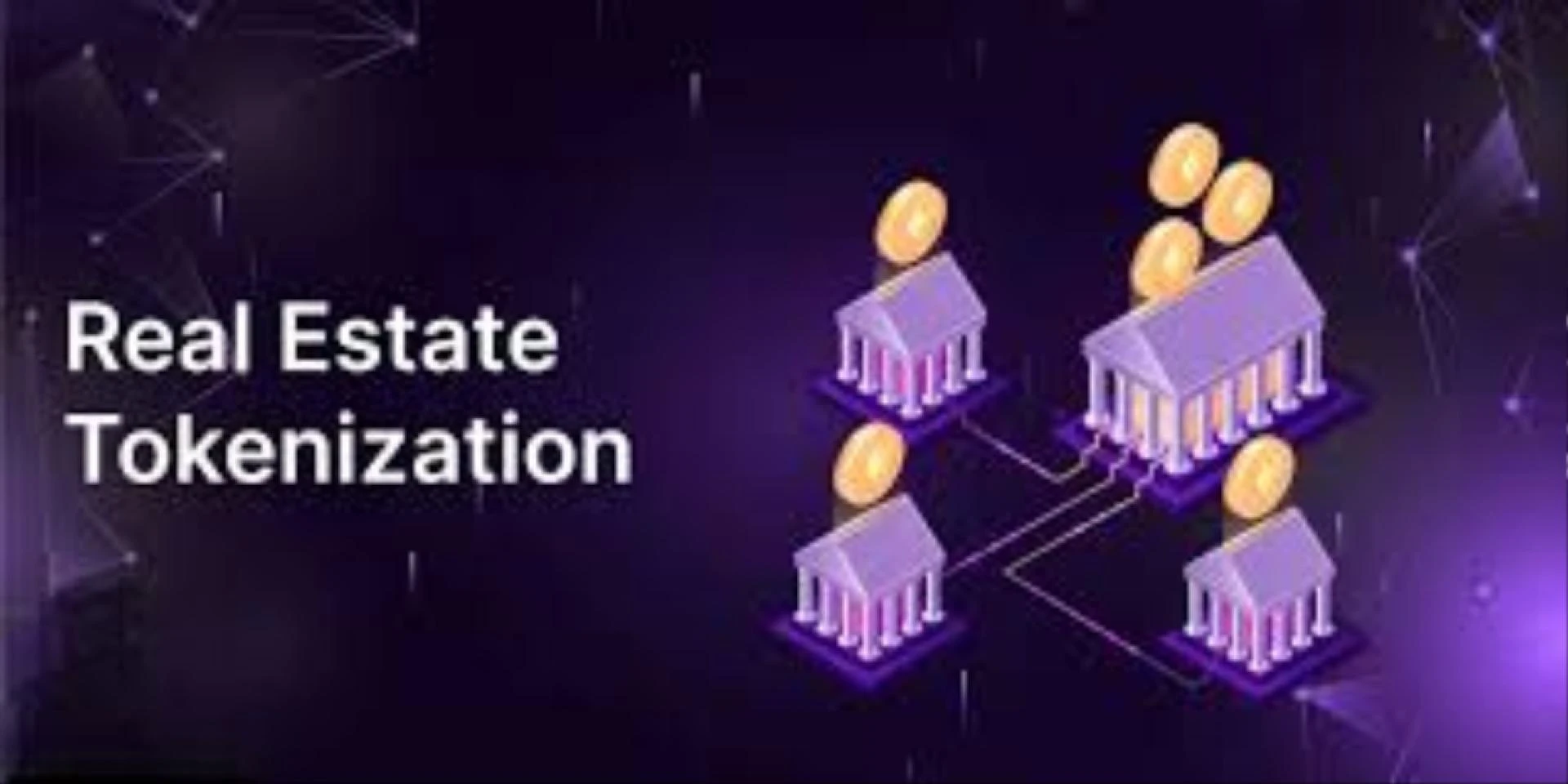
Real World Asset (RWA) projects are becoming one of the most important narratives in Web3 because they bridge traditional finance with blockchain infrastructure. By tokenizing assets like real estate, commodities, invoices, bonds, or even intellectual property, RWA projects bring liquidity, transparency, and global accessibility to previously illiquid markets. However, building an RWA project is not just about tokenization it is about trust, compliance, investor confidence, and long-term ecosystem growth. Unlike typical crypto projects, RWA platforms must deal with real-world regulations, asset verification, custodianship, and institutional onboarding, which makes growth more structured and strategy-driven. In this guide, we will break down a complete step-by-step approach to grow an RWA project from idea to scale, covering product development, compliance, marketing, liquidity, and ecosystem expansion in a practical and actionable way.
Step 1: Define a Strong RWA Use Case and Asset Model
The foundation of any successful RWA project starts with selecting the right asset class and defining a clear use case. Not all real-world assets are suitable for tokenization; the best candidates are those with stable value, predictable cash flow, and clear ownership structures such as real estate, government bonds, commodities, or invoice financing. A strong RWA model must clearly answer what is being tokenized, how ownership is verified, and how value is distributed to token holders. Without clarity in the asset structure, even the most advanced blockchain system will fail to attract investors. At this stage, founders should also decide whether the model is fractional ownership, revenue-sharing, debt-based, or yield-generating. A well-defined asset model becomes the backbone for compliance approvals, investor onboarding, and secondary market liquidity later in the project lifecycle.
Step 2: Build a Compliant Legal and Regulatory Framework
Compliance is the most critical pillar in RWA marketing project growth because real-world assets are heavily regulated in most jurisdictions. Before launching, projects must work with legal experts to ensure asset tokenization aligns with securities laws, KYC/AML regulations, and regional financial guidelines. This step often includes structuring the project under regulated entities, creating SPVs (Special Purpose Vehicles), and ensuring investor accreditation requirements are met where necessary. Without compliance, an RWA project cannot scale to institutional investors or enter global markets. Many successful projects collaborate with blockchain-focused legal advisors to design frameworks that allow cross-border participation while maintaining regulatory safety. A strong compliance foundation not only protects the project from legal risks but also significantly increases trust among institutional investors, which is essential for long-term growth.
Step 3: Develop Secure Tokenization Infrastructure
Once the legal foundation is set, the next step is building the technical infrastructure for asset tokenization. This includes smart contracts, asset-backed token issuance systems, and secure custody integration. The tokens must be programmable to represent ownership rights, dividends, yield distribution, or redemption mechanisms depending on the asset model. Security is extremely important at this stage because any vulnerability in smart contracts can compromise real-world asset value. Projects often undergo multiple audits to ensure contract safety and transparency. Development partners like Blockchain App Factory specialize in building end-to-end tokenization platforms that integrate blockchain security, asset management dashboards, and investor portals. A well-built infrastructure ensures scalability, reduces operational risk, and supports future upgrades as the ecosystem expands.
Step 4: Ensure Transparent Asset Verification and Custody
Trust is the most valuable currency in RWA ecosystems, and it begins with transparent asset verification. Every real-world asset must be properly audited, appraised, and legally documented before it is tokenized. This includes verifying ownership rights, physical existence, valuation reports, and income generation capability. Custody mechanisms also play a major role, especially in assets like real estate, gold, or invoices, where third-party custodians are often required. Blockchain can provide transparency, but the underlying asset must be independently verified to maintain credibility. Many projects implement real-time audit dashboards or oracle integrations to update asset performance data on-chain. Without strong verification and custody systems, even the most innovative RWA platform will struggle to gain investor confidence or institutional adoption.
Step 5: Design Token Economics and Yield Structure
Tokenomics in RWA projects is fundamentally different from typical crypto tokens because it is directly tied to real-world cash flow. This step involves designing how revenue generated from the underlying asset is distributed to token holders, whether through dividends, buybacks, staking rewards, or yield-sharing mechanisms. The model must ensure sustainability, transparency, and legal compliance while maintaining investor attractiveness. Overly complex or unrealistic yield structures can lead to distrust or regulatory issues, so simplicity and clarity are key. It is also important to balance liquidity incentives with long-term holding behavior to avoid excessive speculation. A well-structured token economy ensures that both institutional and retail investors can understand the value proposition clearly, which is essential for adoption and secondary market growth.
Step 6: Build Institutional Partnerships and Asset Originators
RWA projects cannot scale without strong real-world partnerships. These include real estate firms, financial institutions, commodity providers, fintech companies, and asset originators who bring verified assets into the ecosystem. Institutional partnerships help in sourcing high-quality assets and also add credibility to the platform. This step often involves long negotiation cycles, compliance alignment, and revenue-sharing agreements. Projects that successfully onboard credible partners gain a significant competitive advantage because they can consistently introduce new asset pools for tokenization. Agencies like Inoru also support RWA platforms in building enterprise-level integrations and onboarding structured asset pipelines. Strong partnerships create a continuous flow of tokenizable assets, which is essential for long-term scalability.
Step 7: Launch Strategic Marketing and Community Building
Marketing an RWA project requires a different approach compared to traditional crypto projects because the target audience includes both retail investors and institutional players. The messaging must focus on trust, transparency, and real-world value rather than hype or speculation. Educational content, case studies, webinars, and institutional outreach play a major role in building awareness. Community building should focus on long-term engagement rather than short-term token price movements. Social proof, thought leadership, and transparent communication help establish credibility in a market that is still evolving. Marketing agencies specializing in Web3 can help structure campaigns that attract the right investor segments while maintaining compliance-friendly messaging. A strong community becomes a key driver for liquidity and adoption once the project launches.
Step 8: Enable Liquidity Through Exchanges and Secondary Markets
Liquidity is one of the biggest challenges for RWA projects, as investors need the ability to trade or exit positions efficiently. Listing tokens on exchanges, building secondary marketplaces, or integrating DeFi liquidity pools can help solve this problem. However, liquidity must be carefully managed to avoid price manipulation or regulatory concerns. Some RWA platforms create permissioned trading environments where only verified investors can participate, ensuring compliance while maintaining market activity. Liquidity providers and market makers also play a crucial role in stabilizing token value. Without sufficient liquidity, even high-quality assets may fail to attract long-term investors, making this step essential for sustainable growth.
Step 9: Scale Through Cross-Chain and Global Expansion
Once the RWA project has established product-market fit, the next step is scaling across chains and geographies. Cross-chain compatibility allows assets to be accessible across multiple blockchain ecosystems, increasing investor reach and liquidity options. Global expansion requires adapting to regional regulatory frameworks, currency systems, and investor behavior. Projects may also explore partnerships with local financial institutions to increase adoption in specific markets. Scalability is not just technical but also operational, requiring strong governance systems and automated asset management processes. At this stage, RWA platforms evolve from early-stage projects into global financial ecosystems that bridge traditional and decentralized finance.
Step 10: Strengthen Governance and Long-Term Ecosystem Growth
Governance is the final and ongoing step in scaling an RWA project. Decentralized or hybrid governance models allow token holders, institutions, and stakeholders to participate in decision-making processes. This includes asset selection, fee structures, protocol upgrades, and expansion strategies. Strong governance ensures transparency and prevents centralized control over real-world assets. Additionally, continuous ecosystem growth through new asset onboarding, technology upgrades, and investor incentives ensures long-term sustainability. Projects that successfully implement governance frameworks tend to build stronger trust and longevity in the market. Over time, the RWA platform becomes not just a tokenization system but a fully functioning financial infrastructure layer.
Conclusion
Growing an RWA project requires far more than just blockchain development it demands a structured approach that combines legal compliance, asset verification, strong tokenomics, institutional partnerships, and sustainable liquidity strategies. Each step, from defining the asset model to scaling globally, plays a critical role in building trust and long-term adoption. Unlike speculative crypto projects, RWA platforms are deeply tied to real-world value, making transparency and credibility the foundation of success. With the right combination of technology partners, regulatory alignment, and ecosystem strategy, RWA projects can evolve into powerful financial systems that connect global investors to real-world opportunities in a seamless and efficient way.



























Sign in to leave a comment.