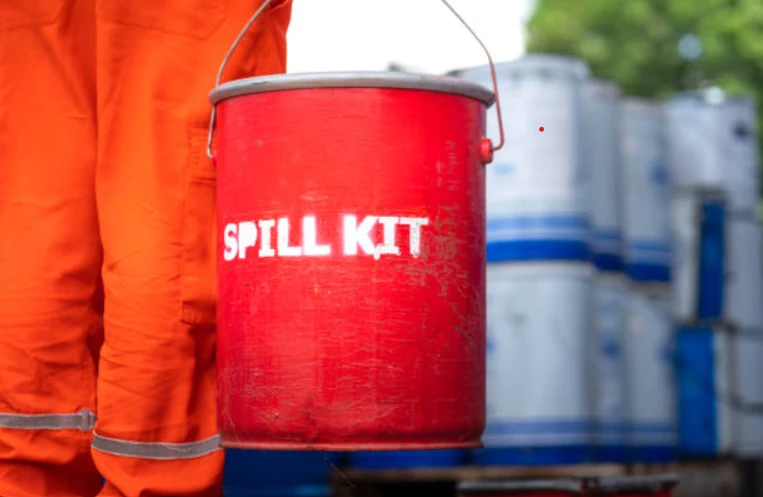

Spills can happen in any workplace at any time. They may seem small at first, but they can be dangerous. Your workers can slip and fall, which ultimately leads to injuries. Moreover, it can also damage tools and the building. In some cases, spills can even cause fires or harm the environment.
Therefore, it’s important to stay ready and know how to stop spills before they turn into big and costly problems. You can invest in spill socks, absorbent pads, and other similar products to contain and clean spills. Apart from that, you should also know some smart ways to protect your workplace from costly fluid spills.
Effective Ways to Protect Your Workplace from Spills
Store Liquids the Right Way
Poor storage is one of the primary reasons for workplace spills. When barrels or containers are not stored properly, they can fall and leak. Make sure all liquids are kept in strong containers with tight lids. Apart from that, you should store them on flat shelves or racks.
You can use trays or spill pallets under large containers to catch leaks. Try to keep heavier items on the lower shelves to avoid falls. This simple habit can stop spills from happening and save money on clean-ups and repairs.
Use Spill Containment Products
Spill containment tools can stop a small problem from becoming a big one. You can use different items, such as spill socks, absorbent pads, and drip trays, around machines or areas that often leak. Try to place mats near doors or in areas where oil and chemicals are used.
These products quickly soak up liquids and stop them from spreading. You can even find special products for oil, chemicals, or water. Using them will not only keep your workplace clean but also lower the risk of slips and high repair costs.
Check Equipment Regularly
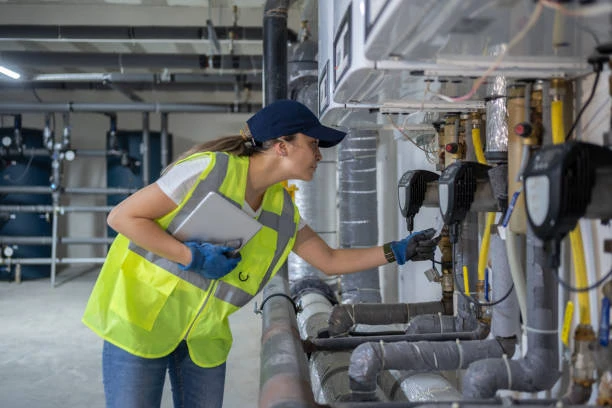
Machines that are used daily can leak if they’re not checked and cleaned regularly. A small leak can later lead to a large spill over time. Therefore, you should make it a habit to inspect tools, pipes, tanks, and hoses. During inspection, you should look for cracks, rust, and wet spots.
If you find a problem, try to fix it immediately or call a repair team. Apart from that, you should also place spill socks around machines that often drip to catch leaks before they spread. Regular checks stop spills before they happen and protect your workers and equipment.
Label All Liquids Clearly
One of the simplest ways to avoid spills is to know what’s inside each container. You should use clear labels with the name of the liquid and safety instructions. When your workers don’t know what a container holds, they may not handle it appropriately.
This can lead to drops, leaks, or even chemical burns. Make sure labels have clear instructions to help workers pick the right tools to handle spills. This will keep everyone safe and avoid mistakes that can cost time and money.
Keep Walkways and Floors Clean
Cluttered work areas increase the chance of accidents. If tools, boxes, or cables are left on the floor, someone may trip and cause a spill. Make sure walkways are always clear. Clean up water, oil, or other liquids immediately. You can use signs to warn others if the floor is wet. You can also use mats or spill socks in busy spots to catch drips.
Invest in Spill Kits
A spill kit is a box or bag full of tools to clean up spills fast. It usually has spill socks, gloves, absorbent pads, and a waste bag. Every workplace should have at least one spill kit. Try to keep it in an easy-to-reach place. Try to place kits near risky areas like workshops, kitchens, or chemical rooms.
Apart from that, make sure all workers know where it is and how to use it. Check the kit often and replace any used items. When you have a spill kit ready, this makes it easy to deal with leaks quickly and safely. This will also help you save time and money.
Train All Staff to Handle Spills
The first step is to teach every worker how to deal with spills the right way. Many accidents happen just because someone didn’t know what to do. Make sure all staff learn what to do if they see a leak or spill. You must show them where cleaning tools are present and how to use socks and absorbent pads for spills.
Apart from that, they should also know how to report any incident immediately. Practice drills can also help them act fast when something goes wrong.
Now, you are all set to protect your workplace from costly fluid spills. All you have to do is practice the aforementioned approaches. Responding immediately is the key to keeping your place clean.






























Sign in to leave a comment.