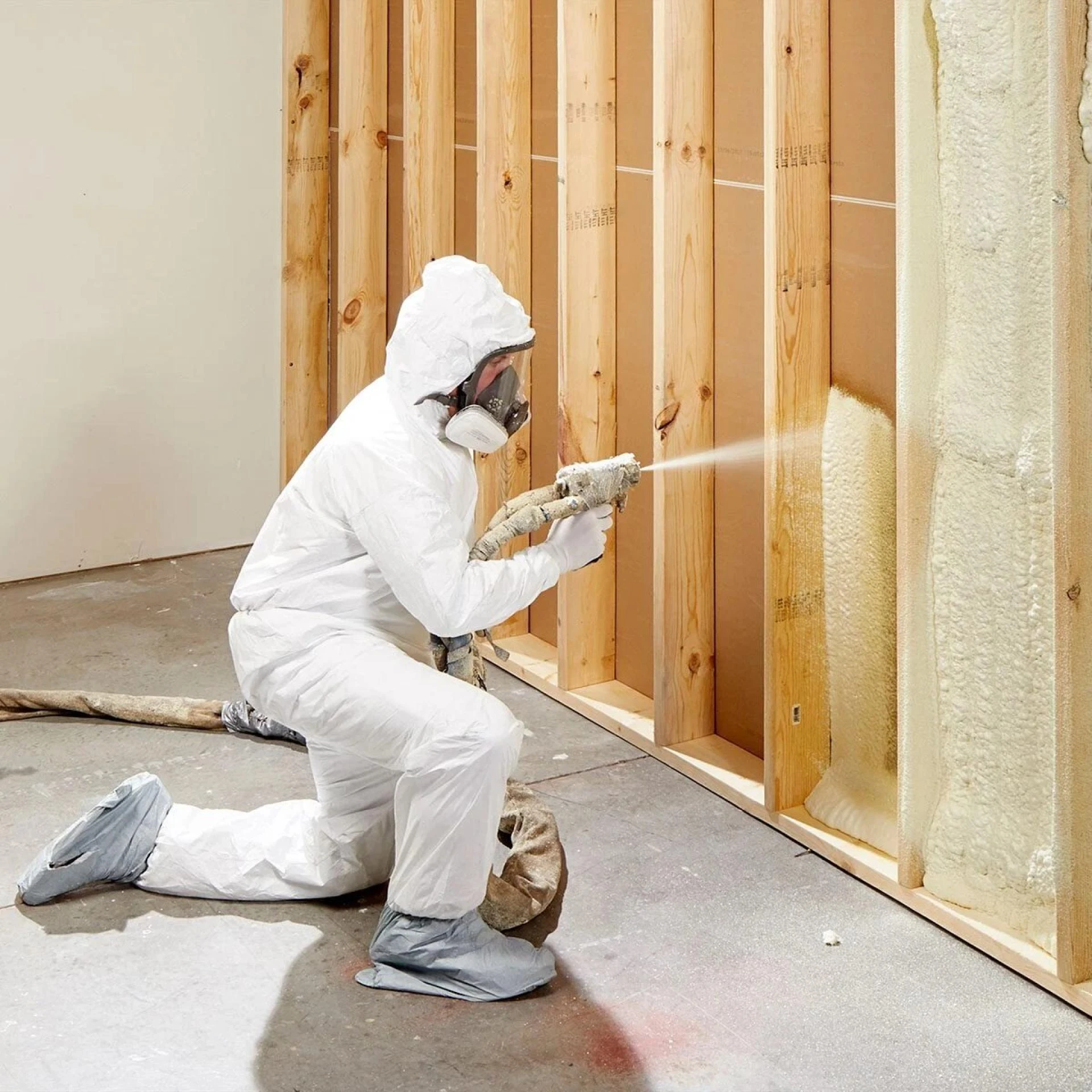

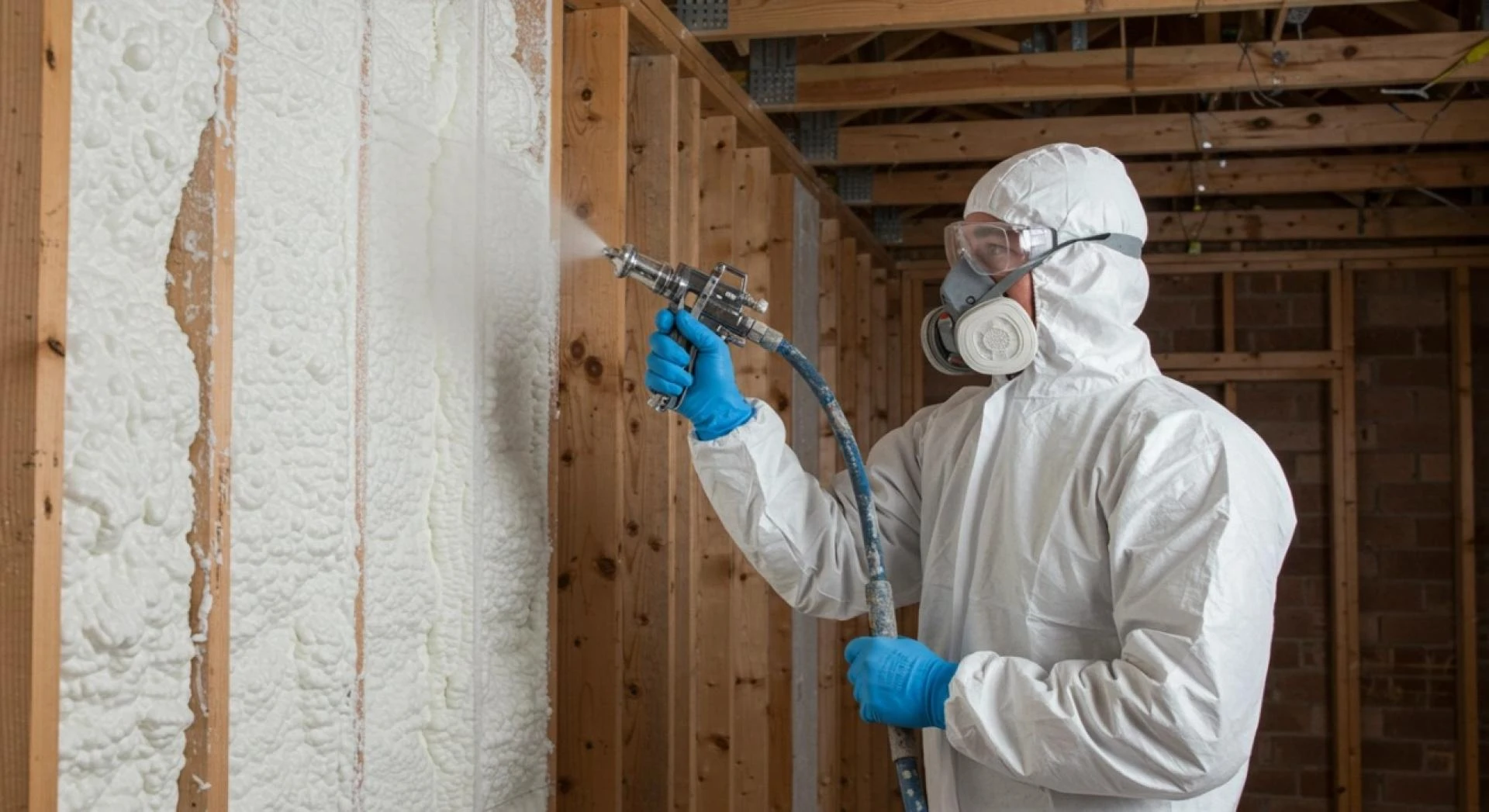
Closed-cell spray foam cuts long-term maintenance costs for property owners in three distinct ways: it reduces wear and tear on HVAC systems, it prevents expensive moisture-related damage like rot and mold, and it adds structural strength to the building itself. Unlike other materials that may degrade or require attention over time, spray foam is a one-time installation that becomes a permanent, inert part of the structure. Its rigid, waterproof, and air-sealing properties work together to protect the building from the inside out, heading off many common and costly repairs before they ever have a chance to start.
Understanding how these features translate into real savings on building upkeep is key for property owners. The practical information here is grounded in extensive field experience and has been reviewed by Sophia White, an industry professional with eight years of hands-on expertise, ensuring the advice is both accurate and relevant to property owners.
Less Strain on Heating and Cooling Systems
The most immediate impact closed-cell spray foam insulation has is on the home's heating and air conditioning system. By creating a nearly perfect air seal, it stops the constant infiltration of outside air. This means the HVAC system no longer has to fight a losing battle against drafts in the winter and sweltering air in the summer. It can bring the space to the desired temperature and then cycle off for longer periods.
This reduced workload has a direct effect on maintenance. An HVAC system that runs less frequently is a system that lasts longer. The constant cycling of compressors, fans, and other mechanical parts is what leads to wear and failure. A properly air-sealed home can extend the functional lifespan of an HVAC unit by several years, delaying a replacement that can cost thousands of dollars. Industry averages show a full HVAC system replacement is one of the most expensive investments a homeowner will make. By reducing the strain on this equipment, closed-cell foam directly lowers the lifetime cost of climate control.
- A Note on New Construction: In new construction, buildings with a closed-cell foam envelope can allow for the installation of a smaller, less expensive HVAC unit. Because the heating and cooling load is so much lower, a smaller system can comfortably handle the job, providing an immediate cost saving on top of the long-term maintenance benefits.
Preventing Catastrophic Moisture Damage
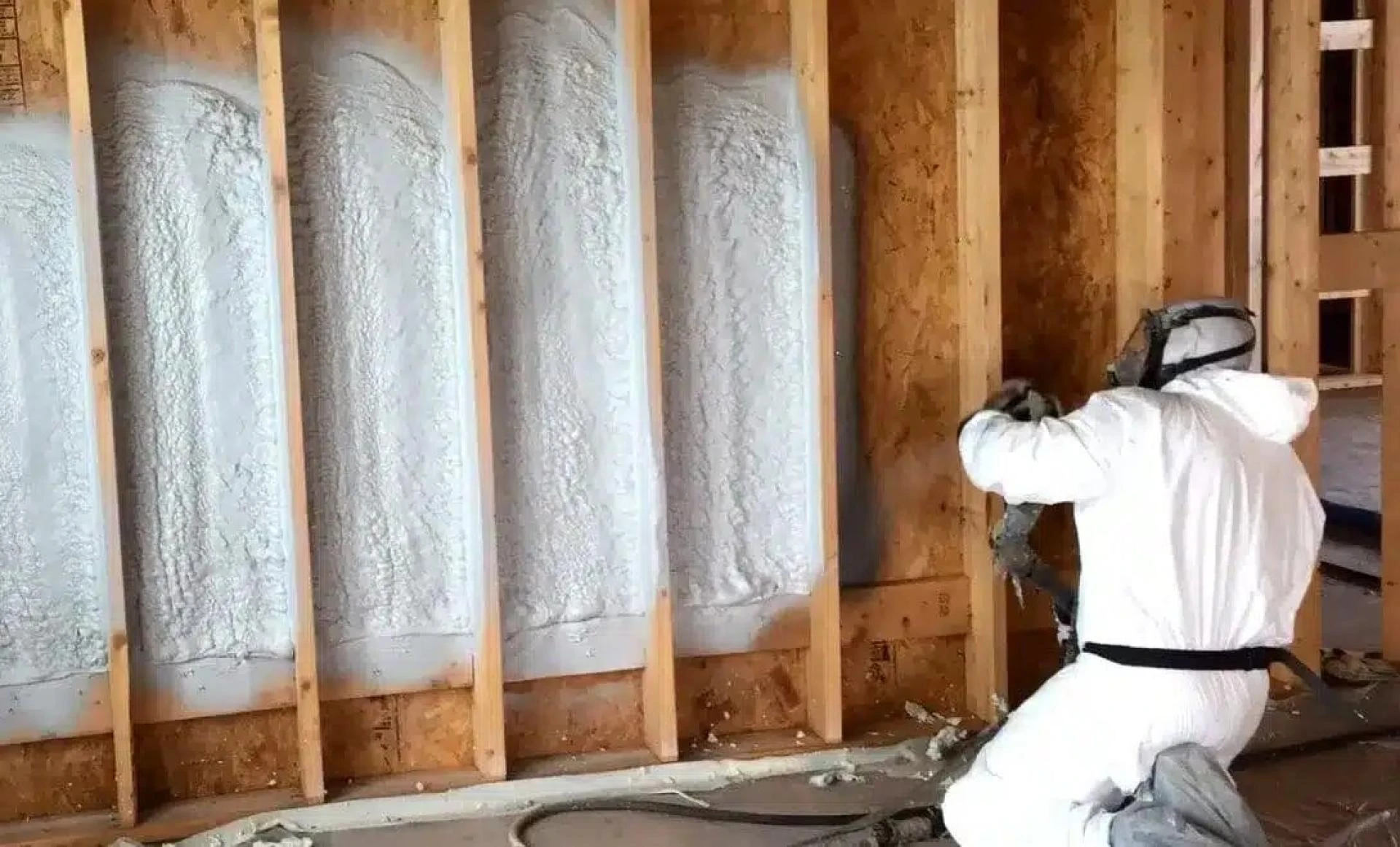
Water and moisture are responsible for some of the most destructive and expensive home repairs. Closed-cell spray foam is a powerful defense against these issues because it is both an air barrier and a vapor barrier. Its dense structure is impermeable to water, meaning it will not absorb moisture or allow it to pass through.
When applied in places like crawl spaces, basements, or on the underside of a roof deck, it seals the building from ground moisture and humid air. This prevents condensation from forming inside wall cavities and attic spaces, which is a primary cause of wood rot, drywall damage, and peeling paint. More importantly, it denies mold the water it needs to grow. Mold remediation is a complex and expensive process that often involves tearing out and replacing large sections of a home. By keeping the building assembly dry, closed-cell foam effectively eliminates the conditions that lead to these costly structural and health-related maintenance problems.
This is especially important in humid climates where the air is often saturated with moisture. Sealing the building envelope is the only reliable way to control the indoor environment and prevent the constant battle against dampness and mildew.
Adding Structural Strength and Durability
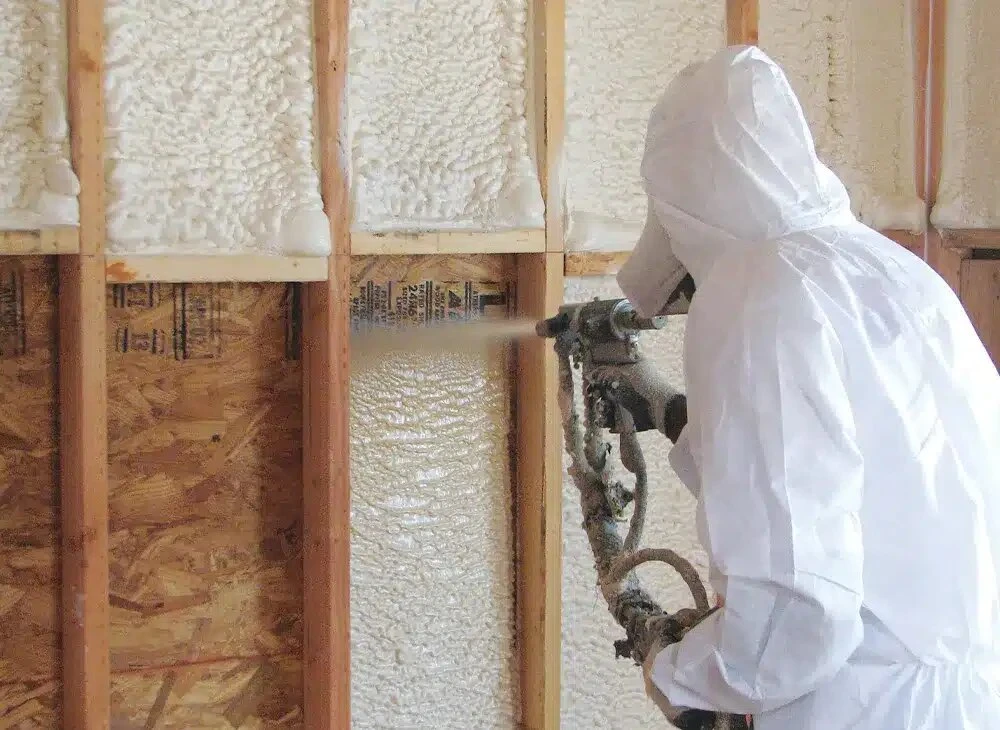
A unique feature of closed-cell spray foam insulation services is its structural rigidity. Once cured, it becomes dense and durable, tightly adhering to the surfaces where it’s applied.This process essentially glues the building components together, from studs to sheathing. The result is a wall or roof assembly that is significantly stronger and more resistant to racking forces from high winds or shifting from heavy snow loads.
This added strength helps reduce a range of potential maintenance costs over the life of the building. It can prevent stress cracks in drywall, reduce squeaks in floors, and generally make the entire structure feel more solid. In areas prone to severe weather, this structural reinforcement can be the difference between minor damage and a major repair bill. By increasing the building's overall resilience, closed-cell spray foam acts as a form of long-term structural insurance, protecting the owner's investment and avoiding future repair costs.
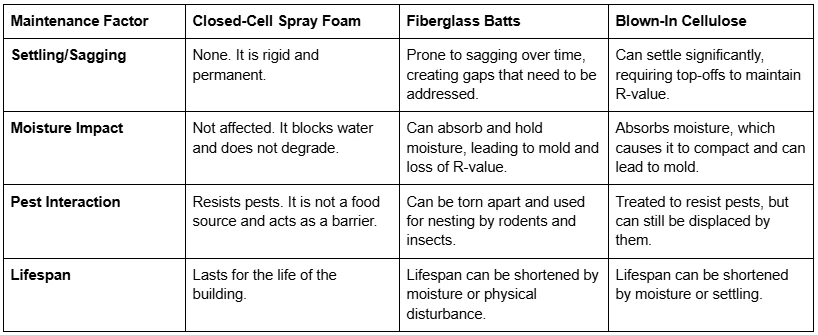
A Look at Long-Term Upkeep of Insulation
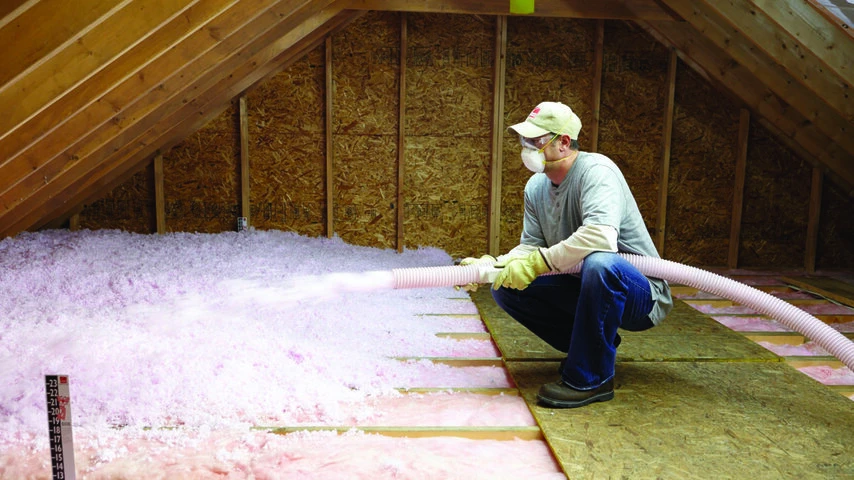
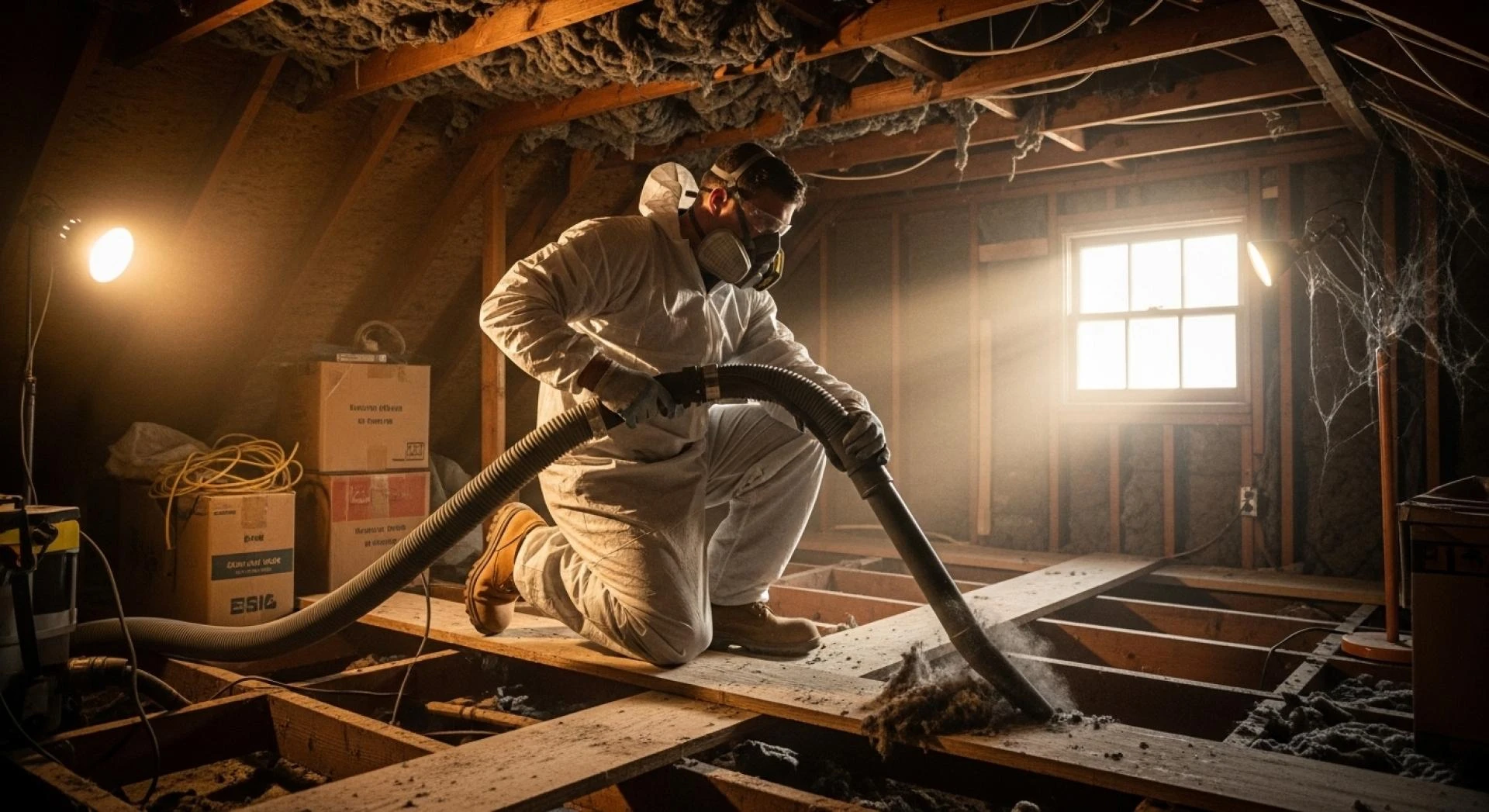
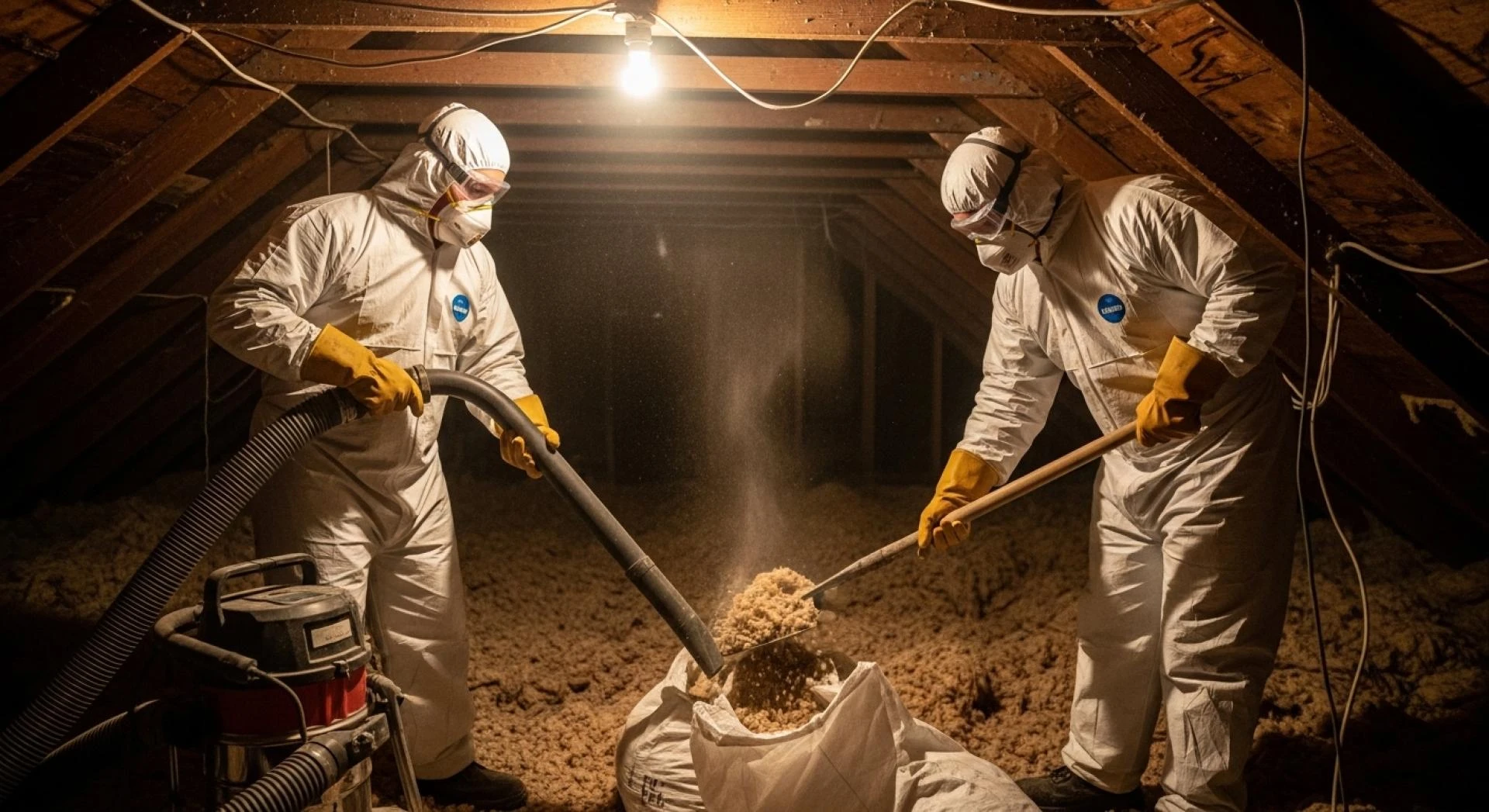
Different insulation materials have very different maintenance profiles over the long run. Closed-cell spray foam stands out for its lack of required upkeep.
Things to Consider Before Making a Decision
To realize the maintenance-saving benefits of closed-cell spray foam, the installation must be done correctly. This is not a product where the application can be flawed without consequence.
First, the substrate must be properly prepared. This means any existing water leaks, rot, or pest problems must be completely resolved before the foam is installed. Sealing over an active problem will trap it and make it worse.
Second, the choice of installer is the most important factor. A certified, experienced contractor will understand the complex chemistry of the foam and have the right equipment to ensure it cures properly. A poor installation can result in a product that doesn't perform as expected or, in a worst-case scenario, can lead to lingering chemical odors.
Finally, property owners should view the higher upfront cost as a direct investment against future expenses. You are paying more at the start to avoid unpredictable and often much larger repair bills down the road.
- A Note on Getting Quotes: When getting quotes, ask the contractor to explain their quality control process. How do they ensure the foam is mixed at the correct ratio and temperature? A professional will have a clear, confident answer to this question.
Frequently Asked Questions About Foam Durability
Does closed-cell foam ever need to be replaced?
No. When installed correctly, it is a permanent material that does not break down, settle, or degrade. It is expected to last for the entire life of the building without any need for maintenance or replacement.
What happens if a pipe leaks behind a foamed wall?
The foam itself is waterproof and will not be damaged. In fact, it can often help contain the leak to a smaller area. A plumber would need to cut out a section of the foam to access the pipe, and that section can be easily patched with a new application of foam after the repair is complete.
Can it get damaged by pests?
Closed-cell foam is not a food source for rodents, termites, or other pests. Its hard, dense structure also makes it a very effective physical barrier, helping to prevent pests from entering the building in the first place and avoiding future extermination costs.
Does it lose its insulating power over time?
There can be a very small amount of R-value reduction in the first year or two as some of the blowing agent escapes the cells, but it is minimal. After that, the R-value remains stable for decades.
Is it strong enough to walk on?
When applied to a roof deck or floor, closed-cell foam becomes very strong and can easily be walked on for maintenance access without being damaged.
A Lasting Investment in a Building's Health
Closed-cell spray foam is more than just insulation; it's a protective layer that actively lowers the lifetime maintenance costs of a property. By easing the burden on mechanical systems, stopping moisture damage before it starts, and reinforcing the structure, it offers a powerful and permanent solution for building preservation. The key is to partner with a skilled professional to ensure the job is done right from the start.
Getting a Professional Opinion
While these principles apply broadly, understanding how the benefits translate to a specific building requires an expert eye. A professional insulation contractor can perform an assessment and provide clear guidance on the best approach. For property owners seeking a detailed evaluation, a company like Stellrr offers consultations based on building science principles. Their team can help identify ways to make a building more durable and efficient. They can be reached for more information at (512) 710-2839 or by email at [email protected].
Reviewer: Sophia White has 8 years of experience in spray foam insulation. She reviewed this post and gave clear guidance on aligning business messaging with what customers actually care about.



























Sign in to leave a comment.