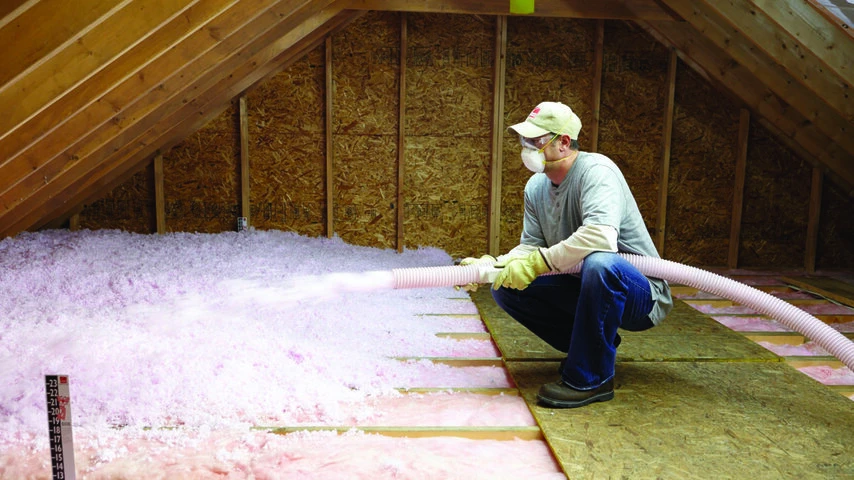
Ignoring attic insulation issues leads directly to serious structural damage, primarily through three mechanisms: uncontrolled moisture causing wood rot, the formation of destructive ice dams in colder climates, and by creating a habitat for pests that chew through framing. While many homeowners see poor insulation as just an energy issue, the reality is that its failure allows for physical processes that can slowly but surely compromise the integrity of a home's roof, walls, and ceiling joists. In most cases, these problems occur when insulation has been improperly installed or has degraded over time, something that professional attic insulation aims to prevent by ensuring correct thickness, air sealing, and material selection. Essentially, the insulation in your attic serves as the first line of defense for the structure that sits just below your roof.
The Silent Threat of Moisture and Rot
The most common and destructive consequence of failing attic insulation is moisture damage. This happens through condensation. In the winter, warm, moist air from your living spaces (from cooking, showers, and just breathing) rises. If the attic insulation is poor and the attic is not properly air-sealed, this warm air will leak into the cold attic and condense on the cold surfaces it touches, particularly the underside of the roof sheathing.
This process is like a bottle of cold water on a summer day. The constant dripping and dampness create the perfect conditions for wood rot. The roof deck, rafters, and ceiling joists can begin to decay, losing their structural strength. This is not a quick process, but over several seasons, it can soften the wood to the point where it can no longer support its load, leading to a sagging roof or compromised framing. It also creates a prime environment for mold, which can cause both health problems and further material decay. The U.S. Environmental Protection Agency notes that controlling moisture is the key to controlling mold in a home.
- Bonus Tip: A common source of concentrated moisture in attics is an improperly vented bathroom fan. Many are vented directly into the attic instead of to the outside. This pumps gallons of warm, moist air into the space, dramatically accelerating the potential for condensation and rot.
How Ice Dams Destroy a Roof and Walls
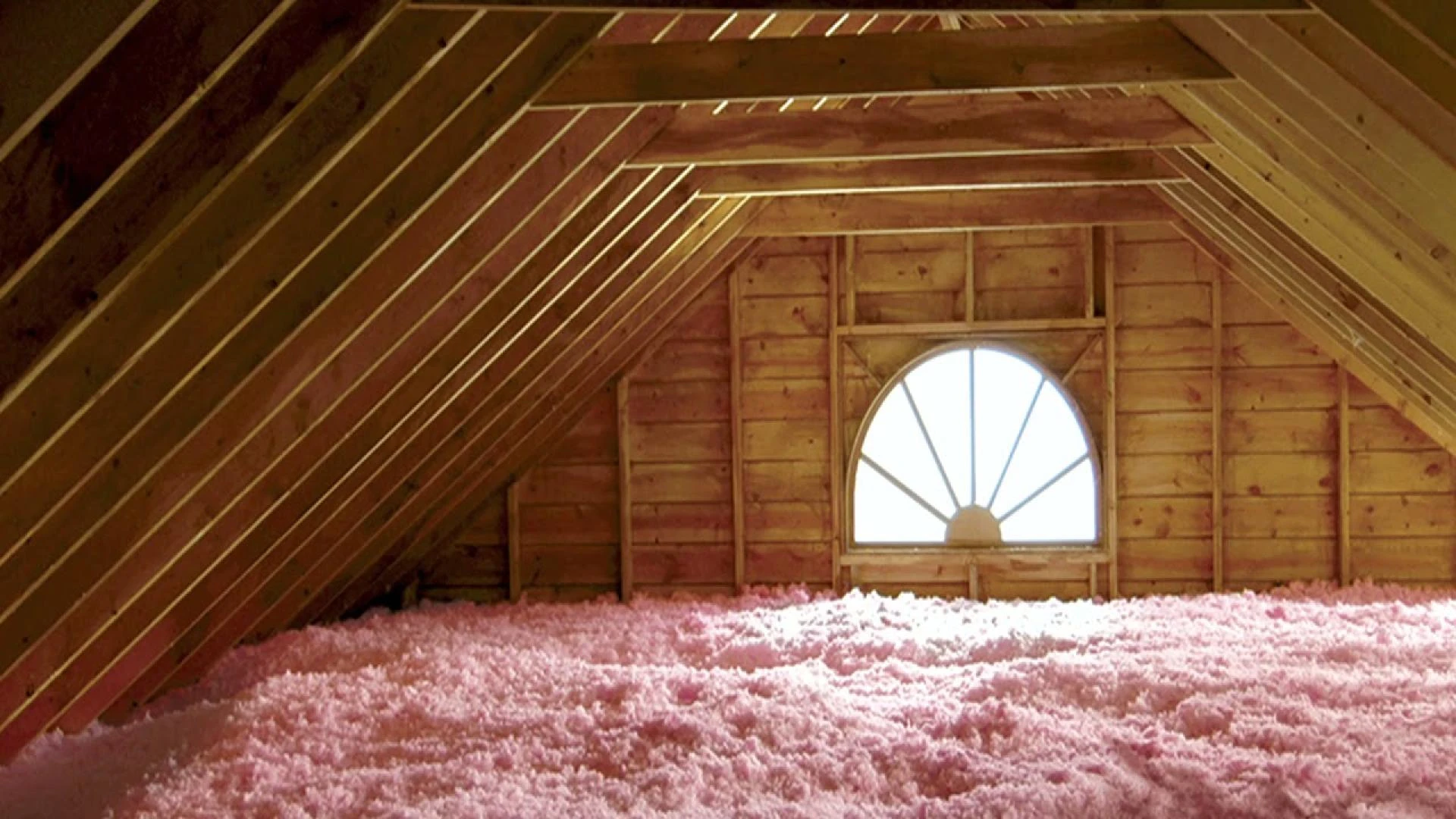
In climates with significant snowfall, poor attic insulation leads to the formation of ice dams, which are a major source of structural damage. The process is simple:
- Heat from the living space escapes through the thin or poorly installed insulation into the attic.
- This heat warms the underside of the roof deck, melting the snow on the roof from the bottom up.
- The meltwater runs down the roof until it reaches the cold eaves (the overhangs), which are not heated from below.
- At the eaves, the water refreezes, forming a thick ridge of ice, or an ice dam.
This dam traps all the melting water behind it. The water has nowhere to go but back up under the roof shingles, where it soaks the roof sheathing and can leak into the exterior walls and attic. This leads to rotted roof decking, damaged rafters, and water-logged wall insulation. Over time, this can compromise the entire wall assembly and even lead to damage in the home's foundation as water runs down the structure.
When Pests Move In and Start Chewing
Old, settled, and dirty insulation is an ideal nesting material for rodents, birds, and insects. While many homeowners are concerned about the hygiene issues pests create, the potential for structural damage is often overlooked.
Rodents like squirrels and raccoons will not only shred insulation but will also chew on wood framing members, including rafters and joists, to wear down their teeth. Over time, this can weaken the wood. More seriously, they often chew on electrical wiring, creating a significant fire hazard that threatens the entire structure. Insects present another threat. Carpenter ants and termites are drawn to wood that has been softened by moisture, an issue we've already seen is common in poorly insulated attics. An insulation problem can therefore lead directly to a pest infestation, which in turn leads to the wood structure being actively eaten away.
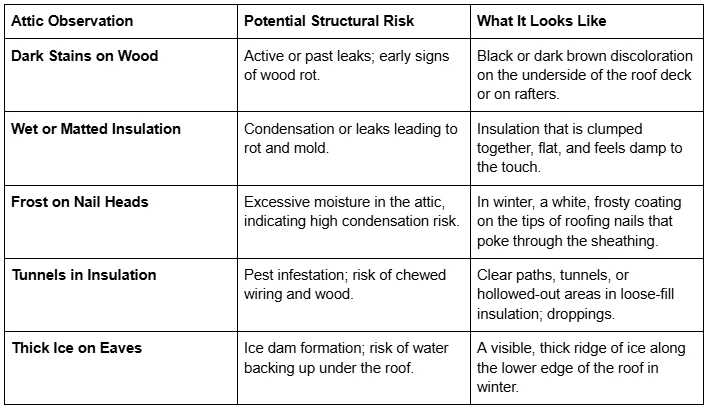
Identifying Structural Risks from Your Attic
A visual inspection of your attic can help you spot the warning signs of conditions that could lead to structural problems. Knowing what to look for is the first step in prevention.
Things to Consider Before a Problem Starts
Preventing structural damage from attic insulation issues is far cheaper and easier than repairing it. There are several proactive steps a homeowner can take.
First, schedule a professional attic inspection every few years, especially in an older home. An expert can spot the subtle signs of moisture, ventilation, or pest problems before they become severe. They can also measure your insulation depth and tell you if it meets current energy code standards.
Second, understand that insulation and ventilation work together. You can have a very high R-value, but if your attic isn't properly ventilated to exhaust moisture, you can still have condensation problems. A professional will assess the entire attic system, not just the insulation.
Finally, do not ignore the warning signs. A small water stain on a ceiling or a flicker of an animal in the attic is a call to action. Investigating these small signs promptly can save you from a massive repair bill down the road.
- Bonus Tip: When you have your roof replaced, it is the perfect time to have the roof sheathing inspected from the top down. A roofer can easily spot any signs of softness or rot that might be hidden from view inside the attic.
Questions About Insulation and Home Structure
Can wet insulation just dry out on its own?
Wet insulation can sometimes dry out on its own if the source of moisture is fixed and the attic has excellent ventilation. However, once fiberglass or cellulose insulation has been saturated, it becomes compressed and loses a significant amount of its R-value, even after it dries. It often needs to be replaced.
How quickly can wood rot start to cause damage?
With consistent moisture, wood rot can begin to weaken wood within a year or two. The exact timeline depends on the type of wood, the temperature, and the amount of moisture present.
Does homeowners insurance typically cover this type of structural damage?
It depends on the cause. If the damage is from a sudden event, like a storm creating a roof leak, it is often covered. However, damage that occurs slowly over time due to neglect or poor maintenance (like long-term condensation) is usually not covered.
What is the difference between mold and wood rot?
Mold is a fungus that grows on the surface of organic materials. Wood rot is a specific type of fungal decay that breaks down the structural fibers of the wood itself, causing it to become soft and weak. They often occur together.
Can pests really do that much damage to the house frame?
Yes. While a single mouse won't cause a problem, a long-term, unchecked infestation can lead to significant cumulative damage to wood framing and create very dangerous conditions by chewing on electrical wiring.
Protecting Your Home's Foundation from the Top Down
Your home's attic is more than just a space for storage; it's a critical part of the system that protects your entire structure. Ignoring problems with attic insulation can set off a chain reaction that ends in costly and dangerous structural failures. Understanding the risks of moisture, ice dams, and pests is the first step, but taking proactive measures is how you ensure your home stays safe for decades.
Getting a Professional Structural Assessment of Your Attic
The best way to know if your attic is putting your home at risk is to have it inspected by a professional who understands building science. They can identify the root causes of potential problems and recommend effective solutions. For homeowners seeking a comprehensive attic evaluation, a company like Stellrr Insulation & Spray Foam specializes in diagnosing and fixing these types of issues. Their team can be contacted for a detailed inspection at (512) 710-2839 or by email at [email protected].
Reviewer: Sophia White has 8 years of experience in spray foam insulation. She reviewed this post and gave clear guidance on aligning business messaging with what customers actually care about.

























Sign in to leave a comment.