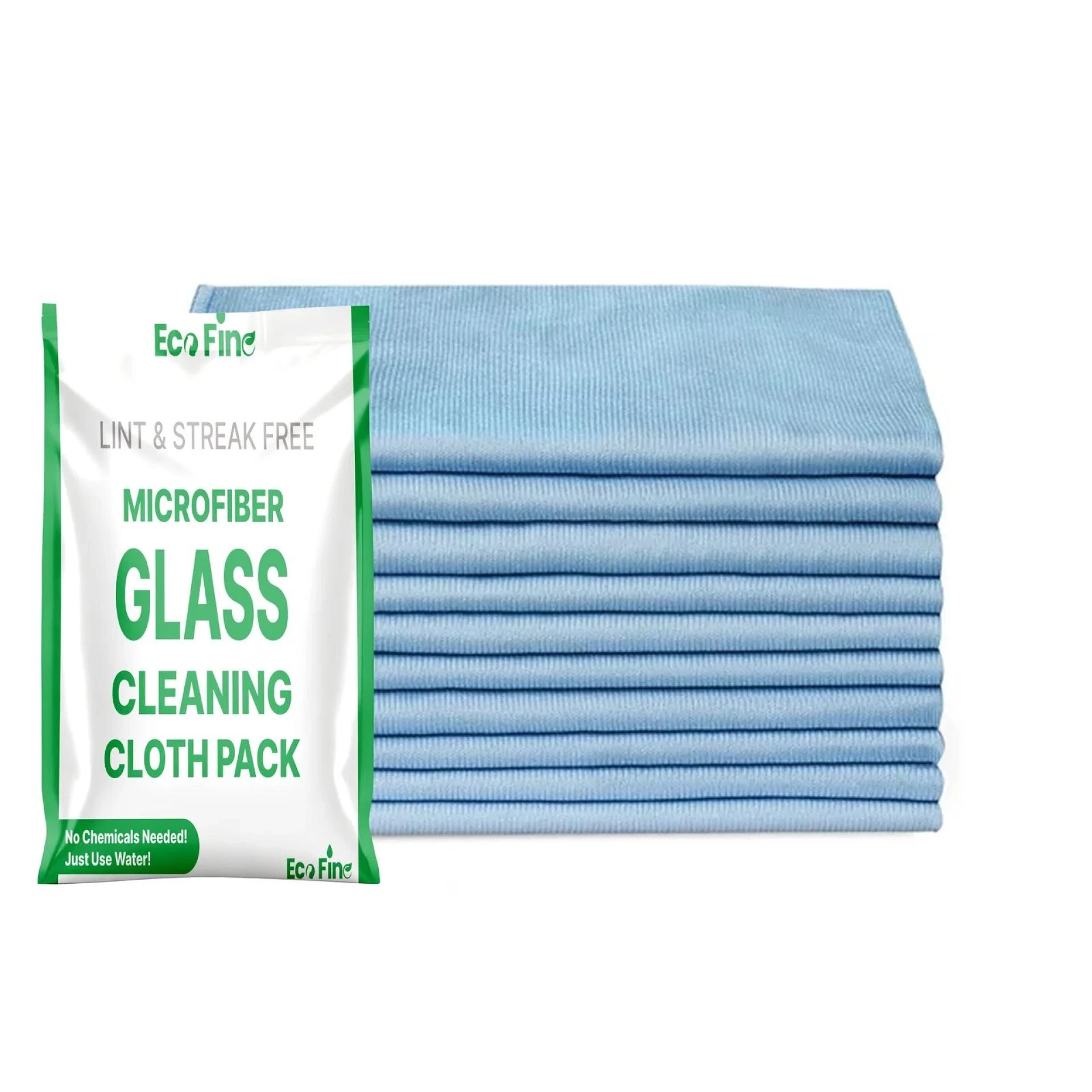

Cleaning looks simple until it goes wrong. The surface looks clean, but bacteria move from one room to another. A mop spreads contamination instead of removing it. A cloth wipes dirt instead of trapping it.
Professional cleaners know this problem well. That’s why color-coded microfiber cloths exist. They don’t exist for decoration. They exist to control hygiene, reduce cross-contamination, and improve cleaning efficiency.
Let’s break down how color-coded microfiber cloths work, why professionals rely on them, and how modern cleaning kits make hygiene easier without guesswork.
What Are Color-Coded Microfiber Cloths?
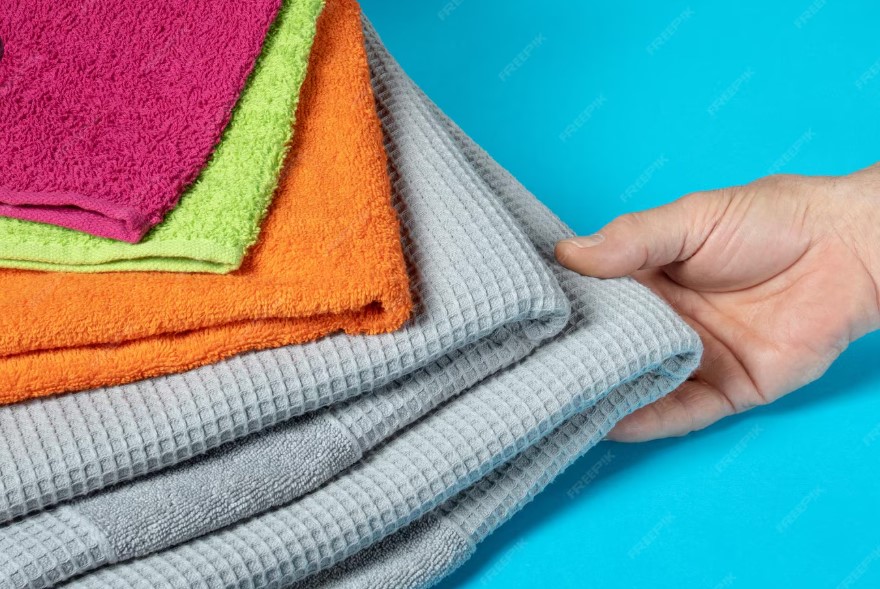
Color-coded microfiber cloths assign specific colors to specific cleaning zones.
For example:
- One color for restrooms
- One for kitchens
- One for general surfaces
- One for floors
This system prevents the biggest cleaning mistake: cross-contamination.
Microfiber cloths already trap dirt and microbes better than traditional cotton. According to research referenced by the Centers for Disease Control and Prevention (CDC) and cleaning industry bodies, microfiber reduces surface contamination more effectively when used correctly.
Why Hygiene Fails Without a Color System
Here’s the uncomfortable truth. Most hygiene failures happen because of human error, not bad products.
Without color coding:
- A cloth used in a restroom ends up on a desk
- A mop pad moves from floor to floor
- Bacteria travel quietly
Professional environments can’t afford that risk. Homes shouldn’t either.
Color-coded systems remove decision fatigue. You don’t think so. You follow the color.
The Science Behind Microfiber and Hygiene
Microfiber works because of structure, not chemicals.
Each microfiber strand splits into tiny hooks. These hooks:
- Lift dirt instead of pushing it
- Trap particles inside the cloth
- Reduce the need for harsh cleaning solutions
Organizations like the International Sanitary Supply Association (ISSA) highlight microfiber as a preferred material for professional cleaning due to its mechanical cleaning ability.
What this means in real life:
- Less chemical use
- Better surface coverage
- Improved hygiene with less effort
How Professionals Use Color-Coded Cleaning Kits
Professionals don’t buy random tools. They buy systems.
A Professional Cleaning Kit organizes everything:
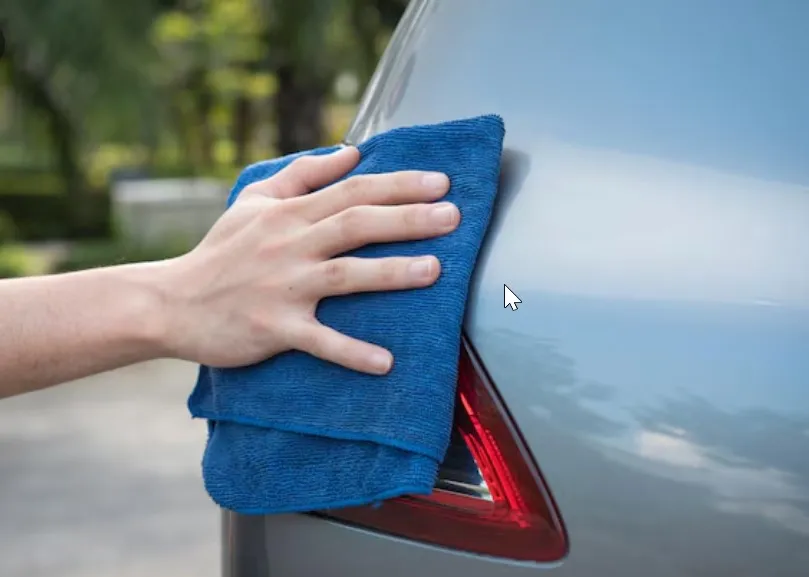
- Color-coded microfiber cloths
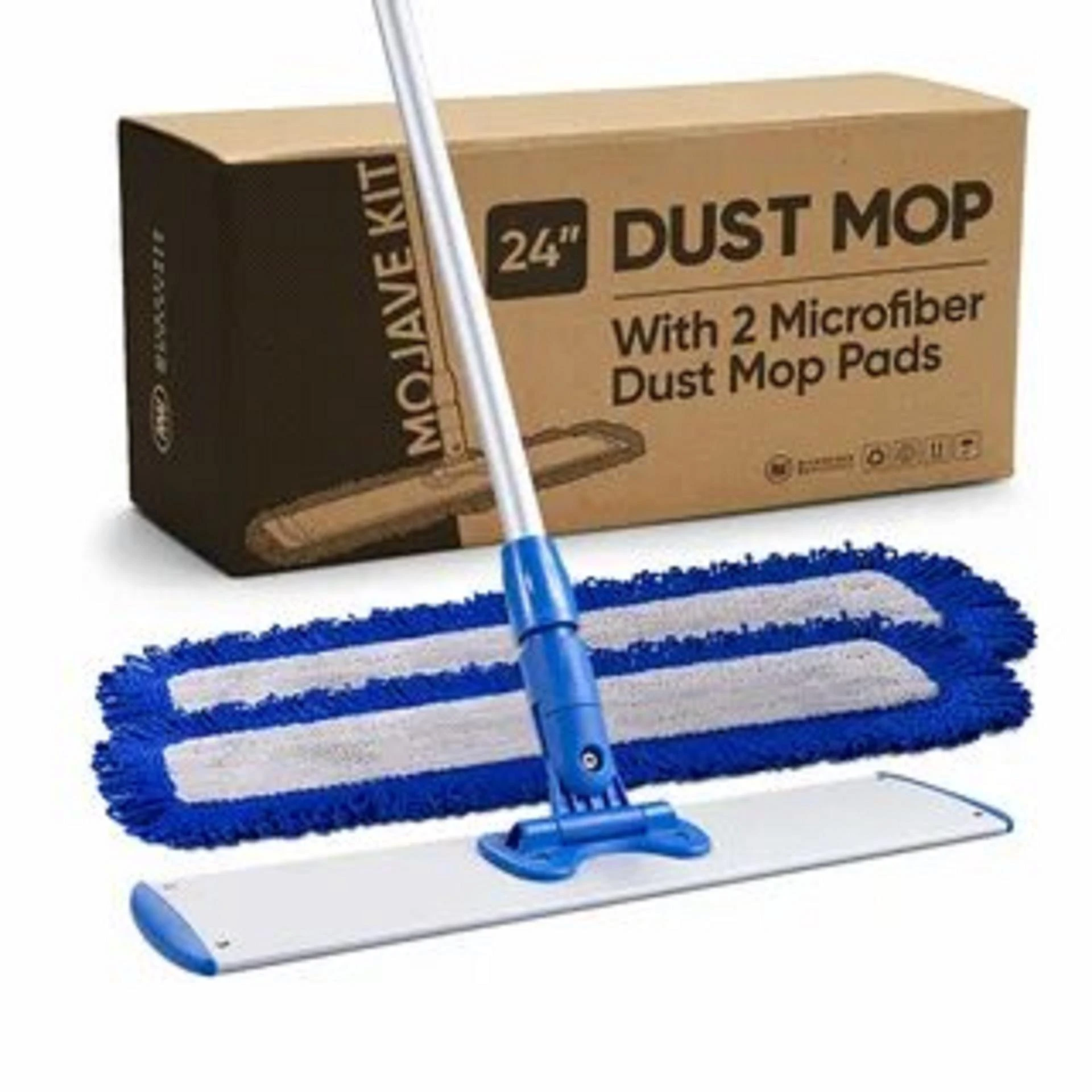
- Microfiber mop with frame
- Mop pads matched to zones
- Spray bottles for controlled application
- Carrying bag to keep tools separated
This setup protects hygiene from start to finish.
Inside a Deluxe Cleaning Kit: Built for Control and Consistency
A Deluxe Cleaning Kit takes organization further.
Typical components include:
- Color-coded microfiber cloths
- Professional mop system
- Specialized mop pads for different floors
- Spray bottles for cleaning solutions
- Duster with extension pole for high surfaces
- Professional carrying case
This kit fits commercial spaces, offices, and serious home users.
Benefits of a Deluxe Cleaning Kit
- Reduced cross-contamination
- Faster cleaning workflows
- Consistent results across surfaces
Downsides
- Higher upfront cost
- Requires basic training or discipline
Professionals accept this tradeoff because hygiene failures cost more than equipment.
Starter Cleaning Kits: Simple but Effective
A Starter Cleaning Kit focuses on essentials.
Usually includes:
- Microfiber cloths
- Basic mop with frame
- Mop pad
- Spray bottle
This setup works well for small spaces and routine cleaning.
Pros
- Lower cost
- Easy to manage
- Ideal for beginners
Cons
- Limited zone separation
- Fewer specialized tools
It’s a solid entry point, not a full professional system.
Color-Coded Microfiber Cloths vs Non-Coded Cloths
| Feature | Color-Coded | Non-Coded |
| Hygiene control | High | Low |
| Cross-contamination risk | Low | High |
| Training needed | Minimal | Higher |
| Professional use | Standard | Rare |
Color coding doesn’t clean surfaces by itself. It prevents mistakes. That’s why professionals won’t give it up.
Microfiber Mop Systems and Hygiene Control
Floors hold more contaminants than people realize.
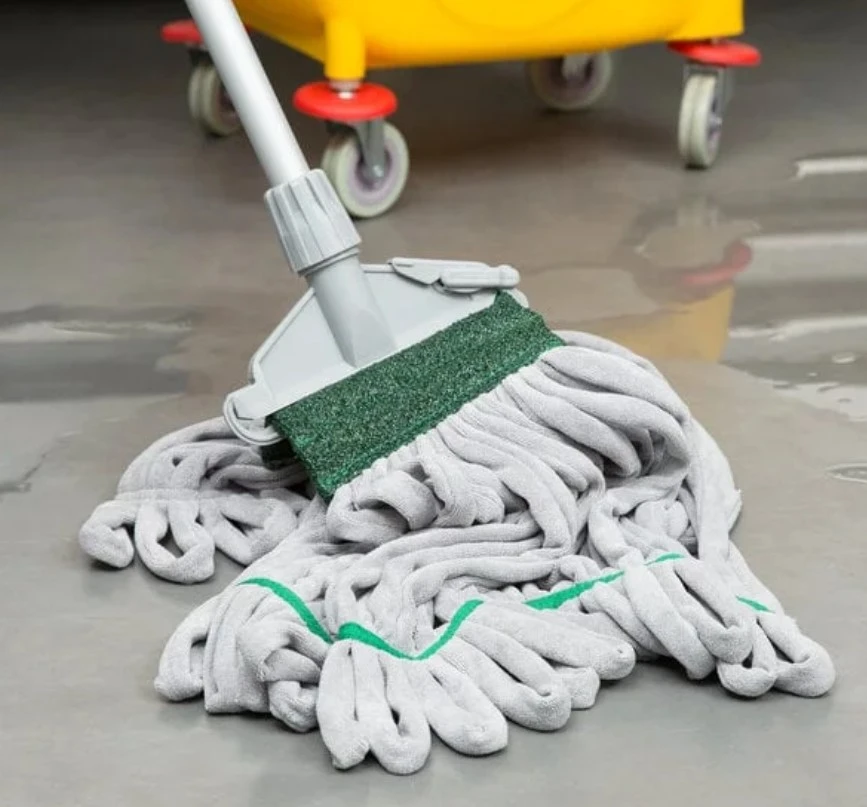
A microfiber mop with frame paired with separate mop pads improves hygiene by:
- Covering more surface area
- Holding more dirt
- Allowing pad changes between zones
Professional mop systems let cleaners swap mop pads instead of reusing dirty ones.
That one change alone improves hygiene dramatically.
Spray Bottles and Controlled Cleaning Solutions
Overusing cleaning solutions creates residue. Underusing them reduces effectiveness.
Spray bottles give control:
- Even distribution
- Less waste
- Better surface contact
Professionals pair microfiber cloths with controlled spray application. They clean smarter, not wetter.
Cost, Price, and Payment: What Buyers Should Know
Good cleaning kits cost more upfront. That’s reality.
But long-term cost tells a different story:
- Microfiber lasts longer
- Less chemical usage
- Fewer replacement tools
Professionals calculate cost per use, not sticker price.
For pricing and payment options, buyers typically choose reliable suppliers offering complete cleaning kits rather than piecing items together.
Tips for Using Color-Coded Microfiber Cloths Correctly
Simple rules make the system work:
- Assign colors clearly
- Never mix zones
- Wash cloths separately
- Avoid fabric softener
Fabric softener clogs microfiber fibers. It reduces absorbency and cleaning power.
This mistake ruins more microfiber than wear ever will.
Advantages of Color-Coded Cleaning Systems
- Improved hygiene
- Faster cleaning routines
- Lower contamination risk
- Easier staff training
These advantages explain why hospitals, offices, and professional cleaners rely on color coding.
Disadvantages to Be Aware Of
- Requires discipline
- Needs proper storage
- Slight learning curve
None of these outweigh the hygiene benefits.
People Also Ask
Why are cleaning cloths color-coded?
Color coding prevents cross-contamination by assigning specific cloths to specific areas.
Are microfiber cloths more hygienic than cotton?
Yes. Microfiber traps and removes more dirt and microbes when used correctly.
Do professional cleaners use color-coded systems?
Yes. Color-coded microfiber systems are standard in professional cleaning.
Frequently Asked Questions (FAQs)
How long do microfiber cloths last?
With proper care, they can last hundreds of washes.
Can I use one color for everything at home?
You can, but hygiene improves significantly when you separate zones.
Are professional cleaning kits worth the cost?
Yes. They reduce chemical use, save time, and improve hygiene consistency.
Final Thoughts
Here’s the thing. Cleaning isn’t just about making things look good. It’s about preventing problems you can’t see.
Color-coded microfiber cloths turn hygiene into a system instead of a guess. When combined with structured cleaning kits, professional mop systems, spray bottles, and proper storage, cleaning becomes predictable and safer.



























Sign in to leave a comment.