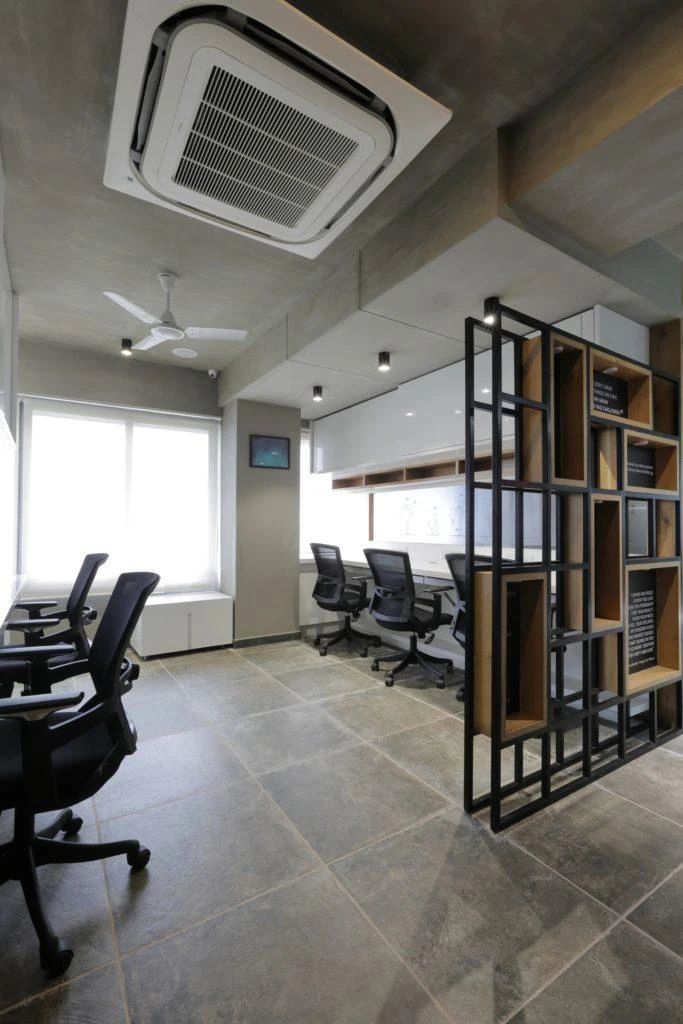

Corporate identity has a strong influence on office architecture. Workplaces are now physical expressions of a company’s values, culture, and vision. Modern offices are not just built for efficiency; they are carefully designed spaces that reflect who the organization is and how it functions. Architecture serves as a way to tell a story, transforming brand identity into space, form, and experience.
At its core, corporate identity shows an organization's mission, work culture, and personality. Office architecture expresses these intangible qualities through layout, scale, and design. A startup that values innovation and collaboration may prefer open plans, flexible work areas, and informal gathering spots that promote interaction. In contrast, a corporate firm that emphasizes professionalism and structure might choose more defined layouts, formal meeting rooms, and controlled movement to support clarity and order.
Spatial planning is one of the clearest ways identity affects design. Companies that value transparency and teamwork often select open layouts with visual connections. In contrast, those that manage sensitive or focused work need private offices and sound barriers. The mix of collaborative and quiet spaces shows how an organization operates and what it cares about. Architecture quietly influences behavior, shaping how employees interact, move, and work in the workplace.
Material selection and aesthetics strengthen corporate identity. Natural materials like wood and stone convey warmth, sustainability, and a focus on people. Sleek finishes such as glass, metal, and polished surfaces suggest precision, innovation, and modernity. Thoughtful color palettes inspired by brand identity ensure consistency without overwhelming the space. These choices create a unified visual language that connects the office to the brand’s image.
Technology integration reflects a lot about company values. Organizations that focus on innovation and flexibility often include smart systems, adaptable infrastructure, and digital collaboration tools in their designs. Offices that support hybrid work, mobility, and future growth show a forward-thinking attitude. On the other hand, companies that prioritize employee well-being may focus on lighting control, air quality, sound quality, and ergonomic planning in their designs.
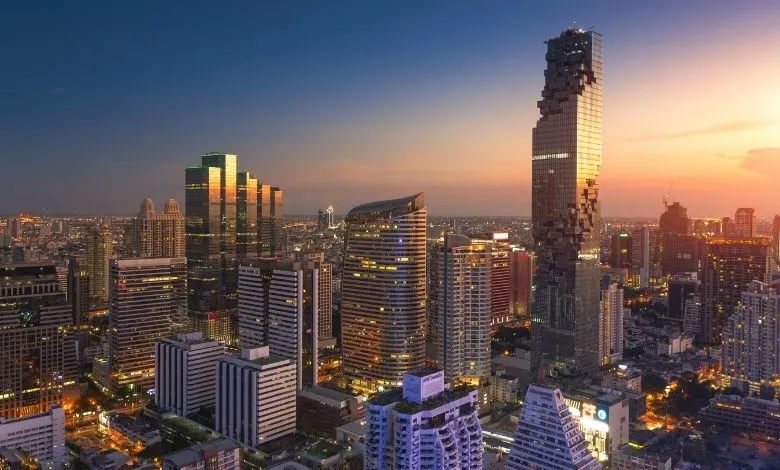
The exterior of an office building is also important. Facade design, scale, and materials influence how people see a company. A striking architectural choice can show confidence and leadership. On the other hand, a simple and fitting design can demonstrate responsibility and respect for the nearby environment. The building acts as a visual representative of the brand in the city.
Employee experience is key to identity-driven office design. When employees work in spaces that reflect company values, they feel a greater sense of belonging and purpose. Design affects morale, productivity, and engagement by creating environments that support comfort, clarity, and cultural fit.
Corporate identity and office architecture are closely linked. Good design, led by top architects for office space, changes offices into meaningful places that offer more than just function and looks. By matching architecture with brand values, organizations build workplaces that reflect their identity, boost culture, and make a lasting impression on all who enter.


























Sign in to leave a comment.