

As awareness about sustainability and wellness grows, more companies are seeking ways to make their offices greener and healthier for their employees. A greener office not only benefits the environment but also contributes to the overall well-being and productivity of workers. Simple changes, from using sustainable materials to incorporating biophilic design, can transform a workspace into a healthier, more eco-friendly environment. Here are some practical ideas to make your office greener and healthier.
1. Incorporate Indoor Plants
Plants are one of the simplest and most effective ways to improve air quality in any office. Indoor plants such as peace lilies, snake plants, and pothos are known to purify the air by removing toxins like formaldehyde, benzene, and ammonia. They also increase humidity, which can help prevent dry skin and respiratory issues. Moreover, plants have been shown to reduce stress and boost employee morale. A few well-placed plants around the office can have a significant impact on both the aesthetic appeal and the overall atmosphere of the space.
2. Opt for Energy-Efficient Lighting
Switching to LED lighting or other energy-efficient light sources can dramatically reduce energy consumption in the office. Unlike traditional incandescent bulbs, LED lights consume less power and have a longer lifespan. Additionally, incorporating natural light into the office layout is a great way to improve both energy efficiency and employee health. Maximizing natural light exposure helps regulate circadian rhythms, reducing eye strain and promoting better sleep patterns. Consider using light shelves, window films, or blinds to reduce glare while still benefiting from daylight.
3. Use Eco-Friendly Office Supplies
Many common office supplies—such as paper, pens, and cleaning products—can be harmful to the environment. Choosing eco-friendly office supplies is a simple way to reduce your office’s environmental footprint. For instance, opt for recycled paper, pens made from biodegradable materials, and non-toxic cleaning products. Purchasing products in bulk can also help minimize packaging waste. By switching to eco-conscious alternatives, you can contribute to a greener, healthier workspace while also promoting a culture of sustainability within your organization.
4. Encourage Waste Reduction and Recycling
A significant part of making an office greener involves reducing waste and improving recycling practices. Set up clear recycling stations in accessible areas, and ensure that employees know what can and can’t be recycled. In addition to traditional recycling, consider reducing paper usage by promoting digital documentation and communication. Implementing a zero-waste policy in the office—such as encouraging reusable water bottles, coffee cups, and lunch containers—can also minimize disposable waste. Offering composting options for organic waste can further reduce the amount of waste sent to landfills.
5. Create a Healthy Office Layout
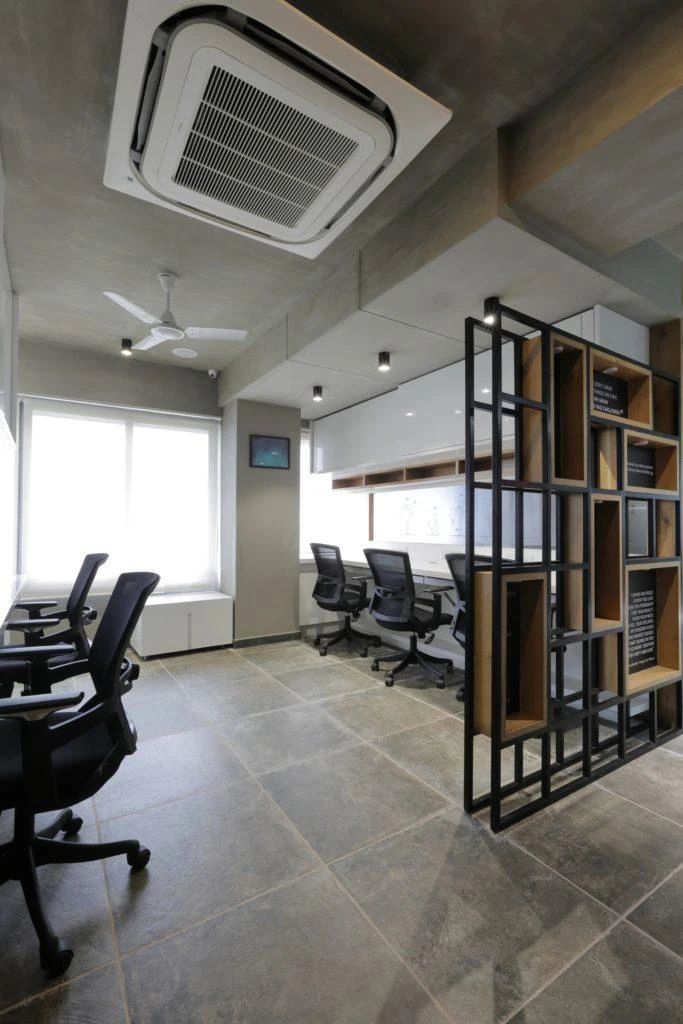
The way an office is designed can have a significant impact on the health and productivity of employees. A well-thought-out office layout encourages movement and collaboration while providing a calm, comfortable work environment. Consider incorporating ergonomic furniture, such as adjustable chairs and desks, to promote proper posture and reduce physical strain. Additionally, providing quiet spaces for focused work and collaborative areas for team discussions can create a balanced work environment. Flexible layouts that accommodate standing desks or walking meetings can also encourage healthier habits and reduce sedentary behavior.
6. Promote Active Design
Encouraging physical activity during the workday is another great way to foster a healthier office environment. Simple adjustments, such as providing standing desks, promoting stair use over elevators, and offering bike racks for cycling enthusiasts, can motivate employees to stay active throughout the day. Some companies are even introducing "walking desks" or organizing walking meetings, which not only promote physical health but also stimulate creativity and improve focus. Creating outdoor spaces or access to walking paths around the office can also encourage employees to get outside during breaks.
7. Improve Air Quality with Better Ventilation
Poor air quality can lead to fatigue, headaches, and decreased productivity. To improve air quality, ensure proper ventilation by keeping HVAC systems well-maintained and introducing air purifiers in areas with limited airflow. Open windows whenever possible to allow fresh air to circulate throughout the office. You could also consider upgrading to a high-efficiency particulate air (HEPA) filter to trap dust, allergens, and pollutants. Incorporating natural materials, like cork, wood, or bamboo, can also help regulate indoor air quality while reducing the use of synthetic materials.
8. Go Paperless
Going paperless not only reduces the consumption of paper but also minimizes the clutter that often accumulates in offices. Invest in digital tools for communication, project management, and document storage to streamline workflow and reduce reliance on paper. Cloud storage services like Google Drive or Dropbox allow teams to access files from anywhere, promoting collaboration and reducing the need for physical documents. When printing is necessary, make sure to use recycled paper and encourage double-sided printing to minimize paper usage.
9. Offer Healthy Food and Drink Options
Providing healthy snacks and beverages in the office can significantly contribute to employees' overall well-being. Replace sugary snacks and processed foods with fresh fruits, nuts, and other nutritious options. Having clean, filtered water stations or offering a variety of teas can encourage hydration, which is essential for maintaining energy levels and focus throughout the day. Additionally, promoting a culture of healthy eating by hosting wellness seminars or offering discounts for healthy food delivery services can further foster a healthy office environment.
10. Incorporate Green Building Materials
For companies that are looking to renovate or build new office spaces, selecting green building materials is a significant way to reduce environmental impact. Sustainable materials, such as reclaimed wood, low-VOC paints, and energy-efficient insulation, can be used to minimize energy consumption, reduce waste, and promote healthier indoor air quality. Additionally, energy-efficient appliances and sustainable building techniques, such as passive solar design, can help reduce the office's carbon footprint in the long run.
Conclusion
Making an office greener and healthier doesn’t require a complete overhaul. Simple changes, such as incorporating plants, reducing waste, promoting healthy habits, and choosing eco-friendly materials, can have a profound impact on both the environment and the well-being of employees. By embracing these sustainable practices, companies can create a more productive, eco-conscious, and wellness-focused office that supports both their employees and the planet. Whether you're a small startup or a large corporation, these ideas can help you build a workspace that prioritizes health, sustainability, and efficiency. If you're looking for the best architect for office design, consulting with an expert can ensure that your space is optimized for both environmental responsibility and employee well-being.



























Sign in to leave a comment.