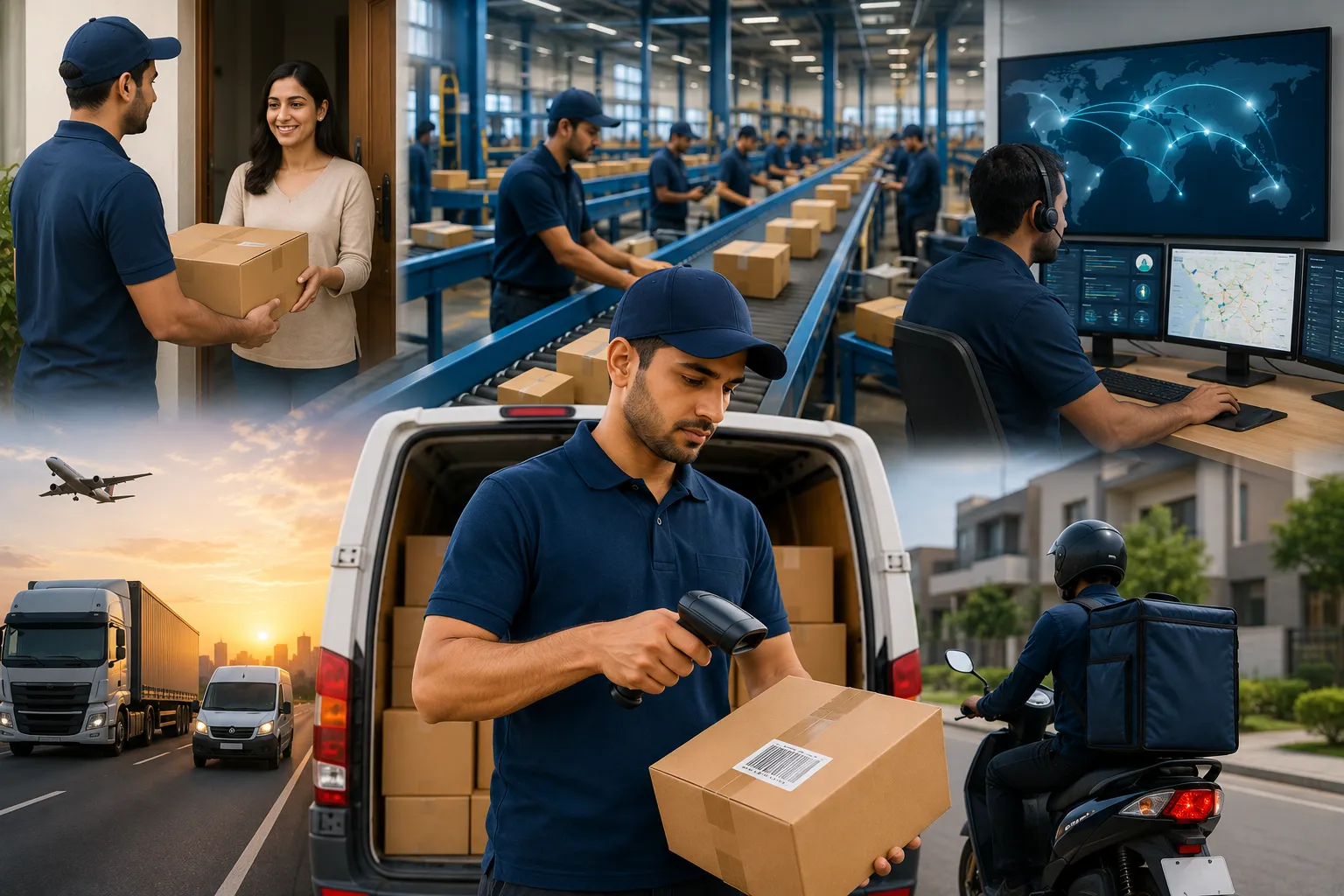

Most people only see the final step of delivery — a courier arriving with a package at their doorstep.
But behind every successful delivery is a complex system involving logistics planning, technology, sorting centers, tracking systems, delivery networks, and operational coordination.
Modern courier services are far more advanced than simply moving parcels from one place to another.
In this blog, we will explore how courier services work behind the scenes and what actually happens after a package is picked up.
Step 1: Order Booking and Pickup Request
The courier process starts when a customer books a shipment.
This can happen through:
- A website
- Mobile app
- Phone call
- eCommerce platform
- Corporate logistics system
The customer usually enters:
- Pickup address
- Delivery address
- Package details
- Weight and dimensions
- Delivery priority
After booking confirmation, the courier company schedules a pickup.
Many courier services now provide:
- Same-day pickup
- Scheduled pickup
- Doorstep collection
- Bulk pickup for businesses
Efficient pickup systems are essential for fast deliveries.
Step 2: Parcel Collection and Verification
Once the delivery agent picks up the package, the parcel goes through verification.
The courier company checks:
- Package size
- Weight
- Packaging quality
- Restricted items
- Shipping labels
At this stage, the shipment is assigned a unique tracking number.
This tracking ID allows customers and businesses to monitor the parcel throughout the delivery journey.
Modern courier companies use barcode systems or QR codes to automate tracking.
Step 3: Sorting Center Operations
After pickup, the package is sent to a local sorting center.
This is where logistics operations become more advanced.
Sorting centers handle thousands of parcels daily.
Packages are sorted based on:
- Delivery city
- Delivery zone
- Route optimization
- Shipment type
- Delivery speed priority
Large courier companies often use:
- Conveyor belt systems
- Barcode scanners
- Automated sorting machines
- AI-powered logistics software
This process reduces delivery delays and operational errors.
Step 4: Route Planning and Load Optimization
One of the most important behind-the-scenes processes is route planning.
Courier companies use logistics software to determine:
- Fastest delivery routes
- Fuel-efficient paths
- Traffic conditions
- Delivery clusters
- Driver schedules
Smart route optimization helps courier businesses:
- Reduce fuel costs
- Deliver faster
- Improve driver productivity
- Handle more deliveries daily
Without route planning systems, courier operations become inefficient and expensive.
Step 5: Transportation Between Hubs
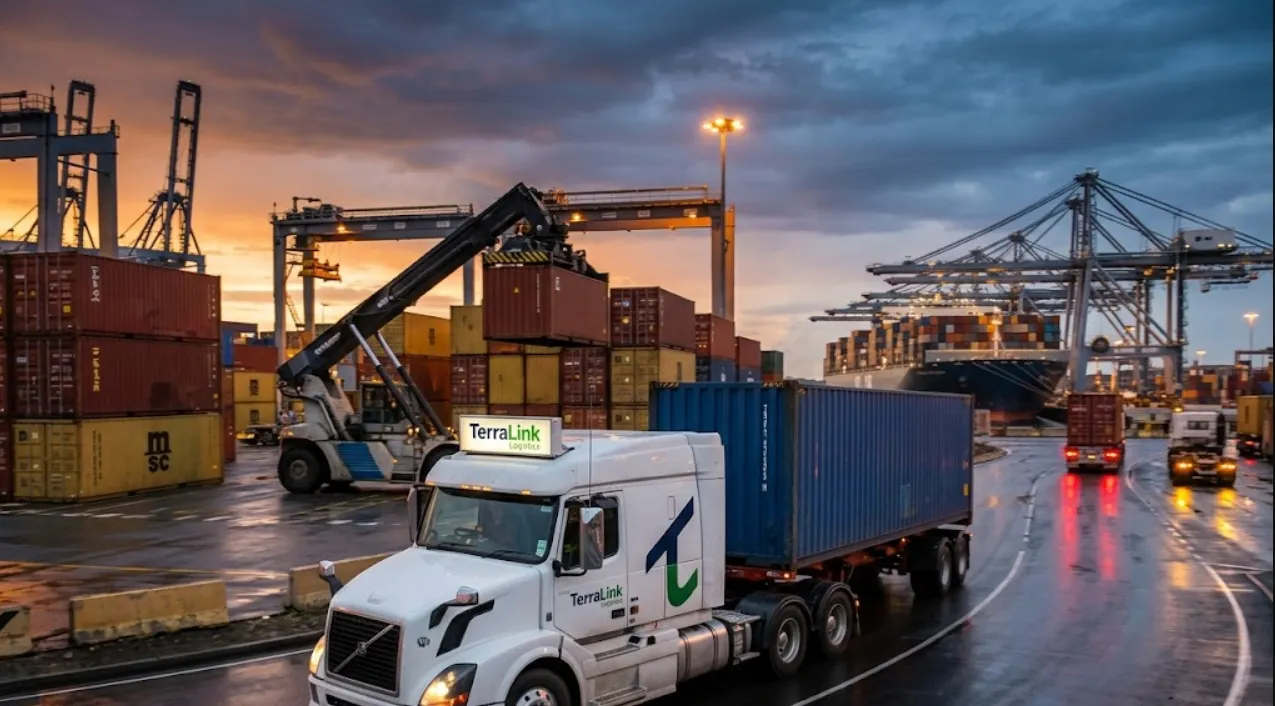
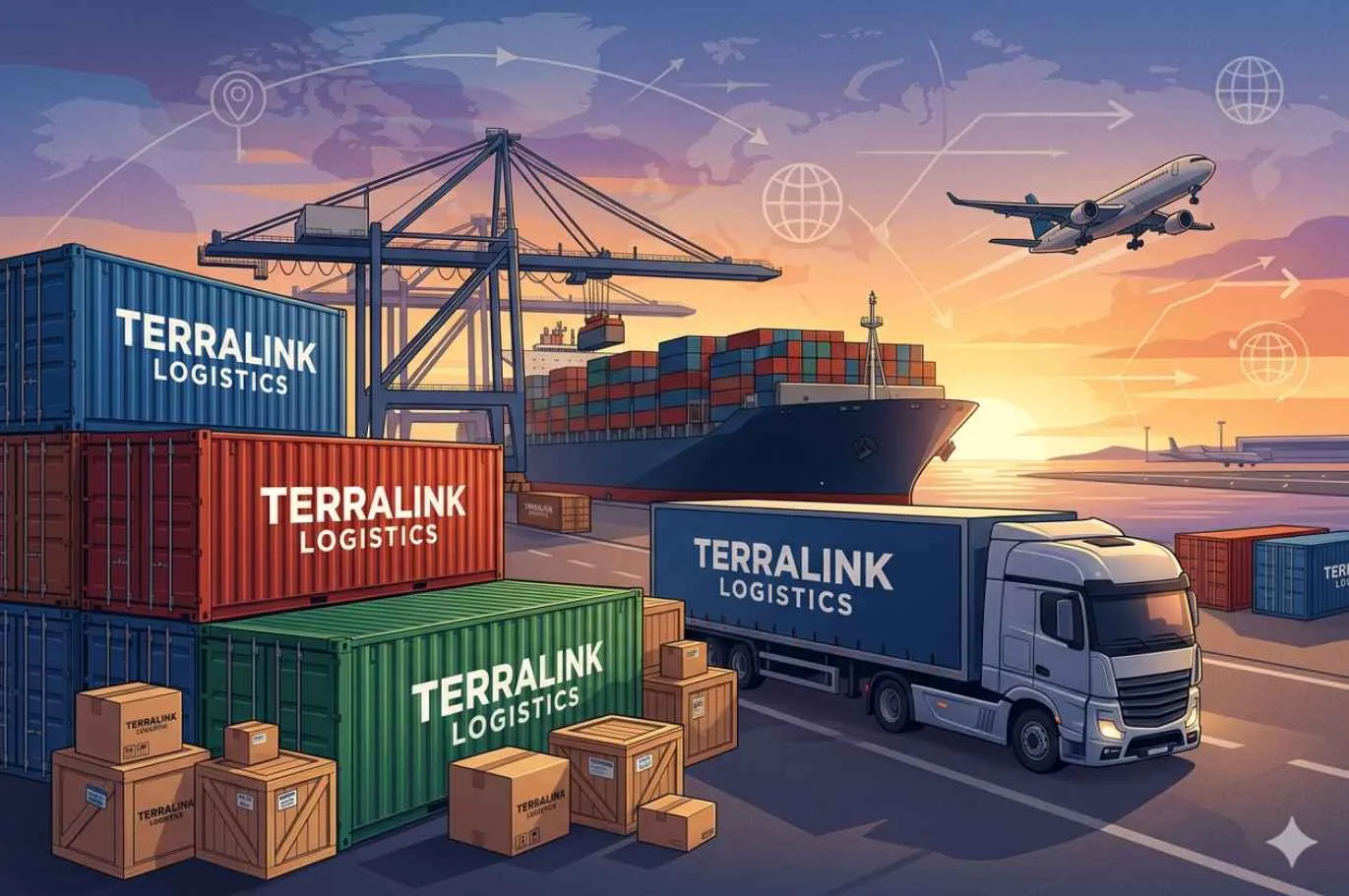
Once sorted, parcels are moved between courier hubs.
Depending on distance and urgency, courier companies may use:
- Bikes
- Vans
- Trucks
- Trains
- Cargo flights
For example:
- Local deliveries may use bikes or vans
- Interstate deliveries may use trucks
- Urgent international shipments often use air cargo
This transportation network is the backbone of courier logistics.
Step 6: Real-Time Tracking Systems
Modern courier services rely heavily on technology.
Customers now expect real-time tracking updates for every shipment.
Tracking systems work using:
- Barcode scans
- GPS systems
- Delivery app updates
- Hub scanning checkpoints
Every time a package reaches a new stage, the system updates the tracking information.
Common tracking statuses include:
- Pickup completed
- In transit
- Arrived at sorting center
- Out for delivery
- Delivered
Real-time tracking improves customer trust and reduces support inquiries.
Step 7: Last-Mile Delivery
Last-mile delivery is the final and most important stage.
This is when the courier agent delivers the parcel to the customer’s address.
Interestingly, last-mile delivery is often the most expensive and challenging part of the courier process.
Challenges include:
- Traffic congestion
- Incorrect addresses
- Customer unavailability
- Weather conditions
- Delivery delays
Courier companies continuously optimize last-mile logistics because it directly impacts customer satisfaction.
Step 8: Delivery Confirmation and Proof
Once the package is delivered, the courier system records confirmation.
This may include:
- OTP verification
- Digital signature
- Delivery photo
- Timestamp confirmation
Businesses use proof of delivery to:
- Prevent disputes
- Verify successful shipment
- Improve accountability
This step is especially important for high-value or sensitive deliveries.
How Technology Powers Modern Courier Services
Technology has completely transformed the courier industry.
Modern courier companies use:
- AI-based route optimization
- GPS tracking
- Automated dispatch systems
- Mobile delivery apps
- Digital inventory management
- eCommerce integrations
Some advanced logistics companies also use predictive analytics to estimate delivery times more accurately.
Technology improves:
- Speed
- Accuracy
- Scalability
- Customer experience
Courier companies without modern systems struggle to compete today.
Common Problems Courier Companies Handle Daily
Behind the scenes, courier businesses solve many operational challenges, including:
- Traffic delays
- Fuel cost management
- Lost parcels
- Incorrect addresses
- Failed delivery attempts
- Weather disruptions
- High delivery volumes during festivals
Managing logistics efficiently requires constant coordination and problem-solving.
Why Efficient Courier Operations Matter
A strong courier system benefits both businesses and customers.
Efficient courier operations help:
- Reduce delivery delays
- Improve customer satisfaction
- Increase repeat orders
- Lower operational costs
- Enhance business reputation
For eCommerce businesses especially, delivery experience can directly impact online reviews and brand loyalty.
The Future of Courier Services
The courier industry is evolving rapidly.
Future trends may include:
- AI-powered delivery systems
- Electric delivery vehicles
- Drone deliveries
- Smart lockers
- Automated warehouses
- Faster same-day delivery networks
Businesses that adapt to modern logistics technology will have a competitive advantage.
Final Thoughts
Courier services involve much more than simply transporting parcels.
Behind every successful delivery is a highly coordinated system involving:
- Pickup management
- Sorting centers
- Tracking technology
- Transportation networks
- Route optimization
- Last-mile logistics
Understanding how courier services work behind the scenes helps businesses appreciate the importance of choosing the right logistics partner.
A reliable courier system is no longer just a support function — it has become a core part of customer experience and business growth.
FAQs
How do courier companies track packages?
Courier companies use barcode systems, GPS tracking, and digital scanning technology to monitor shipments in real time.
What is a sorting center in courier logistics?
A sorting center is a facility where parcels are organized based on delivery routes, locations, and shipment priority.
Why is last-mile delivery important?
Last-mile delivery directly affects customer satisfaction because it is the final stage before the package reaches the customer.
How do courier companies optimize delivery routes?
They use route optimization software that considers traffic, distance, fuel efficiency, and delivery schedules.
What technologies are used in modern courier services?
Modern courier companies use GPS tracking, AI-based logistics systems, barcode scanners, mobile apps, and automated sorting technologies.


















Sign in to leave a comment.