

Decentralized Finance, widely known as DeFi, is no longer a speculative trend — it is becoming the technological backbone of modern digital finance. As businesses look for ways to automate financial workflows, eliminate intermediaries, and unlock transparency, DeFi development services are playing a crucial role in bridging innovation with real-world applications.
Today, developers and enterprises are moving toward decentralized models to build programmable financial products, create tokenized assets, and deploy trustless digital settlements. This shift is not about replacing traditional finance overnight but about enhancing financial processes with automation, transparency, and user-owned value systems.
Why DeFi Matters for Modern Enterprises
The traditional financial model relies heavily on centralized control and verification, which often leads to operational delays, bottlenecks, and high processing costs. DeFi offers an alternative approach by using smart contracts — self-executing code deployed on blockchain networks.
Here is what DeFi enables:
- Instant settlements without third parties
- Transparent rules visible to all participants
- Programmable financial logic that runs autonomously
- Cross-border access without infrastructure limitations
This democratization of finance creates new opportunities for fintech startups, banks, gaming platforms, enterprise loyalty systems, and digital asset ecosystems.
Core Components of DeFi Platforms
To build scalable and secure DeFi applications, development teams often integrate several structural layers:
- Smart Contracts — manage lending, borrowing, staking, and yield distribution
- Liquidity Pools — ensure accessible capital for trading and financial operations
- Governance Tokens — enable users to vote and shape platform evolution
- Oracles — bring real-world price feeds and data onto the blockchain
- Tokenomics Models — align incentives and ensure ecosystem stability
Professional DeFi development companies help businesses design these components in a modular and secure manner, ensuring the platform works consistently under real-world conditions.
Real-World Use Cases Powered by DeFi Development
DeFi is now applicable beyond cryptocurrency trading. The most impactful use cases include:
- Automated loan platforms with reduced credit barriers
- Decentralized exchanges (DEXs) for asset swaps
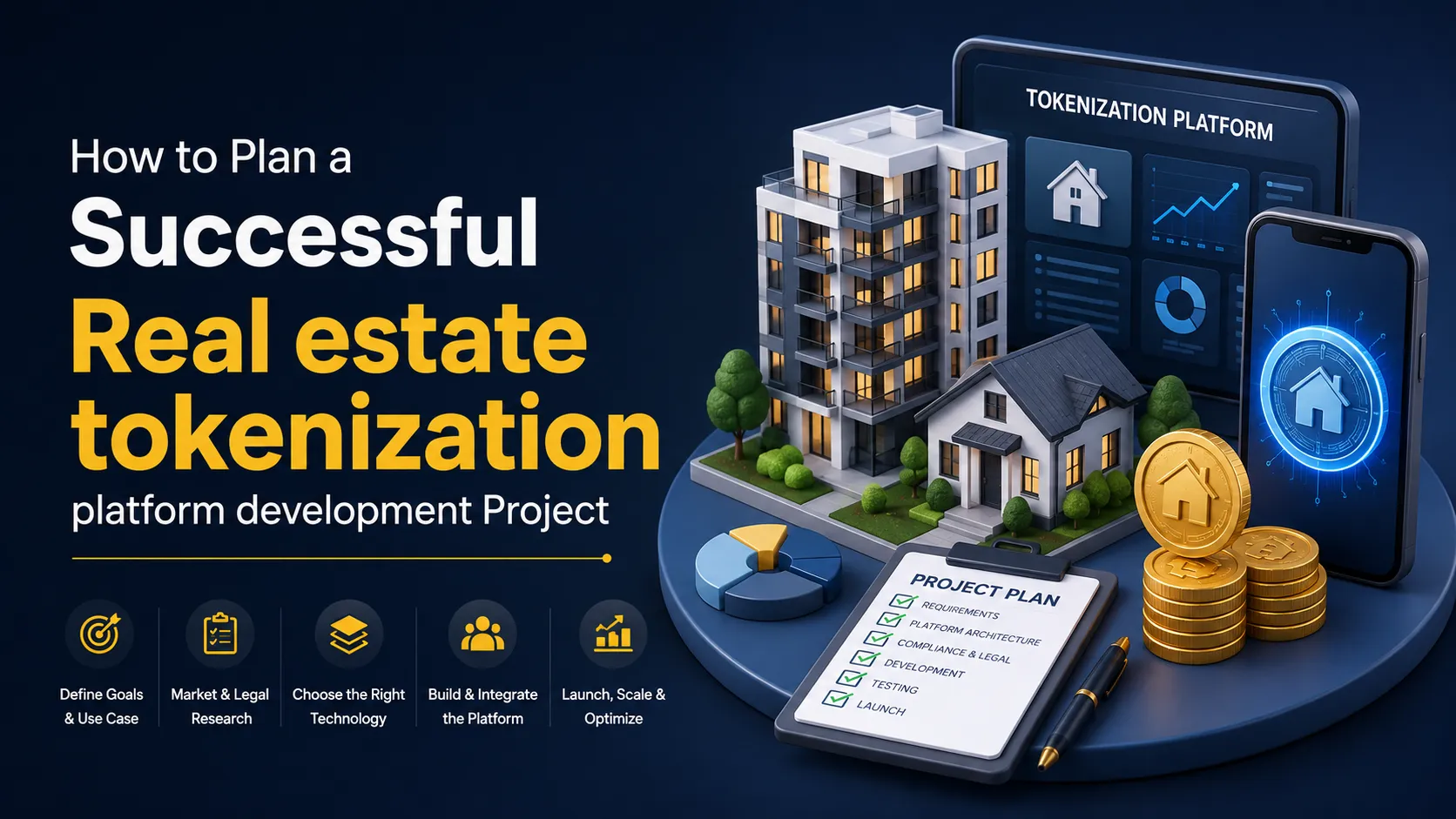
- Tokenized real estate and commodities
- Cross-border payment channels without banks
- DeFi-powered gaming & metaverse economies
As regulation matures and blockchain adoption accelerates, these applications are becoming central to the next phase of digital finance.
Why Businesses Rely on DeFi Development Services
Building a DeFi platform requires more than writing smart contracts. Teams must consider economic modeling, auditing, deployment security, compliance, blockchain scalability, and long-term governance.
A specialized DeFi development company brings:
- architecture planning and system design
- scalable protocol development
- comprehensive smart contract audits
- liquidity modeling and token engineering
- governance mechanism planning
These services help businesses convert financial ideas into functioning decentralized products — safely and efficiently.
Future of DeFi: What Comes Next
The next stage of DeFi will integrate real-world assets, regulatory frameworks, and interoperability across multiple chains.
We will see:
- institutional DeFi adoption
- bank-supported on-chain assets
- bridging between fiat and blockchain liquidity
- cross-chain movement of collateral
Financial systems will shift toward hybrid models where decentralized and centralized infrastructures coexist.
Learn More
For structured guidance on architecture, development workflows, and enterprise-grade implementation, visit:
https://blockchainappmaker.com/defi-development/




















Sign in to leave a comment.