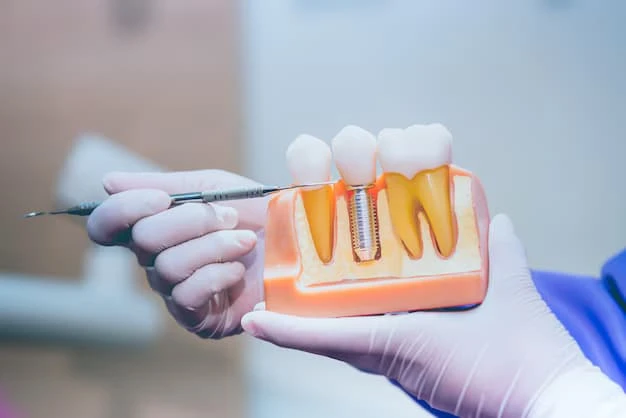

Dental health plays a pivotal role in overall well-being, and among the various dental procedures available, dental crowns stand out as a remarkable solution for restoring damaged teeth. These custom-made caps have the power not only to enhance the aesthetic appeal of a smile but also to provide significant functional benefits. Understanding the role of dental crowns, the process involved in their application, and the numerous advantages they offer can help individuals make informed decisions about their dental care.
Understanding Dental Crowns: A Comprehensive Overview
Dental crowns are prosthetic devices designed to cover and restore the shape, size, strength, and appearance of a tooth that has been severely damaged or decayed. Typically made from materials such as porcelain, metal, or a combination of both, crowns are crafted to fit snugly over the existing tooth structure, providing a reliable solution for various dental issues. They are particularly beneficial for teeth that have undergone root canal treatment, those that are cracked or fractured, or teeth that have large fillings that compromise their integrity.
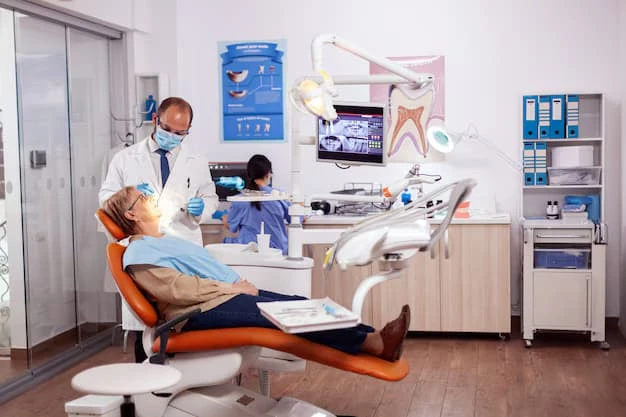
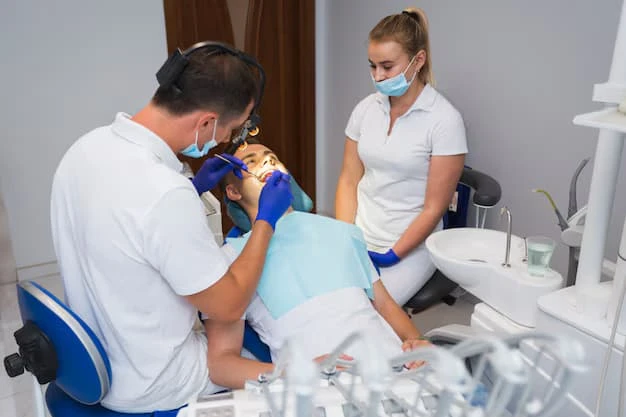
The process of obtaining a dental crown typically involves two visits to the dentist. During the first visit, the dentist will assess the condition of the tooth, take impressions, and prepare the tooth for the crown. This preparation may involve reshaping the tooth to ensure a proper fit for the crown. After the tooth is prepared, a temporary crown is placed to protect it until the permanent crown is ready. The second visit is dedicated to placing the permanent crown, which is carefully adjusted to ensure comfort and proper alignment. This meticulous process underscores the importance of having skilled professionals engaged in the creation and fitting of dental crowns.
The Benefits of Dental Crowns: More Than Just Aesthetic Appeal
One of the primary advantages of dental crowns is their ability to restore the function of damaged teeth. A damaged or weakened tooth can make it challenging to eat or speak effectively. By providing a solid and reliable surface, crowns allow individuals to regain full functionality, enabling them to enjoy a varied diet without discomfort or fear of further damage. Additionally, dental crowns can enhance the aesthetic quality of a smile, effectively masking discoloration or imperfections that may have resulted from damage or decay.
Moreover, dental crowns contribute to the preservation of the underlying tooth structure. When a tooth is severely damaged, there is often a risk of further deterioration, which can lead to more complex dental issues down the line. By placing a crown over the affected tooth, the risk of additional damage is significantly reduced. Crowns act as a protective barrier, shielding the tooth from the forces of chewing and preventing potential fractures or decay.
Another noteworthy benefit of dental crowns is their longevity. With proper care and maintenance, crowns can last many years, making them a cost-effective solution in the long run. Regular dental check-ups, good oral hygiene practices, and avoiding habits that can damage crowns, such as grinding teeth or chewing hard objects, can extend the lifespan of these restorations. This durability provides peace of mind to individuals concerned about the long-term health of their teeth.
The Types of Dental Crowns: Tailoring the Solution to Individual Needs
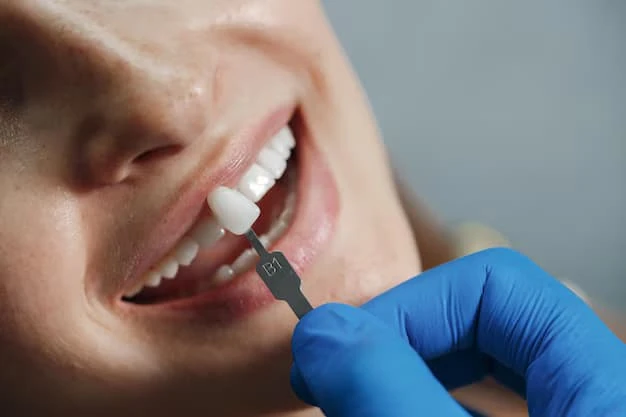
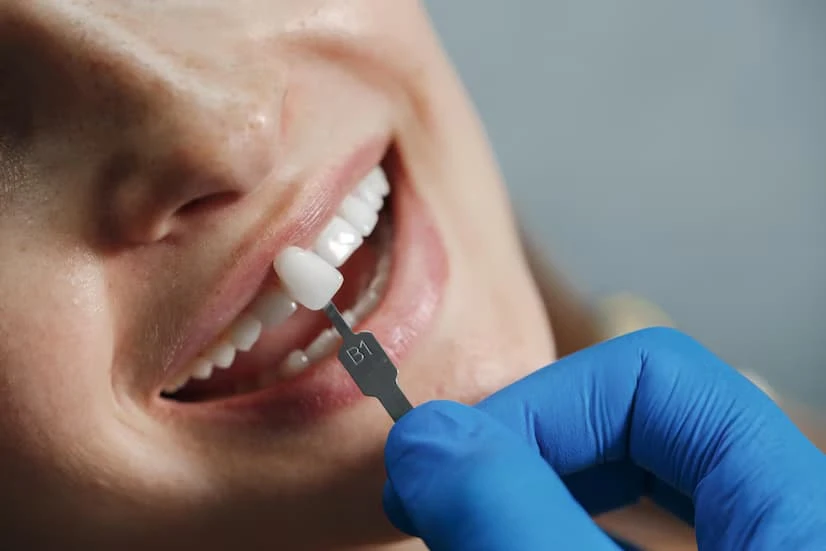
Dental crowns come in different materials, each with unique properties that cater to specific needs and preferences. Porcelain crowns are popular for their natural appearance, closely resembling the color and translucency of natural teeth. This makes them an excellent choice for front teeth, where aesthetics is paramount. On the other hand, metal crowns, often made from gold or other alloys, offer superior strength and durability, making them ideal for back teeth that endure significant chewing forces.
For individuals seeking a balance between aesthetics and strength, porcelain-fused-to-metal crowns present a viable option. These crowns combine the aesthetic appeal of porcelain with the robustness of metal, ensuring both function and beauty. Additionally, advancements in dental technology have led to the development of all-ceramic crowns, which provide a natural look and are suitable for patients with metal allergies.
When considering dental crowns, it is essential for individuals to consult with their dentist to determine the most appropriate material based on their specific dental needs, lifestyle, and aesthetic preferences. The dentist's expertise will guide patients in making an informed choice that aligns with their goals for dental restoration.
The Importance of Professional Guidance in Dental Crown Procedures
While dental crowns offer numerous benefits, their success largely depends on the expertise of the dental professional overseeing the procedure. A skilled dentist will not only ensure that the crown fits perfectly but also takes into account the overall health of the surrounding teeth and gums. This comprehensive approach is vital for achieving optimal results and minimizing the risk of complications.
Furthermore, the importance of regular follow-up visits cannot be overstated. After the placement of dental crowns, ongoing care is essential for monitoring the health of the crowned tooth and surrounding structure. Regular dental cleanings and examinations allow the dentist to assess the crown's condition and address any potential issues before they escalate.
In addition to professional care, patients must take an active role in their oral health. Adopting good oral hygiene practices, such as brushing twice a day, flossing daily, and using mouthwash, can significantly contribute to the longevity of dental crowns. Understanding the importance of maintaining an overall healthy lifestyle, including a balanced diet and avoiding harmful habits like smoking, can further enhance dental health and the effectiveness of restorations.
Conclusion: Embracing the Benefits of Dental Crowns at Quincy Dentists Family Dentistry
In summary, dental crowns serve as a powerful tool in restoring damaged teeth, providing a solution that enhances both function and aesthetics. With their ability to protect weakened teeth, preserve underlying structures, and offer a natural appearance, crowns are an invaluable option for individuals seeking to improve their dental health. The process of obtaining crowns, while straightforward, requires the expertise of a qualified dental professional who can tailor the solution to meet individual needs.
Patients can trust that with the right guidance and care, they can enjoy the long-lasting benefits of dental crowns. For those considering dental crown procedures, Quincy Dentists Family Dentistry stands ready to provide exceptional service and support, helping patients achieve the beautiful, functional smiles they deserve.



























Sign in to leave a comment.