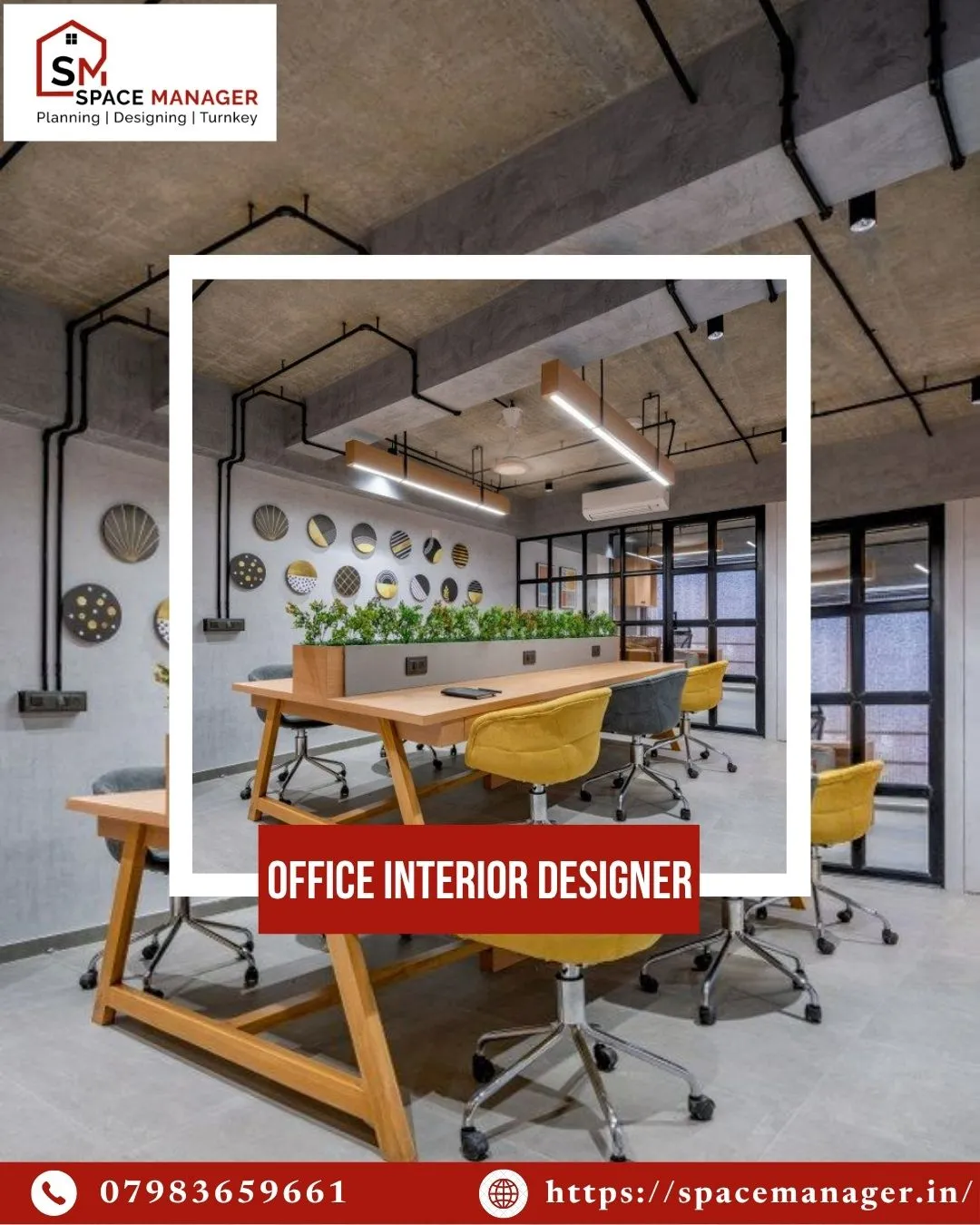

Cafe interior designers create attractive customer-focused spaces by combining functional layouts, appealing aesthetics, comfortable seating, strategic lighting, and brand-focused design elements. A well-designed cafe environment not only improves customer experience but also encourages longer visits, repeat customers, and stronger brand recognition.
In today’s competitive food and beverage industry, customers choose cafes based on more than just food and beverages. The atmosphere, design, comfort, and overall experience play a major role in influencing customer decisions. This is why professional cafe interior design has become an important investment for cafe owners who want to create memorable spaces.
Why Cafe Interior Design Matters for Business Success
A cafe’s interior creates the first impression for customers. Before tasting the menu, visitors experience the environment, layout, and visual appeal of the space.
Professional design helps cafes:
- Create a strong brand identity
- Improve customer comfort
- Increase customer engagement
- Encourage repeat visits
- Maximize available space
- Create social media-friendly environments
A thoughtfully designed cafe can become an experience that customers remember and share.
How Do Cafe Interior Designers Create Attractive Spaces?
1. Understanding Brand Identity
Every successful cafe has a unique personality.
Cafe interior designers begin by understanding:
- Target customers
- Brand theme
- Menu concept
- Customer expectations
- Overall business goals
For example, a luxury cafe may require elegant finishes and premium materials, while a casual coffee shop may focus on comfort and a relaxed atmosphere.
The design should communicate the cafe’s identity without needing words.
2. Creating Functional Space Planning
A beautiful cafe must also be practical.
Professional designers plan:
- Seating arrangements
- Customer movement
- Service areas
- Counter placement
- Kitchen workflow
Efficient space planning ensures customers feel comfortable while allowing staff to operate smoothly.
A well-planned layout helps avoid overcrowding and improves the overall dining experience.
3. Designing Comfortable Seating Areas
Customer comfort directly impacts how long visitors stay in a cafe.
Cafe designers focus on:
- Seating styles
- Table arrangements
- Privacy options
- Ergonomic furniture
- Relaxing layouts
Different seating zones can serve different customer needs, such as:
- Individual workspaces
- Group seating
- Casual coffee areas
- Premium corners
4. Using Lighting to Create the Right Mood
Lighting is one of the most powerful elements in cafe design.
Designers use lighting to influence:
- Atmosphere
- Customer mood
- Visual appeal
- Food presentation
Popular lighting solutions include:
- Pendant lights
- Warm ambient lighting
- Decorative fixtures
- Natural light integration
The right lighting makes the cafe feel welcoming and visually attractive.
5. Selecting the Right Colors and Materials
Colors influence emotions and customer perception.
Cafe interior designers carefully choose:
- Wall colors
- Furniture finishes
- Flooring materials
- Decorative elements
Modern cafes often use:
- Natural textures
- Wooden finishes
- Minimalist designs
- Sustainable materials
The goal is to create a balanced environment that feels comfortable and unique.
Key Features of Successful Cafe Interior Design
Instagram-Worthy Design Elements
Social media has changed how customers experience cafes.
Many cafes include:
- Unique wall designs
- Artistic corners
- Creative furniture
- Statement décor
These elements encourage customers to take photos and share their experiences online.
Functional Kitchen and Service Planning
A cafe design should support smooth operations.
Professional designers consider:
- Staff movement
- Storage requirements
- Equipment placement
- Customer-service flow
Good planning improves efficiency behind the scenes.
Personalized Design Concepts
Modern cafes prefer customized interiors instead of generic designs.
Custom solutions may include:
- Unique furniture
- Customized lighting
- Brand-specific themes
- Local design influences
Benefits of Hiring Professional Cafe Interior Designers
Better Customer Experience
A well-designed environment makes customers feel comfortable and valued.
Stronger Brand Recognition
Unique interiors help cafes create a memorable identity.
Improved Space Utilization
Design experts maximize available space without compromising comfort.
Higher Customer Engagement
Attractive spaces encourage customers to spend more time and interact with the environment.
Long-Term Business Value
A professionally designed cafe can support better customer retention and business growth.
Role of Architects in Cafe Design
While interior designers focus on the look and experience of a space, architects help create the overall structure and planning.
Many cafe owners work with experienced professionals, including the best architects in Dehradun, to ensure:
- Proper structural planning
- Efficient layouts
- Better construction quality
- Seamless integration between architecture and interiors
Collaboration between architects and interior designers creates cafes that are both visually impressive and functionally efficient.
Latest Cafe Interior Design Trends
Nature-Inspired Interiors
Many cafes are incorporating:
- Indoor plants
- Natural materials
- Organic textures
- Green spaces
These elements create a relaxing environment.
Minimalist Cafe Designs
Simple layouts, clean lines, and clutter-free spaces are becoming increasingly popular.
Multi-Purpose Cafe Spaces
Modern cafes are designed to support:
- Work meetings
- Social gatherings
- Casual dining
- Events
Smart Technology Integration
Technology features such as digital menus and smart lighting are becoming common in modern cafes.
Common Mistakes to Avoid in Cafe Interior Design
Poor planning can affect both customer experience and business operations.
Avoid:
- Overcrowded seating
- Poor lighting choices
- Ignoring customer flow
- Choosing style over functionality
- Lack of brand consistency
A successful cafe design requires a balance between creativity and practicality.
Expert Tips for Creating a Customer-Friendly Cafe Space
Understand Your Audience
Design should match customer preferences and expectations.
Prioritize Comfort
Comfortable seating and a welcoming atmosphere encourage longer visits.
Focus on Brand Experience
Every design element should support the cafe’s identity.
Plan for Future Growth
Flexible layouts allow cafes to adapt to changing customer needs.
Conclusion
Cafe interior designers play a crucial role in creating spaces that attract customers by combining creativity, functionality, comfort, and brand identity. A well-designed cafe does not just look beautiful—it creates an experience that encourages customers to return.
By focusing on smart layouts, attractive interiors, and customer-focused designs, cafe owners can build spaces that stand out in a competitive market. Working with experienced professionals, including skilled designers and the best architects in Dehradun, helps create cafes that are visually appealing, efficient, and built for long-term success.
FAQs
1. What do cafe interior designers do?
Cafe interior designers plan layouts, select materials, design seating arrangements, create themes, and develop interiors that improve customer experience.
2. Why is cafe interior design important?
A well-designed cafe improves customer comfort, strengthens branding, and creates a memorable experience.
3. How does cafe design attract more customers?
Comfortable layouts, attractive visuals, and unique design elements encourage customers to visit, stay longer, and recommend the cafe.
4. Should cafe owners hire architects and interior designers together?
Yes, collaboration helps create a space that is both structurally efficient and visually appealing.
5. What are the latest cafe interior design trends?
Popular trends include minimalist designs, natural elements, flexible spaces, smart technology, and social media-friendly interiors.






















Sign in to leave a comment.