
Iron is a crucial mineral for the body, playing a vital role in oxygen transport, energy production, and immune function. Because of its importance, doctors often recommend testing iron levels in the blood to evaluate conditions such as anemia, iron overload, or other metabolic disorders. One of the key assessments used is the Iron Binding Capacity Test, which provides insights into how well your blood can transport and utilize iron.
Understanding Iron Binding Capacity
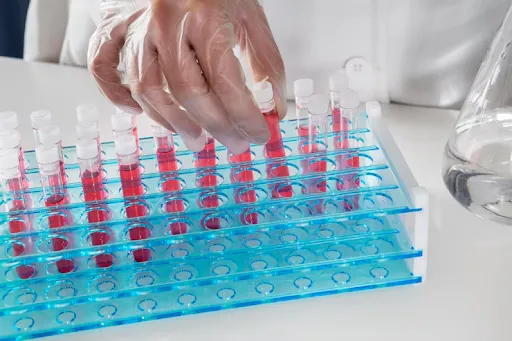
Before diving into the impact of diet and medications, it’s essential to understand what the Iron Binding Capacity Test in Udaipur measures. This test primarily evaluates the total iron-binding capacity (TIBC) of the blood, which reflects the ability of transferrin — a protein that binds and transports iron — to carry iron throughout the body. A variation of this test, known as the TIBC Test in Udaipur, is often performed alongside serum iron tests to offer a comprehensive view of a patient’s iron status.
Interpreting the results correctly requires considering several factors, including age, gender, health conditions, diet, and medications. Among these, diet and medications are modifiable factors that can significantly influence test outcomes, often leading to false interpretations if not taken into account.
How Diet Affects Iron Binding Capacity
Dietary intake is one of the most influential factors affecting iron levels and TIBC. Iron in the diet comes in two main forms: heme and non-heme iron. Heme iron, found in animal products like red meat, poultry, and fish, is absorbed more efficiently by the body. Non-heme iron, present in plant-based foods like spinach, legumes, and fortified cereals, has lower absorption rates and is more affected by other dietary components.
1. Iron-Rich Foods
Consuming foods high in iron can raise serum iron levels, which may temporarily reduce the TIBC. For example, a person who consumes large amounts of red meat or iron-fortified cereals before testing may show higher serum iron, potentially resulting in a lower iron-binding capacity reading.
2. Vitamin C Intake
Vitamin C significantly enhances the absorption of non-heme iron. Including fruits like oranges, strawberries, or bell peppers in your meals can increase iron absorption, potentially influencing TIBC results by increasing serum iron levels.
3. Foods That Inhibit Iron Absorption
Certain dietary components can reduce iron absorption and affect TIBC. Phytates found in whole grains and legumes, polyphenols in tea and coffee, and calcium from dairy products can all bind to iron and decrease its bioavailability. This could lead to higher TIBC readings because the body responds to low serum iron by increasing transferrin production to maximize iron transport.
4. Fasting and Meal Timing
Timing of meals relative to the test can also affect results. Fasting before the test may provide more standardized readings, as recent food intake can temporarily alter serum iron levels. Healthcare providers may advise fasting for several hours before undergoing an iron binding capacity test to ensure accuracy.
How Medications Affect Iron Binding Capacity
In addition to diet, medications can have a significant impact on TIBC results. Some drugs alter iron metabolism, absorption, or protein production in ways that can skew test outcomes.
1. Iron Supplements
Iron supplements are commonly prescribed for iron deficiency anemia. Taking iron supplements before testing can temporarily increase serum iron levels, potentially lowering TIBC and giving a misleading impression of iron status. Patients are usually advised to avoid iron supplementation for a specific period before testing unless directed otherwise by their healthcare provider.
2. Medications Affecting Absorption
Certain medications, such as proton pump inhibitors (PPIs) used for acid reflux, can reduce stomach acidity, impairing iron absorption. This may result in lower serum iron levels and higher TIBC readings as the body increases transferrin production to compensate for the perceived deficiency.
3. Hormonal Medications
Oral contraceptives and hormone replacement therapy can influence iron metabolism indirectly by altering menstrual blood loss or affecting liver protein synthesis, including transferrin. These changes can subtly affect TIBC results, necessitating careful interpretation.
4. Chronic Medications and Chronic Illnesses
Long-term use of medications for chronic conditions, such as anti-inflammatory drugs, antibiotics, or chemotherapy agents, may also affect iron metabolism and binding capacity. Some drugs increase iron loss, while others may reduce transferrin production or alter liver function, impacting test outcomes.
The Importance of Context in Test Interpretation
Because both diet and medications can influence iron binding capacity, it’s crucial that healthcare providers interpret TIBC results in context. A single reading without consideration of these factors may lead to misdiagnosis or unnecessary interventions. Patients undergoing an iron binding capacity test should inform their healthcare providers about their diet, supplements, and medications to ensure accurate interpretation.
For individuals looking to have their iron levels tested, choosing the Best Diagnostic Centre in Udaipur can make a significant difference. Reliable diagnostic centers use standardized testing protocols, provide clear pre-test instructions regarding diet and medications, and offer expert consultation to ensure accurate results.
Recommendations for Accurate Results
To ensure your iron binding capacity test reflects your true iron status, consider the following guidelines:
- Inform Your Doctor About Medications and Supplements: Always provide a complete list of prescription drugs, over-the-counter medications, and supplements you are taking.
- Follow Fasting Instructions: If recommended, fast for the specified period to avoid temporary fluctuations in serum iron caused by recent meals.
- Maintain a Consistent Diet Before Testing: Avoid making sudden changes to your diet in the days leading up to the test to prevent abnormal variations in iron absorption.
- Avoid Iron-Rich Supplements Before the Test: Unless prescribed for treatment, temporarily pausing iron supplements can help achieve more accurate results.
- Schedule Regular Check-Ups: If you are monitoring iron-related conditions, regular testing at a reliable diagnostic center can help track trends over time.
Conclusion
Iron binding capacity is a critical diagnostic tool for understanding your body’s iron metabolism. However, both diet and medications can significantly influence TIBC results, potentially leading to misinterpretation if not carefully considered. By understanding how foods, supplements, and medications affect iron levels, you can prepare properly for testing and ensure your healthcare provider has all the necessary information for accurate analysis.

























Sign in to leave a comment.