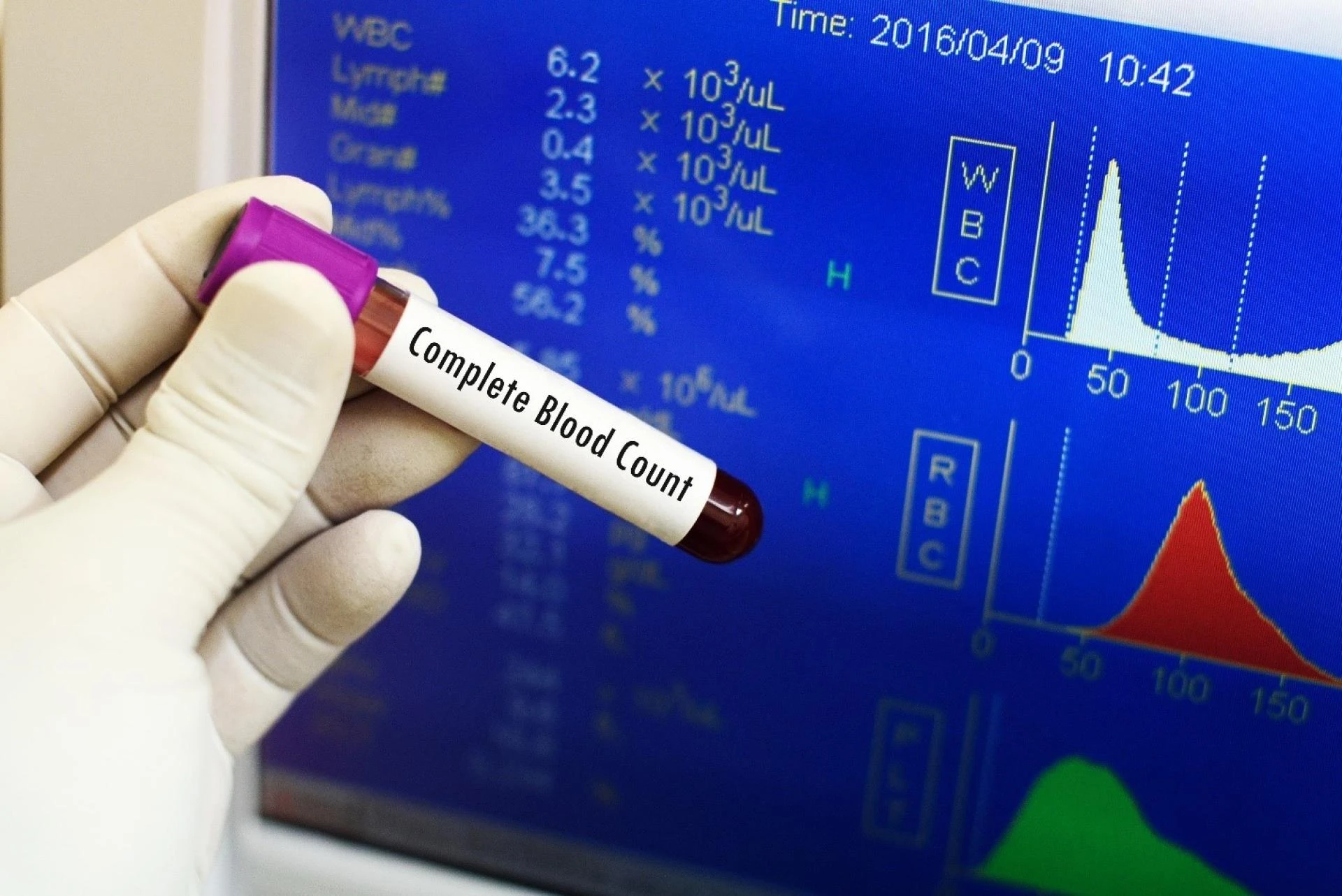

When your doctor recommends a blood test to assess your overall health, one of the most common and informative tests is a Complete Blood Count (CBC). This routine test evaluates the various components of your blood, including red blood cells, platelets, and white blood cells (WBCs). Among these, the WBC count is particularly significant, as it helps identify infections, immune system disorders, and certain blood-related diseases.
Understanding White Blood Cells (WBCs)
White blood cells are the body’s frontline defenders against infections, diseases, and harmful invaders. They are produced in the bone marrow and circulate through the bloodstream and lymphatic system. There are five main types of WBCs—neutrophils, lymphocytes, monocytes, eosinophils, and basophils—each playing a crucial role in immune defense.
Your body naturally adjusts its WBC count depending on its needs. When an infection, inflammation, or injury occurs, the bone marrow produces more white blood cells to fight the threat. However, abnormal WBC counts—whether high or low—can signal underlying health issues that require further medical evaluation.
What Does a CBC Measure?
A Complete Blood Count offers a detailed look at your body’s internal balance by measuring:
- White Blood Cell (WBC) Count: Total number of WBCs in your blood.
- Red Blood Cell (RBC) Count: Indicates how well oxygen is being carried.
- Hemoglobin and Hematocrit: Reflect red blood cell health.
- Platelet Count: Shows how well your blood can clot.
- Differential Count: Breaks down the percentage of each type of WBC.
Because the CBC covers so many parameters, it’s one of the most reliable ways for doctors to detect infections, inflammatory diseases, immune system issues, and even early signs of blood cancers.
High White Blood Cell Count (Leukocytosis)
A high WBC count, known as leukocytosis, usually means your body is fighting something. Here are some possible causes:
- Infections: Bacterial, viral, or fungal infections trigger an immune response, raising WBC levels.
- Inflammation: Chronic diseases like rheumatoid arthritis or inflammatory bowel disease increase WBC production.
- Allergies or Asthma: Can elevate eosinophil counts.
- Physical or Emotional Stress: Temporary spikes are common under stress or after intense exercise.
- Blood Disorders or Leukemia: Certain cancers cause uncontrolled WBC production.
- Medications: Some drugs, like corticosteroids, can raise WBC levels.
While a high count isn’t always dangerous, it’s important to understand why it’s happening. Your doctor may recommend additional tests or a differential count to pinpoint the cause.
Low White Blood Cell Count (Leukopenia)
A low WBC count, or leukopenia, can make your body more susceptible to infections. Common causes include:
- Bone Marrow Disorders: Diseases like aplastic anemia reduce WBC production.
- Autoimmune Diseases: Conditions like lupus or rheumatoid arthritis can destroy white blood cells.
- Viral Infections: Some viruses suppress bone marrow activity.
- Nutritional Deficiencies: A lack of vitamin B12, folate, or copper can cause low WBC levels.
- Cancer Treatments: Chemotherapy or radiation therapy often lower WBC counts.
- Certain Medications: Some antibiotics or antipsychotics can cause leukopenia as a side effect.
In such cases, your doctor might suggest additional tests or changes to your treatment plan to restore healthy immune function.
Recognizing Symptoms of Abnormal WBC Levels
Abnormal white blood cell counts may not always cause symptoms at first. However, signs can include:
- Persistent fatigue or weakness
- Frequent or severe infections
- Fever or chills
- Mouth ulcers
- Swollen lymph nodes
- Unexplained weight loss
If you notice these symptoms, your doctor may recommend further testing to determine whether your WBC count is too high or too low.
How a CBC Test Helps Detect the Cause
A CBC test is simple, fast, and painless. It involves drawing a small sample of blood, usually from a vein in your arm. The results help doctors understand whether your body is fighting an infection, dealing with inflammation, or experiencing bone marrow or immune system problems.
If you’re located in Rajasthan, you can book a reliable CBC Test in Udaipur to monitor your health regularly and detect abnormalities early.
Interpreting CBC Results
The normal range for white blood cells in adults is typically between 4,000 and 10,000 cells per microliter of blood. Slight variations can occur due to temporary conditions like stress, mild infections, or even physical exertion. However, persistently high or low results usually indicate something more serious.
Doctors analyze both the total WBC count and the ratio of different white blood cells (the “differential”) to determine the underlying cause. Follow-up tests such as bone marrow studies, imaging, or specific infection markers may also be recommended.
Treatment and Management
The treatment for abnormal WBC counts depends entirely on what’s causing the imbalance:
- Infections: Treated with antibiotics, antivirals, or antifungal medications.
- Autoimmune Disorders: Managed with immunosuppressants or corticosteroids.
- Nutritional Deficiencies: Corrected with dietary changes or supplements.
- Bone Marrow Problems: May require specialized therapies or transplants.
- Medication Side Effects: Adjusting or discontinuing the drug under medical supervision often resolves the issue.
In addition to medical care, lifestyle factors like a balanced diet, regular exercise, adequate sleep, and stress management play a major role in maintaining healthy blood counts.
Why Regular CBC Testing Is Important
Even if you feel fine, a routine CBC test can help detect silent or early-stage conditions before symptoms appear. For individuals with chronic illnesses, those on long-term medication, or people exposed to infections frequently, regular monitoring becomes especially important.
Periodic testing not only helps track treatment progress but also allows early intervention—improving long-term health outcomes.
Choosing the Right Diagnostic Centre
Accurate results depend on the quality of your testing facility. That’s why it’s essential to choose the Best Diagnostic Centre in Udaipur, where you can count on expert technicians, advanced laboratory equipment, and timely, reliable reports. A trusted diagnostic centre ensures every parameter of your blood test is analyzed precisely for accurate diagnosis and treatment planning.
Final Thoughts
Your white blood cell count is a window into your body’s immune health. Abnormal WBC levels in a CBC can signal infections, inflammation, or more serious conditions like autoimmune diseases or blood disorders. Whether your count is high or low, don’t panic—what matters most is understanding the underlying cause and following your doctor’s recommendations.
Regular monitoring through a Complete Blood Count (CBC) helps detect problems early and ensures that your immune system remains strong. By choosing a trusted diagnostic service and staying proactive about your health, you’re taking an essential step toward long-term wellness.






























Sign in to leave a comment.