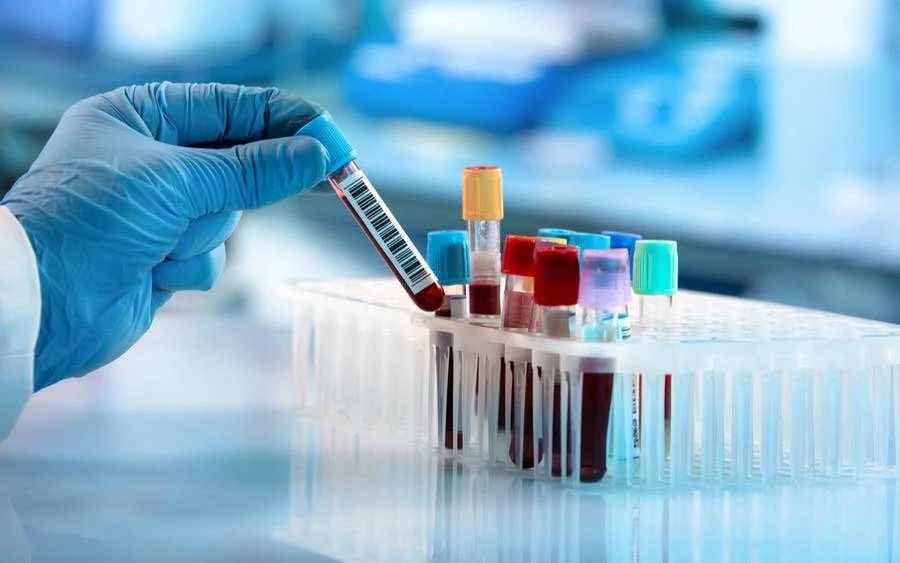

Cancer management has entered a new era of precision medicine—where treatment strategies are no longer one-size-fits-all but are personalized to each patient’s unique genetic makeup. One of the most remarkable advancements driving this transformation is the liquid profile panel test, a revolutionary diagnostic method that analyzes circulating tumor DNA (ctDNA) in the bloodstream.
This non-invasive test does not just help in detecting and diagnosing cancer—it plays an equally powerful role in monitoring treatment response. In this article, we’ll explore how the liquid profile panel test is used to evaluate therapy effectiveness, detect resistance, and guide ongoing cancer management.
Understanding the Liquid Profile Panel Test
A liquid profile panel test, also known as a liquid biopsy, is a blood-based diagnostic procedure that examines tiny fragments of genetic material shed by cancer cells into the bloodstream. These fragments, called circulating tumor DNA (ctDNA), contain the same mutations and alterations found in the original tumor.
By studying ctDNA through advanced sequencing technologies like Next-Generation Sequencing (NGS) and digital PCR, doctors can monitor how the cancer’s genetic landscape changes over time. This capability allows real-time tracking of a patient’s response to therapy, disease progression, and potential relapse.
Advanced diagnostic facilities such as the Best Diagnostic Centre Udaipur utilize such cutting-edge molecular testing to help patients and clinicians make informed, timely decisions during cancer treatment.
Why Monitoring Treatment Response Is Important
Monitoring how a patient responds to treatment is a critical component of effective cancer management. Traditional imaging methods, such as CT or MRI scans, show physical changes in tumor size—but these changes often occur after the cancer has already adapted genetically.
The liquid profile panel, however, can detect molecular changes much earlier, providing insight into:
- Whether a treatment is working.
- When cancer cells begin developing resistance.
- How aggressive the disease remains during therapy.
This early feedback enables oncologists to modify treatment plans proactively rather than waiting for visible progression.
How the Liquid Profile Panel Monitors Treatment Response
The liquid profile panel test offers several unique capabilities that make it ideal for real-time monitoring throughout the cancer treatment process.
1. Evaluating Early Response to Therapy
After initiating a treatment—such as chemotherapy, immunotherapy, or targeted drugs—ctDNA levels in the blood can indicate how well the cancer is responding. A decrease in ctDNA suggests that tumor cells are dying, while a persistent or increasing level may signal resistance or disease progression.
2. Detecting Minimal Residual Disease (MRD)
Even after successful treatment, tiny traces of cancer cells can remain undetected by imaging scans. The liquid profile panel can identify these minimal residual cells by detecting ultra-low levels of ctDNA, allowing doctors to intervene before the disease recurs.
3. Identifying Drug Resistance Mutations
Over time, tumors can evolve and develop new mutations that make them resistant to certain therapies. The test helps detect these new mutations—such as those in EGFR, KRAS, or PIK3CA—so treatment can be adjusted immediately to more effective alternatives.
4. Monitoring Immunotherapy Response
In patients receiving immunotherapy, ctDNA trends help determine whether the immune system is effectively targeting tumor cells. Declining ctDNA levels often correlate with successful immune activation.
5. Assessing Relapse or Recurrence
For patients in remission, regular liquid profile testing can detect recurrence months before imaging scans reveal any physical signs of cancer. This early detection can make a significant difference in treatment success and survival rates.
Comparing Liquid Profile Panels With Traditional Monitoring Methods
Feature Liquid Profile Panel Traditional Methods (Imaging/Biopsy)Invasiveness Non-invasive (blood test)Invasive (tissue biopsy)Frequency Can be repeated often Limited by patient tolerance Detection Sensitivity Detects molecular changes early Detects physical tumor changes Speed Fast turnaround (few days)Slower (weeks)Precision Genetic-level insight Structural or morphological data
This comparison highlights why many oncologists now complement imaging studies with liquid biopsy tests for more accurate and timely treatment assessments.
Real-World Applications in Oncology
The use of liquid profile panel testing for treatment monitoring has expanded across multiple cancer types:
- Lung Cancer: Tracking EGFR mutations helps determine whether targeted drugs like osimertinib remain effective.
- Breast Cancer: Monitoring PIK3CA or ESR1 mutations reveals resistance patterns during hormonal therapy.
- Colorectal Cancer: Detecting KRAS or NRAS mutations helps evaluate treatment response and potential relapse.
- Prostate Cancer: ctDNA testing tracks AR gene mutations to monitor therapy resistance.
- Ovarian Cancer: Assessing BRCA mutations helps evaluate chemotherapy response and recurrence risks.
Through consistent monitoring, oncologists can modify treatment regimens quickly and with precision, improving long-term outcomes.
The Role of Advanced Diagnostic Centres
High-quality facilities like the LPP Test Udaipur specialize in advanced diagnostic techniques, ensuring accurate and timely detection of ctDNA levels. By integrating molecular data from liquid biopsies with clinical findings, these centers help clinicians make evidence-based decisions that optimize treatment success.
In addition to cancer monitoring, other laboratory assessments—such as the Lipid Profile Panel Test Udaipur—help evaluate a patient’s overall metabolic status, which is essential during cancer therapy. Combining molecular and biochemical data gives doctors a clearer understanding of both disease progression and treatment tolerance.
Advantages of Using Liquid Profile Panels for Monitoring
- Early Detection of Resistance: Identifies genetic changes before they become clinically visible.
- Non-Invasive and Repeatable: Ideal for long-term monitoring without patient discomfort.
- Personalized Therapy Adjustments: Enables data-driven decisions tailored to each patient’s genetic profile.
- Improved Prognosis: Early intervention leads to better treatment outcomes.
- Cost-Effective in the Long Term: Reduces the need for repeated invasive procedures and expensive imaging scans.
Limitations and Challenges
While the liquid profile panel test offers immense benefits, certain limitations exist:
- Low ctDNA Levels: Early-stage cancers may not release enough ctDNA for detection.
- Tumor Heterogeneity: Not all tumor regions may shed DNA equally into the bloodstream.
- Standardization Issues: Variations in testing protocols across labs can affect result consistency.
However, technological advancements—such as ultra-deep sequencing and AI-based data interpretation—are steadily improving accuracy and sensitivity, making these tests more reliable each year.
The Future of Treatment Monitoring
The future of cancer treatment monitoring lies in integrating molecular diagnostics with real-time analytics. Emerging technologies will soon allow oncologists to predict treatment outcomes before therapy even begins. Combined with artificial intelligence and predictive modeling, liquid profile panels will provide continuous insights, ensuring that every patient receives the most effective and least toxic treatment possible.
Conclusion
The liquid profile panel test has transformed cancer care by making it possible to monitor treatment response non-invasively and in real time. By analyzing ctDNA, it helps doctors track therapy effectiveness, detect resistance, and identify minimal residual disease long before symptoms or imaging results appear.




























Sign in to leave a comment.