When it comes to maintaining good health, one of the most important — yet often overlooked — organs in the body is the kidney. Our kidneys play a vital role in filtering waste, balancing fluids, and regulating blood pressure. However, kidney disease can progress silently, often showing symptoms only when it’s already advanced. This is why early detection through diagnostic tests is crucial. One of the most significant indicators of kidney health is the estimated Glomerular Filtration Rate (eGFR) test.
In this blog, we’ll explore why the eGFR test is essential, how it works, what the results mean, and why regular kidney checkups should be a part of your health routine.
Understanding Kidney Function
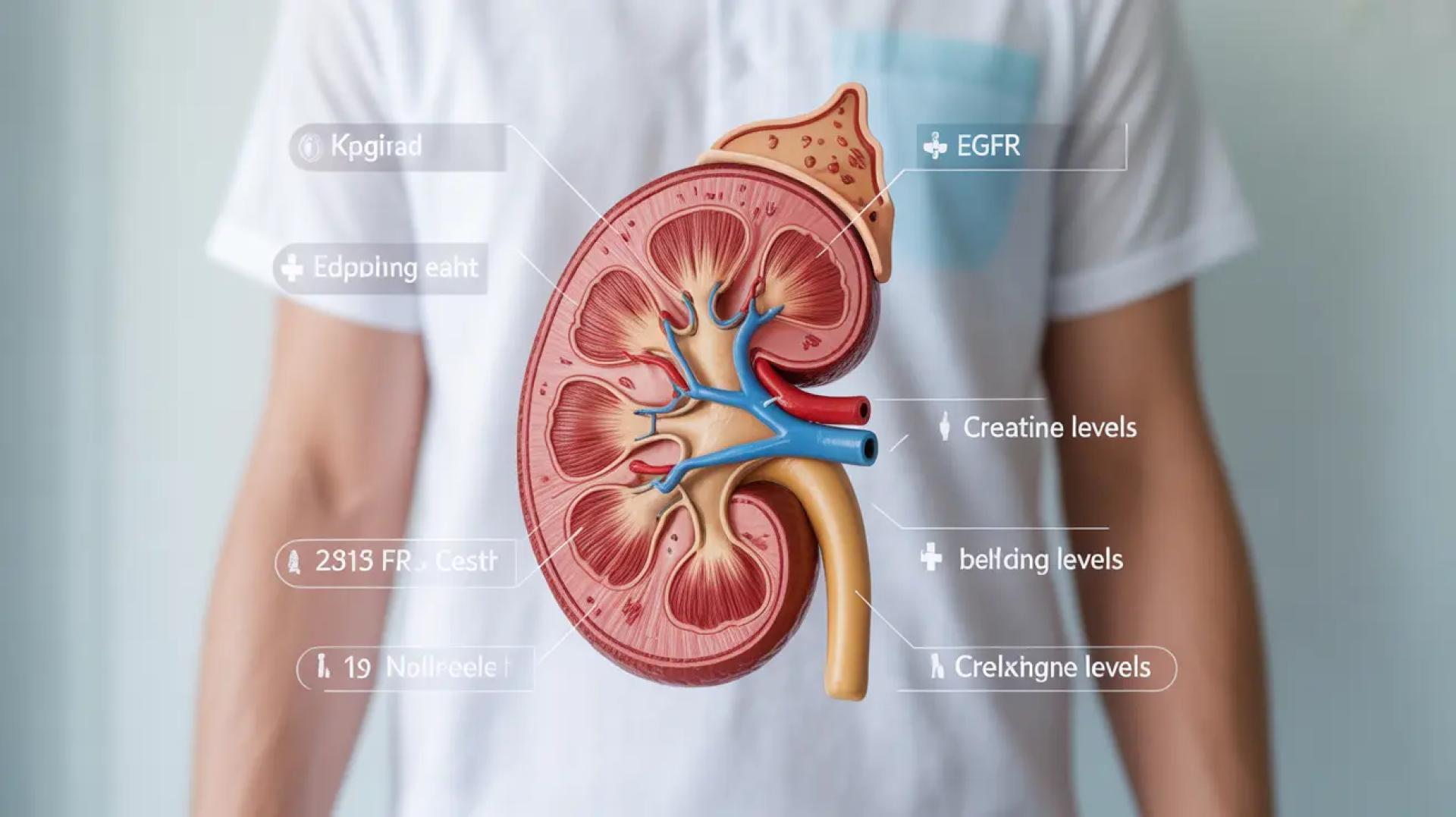
Before we dive into eGFR, it’s essential to understand what the kidneys do. Located on either side of your spine, these bean-shaped organs filter blood, removing toxins and excess fluids, which are then excreted as urine. The kidneys also balance electrolytes, regulate pH levels, and produce hormones that control blood pressure and red blood cell production.
However, kidney function can deteriorate gradually due to conditions like diabetes, hypertension, or long-term medication use. Because the decline is often slow, most people don’t realize there’s a problem until significant damage has already occurred. That’s why doctors recommend periodic kidney health assessments, including the Kidney Function Test, which typically measures key parameters such as serum creatinine, blood urea nitrogen (BUN), uric acid, and electrolytes. Among these, the eGFR test stands out as a crucial marker.
What is the eGFR Test?
The eGFR (estimated Glomerular Filtration Rate) test measures how well your kidneys are filtering blood. It’s derived from a blood test that checks the level of creatinine, a waste product produced by muscles. Your eGFR value is then calculated using a formula that takes into account your age, sex, race, and serum creatinine level.
Essentially, the eGFR test provides an estimate of how many milliliters of blood your kidneys can filter per minute. A normal eGFR is typically 90 mL/min/1.73 m² or higher, but it can vary slightly depending on individual factors.
Why is eGFR Important?
The eGFR test is one of the most reliable indicators of kidney function. Here’s why it matters so much:
1. Early Detection of Kidney Disease
Chronic kidney disease (CKD) often develops gradually over time. The early stages are usually symptom-free, which means many people are unaware of the damage until it’s advanced. Regular eGFR testing helps detect early declines in kidney performance, allowing for timely intervention to slow progression.
2. Monitoring Chronic Conditions
People with diabetes, hypertension, or heart disease are at higher risk of kidney problems. For these individuals, regular eGFR testing is essential for monitoring kidney health and assessing how well treatment plans are working. Doctors use the results to adjust medications or recommend lifestyle changes that protect kidney function.
3. Assessing Medication Safety
Some medications, including certain antibiotics, painkillers, and blood pressure drugs, are processed by the kidneys. If your kidneys aren’t functioning properly, these medicines can accumulate in the body and cause side effects. The eGFR test helps doctors determine the correct dosage or whether an alternative treatment is needed.
4. Evaluating Kidney Transplant or Donation Suitability
Before a kidney transplant or organ donation, eGFR is measured to ensure the donor’s kidneys are healthy enough for surgery and that the recipient’s kidneys are functioning well enough to undergo transplantation.
5. Tracking Kidney Function Over Time
For people already diagnosed with kidney disease, the eGFR test helps track disease progression. By comparing results over time, healthcare providers can determine whether the condition is stable, improving, or worsening.
How is the eGFR Test Performed?
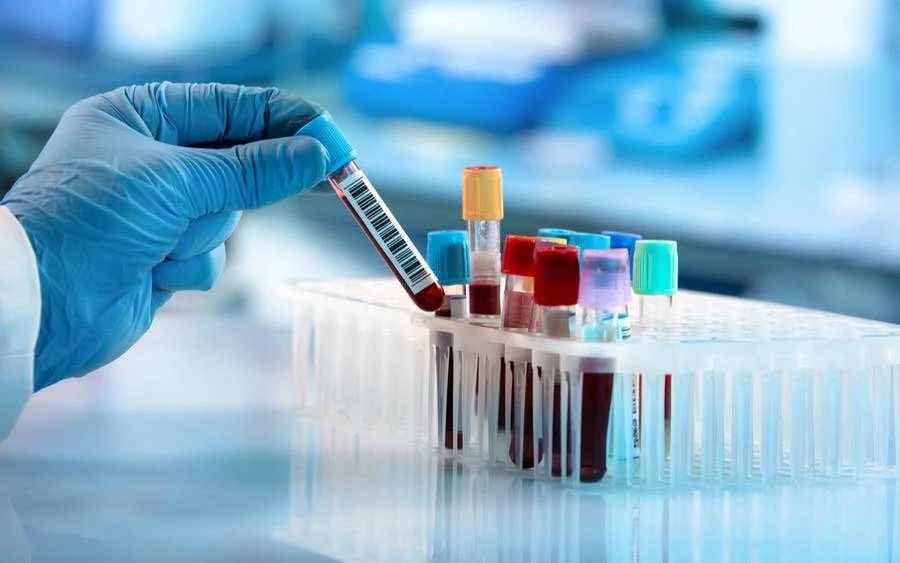
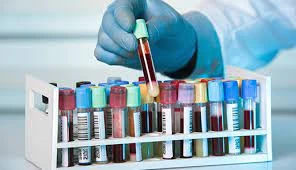
The eGFR test is a simple blood test that requires a small sample, usually drawn from a vein in your arm. There’s no special preparation required, though your doctor might advise avoiding high-protein meals before the test, as they can temporarily influence creatinine levels.
Once your blood sample is collected, it’s analyzed in a laboratory, and your eGFR value is calculated. You’ll typically receive your results within a day or two.
Understanding eGFR Results
Your eGFR results are categorized into stages that indicate how well your kidneys are working:
eGFR LevelKidney FunctionStage90 or aboveNormalStage 160–89Mildly decreasedStage 245–59Mild to moderate decreaseStage 3a30–44Moderate to severe decreaseStage 3b15–29Severe decreaseStage 4Below 15Kidney failureStage 5
A single low eGFR result doesn’t necessarily mean you have kidney disease. Temporary factors like dehydration, certain medications, or a recent high-protein meal can lower your eGFR. Your doctor may recommend repeating the test or performing additional assessments such as urine albumin tests to confirm the diagnosis.
eGFR vs. Creatinine Test: What’s the Difference?
While both tests are related, they measure slightly different aspects of kidney health. The creatinine test directly measures the amount of creatinine in your blood, whereas the eGFR test uses that value — along with age, sex, and other variables — to estimate how efficiently your kidneys are filtering.
The eGFR test offers a more comprehensive picture, especially for identifying early-stage kidney disease, where creatinine levels might still appear normal.
When Should You Get an eGFR Test?
Doctors may recommend an eGFR test if you:
- Have diabetes or hypertension
- Have a family history of kidney disease
- Are over 60 years of age
- Experience symptoms like fatigue, swelling, or frequent urination
- Take medications that affect kidney function
Even if you’re otherwise healthy, including an eGFR test in your annual health checkup is a smart move to monitor your overall well-being.
Preventing Kidney Disease: Tips for a Healthy Lifestyle
Maintaining kidney health is easier than treating kidney disease. Here are some simple but effective tips:
- Stay Hydrated: Drink plenty of water to help your kidneys flush out toxins.
- Eat a Balanced Diet: Limit salt, sugar, and processed foods. Include fruits, vegetables, and whole grains.
- Control Blood Pressure and Blood Sugar: These are leading causes of kidney disease.
- Avoid Overuse of Painkillers: Non-steroidal anti-inflammatory drugs (NSAIDs) can strain your kidneys if used excessively.
- Exercise Regularly: Staying active helps maintain healthy blood flow and reduces disease risk.
- Get Regular Checkups: Schedule your routine KF Test in Udaipur to detect potential issues early.
Where to Get an eGFR Test in Udaipur
If you’re looking for reliable and accurate diagnostic services, consider visiting the Best Diagnostic Centre in Udaipur. They offer comprehensive kidney evaluations, including eGFR testing, KFT/RFT panels, and health packages tailored to your medical needs. With state-of-the-art technology and experienced professionals, you can trust that your kidney health is in good hands.
Conclusion
The eGFR test is a simple yet powerful tool for assessing kidney health. It provides valuable insights into how well your kidneys are filtering waste and can detect early signs of damage long before symptoms appear. Whether you’re managing a chronic condition or just taking proactive steps toward better health, including regular eGFR testing in your routine checkups can make a significant difference.
Your kidneys silently support your body every day — return the favor by monitoring their health regularly. Early detection saves lives, and with accessible testing options available in Udaipur, there’s no reason to wait.

























Sign in to leave a comment.