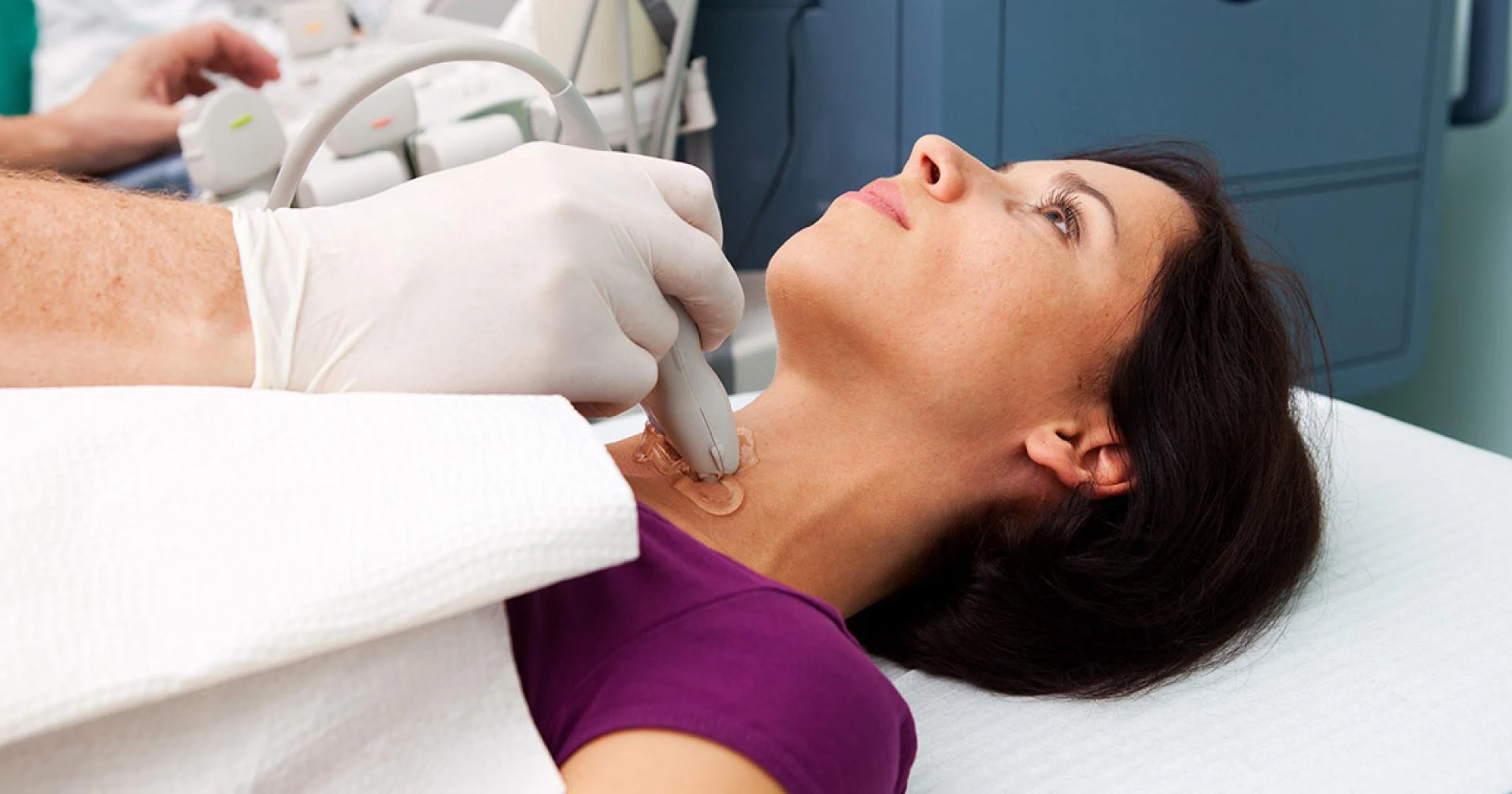

The thyroid gland plays a vital role in maintaining your body’s metabolism, energy levels, and overall hormonal balance. However, thyroid disorders are becoming increasingly common, especially among adults. From unexplained weight gain to fatigue and mood changes, thyroid imbalances can manifest in subtle yet significant ways. That’s why getting a Thyroid Profile Test is crucial for assessing thyroid function accurately.
But before you walk into a diagnostic centre, understanding how to prepare for a thyroid profile test can make a big difference in ensuring accurate results. In this blog, we’ll guide you through everything you need to know — from what the test measures to preparation tips, dietary considerations, and what to expect afterward.
Understanding the Thyroid and Its Function
The thyroid is a small, butterfly-shaped gland located at the base of your neck. It produces hormones that regulate your body’s metabolism, growth, and energy levels. The key hormones secreted by the thyroid gland include:
- Thyroxine (T4)
- Triiodothyronine (T3)
- Thyroid-Stimulating Hormone (TSH)
These hormones work together to ensure that your organs function properly and your body maintains a healthy balance. Any disruption — whether overproduction or underproduction — can lead to hyperthyroidism or hypothyroidism, respectively.
A Thyroid Profile Test helps determine how well your thyroid gland is functioning by measuring these hormones in your blood.
What Does a Thyroid Profile Test Measure?
A standard thyroid profile test evaluates the following three primary parameters:
- T3 (Triiodothyronine):
- Indicates how much thyroid hormone is circulating in your blood and helps assess metabolic rate.
- T4 (Thyroxine):
- Measures the amount of thyroxine, which helps regulate metabolism and growth.
- TSH (Thyroid-Stimulating Hormone):
- Produced by the pituitary gland, TSH stimulates the thyroid to produce T3 and T4. High TSH levels usually indicate an underactive thyroid, while low levels suggest overactivity.
Together, these results give a complete picture of thyroid function and help doctors diagnose any imbalances or disorders accurately.
Why Is a Thyroid Profile Test Important?
Thyroid problems can affect anyone — men, women, children, or older adults. However, they are especially common in women and people with a family history of thyroid issues. Early detection can help manage symptoms and prevent complications such as weight fluctuations, fatigue, hair loss, infertility, and cardiovascular issues.
Regular thyroid screening is especially recommended if you experience symptoms like:
- Unexplained weight gain or loss
- Persistent fatigue or weakness
- Changes in heart rate
- Dry skin or hair loss
- Mood swings or anxiety
- Irregular menstrual cycles
If you identify with any of these symptoms, it’s best to consult your doctor and schedule a Thyroid Profile Test at a trusted diagnostic facility.
How to Prepare for a Thyroid Profile Test
Preparing for a thyroid test is simple but requires a few important considerations to ensure accurate results. Here’s a complete checklist to help you get ready:
1. Fasting Requirements
Most thyroid profile tests do not require fasting. However, some doctors may recommend fasting for 8–10 hours if your thyroid test is being conducted along with other blood tests, such as a TP Test from your chosen health package. It’s best to confirm this with your healthcare provider or diagnostic centre beforehand.
2. Timing of the Test
The ideal time to get your thyroid profile test done is in the morning, preferably between 7 a.m. and 10 a.m. Hormone levels fluctuate throughout the day, and morning testing ensures consistent and reliable results.
3. Medication Considerations
If you are already taking medication for thyroid disorders or any other condition, inform your doctor before the test. Some medications — including thyroid supplements, steroids, and birth control pills — can affect hormone levels and alter results. Your doctor may advise pausing certain medications temporarily before the test.
Never discontinue your medicines without professional guidance.
4. Dietary Precautions
There are generally no strict dietary restrictions for a thyroid test. However, avoiding iodine-rich foods such as seafood, iodized salt, and dairy products 24 hours before the test may be advised in some cases. This is especially important if your doctor suspects iodine-related thyroid dysfunction.
5. Avoid Stress and Fatigue
Stress and lack of sleep can affect hormone levels, leading to inaccurate readings. Try to get adequate rest and maintain a calm mind before the test. Practicing light breathing exercises or meditation can help reduce stress naturally.
6. Hydration
Drink plenty of water before the test. Staying hydrated ensures smooth blood flow and makes the sample collection process easier.
7. Inform About Pregnancy or Menstrual Cycle
If you are pregnant or nearing your menstrual period, let your doctor know. Hormonal changes during these phases can affect thyroid hormone levels. This helps your doctor interpret the results accurately.
What to Expect During the Test
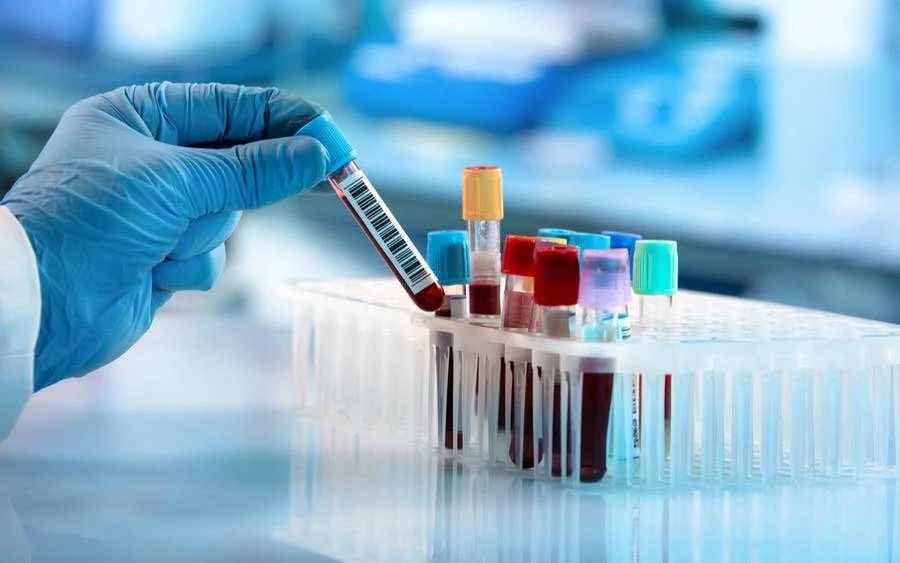
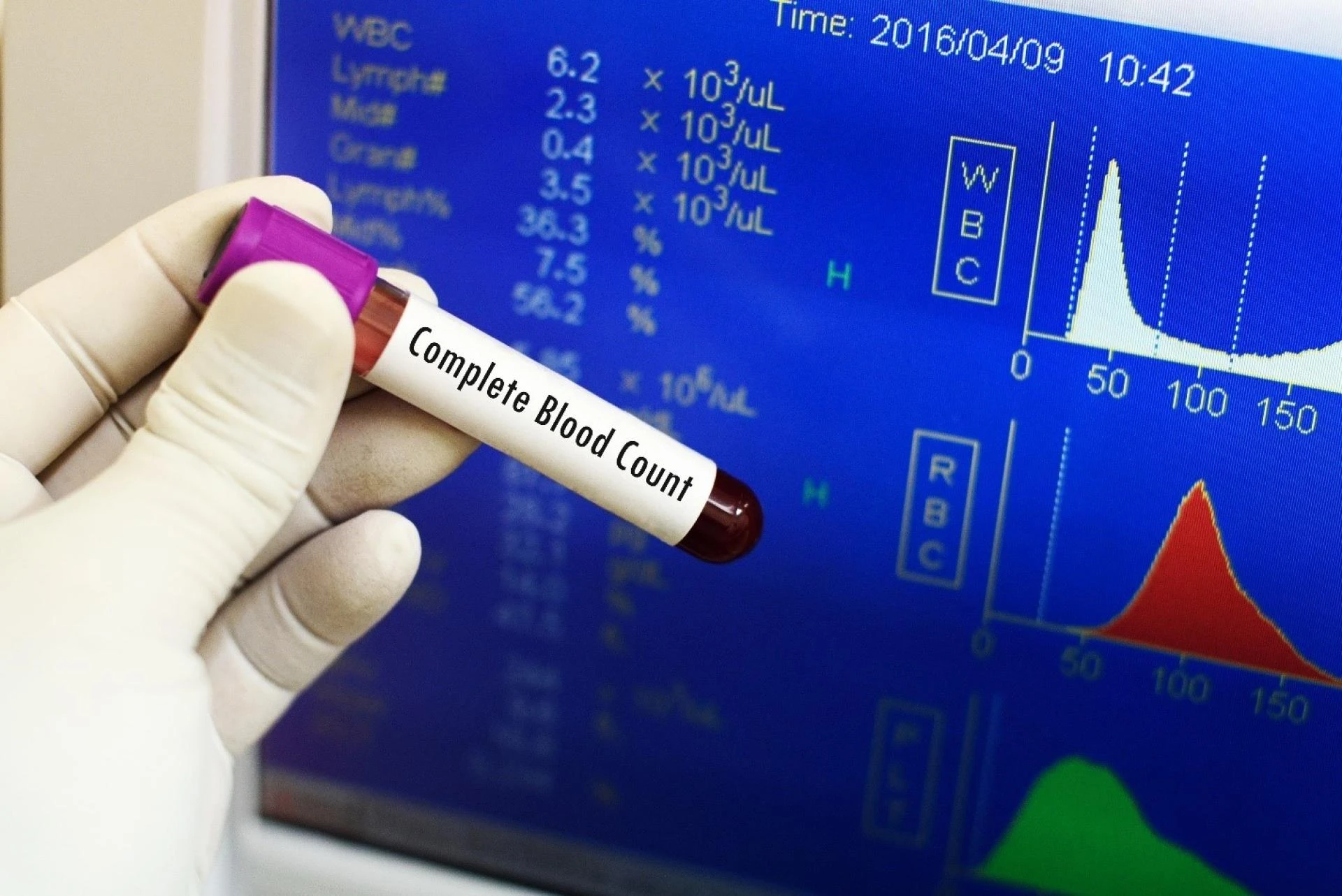
A thyroid profile test is a simple blood test that usually takes only a few minutes. Here’s what happens during the procedure:
- A lab technician cleans the area (usually the inside of your elbow).
- A needle is inserted into the vein to draw a small blood sample.
- The sample is labeled and sent to the lab for analysis.
- Results are typically available within 24–48 hours, depending on the diagnostic centre.
You might experience slight discomfort or bruising at the puncture site, but this usually fades quickly.
After the Test: Interpreting Your Results
Once you receive your thyroid test report, your doctor will interpret the results based on your hormone levels:
- High TSH + Low T3/T4 → Indicates Hypothyroidism (Underactive Thyroid)
- Low TSH + High T3/T4 → Indicates Hyperthyroidism (Overactive Thyroid)
- Normal Range for All → Suggests a Healthy Thyroid Function
Depending on the diagnosis, your doctor may recommend medication, dietary adjustments, or lifestyle changes to restore hormonal balance. In some cases, additional tests like thyroid antibody tests or ultrasound may be suggested.
Tips for Maintaining a Healthy Thyroid
While the thyroid profile test helps detect issues, maintaining a healthy thyroid in the long term is equally important. Here are a few tips:
- Eat a Balanced Diet:
- Include foods rich in selenium, zinc, and iodine, such as eggs, fish, and nuts.
- Exercise Regularly:
- Physical activity improves metabolism and helps regulate hormone levels.
- Get Enough Sleep:
- Aim for 7–8 hours of restful sleep every night to support overall hormonal health.
- Manage Stress:
- Chronic stress affects thyroid function, so practice relaxation techniques like yoga or meditation.
- Regular Checkups:
- Schedule periodic thyroid screenings, especially if you have a family history of thyroid problems.
Where to Get a Thyroid Profile Test in Udaipur
When it comes to accurate testing and reliable results, choosing the Best Diagnostic Centre in Udaipur is essential. A trusted facility ensures advanced testing equipment, professional technicians, and timely reports, all of which are critical for effective diagnosis and treatment.
Many diagnostic centres also offer health packages, such as a TP Test, that combine multiple health assessments, including thyroid testing, to provide a comprehensive view of your overall wellness.
Conclusion
Preparing for a Thyroid Profile Test doesn’t have to be complicated. By following the simple steps outlined above — such as taking the test in the morning, staying hydrated, and informing your doctor about medications — you can ensure accurate and meaningful results.
Your thyroid plays a key role in your body’s metabolism and energy regulation, so don’t ignore the symptoms of imbalance. Schedule your test at a reliable diagnostic centre and take proactive steps toward maintaining hormonal health and overall well-being.



















Sign in to leave a comment.