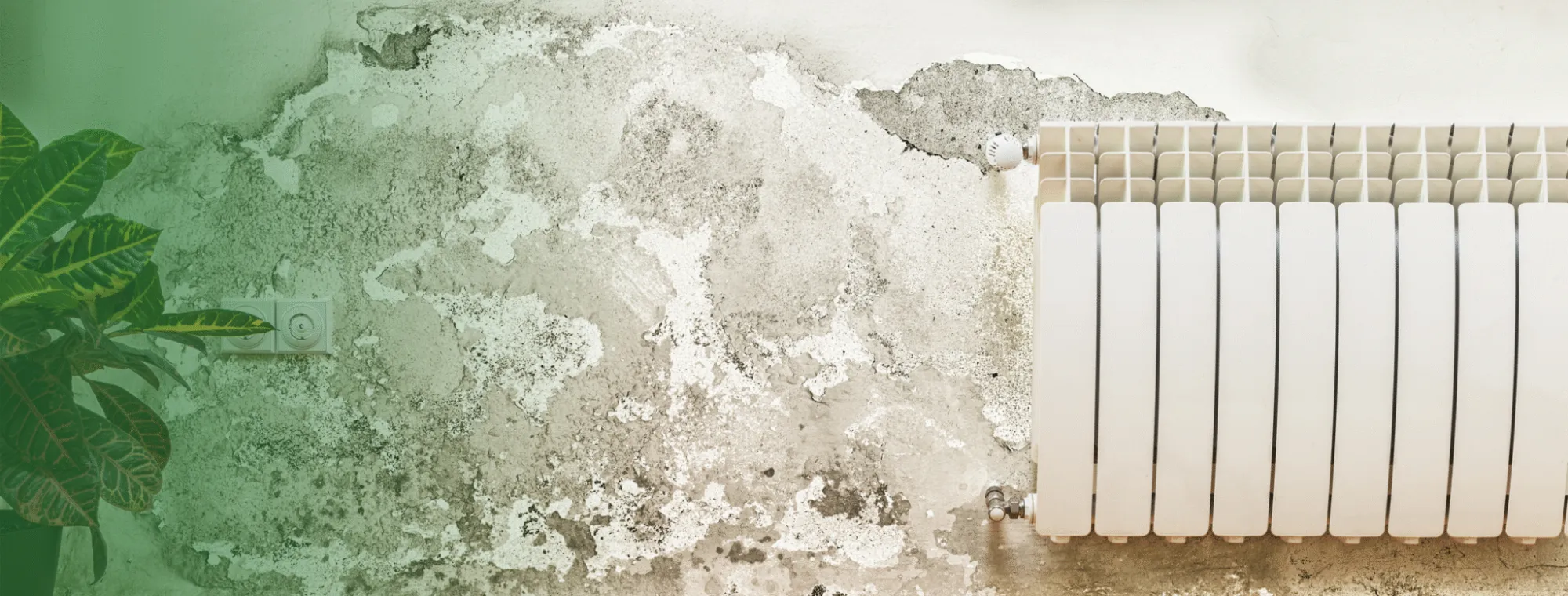

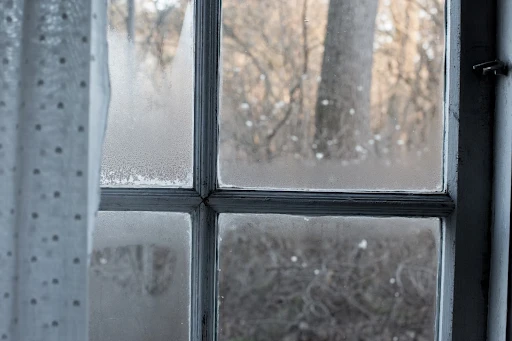
Wake up to fogged-up windows and a damp smell in the hallway, and the usual advice is to crack a window. But that only works while you're standing there doing it. The moment you shut the window again, moisture starts building up. A home ventilation system solves this differently. Instead of relying on you to manage airflow, it runs quietly in the background, swapping stale, humid air for fresh, filtered air. That's the real fix for condensation that keeps coming back no matter how many windows you crack open.
Why Opening Windows Doesn't Actually Fix Condensation
Opening a window feels like it should help, and for a few minutes, it does. Warm, moist air escapes and drier air rushes in. Then you close the window because it's cold outside, or because you're not home to manage it, and the humidity climbs right back up.
Condensation forms when warm, moist indoor air meets a cold surface, usually a window or an external wall. Australian homes, especially older brick and weatherboard builds, trap moisture from everyday living with nowhere for it to go. A five-minute burst of airflow can't compete with hours of cooking, showering, and breathing that happen every single day. That's the gap a home ventilation system is built to close.
What's Really Causing the Moisture Build-Up
Before fixing the problem, it helps to know where the moisture is coming from. Most households generate far more water vapour than they realise:
- Showers and baths release large amounts of steam
- Cooking, especially boiling and frying, adds moisture to the air
- Drying clothes indoors on a rack pushes litres of water into the air
- Breathing alone releases moisture overnight, which is why bedroom windows fog up
- Poor subfloor or roof airflow lets dampness rise into living areas
None of these habits are unusual. They're just part of daily life. The issue is that most homes have no way to remove that moisture without a home ventilation system doing the work.
How a Home Ventilation System Actually Works
A home ventilation system doesn't just move air around a single room. It draws fresh air from outside, filters it, and pushes it continuously through your home's roof cavity and into living spaces. As that fresh air moves through, it forces the old, moisture-laden air out through gaps, vents, and extraction points.
Continuous Airflow Instead of One-Off Bursts
This is the key difference between a home ventilation system and simply opening a window. A window gives you a burst of airflow that stops the second you shut it. A properly installed system keeps working around the clock, so humidity never has the chance to build back up overnight or while you're at work.
Filtered, Not Just Fresh
The air pushed into your home isn't just outside air, it's filtered first. That means dust, pollen, and airborne allergens get caught before they reach your living room or bedroom, which matters for anyone dealing with asthma or allergies too.
Household Ventilation Habits That Make a Real Difference
A home ventilation system does the heavy lifting, but a few household ventilation habits help it work even better. Running extraction fans during and after showers, avoiding indoor clothes drying where possible, and keeping internal doors open all support better airflow throughout the house. None of these replace a proper system, but combined with one, they speed up results.
Benefits That Go Beyond Stopping Condensation
Fixing condensation is usually what gets homeowners searching in the first place, but it's rarely the only problem a home ventilation system solves. Once airflow improves, several other issues tend to clear up alongside it:
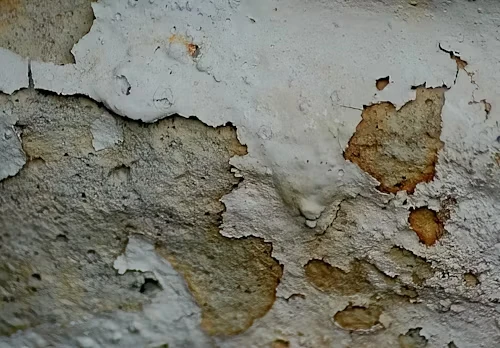
- Mould and mildew lose the damp conditions they need to grow
- Musty smells fade as stale air gets replaced
- Indoor temperatures balance out, easing pressure on heating and cooling
- Energy bills often drop because the home needs less artificial heating and cooling to feel comfortable
Is Your Home Suitable for a Home Ventilation System?
Most homes across Sydney and NSW can support a ducted home ventilation system, provided there's roughly 600mm of clearance in the roof space. Older brick homes, weatherboard houses, and modern builds all tend to qualify, though it's worth having a professional check before assuming either way. Homes with damp subfloors may also benefit from pairing subfloor ventilation with a household ventilation system for a complete fix.
Why Homeowners Trust Ventis for Household Ventilation
Ventis has spent years installing home ventilation systems built specifically for Australian conditions, not generic setups adapted from other climates. Families dealing with asthma, persistent mould, or fogged-up windows have found that a properly installed system solves the problem at its source, not just the symptoms. One Sydney customer, whose family struggled with asthma and allergies in a cold brick home, said the air felt noticeably cleaner and the house stayed warmer within weeks of installation.
That kind of feedback comes up often because the system runs quietly, uses very little power, and needs almost no day-to-day attention once it's installed.
Get Persistent Condensation Sorted for Good
Wiping down windows every morning isn't a solution, it's a symptom of airflow that isn't working hard enough. A home ventilation system tackles the actual cause by keeping fresh, filtered air moving through your home around the clock, so moisture never gets the chance to settle in.
If condensation, mould, or musty smells keep showing up no matter what you try, Ventis can assess your home and recommend a system built for it. Book a free home assessment with Ventis today and find out how straightforward fixing your indoor air can actually be.



























Sign in to leave a comment.