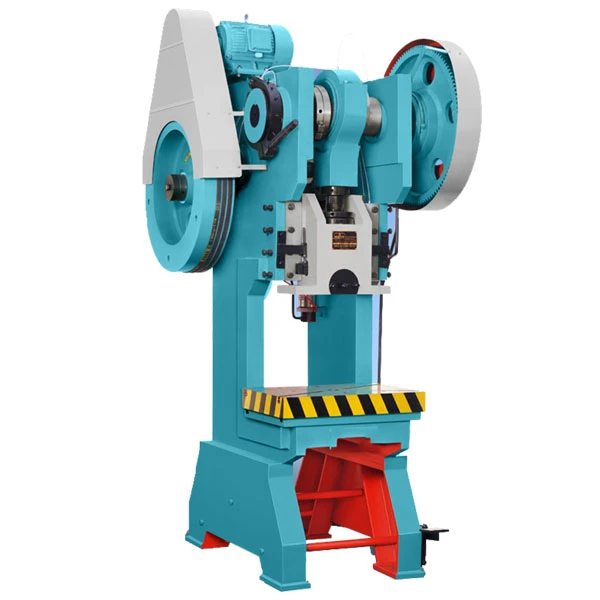

Precision engineering, controlled application of force, and an ability to perform repetitive operations allow a power press machine to produce consistent quality components in a production setting. By using a machine that produces the same amount of force, and the same length of stroke on every cycle, the power press machine will produce identical parts for all components made in a particular batch, and will help to ensure that all components produced from a single batch conform to the same specification using high-quality dies and tooling.
Modern manufacturing technologies used in power press machines are capable of providing operators with the ability to accurately set parameters (speed, pressure, depth of stroke) for every application, which reduces the potential for human error and provides a consistent level of precision for all operations performed with the machine. Automating features of power press machines, including programmable settings and automatic feeding systems, minimize the occurrence of manual handling and/or variations from operation to operation and likewise contribute to the consistency and precision associated with power press machines.
Power press machine manufacturers are also focused on designing a robust and strong machine to minimize vibration or movement (while in operation), as this type of movement will not only compromise the tight tolerances when making parts but also will impact the uniformity of all finished items produced by the machine. Periodic maintenance and proper calibration of machinery play a significant role in the continued performance of power press machines over time.
In summary, through extensive research and development efforts, leading power press machine manufacturers develop a machine that combines modern technology with durable components and functional design to provide industries with reliable and durable high-quality products in a mass production environment.























Sign in to leave a comment.