

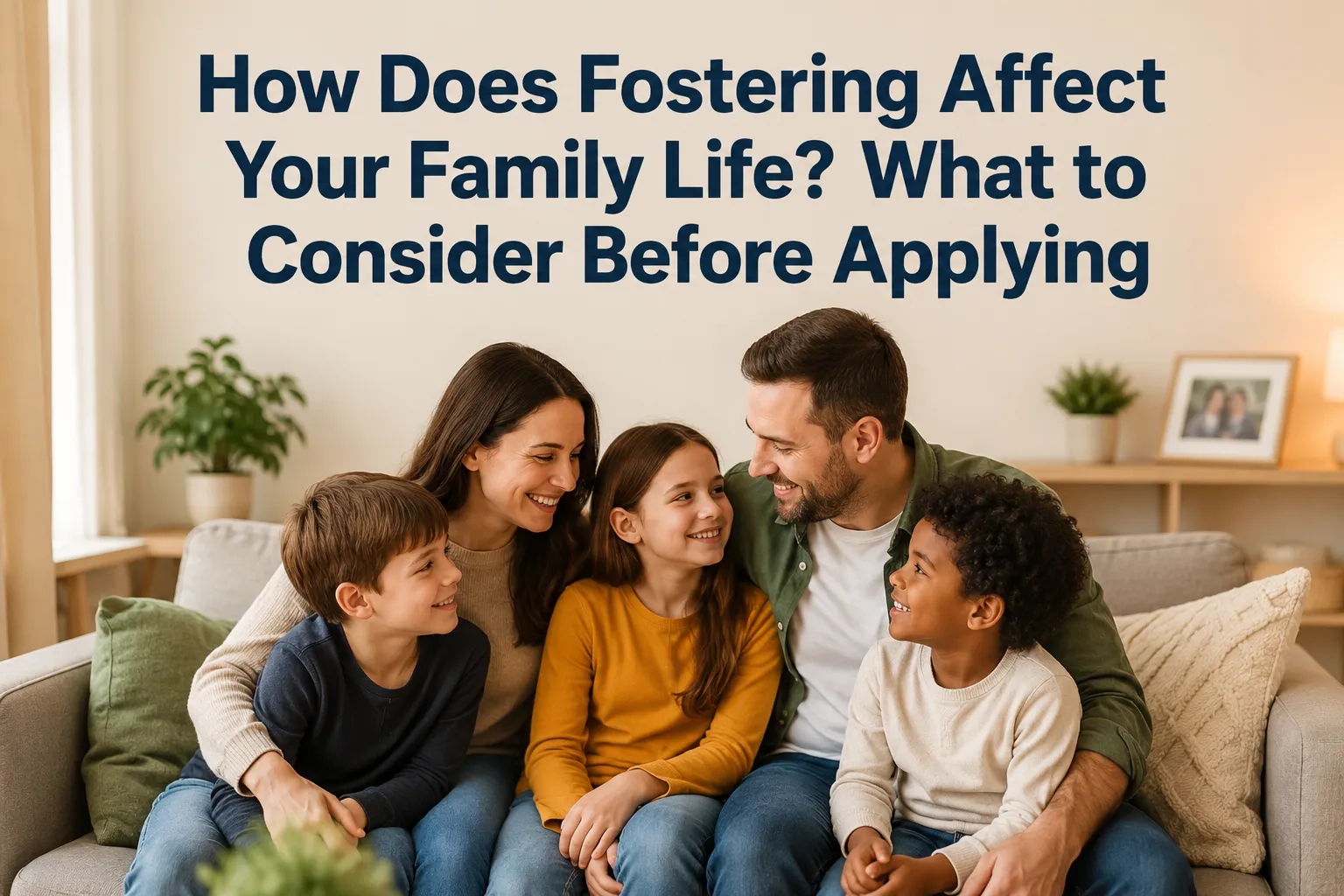
Fostering is a rewarding experience and provides a child with a safe, stable and supportive home. Bringing a foster child into your home may mean changes in your routines, responsibilities, relationships, and family structure as well. Learning about these changes can help you determine if fostering is right for your family.
How does fostering impact family life? This depends on your family situation, the child’s needs, age and personality, and the type of placement. There will be challenges, but many of these changes can be prepared for by families through open talking and getting the right support.
How Can Fostering Change Your Family's Daily Routine?
Fostering can increase the busyness and sometimes unpredictability of family routines, especially in the early days of a placement. You may need to alter school or nursery routines, attend appointments, do foster caregiver training and attend meetings with professionals.
Your schedule may also include contact arrangements with a child’s birth family. Flexibility can be had with family outings, social activities and household chores. Routines are comforting for a foster child, and can help your family to maintain a sense of normality.
How Does Fostering Affect Birth Children?
Foster parents may worry about the impact of fostering on their own children. Children already born into the family may need time to adjust to sharing their parents’ attention and having another child in the home.
They may have different emotions like excitement, curiosity, jealousy or concern. Allow them to ask questions and tell you how they feel. This will help them to understand the changes.
Can Fostering Strengthen Family Relationships?
Fostering can make a positive difference to family life. Learning about a foster child’s experiences and needs can help families learn empathy, patience and understanding.
It can also foster more effective communication and give family members the chance to work together. But each family is different. Fostering should not be seen as a given for relationship building. When challenges do occur, honest communication and adequate support are important.
What Challenges Can Fostering Bring to Family Life?
There are pros and cons to family life as it pertains to raising foster children. Some challenging behavior can be difficult to manage, plans may need to be adapted and established routines may need to change.
Families may also need to balance the needs of different children when attending appointments, meetings and training. Sometimes foster placements end and this can bring about emotional changes for everyone in the household.
Being prepared for these possibilities can help you respond calmly and provide consistent support.
How Can Couples Prepare for Fostering?
If you are a couple fostering, it is important that you discuss how fostering may impact on your relationship and responsibilities prior to application. Explain why you want to foster, how you will share responsibilities and how you will manage work, childcare and household commitments.
Talking about how you will deal with disagreements or difficult situations is also useful. Making time for your relationship and finding people who can help you cope with changes together.
How Does Fostering Affect Your Home Environment?
Your home may need some practical changes before a foster child moves in. This might include making appropriate bedroom and personal space, reviewing household safety, setting up storage areas and establishing clear household rules.
A comfortable child is a child who feels secure in a predictable, welcoming environment. Your fostering agency will be able to tell you what requirements your home will need to meet as part of the assessment process.
Will Fostering Change Family Holidays and Social Plans?
Fostering does not mean you have to give up holidays, day trips, celebrations or visits with relatives. But plans can sometimes need to be altered to suit the needs of the child, contact arrangements, permissions and established routines.
It is possible to make suitable arrangements and still have fun as a family by being flexible and discussing plans with your fostering agency.
What Support Is Available for Families Who Foster?
Foster families don’t need to deal with every challenge alone. Support can include training for foster caregivers, guidance from supervising social workers, peer support, support groups and out-of-hours help, depending on the fostering agency.
Caregivers are also able to access ongoing training to develop skills to support children with different backgrounds and needs.
How Can You Prepare Your Family Before Applying to Foster?
Start with an honest family conversation about why you want to encourage and what changes it could mean. Think about the impact of supporting on school, work, child care, activities and family routine.
Give your children time to ask questions and think about how you can support them throughout the process. It is also worth identifying your wider support network and learning about different types of fostering.
Finally, speak with a fostering agency. A conversation can help you understand the assessment process, training, support, and what fostering may look like for your family.
Is Your Family Ready to Foster?
There is no single definition of a “ready” foster family. Ask yourself whether your family can make space for another child, adapt when necessary, communicate openly, and support a child who may have experienced difficult circumstances.
You do not need to know everything before making an enquiry. The assessment and training process can help you understand the responsibilities involved and determine whether fostering is suitable for your family.
Frequently Asked Questions
Does fostering affect your own children?
Yes fostering can impact on your own children, they may have to learn to share their home, routines and parents attention. Open communication and regular one to one time can help them to adjust.
Can you foster if you already have children?
No, children are not a barrier to foster care. Your fostering service will take into consideration your family circumstances, home environment, experience and ability to meet a foster child's needs.
Is fostering difficult for families?
Fostering comes with challenges including disruption to routines and emotional demands. But with training, professional assistance and a good support system, families can cope with these challenges.
Can foster carers still go on holiday?
Yes, holidays and family activities can often be part of foster family life but arrangements may need to take account of the child’s needs, permissions, contact arrangements and placement circumstances.
How does fostering affect relationships?
Fostering can add new pressures but it can also encourage communication, patience and empathy. For couples and families who talk about what they expect and ask for help if needed, changes may be easier.
Do foster families receive support?
Foster caregivers will normally receive training and ongoing professional support. The type of placement and the fostering agency will determine what support is available to you.
How can I prepare my family for fostering?
Start by talking about open fostering with everyone who lives in the home. Think about changes to routines, responsibilities, space and family time, and ask a fostering agency what to expect.





























Sign in to leave a comment.