
The One Element That Changes Everything
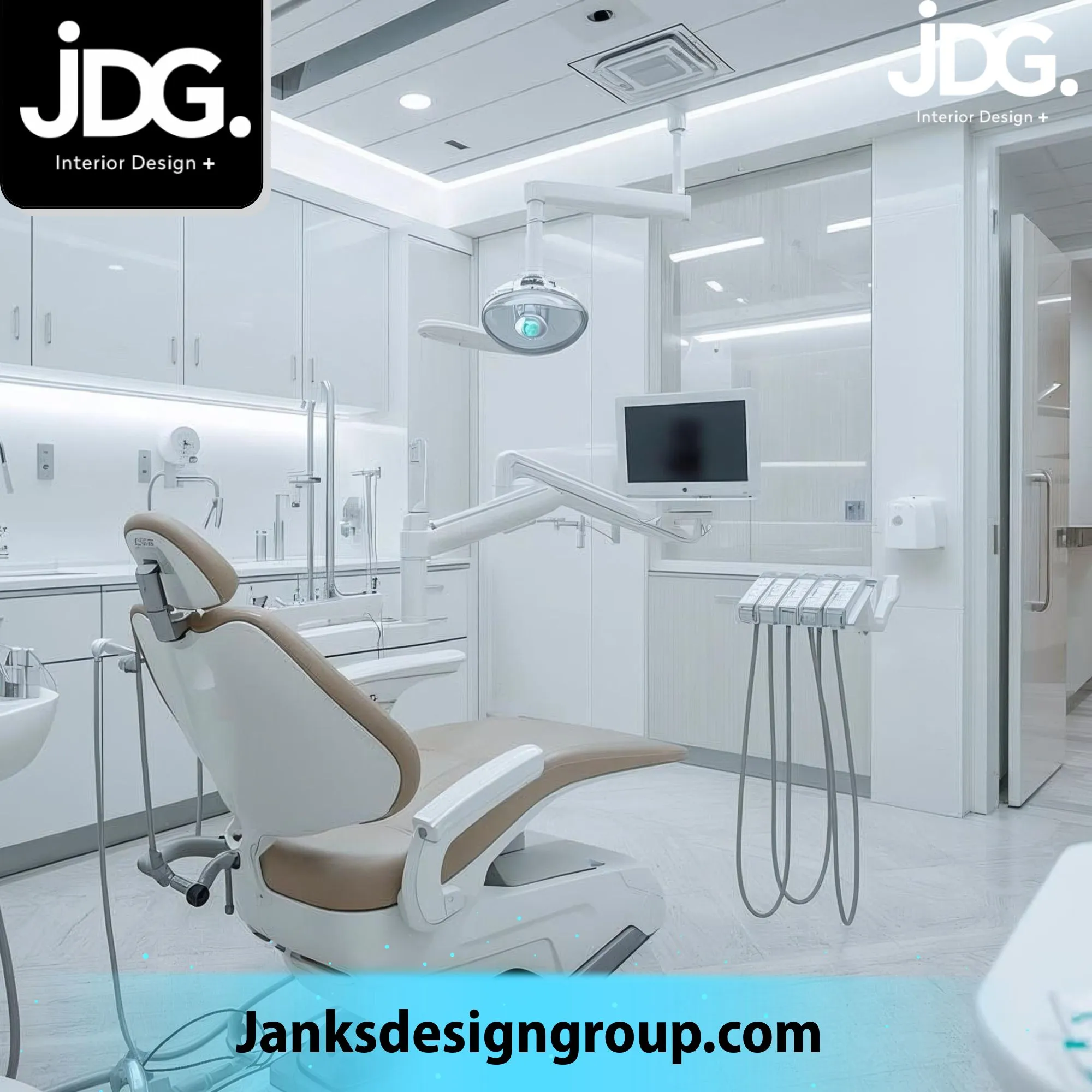
Ask any designer which single element has the biggest impact on how a space feels, and lighting almost always tops the list. Nowhere is this more true than in healthcare settings. Modern Medical Office Interior Design has moved away from the harsh, uniform fluorescent lighting of the past because it directly affects how patients feel before they've even spoken to a provider. At Janks Design Group, lighting is often the first thing we address on a healthcare project, not because it's easy, but because it changes the emotional temperature of the entire space.
Get lighting right, and everything else in the room, color, material, layout, feels more cohesive. Get it wrong, and no amount of nice furniture can fix it.
Why Fluorescent Lighting Works Against You
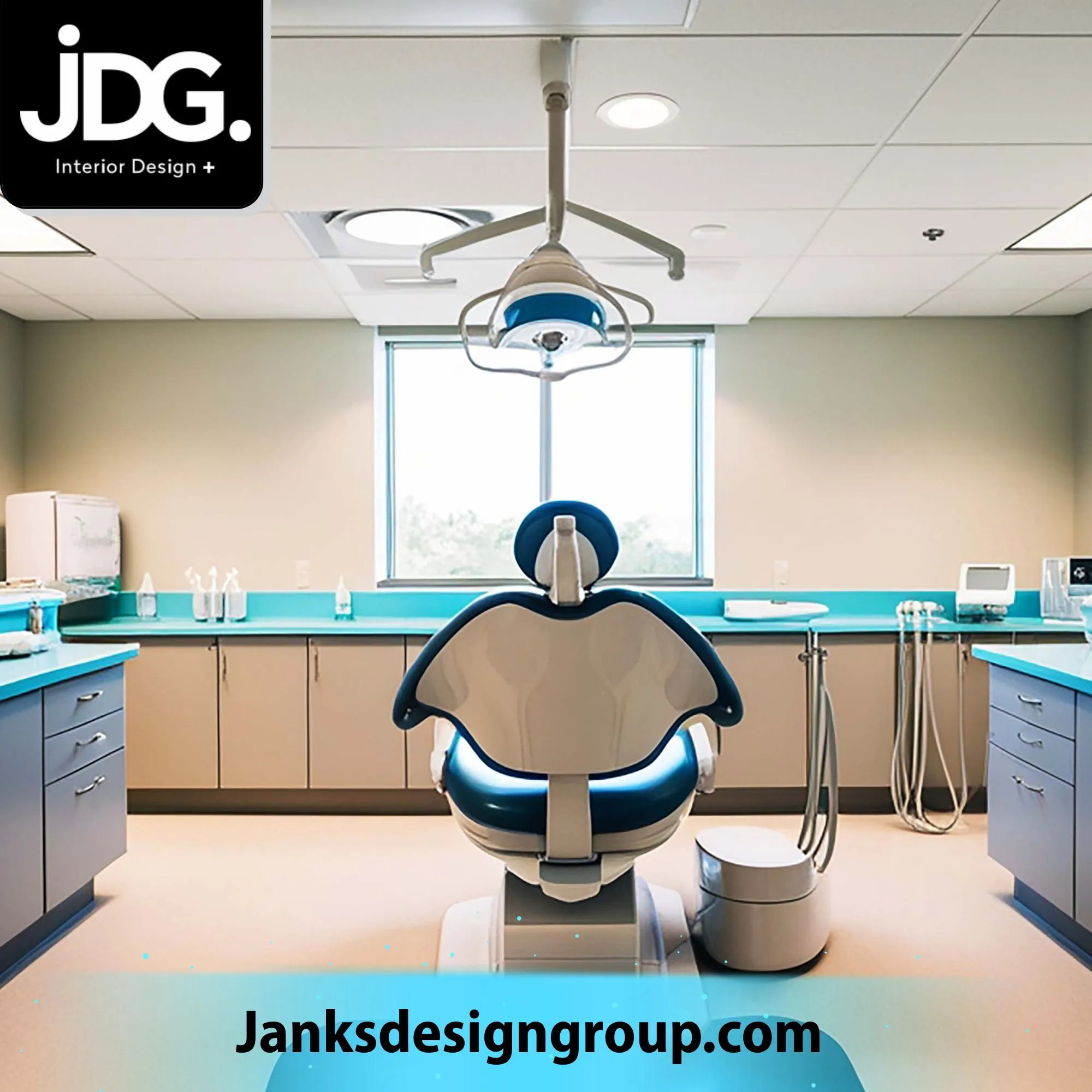
Traditional fluorescent lighting was chosen for cost and durability, not comfort. It casts flat, shadowless light that flattens skin tone, creates a slight flicker many people register subconsciously, and tends to feel more like a warehouse than a place of care. Patients already dealing with anxiety about an appointment don't need a lighting environment that amplifies that tension.
Replacing or supplementing fluorescent fixtures with warmer LED alternatives is often one of the most cost-effective upgrades a medical office can make.
Layered Lighting Creates a Sense of Calm
The biggest shift in modern healthcare lighting is the move from a single overhead source to layered lighting, a mix of ambient, task, and accent light working together. Waiting areas benefit from soft ambient lighting paired with warm accent fixtures, while exam rooms still need bright, accurate task lighting for clinical precision. The key is making sure these zones transition smoothly instead of jarring patients from a cozy waiting room into a stark, overly bright hallway.
This layered approach mirrors techniques we use in hospitality design as well, where lighting zones guide mood and behavior just as intentionally.
Natural Light Does More Than Save Energy
Whenever floor plans allow it, we push hard to maximize natural light in medical offices. Studies have consistently linked daylight exposure to reduced stress and improved mood, which matters enormously in a setting where patients are often already on edge. Positioning waiting areas near windows, using glass partitions instead of solid walls, and choosing light-diffusing window treatments all help bring daylight deeper into a floor plan without sacrificing privacy.
Even in spaces without much natural light access, circadian-tuned LED systems can mimic daylight's warmth and intensity throughout the day.
Color Temperature Is a Quiet Design Decision With Big Impact
Not all "warm" lighting is created equal. Color temperature, measured in Kelvin, determines whether a space feels cozy or slightly clinical even with soft fixtures. Lower color temperatures in the 2700K to 3000K range tend to read as warm and residential, while anything above 4000K starts to feel institutional again, even in a beautifully designed room. Getting this balance right across reception, waiting, and clinical areas is a detail that's easy to overlook but impossible to ignore once it's wrong.
Lighting Principles Travel Well Across Industries
Interestingly, the same lighting logic that transforms a medical office applies almost directly to hospitality spaces. In our work on Restaurant Interior Design, we rely on the same layered, warm-toned approach to slow guests down and make them comfortable. The settings are different, but human beings respond to light the same way whether they're waiting for a doctor or waiting for dinner.
Local Light Conditions Shape Every Plan
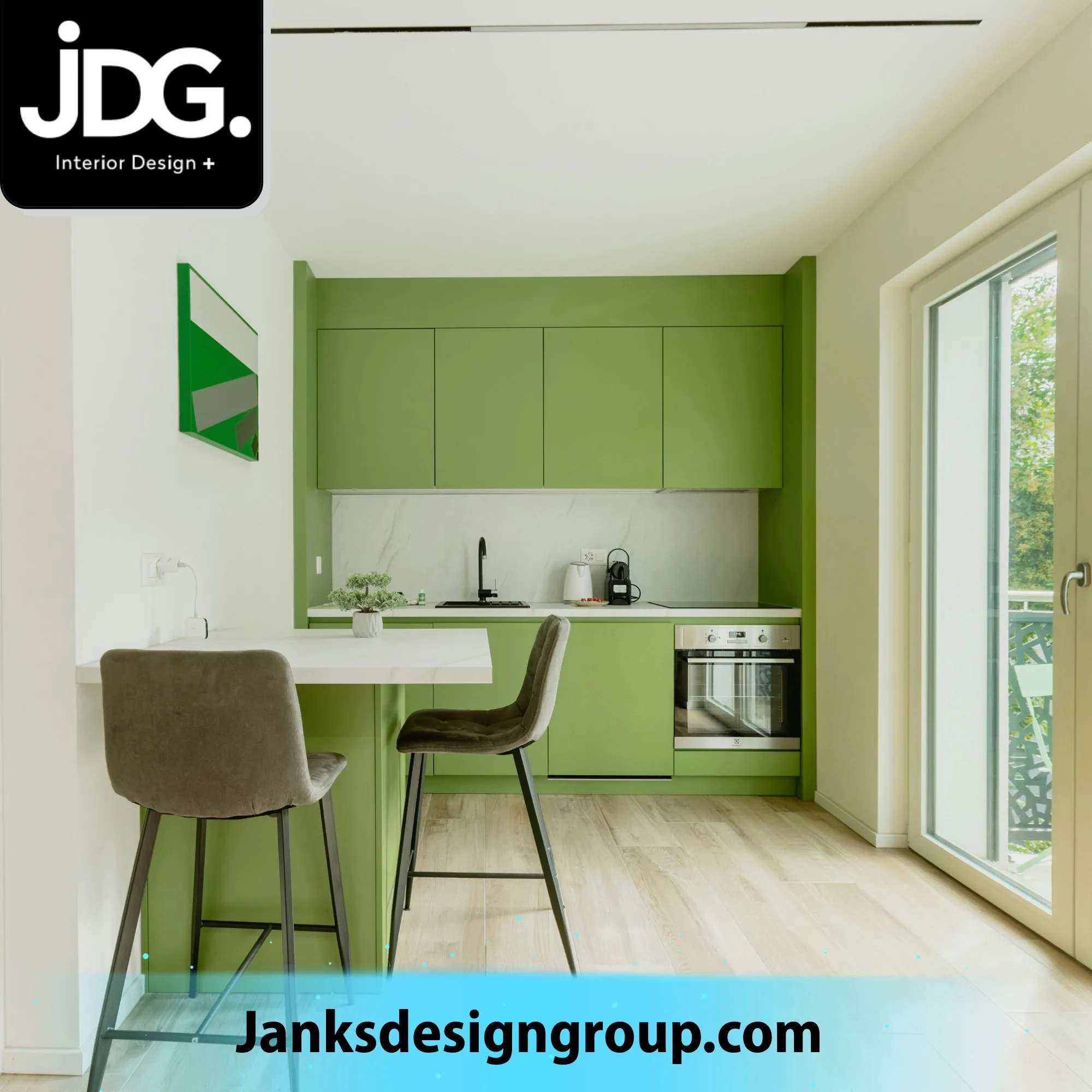
Lighting decisions also depend heavily on regional daylight patterns. As a Vancouver interior design Company, we design around long, overcast stretches of the year by leaning more heavily on warm artificial lighting and maximizing whatever natural light a space can capture, an approach that looks noticeably different from projects we'd plan in a sunnier climate.
Final Thought
Lighting isn't decoration in a medical office, it's infrastructure for how patients feel. When it's planned thoughtfully, layered correctly, and matched to the right color temperature, a clinical space can feel calm without losing any of its functionality. At Janks Design Group, that's the transformation we aim for on every healthcare project: light that heals the mood of a room, not just illuminates it.





















Sign in to leave a comment.