

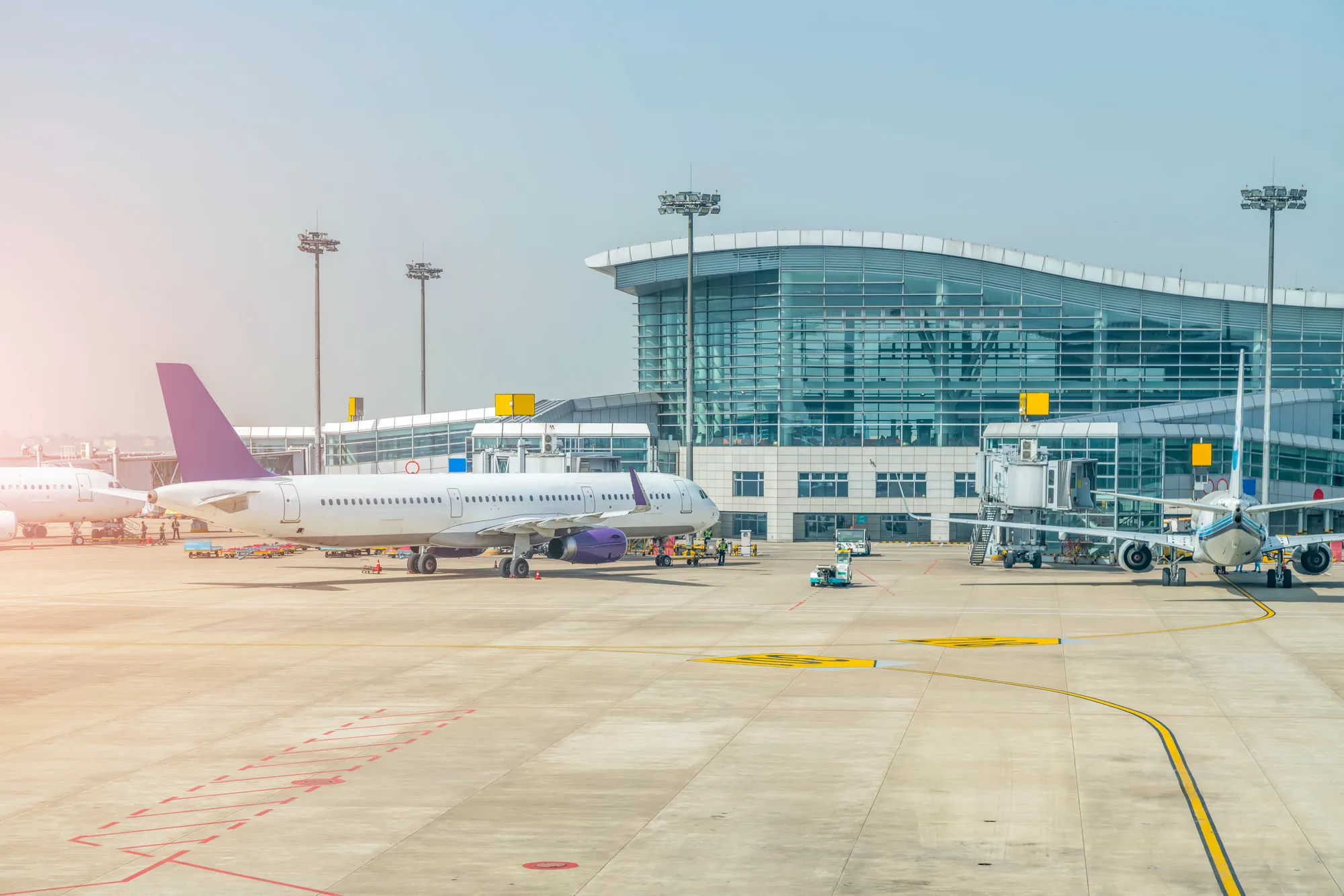
The airport terminal buzzed with the usual pre-holiday chaos. Business travelers tapped furiously on laptops, families corralled restless children, and backpackers scrolled through their phones, likely checking flight statuses or messaging loved ones back home. Among them stood James Chen, a 34-year-old software developer from Seattle, who was about to embark on a six-month journey through Southeast Asia. Unlike most travelers frantically searching for local SIM cards or calculating roaming charges, Chen simply pulled out his phone, scanned a QR code he'd received via email, and within minutes was connected to a local network in Bangkok.
This seamless transition from American soil to Thai connectivity represents more than just convenience; it signals a fundamental shift in how we approach international travel in the digital age. Embedded SIM, or eSIM technology, has quietly transformed from a niche feature on high-end smartphones to an essential tool for the modern traveler, digital nomad, and global citizen.
For decades, international travelers faced a frustrating ritual: upon landing in a new country, they'd queue at airport kiosks, navigate language barriers, and often pay premium prices for temporary SIM cards. Those who opted to use their home carriers faced astronomical roaming charges that could turn a simple Google Maps query into a financial nightmare. The psychological burden of connectivity anxiety became as much a part of travel as packing sunscreen or checking visa requirements.
But the landscape began changing in 2018 when Apple introduced eSIM support in the iPhone XS and XR models. Initially viewed as a minor convenience feature, eSIM technology has since evolved into a game-changer for global mobility. Unlike traditional physical SIM cards that require insertion and removal, eSIMs are digital profiles embedded directly into a device's hardware, allowing users to switch between cellular plans without ever touching a physical card.
Sarah Mitchell, a travel photographer who spends approximately 220 days annually on the road, recalls the transformation. "I used to carry a small case filled with SIM cards from different regions Africa, Europe, Asia. I'd spend my first day in any new country trying to find a store that sold SIM cards, waiting in line, sometimes losing precious shooting time. Now, I can activate a local data plan before I even board my flight. It's completely changed how I work."
The implications extend far beyond convenience. For the growing community of digital nomads estimated at over 35 million globally by Nomad List, reliable and affordable connectivity isn't a luxury; it's the foundation of their livelihoods. These professionals, who work remotely while traveling the world, require stable internet connections for video conferences, file transfers, and real-time collaboration. Unpredictable connectivity or exorbitant data costs can literally mean the difference between securing a client and losing a contract.
Dr. Elena Rodriguez, a telecommunications analyst at Georgetown University, explains the technological shift. "What we're witnessing is the democratization of global connectivity. eSIM technology removes traditional barriers to international data access. It's not just about convenience; it's about economic opportunity. Digital nomads can now work effectively from virtually anywhere on the planet, which has profound implications for global workforce distribution and economic development in traditionally tourism-dependent regions."
The market has responded with remarkable speed. According to recent industry reports, the global eSIM market is projected to grow from $6.2 billion in 2023 to over $23.8 billion by 2030, representing a compound annual growth rate of 21.1 percent. This explosive growth reflects not just increased adoption among travelers but also integration into IoT devices, smartwatches, and even automotive systems.
However, the transition hasn't been without challenges. Early eSIM adopters often faced compatibility issues, particularly when traveling to regions with less developed telecommunications infrastructure. Some carriers initially resisted the technology, viewing it as a threat to their traditional roaming revenue streams. Security concerns also emerged, with questions about how digital profiles could be protected from unauthorized access or cloning.
"These concerns were legitimate but largely addressable," notes cybersecurity expert Mark Thompson. "Modern eSIM implementations use robust encryption protocols and require authentication through multiple channels. The security profile is actually superior to physical SIM cards, which can be physically stolen or duplicated."
For mainstream travelers, the learning curve has been surprisingly gentle. Most major smartphone manufacturers now include straightforward eSIM setup wizards that guide users through the activation process. The typical workflow involves selecting a data plan for a specific destination, receiving a QR code via email, scanning that code with the phone's camera, and following on-screen prompts to complete activation. The entire process often takes less than five minutes.
The economic impact of this technology cannot be overstated. Traditional roaming charges, which could cost upwards of $15 per megabyte in some regions, have effectively been eliminated for eSIM users. Instead, travelers pay local rates for data, often at a fraction of what their home carriers would charge. For a family on a two-week European vacation, this could translate to savings of $200-$400 on connectivity costs alone.
The transformation extends to how travel companies operate. Tour operators, who previously provided expensive satellite phones or limited Wi-Fi hotspots for their clients, can now recommend eSIM solutions that give travelers genuine independence. Language translation apps, augmented reality city guides, real-time currency converters, and location-based recommendations all function seamlessly when travelers have reliable data connections.
Perhaps most significantly, eSIM technology has empowered a new generation of long-term travelers and expatriates. Maria Gonzalez, who moved from Mexico City to Lisbon three years ago, describes how eSIMs simplified her transition. "When I first arrived, I needed both my Mexican number for family and business contacts and a Portuguese number for local services. With dual SIM capability, including eSIM support, I could maintain both numbers on one phone without carrying two devices. It made settling into a new country much less stressful."
The environmental impact also deserves consideration. Physical SIM cards, while small, contribute to electronic waste when discarded. The plastic cards, metal contacts, and packaging materials all have environmental footprints. By eliminating the need for physical cards, eSIM technology reduces this waste stream, aligning with growing sustainability concerns among travelers.
Despite these advantages, adoption rates vary significantly by region. North America and Europe lead in eSIM penetration, with approximately 65 percent of new smartphones supporting the technology. Asia follows closely, while regions like Africa and parts of South America lag due to infrastructure limitations and regulatory hurdles. However, this gap is closing rapidly as governments recognize the economic benefits of improved connectivity.
For travelers planning their next international adventure, understanding eSIM options has become as essential as checking passport expiration dates. The process begins with verifying device compatibility most iPhones from the XS model onward, recent Samsung Galaxy devices, Google Pixels, and many other modern smartphones support eSIM functionality. Next comes researching available plans for specific destinations, comparing data allowances, validity periods, and activation procedures.
The most comprehensive resources for travelers seeking reliable eSIM plans can be found at ilgili sources that specialize in global connectivity solutions. These platforms typically offer user-friendly interfaces where travelers can select their destination, view available plans, and complete purchases within minutes. Many also provide detailed guides for activation and troubleshooting, recognizing that not all users are equally tech-savvy.
The human element remains crucial in this technological transformation. While eSIMs solve connectivity challenges, they don't replace the cultural intelligence and interpersonal skills that make travel meaningful. As travel writer and anthropologist Dr. Robert Kim observes, "Technology should enhance human connection, not replace it. The best travel experiences still come from putting down the phone and engaging with local communities. eSIMs simply remove one barrier that previously kept travelers tethered to their devices worrying about connectivity rather than living in the moment."
This perspective resonates with educators like Professor Lisa Chen at NYU's study abroad program. "We've seen a remarkable change in student behavior since eSIM adoption became widespread. Students spend less time worrying about staying connected with home and more time immersing themselves in their host cultures. They're more present, more engaged, and ultimately gain deeper cross-cultural understanding."
The pandemic accelerated eSIM adoption in unexpected ways. As travel restrictions fluctuated, many travelers found themselves needing flexible connectivity options that could be activated or deactivated quickly. Physical SIM cards purchased for trips that were subsequently canceled became useless pieces of plastic, while eSIM plans could often be postponed or refunded. This flexibility proved invaluable during uncertain times and cemented eSIMs as essential travel tools.
Looking ahead, industry experts predict further integration of eSIM technology into everyday travel experiences. Airports may soon offer automatic eSIM activation at immigration checkpoints, hotels might include local data plans as part of their welcome packages, and travel insurance policies could bundle connectivity coverage with medical and trip protection. The boundary between travel services and telecommunications continues to blur.
For the average traveler, these developments translate to unprecedented freedom. No longer must they choose between staying connected and staying within budget. No longer must they sacrifice work productivity for the joy of exploration. The digital and physical worlds of travel are finally harmonizing, creating experiences that are richer, more authentic, and more accessible than ever before.
As James Chen, our software developer from Seattle, discovered during his Southeast Asian journey, this technology isn't just about convenience; it's about possibility. "In Vietnam, I was able to join a last-minute video call with my team while hiking in Sapa. In Thailand, I could share real-time updates with my family without worrying about costs. In Cambodia, I researched local markets while actually standing in them. This isn't just about staying online; it's about living fully wherever I am."
The transformation of global connectivity through eSIM technology represents one of those rare technological shifts that genuinely enhances human experience rather than complicating it. As we move toward a world where borders become increasingly permeable for both people and data, the ability to stay connected across cultures and continents isn't just practical; it's profoundly human.
For millions of travelers worldwide, the question is no longer how to stay connected while abroad, but how to make the most of the connections they can now maintain. The digital revolution in travel has arrived not with dramatic fanfare, but with a simple QR code scan that opens the world, one seamless connection at a time.





























Sign in to leave a comment.