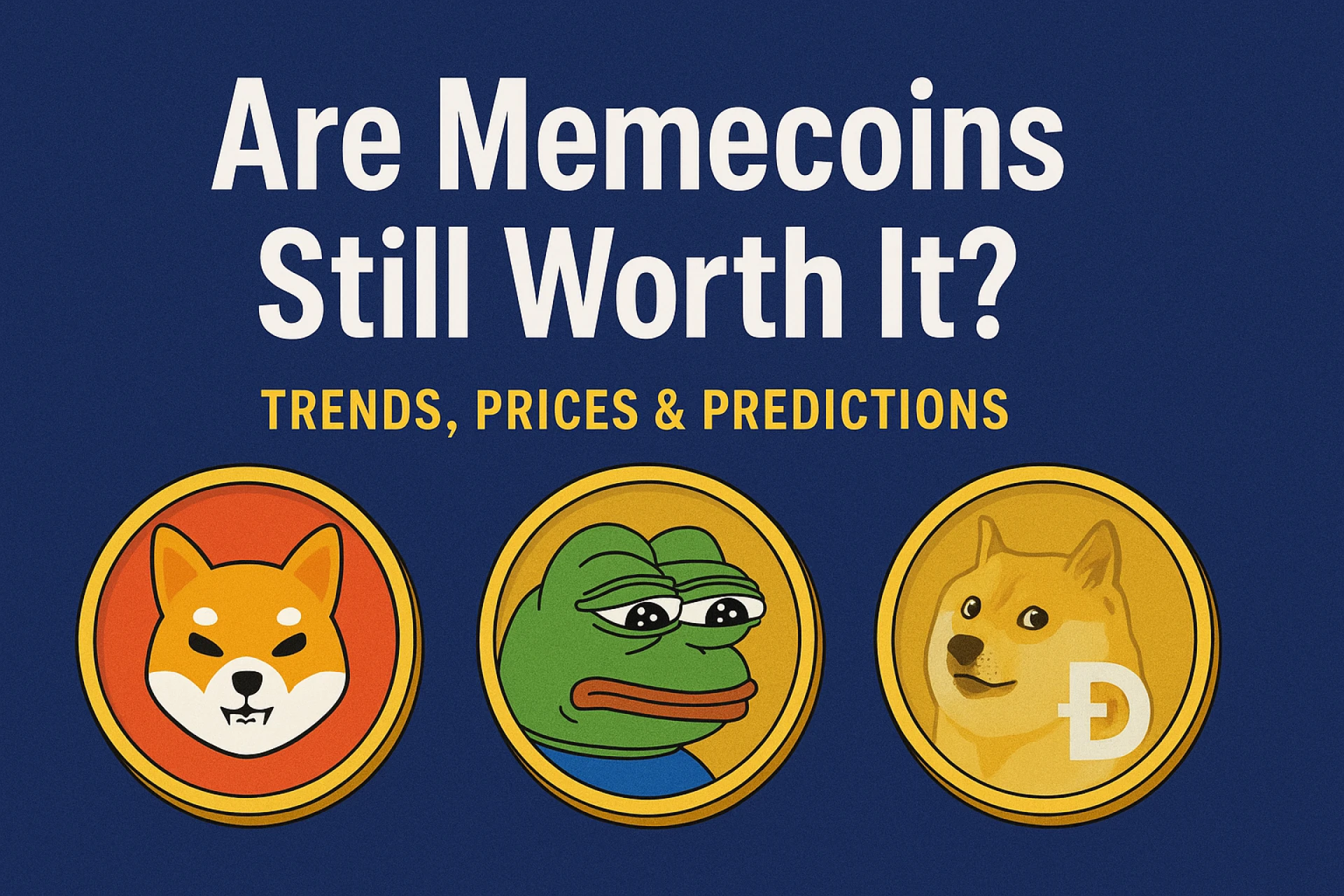

The world of cryptocurrency is full of surprises, but one trend that often sparks curiosity is how Ethereum meme coin prices respond to major Ethereum network upgrades. Ethereum is the backbone for thousands of tokens, including some of the most popular meme coins. When developers introduce updates like gas fee reductions, scalability improvements, or security upgrades, these changes ripple through the ecosystem — and meme coins are often among the first to feel the effects.
In this article, we’ll explore how Ethereum upgrades affect meme coin prices, why the community reacts strongly to these events, and what investors should watch out for in the future.
Ethereum as the Home of Meme Coins
Ethereum is not just a blockchain for serious DeFi projects or NFT marketplaces. It is also the birthplace of hundreds of meme coins. Tokens like Shiba Inu (SHIB), Floki Inu (FLOKI), Pepe (PEPE), and countless others run on Ethereum’s ERC-20 standard.
Because these coins rely on Ethereum for transactions, liquidity pools, and smart contracts, their performance is directly tied to how well the Ethereum network runs. Any update to Ethereum’s scalability or transaction costs will inevitably affect how investors trade meme coins.
Why Network Upgrades Matter
Every Ethereum upgrade aims to solve issues like high fees, network congestion, or security vulnerabilities. For meme coin traders, these updates are critical for three main reasons:
- Lower Gas Fees
- Meme coins often involve smaller transactions. If gas fees are too high, investors hesitate to buy or sell. Upgrades that reduce fees tend to boost meme coin trading activity, driving prices up.
- Faster Transactions
- Meme coins thrive on hype and quick reactions. A smoother Ethereum network means faster transactions, helping meme coins ride waves of social media trends without bottlenecks.
- Increased Security & Trust
- Some investors avoid meme coins because of their volatility and risk. But when Ethereum itself becomes more secure, it indirectly builds confidence in meme coins hosted on the network.
Historical Examples of Meme Coin Reactions
Looking back, we can see clear examples of how Ethereum upgrades impacted meme coin prices:
- EIP-1559 (London Upgrade, 2021):
- This upgrade introduced a base fee system that burned a portion of ETH fees. Meme coins like SHIB and FLOKI saw a trading surge because lower fees encouraged more retail investors to participate.
- Merge Upgrade (2022):
- When Ethereum shifted from Proof of Work (PoW) to Proof of Stake (PoS), meme coin communities speculated heavily. While the price reaction varied, most meme coins experienced higher volumes as investors anticipated a stronger Ethereum ecosystem.
- Shanghai Upgrade (2023):
- The ability to withdraw staked ETH increased liquidity in the crypto market. Many meme coins saw temporary boosts in trading volume as freed-up ETH capital rotated into riskier tokens.
The Psychology of Meme Coin Traders
Meme coin prices don’t just move based on fundamentals — they thrive on psychology and community hype. Ethereum network upgrades act as catalysts for excitement, giving meme coin communities new narratives.
For example, when Ethereum promises cheaper and faster transactions, meme coin supporters often push the idea that their tokens will “moon” because trading them becomes easier. Even before upgrades go live, anticipation alone can cause price spikes.
Risks and Volatility
While upgrades often benefit meme coins, there are risks:
- Buy the Rumor, Sell the News: Prices may pump before the upgrade and drop right after.
- Overhype: Meme coins can overreact to upgrades, creating unsustainable rallies.
- Technical Delays: If Ethereum upgrades face issues or delays, meme coins may experience sharp corrections.
This volatility makes it important for investors to separate long-term network improvements from short-term market hype.
Future Ethereum Upgrades and Meme Coins
Ethereum’s roadmap includes upcoming scalability solutions like Danksharding and Layer-2 integrations. These upgrades are expected to drastically reduce fees and increase transaction speed. For meme coin enthusiasts, this could create the perfect environment for explosive growth.
- Layer-2 Adoption: Meme coins may shift liquidity to Layer-2 networks like Arbitrum or Optimism, benefiting from cheaper trading costs.
- Mainstream Adoption: With smoother Ethereum performance, meme coins could gain more exposure beyond the crypto-native community.
Key Takeaways for Investors
- Watch the Calendar: Ethereum upgrade dates often spark market movements.
- Expect Speculation: Meme coin traders love hype; expect big swings before and after upgrades.
- Look Beyond the Noise: Not every upgrade will fundamentally change meme coin value. Focus on real adoption and long-term demand.
Conclusion
Ethereum meme coin prices are closely linked to the health of the Ethereum network. Upgrades that improve speed, reduce fees, or boost security create favorable conditions for meme coin trading. However, hype-driven rallies can also lead to volatility.
For investors, understanding how Ethereum upgrades impact meme coin prices provides an edge in navigating this unpredictable market. Whether you’re holding SHIB, FLOKI, PEPE, or the next viral token, keeping an eye on Ethereum’s roadmap is just as important as following the latest meme coin trend.




























Sign in to leave a comment.