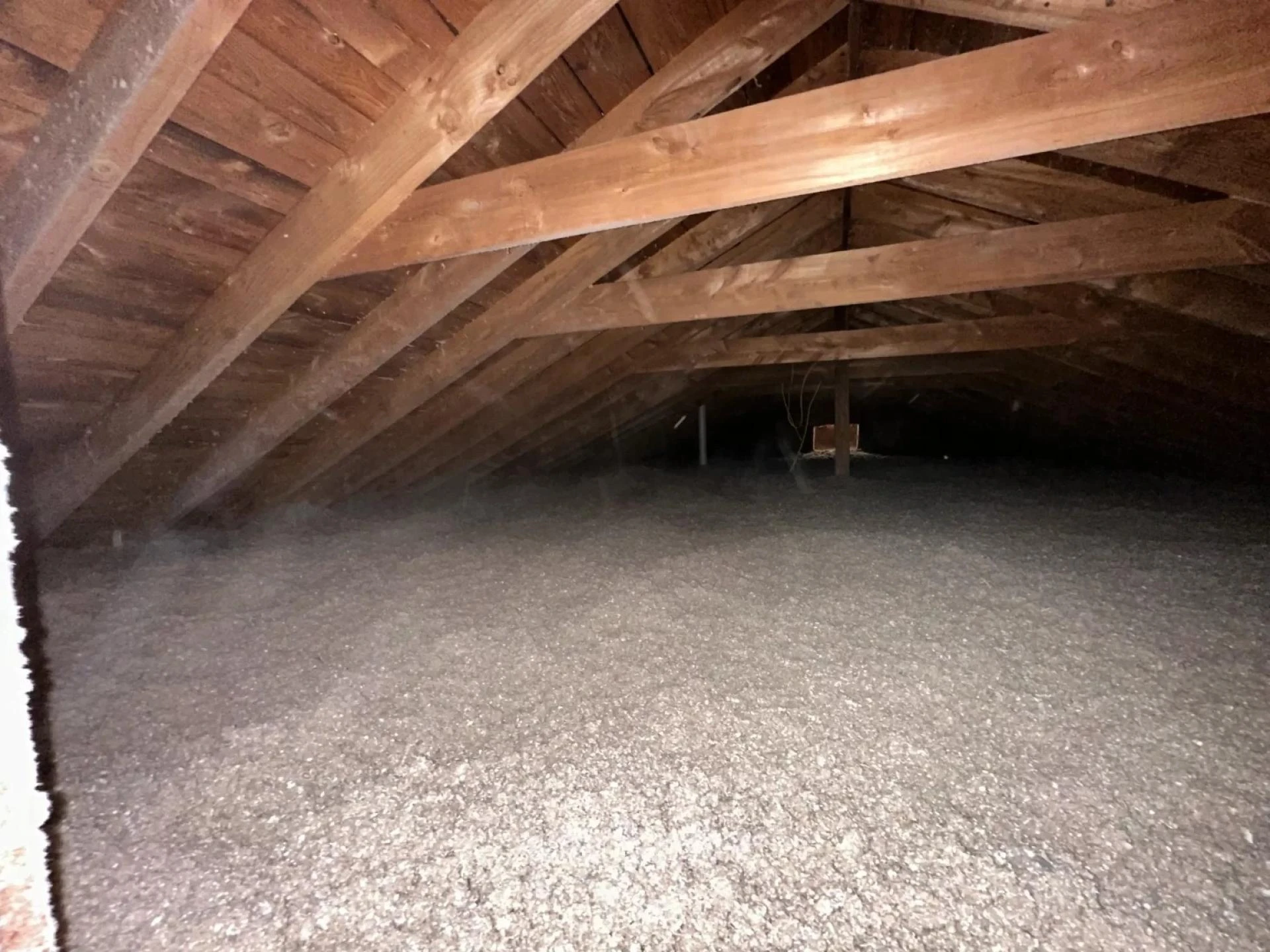

Insulation is one of the fastest ways to cut carbon output from buildings. High performance insulation works by lowering energy demand before power is even used, reducing the strain on heating and cooling systems. Right now, homes and commercial buildings remain one of the largest sources of energy-related emissions in the U.S.
Quick Answers That Matter Most
- Insulation reduces carbon output by cutting heating and cooling demand
- Air sealing lowers fuel use during peak seasonal loads
- Long-term material performance matters more than short-term savings
Energy Loss = Higher Carbon Output
Energy loss is the root cause of avoidable carbon emissions in buildings. When heat escapes in winter or enters in summer, systems run longer and burn more fuel. Insulation directly controls this loss.
According to data published by the U.S. Department of Energy Building Technologies Office, space heating and cooling account for a major share of residential energy use. Reducing that load lowers emissions at the source, not after the fact.
Experts focus on insulation because it solves the problem before energy is consumed.
Heat Movement Drives Emissions
Heat always moves from warm areas to cold ones. Poor insulation allows this transfer to happen faster.
When buildings lose heat:
- Boilers and furnaces run longer
- Fuel use rises during peak demand
- Carbon output increases across the grid
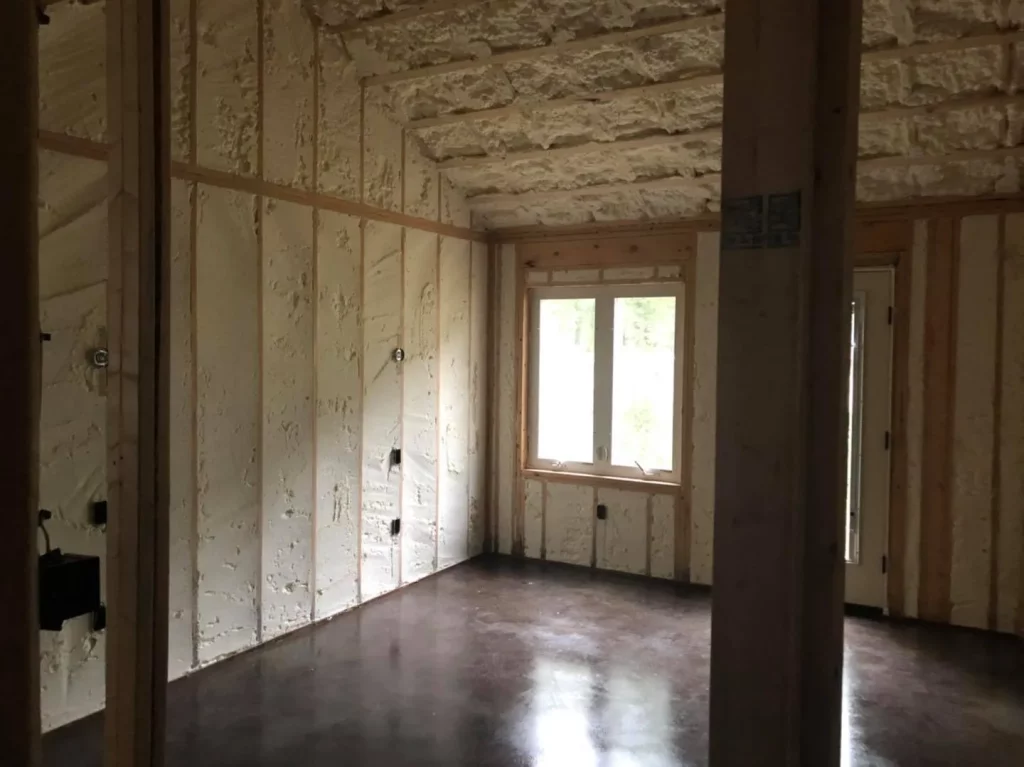
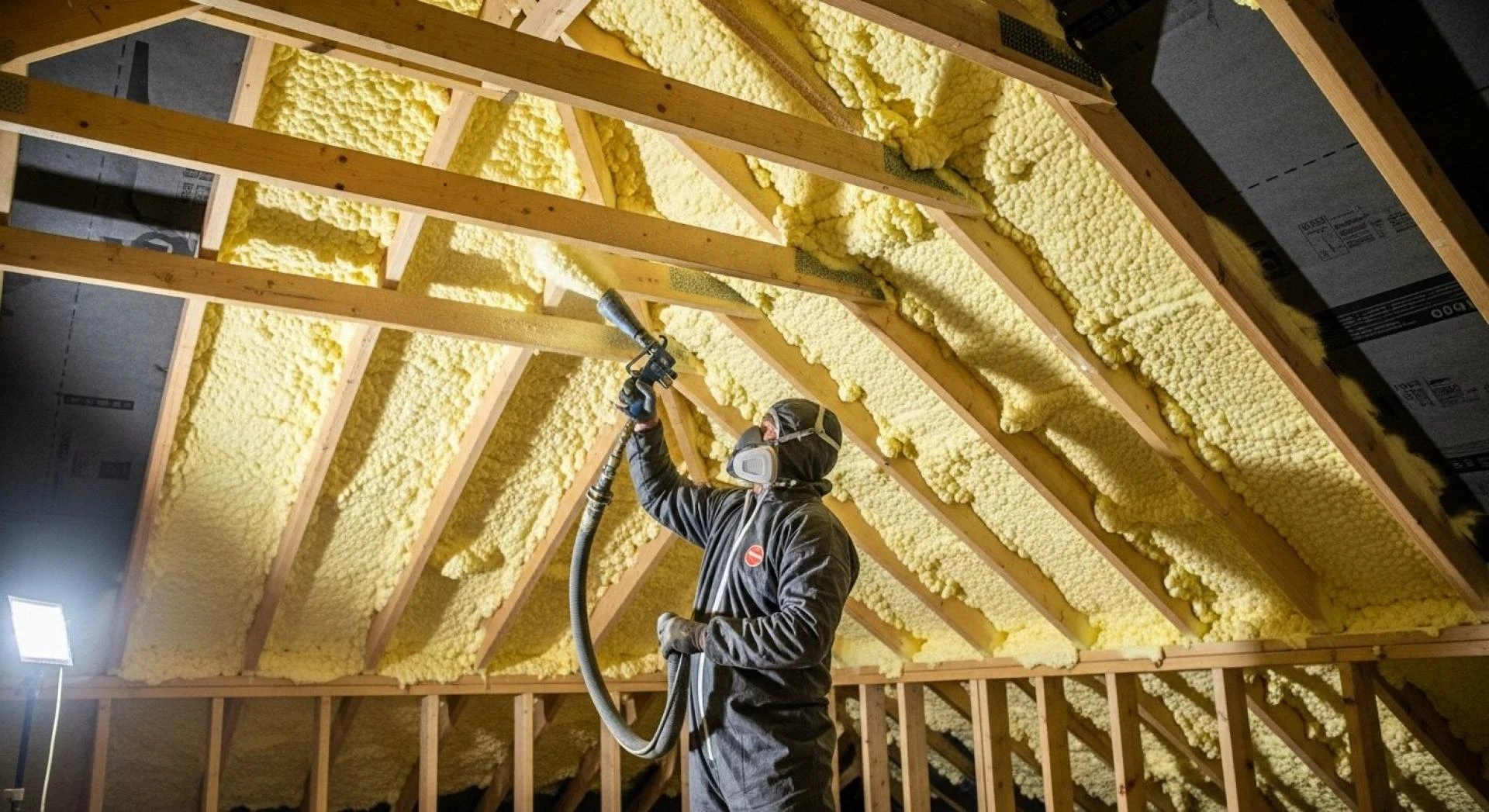
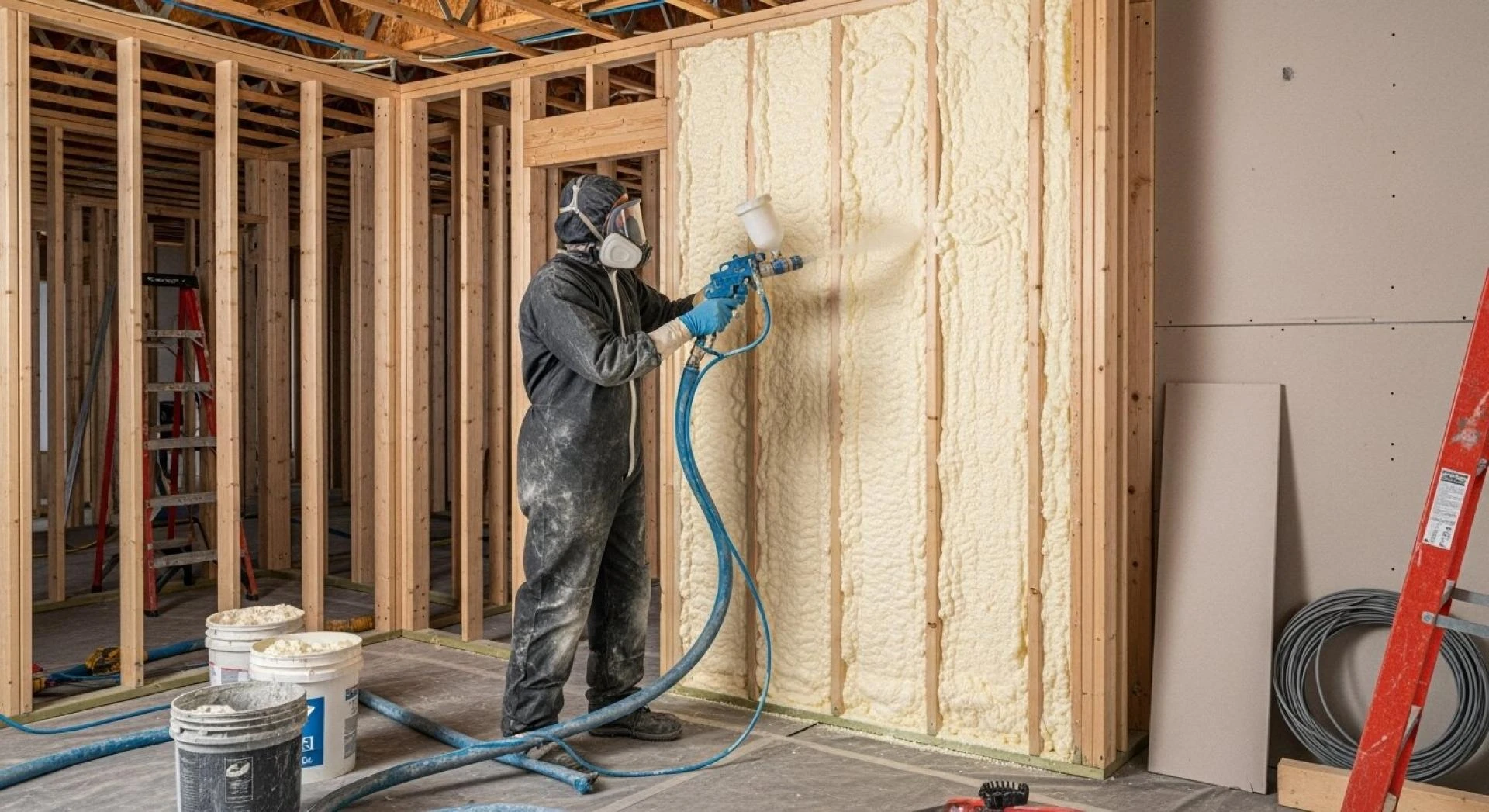
Spray foam insulation slows heat movement and seals air gaps at the same time.
Air Leakage Multiplies Energy Waste
Air leakage forces conditioned air out and pulls unconditioned air in. This doubles the workload on heating and cooling systems.
The U.S. Environmental Protection Agency indoor air and energy guidance explains that air sealing improves both efficiency and indoor conditions. Reducing air leakage lowers runtime, which cuts emissions tied to fuel and electricity use.
How Insulation Choices Affect Carbon Footprint
Not all insulation performs the same over time. Experts look at total impact, not just initial ratings.
Performance-based decisions focus on:
- Long-term air sealing
- Moisture resistance
- Material durability
These factors determine whether insulation continues reducing energy demand for decades or loses effectiveness early.
Spray Foam Performance Over Time
Spray foam insulation expands into cracks and joints. This creates a continuous seal that does not settle or shift.
Because it stays in place:
- Air leakage remains low
- Thermal performance stays stable
- Heating and cooling demand stays reduced
This consistency is why experts often recommend spray foam for carbon reduction strategies.
Can Insulation Meaningfully Cut Emissions
Yes. Insulation reduces emissions by lowering energy demand across the building’s lifespan. Lower demand means fewer fossil fuels burned upstream.
The International Energy Agency analysis on building efficiency shows that efficiency improvements in buildings play a major role in lowering global emissions. Insulation ranks among the highest-impact measures because it affects daily energy use.
Cause and Outcome Relationship
Cause: Poor insulation allows constant heat loss Outcome: Systems run longer and emit more carbon
Cause: High-performance insulation reduces air and heat movement Outcome: Energy demand drops and emissions decline
Insulation and Grid Impact
Lower building demand reduces strain during peak hours. This limits the need for high-emission backup power sources.
Performance and Environmental Comparison
| Feature | Spray Foam Insulation | Fiberglass Insulation |
|---|---|---|
| Air Sealing | Integrated | Requires separate sealing |
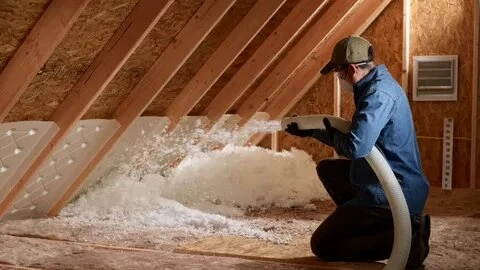
| Longevity | Maintains shape and seal | Can settle or compress |
| Energy Demand Impact | High reduction | Moderate reduction |
| Moisture Resistance | Strong | Limited |
Experts prioritize materials that reduce energy use consistently over time. Gaps that reopen erase early gains.
Why Building Sealing Matters as Much as R-Value
R-value measures resistance to heat flow, but it does not account for air movement. Carbon reduction depends on both.
Spray foam combines insulation and air sealing. This dual role reduces:
- Infiltration during winter
- Heat gain during summer
- Moisture-driven efficiency loss
Experts treat sealing as a carbon control strategy, not a comfort upgrade.
Moisture Control Prevents Performance Loss
Moisture weakens insulation over time. Damp materials lose effectiveness and increase system load.
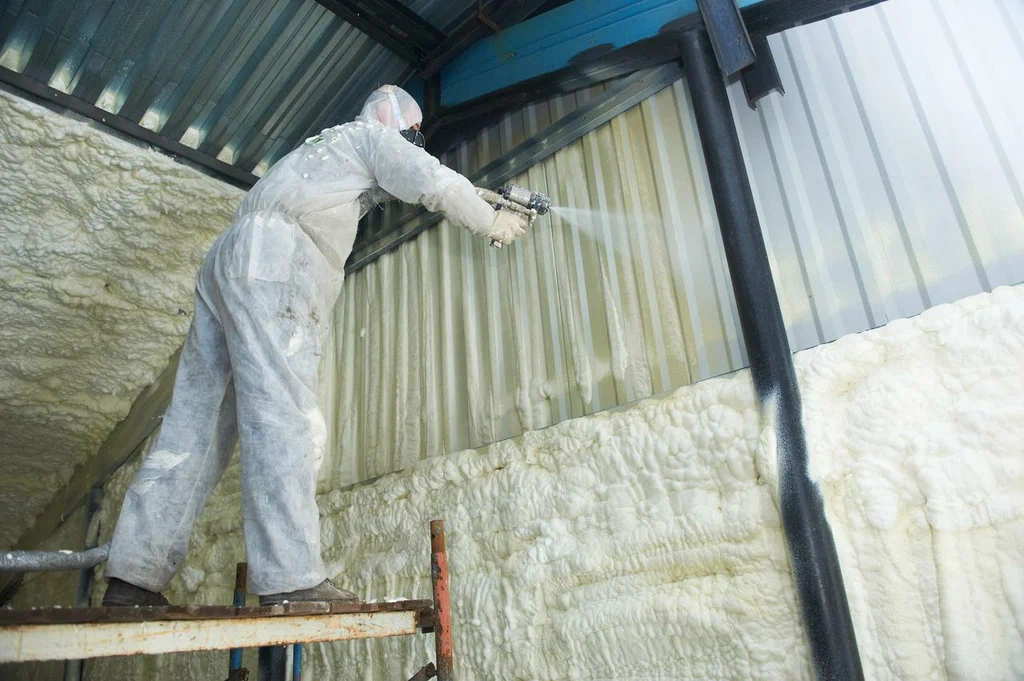
By limiting moisture entry, spray foam helps insulation perform as intended for decades.
Insulation Strategy Across the Whole Building
Carbon reduction works best when insulation targets key loss areas first.
High-impact zones include:
- Rooflines and attics
- Rim joists
- Basements and crawl spaces
Addressing these areas delivers faster emission reductions than surface-level upgrades.
Integration With Other Systems
Insulation improves the performance of:
- High-efficiency HVAC systems
- Heat pumps
- Ventilation upgrades
Without proper insulation, advanced equipment cannot reach full potential.
Bonus Tips
- Focus on air sealing before adding mechanical upgrades
- Prioritize long-term performance over short-term material cost
- Match insulation type to climate and building use
Case Studies
Energy retrofit programs across the Northeast consistently show lower heating demand when spray foam replaces leaky insulation in older buildings. Reduced runtime directly translates into lower fuel use and emissions during winter peaks.
Conclusion
Experts use insulation to reduce carbon output because it lowers energy demand at the source. Spray foam insulation stands out by combining air sealing and thermal resistance in one system.
The benefits include:
- Lower heating and cooling demand
- Reduced fuel and electricity use
- Long-term performance stability
Material choice matters. Poor insulation leads to higher emissions over time. Durable insulation supports lasting carbon reduction.
Lamothe Insulation supports energy-efficient, performance-focused projects by applying insulation strategies that reduce waste and improve building performance over the long term.
Contact Lamothe Insulation
Spray foam insulation reduces energy demand, limits emissions, and improves building performance. Lamothe Insulation supports projects focused on durability and efficiency.
To discuss insulation solutions, contact them at (508) 847-0119 or [email protected].
Frequently Asked Questions
How does insulation reduce carbon emissions?
Insulation lowers heating and cooling demand, which reduces fuel and electricity use tied to carbon output.
Is spray foam better for carbon reduction than fiberglass?
Spray foam seals air gaps and maintains performance longer, resulting in greater long-term energy savings.
Does air sealing really impact emissions?
Yes. Air leakage forces systems to run longer, increasing fuel use and emissions across the energy supply chain.
Can insulation upgrades support climate goals?
Efficiency improvements in buildings play a key role in reducing emissions without changing occupant behavior.
Where should insulation upgrades start to have an impact?
Attics, basements, and rim joists deliver the fastest reductions due to high leakage rates.
Author: With over two decades of hands-on experience, Robert Lamothe, owner and lead installer of Lamothe Insulation, brings unparalleled expertise in spray foam insulation, carpentry, and building science. Since 2002, he has earned a reputation for precision, quality craftsmanship, and delivering energy-efficient solutions that stand the test of time. Lamothe Insulation is a family-owned and family-operated business, and Robert also owns the Goddard School of Auburn, an early childhood education school.
Reviewer: Ethan Taylor has 8 years of experience in spray foam insulation. He reviewed this content and suggested ways to simplify business outreach while maintaining trust and professionalism.
Sources
- U.S. Department of Energy – Building Technologies Office – Data on residential and commercial energy use, heating and cooling demand, and efficiency strategies
- U.S. Environmental Protection Agency – Air Sealing – Details the impact of air leakage on energy use, indoor air quality, and emissions.
- International Energy Agency– Buildings and Energy Efficiency – Global analysis showing how building efficiency upgrades reduce carbon emissions.
























Sign in to leave a comment.